Why Your Grandpa Loved S.O.S. (Creamed Beef on Toast)
Why Your Grandpa Loved S.O.S. (Creamed Beef On Toast)
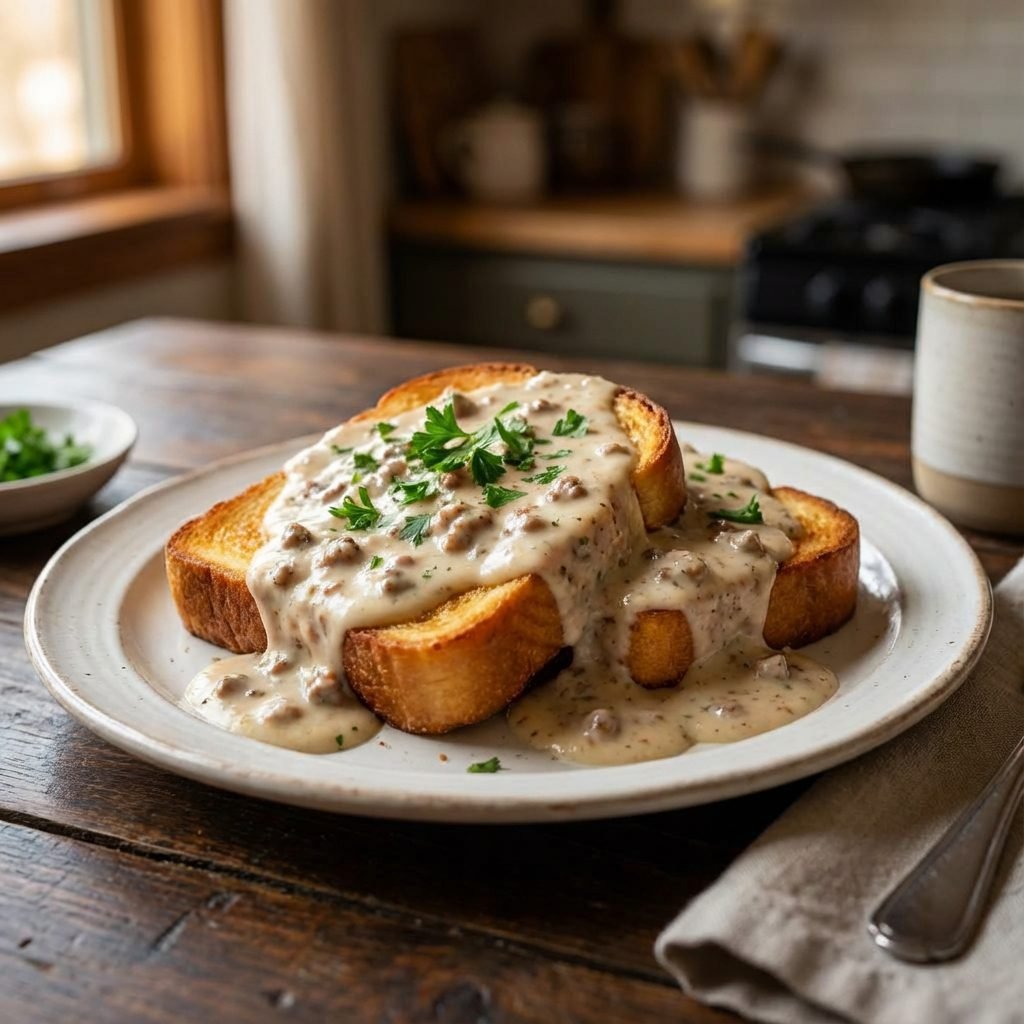
Step into a culinary time machine and explore a dish that has fueled generations: S.O.S., or Creamed Beef on Toast. While its affectionate, military-slang nickname, ‘Shit on a Shingle,’ might raise an eyebrow, this recipe is a testament to American ingenuity and comfort. Born from necessity in military mess halls, S.O.S. is the epitome of a hearty, stick-to-your-ribs meal made from simple, accessible ingredients. It’s a savory, creamy, and deeply satisfying dish that offers a taste of history. Forget any preconceived notions; this is not just cafeteria fare. When made with care, it transforms into a rich, flavorful gravy ladled over crisp, golden toast—a breakfast, lunch, or dinner that delivers pure, unadulterated comfort. This recipe honors the classic while elevating it for the modern palate, proving exactly why your grandpa, and countless others, held this humble meal in such high regard.
10 minutes
15 minutes
25 minutes
4 servings
Breakfast, Main Course
Stovetop
American
Classic
Why You’ll Love This Recipe
- A true American classic with deep historical roots.
- Incredibly budget-friendly, relying on pantry staples.
- Ready in under 30 minutes for a quick and satisfying meal.
- Versatile enough for breakfast, brunch, or a hearty dinner.
- Rich, savory, and the ultimate in stick-to-your-ribs comfort food.
Equipment You’ll Need
- Large Skillet or Dutch Oven
- Whisk
- Wooden Spoon or Heatproof Spatula
- Measuring Cups and Spoons
- Toaster or Broiler
Ingredients
- 1 lb ground beef (80/20 is ideal for flavor)
- 4 tablespoons unsalted butter
- 1/4 cup all-purpose flour
- 2.5 cups whole milk, warmed
- 1 tablespoon Worcestershire sauce
- 1 teaspoon onion powder
- 1/2 teaspoon garlic powder
- 1/2 teaspoon freshly ground black pepper
- Salt to taste
- A dash of hot sauce or a pinch of cayenne (optional)
- 8 slices of thick-cut bread (such as Texas toast or sourdough)
- 2 tablespoons fresh parsley, chopped, for garnish
Instructions
- Place a large skillet over medium-high heat. Add the ground beef and cook, breaking it apart with a spoon, until it is browned and cooked through, about 5-7 minutes. Drain off most of the excess fat, leaving about 1-2 tablespoons in the skillet for flavor.
- Add the 4 tablespoons of butter to the skillet with the cooked beef and remaining fat. Allow it to melt completely.
- Sprinkle the all-purpose flour over the beef and melted butter. Stir continuously for 1-2 minutes until the flour is fully incorporated and has had a chance to cook. This step is crucial for toasting the flour and preventing a raw taste in your gravy.
- Gradually pour in the warmed milk, about a half cup at a time, while whisking constantly. Continuous whisking is key to preventing lumps and creating a smooth, creamy sauce. Continue adding milk and whisking until it is all incorporated.
- Bring the mixture to a gentle simmer. As it heats, the sauce will thicken. Reduce the heat to low and let it simmer for 3-5 minutes to allow the flavors to meld and the gravy to reach its ideal consistency.
- Stir in the Worcestershire sauce, onion powder, garlic powder, black pepper, and optional hot sauce or cayenne. Taste the gravy and add salt as needed. The amount of salt will depend on the beef, so tasting is important.
- While the creamed beef is simmering, toast your bread slices until golden brown and crisp.
- To serve, place two slices of toast on each plate and generously ladle the hot creamed beef mixture over the top. Garnish with fresh chopped parsley for a touch of color and freshness. Serve immediately.
Expert Cooking Tips
- Warm Your Milk: Gently warming the milk in the microwave or a small saucepan before adding it to the skillet helps prevent lumps and ensures a smoother sauce.
- Don’t Skip the Roux: Cooking the flour in the fat for a minute or two is essential. This ‘roux’ is the foundation of your gravy and cooking out the raw flour taste makes a world of difference.
- Control the Consistency: If your gravy gets too thick, simply whisk in a little more milk until it reaches the desired consistency. If it’s too thin, let it simmer for a few more minutes to reduce and thicken.
- Season Aggressively: This is a simple dish, so its flavor depends on proper seasoning. Don’t be afraid to add enough salt, pepper, and Worcestershire sauce to make the flavors pop.
Substitutions and Variations
For a more traditional, saltier flavor, substitute the ground beef with 8 ounces of dried chipped beef, rinsed and chopped. You can also use ground turkey or sausage, though you may need to add a bit more butter or oil for richness. For a gluten-free version, replace the all-purpose flour with a cornstarch slurry (2 tablespoons cornstarch mixed with 2 tablespoons cold water) added to the milk mixture and simmered until thick.
Common Mistakes to Avoid
The most frequent error is creating a lumpy gravy. This is almost always caused by adding cold milk to the hot flour-fat mixture all at once. To avoid this, add warmed milk gradually while whisking vigorously. Another common pitfall is under-seasoning. The creamy base needs a good amount of salt, pepper, and savory depth from the Worcestershire sauce to avoid tasting bland.
Serving Suggestions
The classic ‘shingle’ is toasted bread, but S.O.S. is wonderfully versatile. Serve it over fluffy buttermilk biscuits, creamy mashed potatoes, crispy home fries, or even egg noodles. For a complete breakfast, serve it alongside a sunny-side-up or scrambled egg, allowing the yolk to mix into the savory gravy.
Storage and Reheating Tips
Store any leftover creamed beef in an airtight container in the refrigerator for up to 3 days. The sauce will thicken considerably when chilled. To reheat, place it in a saucepan over low heat and add a splash of milk, stirring gently until it is heated through and has returned to a creamy consistency. Reheating on the stovetop is highly recommended over the microwave to prevent the sauce from breaking.
Nutrition Facts (Estimated)
| Serving Size | 1 serving (approx. 1.5 cups) |
| Calories | 520 kcal |
| Fat | 30g |
| Saturated Fat | 15g |
| Unsaturated Fat | 13g |
| Trans Fat | 2g |
| Cholesterol | 90mg |
| Sodium | 850mg |
| Carbohydrates | 35g |
| Fiber | 3g |
| Sugar | 5g |
| Protein | 25g |
Frequently Asked Questions
What is the origin of the name ‘S.O.S.’?
S.O.S. is an acronym for ‘Shit on a Shingle,’ a term of endearment coined by American soldiers. It first appeared in military cookbooks around World War II and became a staple due to its low cost, ease of preparation, and hearty nature, designed to feed a large number of troops efficiently.
Is this the same as sausage gravy?
While the base (a milk gravy made with a roux) is very similar to sausage gravy, the flavor profile is different. S.O.S. traditionally uses beef (either ground or chipped) and gets its signature savory tang from ingredients like Worcestershire sauce, whereas sausage gravy relies on the fat and seasonings from breakfast sausage.
Can I make this recipe creamier?
Absolutely. For an even richer, creamier sauce, you can substitute a portion of the whole milk with half-and-half or a splash of heavy cream at the end of cooking. This will add extra richness and a more velvety texture.
Conclusion
More than just a recipe, S.O.S. is a piece of living history served on a plate. It represents a time when simple, hearty food brought comfort and sustenance to millions. By recreating it in your own kitchen, you’re not just making a meal; you’re connecting with a tradition of resilience and resourcefulness. Look past the quirky name and embrace the rich, savory, and soul-warming experience that is Creamed Beef on Toast. It’s a classic for a reason, and it’s high time it was rediscovered.