Why Filipino Sweet Spaghetti Is The Ultimate Comfort Food
Why Filipino Sweet Spaghetti Is The Ultimate Comfort Food
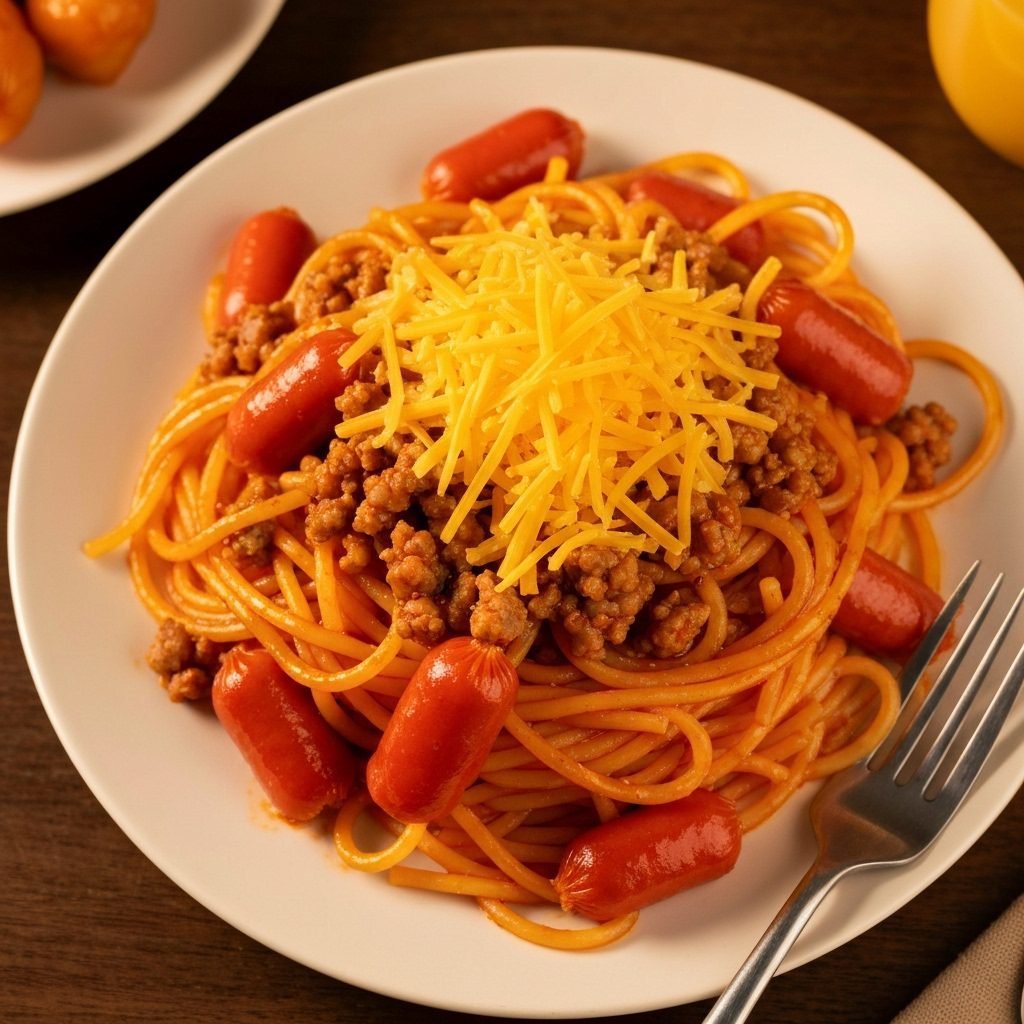
There are certain dishes that transcend mere sustenance, evolving into edible vessels of memory, culture, and pure, unadulterated joy. For countless Filipinos, both in the archipelago and across the diaspora, that dish is Filipino Sweet Spaghetti. To the uninitiated, the concept might sound peculiar: a spaghetti sauce that is intentionally, unapologetically sweet? But to those who grew up with it, the vibrant red hue of the sauce, studded with sliced hotdogs and crowned with a mountain of grated cheese, is the very picture of celebration and comfort. It’s the flavor of birthday parties, the warmth of family gatherings, and the nostalgic taste of childhood. This isn’t your nonna’s bolognese; it’s a uniquely Filipino creation, born from a history of cultural exchange and a national palate that masterfully balances sweet, savory, and tangy notes. In this definitive guide, we will not only walk you through crafting the perfect plate of this beloved dish but also delve into the heart of why this sweet spaghetti has earned its place as the ultimate comfort food for millions.
20 minutes
40 minutes
1 hour
Serves 6-8
Main Course
Stovetop
Filipino
Standard
Why You’ll Love This Recipe
- Authentic Sweet & Savory Flavor: A unique and delicious twist on classic spaghetti, featuring banana ketchup for its signature sweetness.
- Kid-Friendly Favorite: Guaranteed to be a hit with the whole family, especially children who adore the sweet sauce and hotdogs.
- Perfect Party Dish: Easy to make in large batches, making it an essential and much-loved centerpiece for birthdays, holidays, and gatherings.
- Nostalgic Comfort Food: A taste of Filipino childhood and cherished family memories packed into one delightful meal.
Equipment You’ll Need
- Large pot (for pasta)
- Colander
- Large skillet or Dutch oven (for the sauce)
- Wooden spoon or spatula
- Chef’s knife
- Cutting board
- Measuring cups and spoons
- Cheese grater
Ingredients
- 1 lb (450g) spaghetti noodles
- 2 tbsp cooking oil (canola or vegetable)
- 1 large yellow onion, finely chopped
- 5 cloves garlic, minced
- 1 lb (450g) ground beef (80/20 blend recommended)
- 6 red Filipino-style hotdogs, sliced diagonally into 1/4-inch pieces
- 1 (15 oz / 425g) can Filipino-style tomato sauce (or regular tomato sauce)
- 1 cup (250ml) banana ketchup
- 1/4 cup packed brown sugar, adjust to taste
- 1/4 cup evaporated milk
- 1 beef bouillon cube, crumbled
- Salt and freshly ground black pepper to taste
- 1.5 cups (about 150g) sharp cheddar cheese, finely grated, for topping
Instructions
- Cook the Pasta: Bring a large pot of salted water to a rolling boil. Add the spaghetti noodles and cook according to package directions until al dente. Drain the pasta using a colander and set aside. Do not rinse the pasta, as the surface starch helps the sauce adhere.
- Sauté Aromatics: Heat the cooking oil in a large skillet or Dutch oven over medium heat. Add the chopped onion and sauté until soft and translucent, about 3-4 minutes.
- Brown the Meat: Add the minced garlic and cook for another minute until fragrant. Add the ground beef to the skillet. Use a wooden spoon to break it up and cook until it is thoroughly browned. Drain off any excess grease.
- Add the Hotdogs: Stir in the sliced Filipino-style hotdogs. Cook for 2-3 minutes, allowing them to heat through and lightly brown at the edges, which enhances their flavor.
- Build the Sauce: Pour in the Filipino-style tomato sauce and the banana ketchup. Stir everything together until well combined. The sauce should take on its characteristic vibrant red-orange color.
- Develop the Flavors: Add the brown sugar, crumbled beef bouillon cube, and evaporated milk. Stir continuously until the sugar and bouillon have completely dissolved. The evaporated milk adds a crucial layer of creaminess and richness.
- Simmer the Sauce: Bring the sauce to a gentle simmer. Once simmering, reduce the heat to low, cover the skillet, and let it cook for at least 20-30 minutes. This simmering period is essential for the flavors to meld and deepen. Stir occasionally to prevent it from sticking to the bottom.
- Season to Taste: After simmering, taste the sauce. Adjust the seasoning with salt and freshly ground black pepper. You can also add more brown sugar if you prefer it sweeter.
- Combine and Serve: There are two common ways to serve. You can either add the cooked spaghetti directly to the pot of sauce and toss to coat every strand, or you can plate the spaghetti first and ladle a generous amount of the sauce over the top.
- Garnish and Enjoy: The final, non-negotiable step is the garnish. Sprinkle a very generous amount of finely grated sharp cheddar cheese over the hot spaghetti. The heat will cause it to melt slightly. Serve immediately and enjoy the celebration!
Expert Cooking Tips
- Don’t Rush the Simmer: Letting the sauce simmer for at least 20-30 minutes is the most important step for developing a deep, rich flavor. This allows the sweetness and savoriness to meld into a cohesive and delicious whole.
- The Right Hotdogs: For the most authentic taste and appearance, seek out red, Filipino-style hotdogs from an Asian grocery store. They have a distinct sweet and smoky flavor that American hotdogs lack.
- Taste and Adjust: The ‘perfect’ level of sweetness is subjective. Start with the recommended amount of sugar and banana ketchup, then taste the sauce after it has simmered. Adjust until it suits your personal preference.
- Grate Your Own Cheese: While pre-shredded cheese is convenient, grating a block of sharp cheddar yourself results in a much better melt and a creamier texture. Finely grated cheese incorporates best.
- Filipino-Style Tomato Sauce: If available, use a Filipino brand of tomato sauce. It’s often slightly sweeter and less acidic than its Italian or American counterparts, providing a better base for this recipe.
Substitutions and Variations
Meat: A 50/50 mix of ground beef and ground pork is a popular and flavorful choice. Ground chicken or turkey can be used for a leaner option. For a vegetarian take, use a plant-based ground ‘meat’ substitute and vegetarian hotdogs. Banana Ketchup: This is the key ingredient, but in a pinch, you can approximate it by mixing 1 cup of regular tomato ketchup with 3-4 tablespoons of brown sugar and 1 teaspoon of vinegar. The flavor won’t be identical but will be close. Evaporated Milk: Heavy cream or even half-and-half can be used to achieve a similar creamy richness.
Common Mistakes to Avoid
Not simmering the sauce long enough is the most frequent mistake. A rushed sauce will taste like its separate ingredients rather than a unified, complex flavor profile. Give it time to develop. Another common error is overcooking the pasta. It should be al dente, with a slight bite, as it will continue to soften slightly when the hot sauce is added. Finally, under-seasoning or being shy with the cheese. The salt from the bouillon and the sharp, salty cheese are critical for balancing the overall sweetness of the dish. Be generous!
Serving Suggestions
The classic Filipino party combination is Sweet Spaghetti served alongside a piece of crispy, juicy Fried Chicken. This sweet and savory pairing is iconic for a reason. Toasted garlic bread is another excellent companion for scooping up every last bit of the delicious sauce. For a bit of freshness, a simple ensaladang mangga (green mango salad) or a light cucumber and tomato salad can provide a refreshing contrast to the richness of the main dish.
Storage and Reheating Tips
For best results, store the sauce and the cooked pasta in separate airtight containers in the refrigerator. This prevents the pasta from becoming soggy. They will keep for up to 4 days. The sauce can also be frozen for up to 3 months. To reheat, gently warm the sauce on the stovetop over low heat, adding a splash of water or milk if it has thickened. Reheat the pasta by microwaving it or by briefly plunging it into boiling water before draining and serving with the hot sauce.
Nutrition Facts (Estimated)
| Serving Size | 1.5 cups |
| Calories | 620 kcal |
| Fat | 28g |
| Saturated Fat | 11g |
| Unsaturated Fat | 15g |
| Trans Fat | 0.5g |
| Cholesterol | 75mg |
| Sodium | 1050mg |
| Carbohydrates | 65g |
| Fiber | 5g |
| Sugar | 18g |
| Protein | 24g |
Frequently Asked Questions
What exactly is banana ketchup?
Banana ketchup is a popular Filipino condiment invented during WWII when there was a shortage of tomatoes. It’s made from mashed bananas, sugar, vinegar, and spices. The iconic red color is from food dye. It’s significantly sweeter and less tangy than traditional tomato ketchup and is the cornerstone of this recipe’s unique flavor.
Can I make this dish less sweet?
Absolutely. This recipe is a template, and the sweetness is entirely adjustable to your taste. You can start with half the amount of brown sugar and a bit less banana ketchup. Taste the sauce after it has simmered for about 15 minutes and slowly add more until you reach a balance you enjoy.
Is it necessary to use Filipino-style red hotdogs?
While not strictly necessary, using them provides the most authentic flavor and visual appeal. Filipino hotdogs are typically sweeter and have a smokier taste than American frankfurters. The bright red color is also iconic to the dish. If you can’t find them, any good quality beef or pork hotdog will work as a substitute.
Conclusion
Filipino Sweet Spaghetti is far more than just a pasta dish; it’s a culinary hug. It’s a testament to the ingenuity and joyful spirit of Filipino cuisine, a perfect symphony of sweet and savory notes that sings of home and happiness. Every bite is a reminder of shared laughter at a birthday party, the warmth of a family get-together, or the simple pleasure of a lovingly prepared meal. We encourage you to embrace the sweetness, to be generous with the cheese, and to share this dish with the people you love. In doing so, you’re not just making dinner—you’re creating new memories and participating in a cherished cultural tradition.