Turn a Can of Tuna Into A Gourmet Korean Rice Bowl
Turn A Can Of Tuna Into A Gourmet Korean Rice Bowl
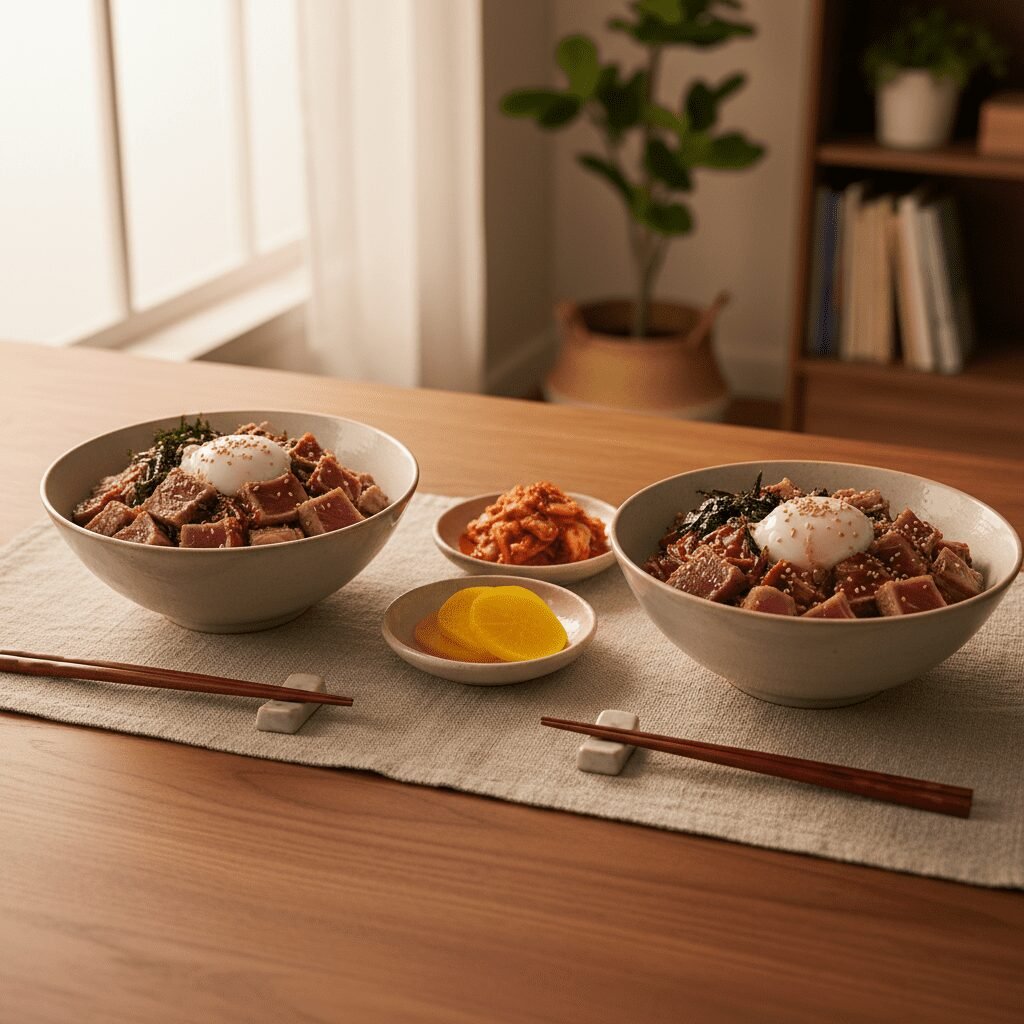
Who knew a humble can of tuna could transform into something so utterly delicious and exciting? This Korean-inspired rice bowl is your new weeknight hero, bringing vibrant flavors and satisfying textures to your table in a flash. Get ready to elevate your pantry staple into a gourmet experience!
15 minutes
10 minutes
25 minutes
2 servings
Main Dish
Sautéing, Assembling
Korean
Pescatarian
Oh, sweet friends, let me tell you, there are days when the fridge looks bare, the clock is ticking, and my energy reserves are running on fumes. We’ve all been there, right? But what if I told you that tucked away in your pantry, a simple can of tuna holds the secret to a truly spectacular, flavor-packed meal that feels anything but simple? Today, we’re diving into the wonderful world of turning that everyday tuna into a gourmet Korean rice bowl that will have your family asking for seconds!
This recipe isn’t just about cooking; it’s about culinary magic, transforming humble ingredients into something extraordinary. It’s about bringing the vibrant, comforting flavors of Korean cuisine right into your kitchen, without needing a passport or a specialty grocery store trip. Imagine tender, flaky tuna, coated in a savory, slightly spicy, and perfectly balanced sauce, nestled atop a bed of fluffy rice with crisp veggies and a runny egg. Sounds dreamy, doesn’t it? It’s the kind of meal that warms your soul and makes you feel like a kitchen superstar, even on your busiest days.
I’ve always been a firm believer that good food doesn’t have to be complicated or expensive. Sometimes, the most delightful dishes come from the most unexpected places. This Korean tuna rice bowl is a testament to that philosophy. It’s quick enough for a weeknight, impressive enough for guests, and endlessly customizable to suit your family’s tastes. So, grab that can of tuna, put on your favorite apron, and let’s create some delicious memories together!
History & Origins
While this specific “gourmet Korean tuna rice bowl” is a modern fusion creation, its roots are deeply embedded in traditional Korean culinary practices and the global love affair with canned tuna. Korean cuisine has a long and rich history of creating incredibly flavorful and satisfying dishes from simple, accessible ingredients. The concept of bibimbap, a mixed rice bowl, is perhaps one of the most iconic examples, where various seasoned vegetables, meat (or in our case, tuna!), and a fried egg are artfully arranged over rice and mixed with a spicy gochujang sauce.
Canned tuna, a pantry staple worldwide, found its way into Korean kitchens and quickly became a beloved ingredient, especially for quick meals and lunchboxes (dosirak). Tuna kimchi jjigae (kimchi stew with tuna) and tuna gimbap (seaweed rice rolls with tuna) are popular examples of how Koreans have ingeniously incorporated canned tuna into their traditional dishes, adding a convenient and protein-rich element. This recipe draws inspiration from these beloved Korean comfort foods, taking the convenience of canned tuna and elevating it with a homemade, flavorful sauce and fresh toppings, making it a modern classic in its own right.
Why This Recipe Works
This recipe is a culinary triumph because it masterfully balances flavors, textures, and convenience. From a technical standpoint, the success lies in several key elements. First, the umami bomb: canned tuna, while mild on its own, provides a fantastic base for absorbing the rich, savory notes of soy sauce, gochujang, and sesame oil. Gochujang, the fermented chili paste, is crucial here; it brings a complex blend of sweet, spicy, and savory notes that are characteristic of Korean cuisine, without being overwhelmingly hot.
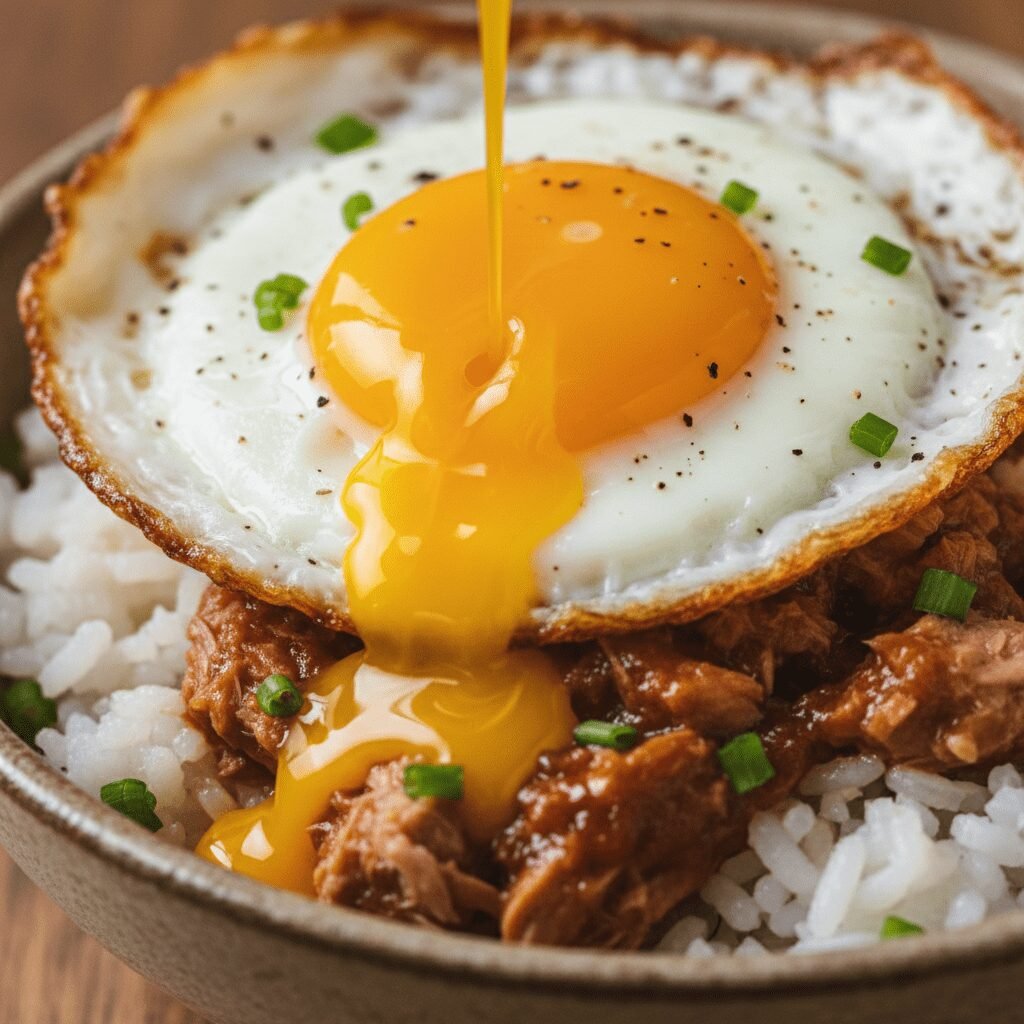
Second, the texture contrast is paramount. Fluffy, warm rice provides a neutral canvas. The tuna, once sauced, becomes tender and flavorful. Then, we introduce crisp, fresh vegetables like cucumber and carrots, adding a refreshing crunch. The fried egg, with its crispy edges and runny yolk, adds a luxurious creaminess that coats everything beautifully when mixed in. This interplay of soft, crisp, and creamy textures keeps every bite interesting and satisfying.
Finally, the acid and fat balance. A touch of rice vinegar or lime juice can brighten the dish, cutting through the richness. The sesame oil adds a nutty aroma and a silky mouthfeel, while the oil from frying the egg contributes to the overall richness. The combination of these elements creates a harmonious and addictive flavor profile that makes a simple can of tuna feel truly gourmet.
Why You’ll Love This Recipe
- ✓Transforms pantry tuna into a gourmet meal.
- ✓Packed with vibrant Korean-inspired flavors.
- ✓Quick and easy for busy weeknights.
- ✓Customizable with your favorite veggies.
- ✓Satisfying and comforting with a perfect balance of textures.
- ✓Budget-friendly and incredibly delicious.
Equipment You’ll Need
- ✓Medium mixing bowl
- ✓Small saucepan (for rice, if not using pre-cooked)
- ✓Non-stick skillet
- ✓Whisk
- ✓Measuring spoons and cups
- ✓Serving bowls
Ingredients
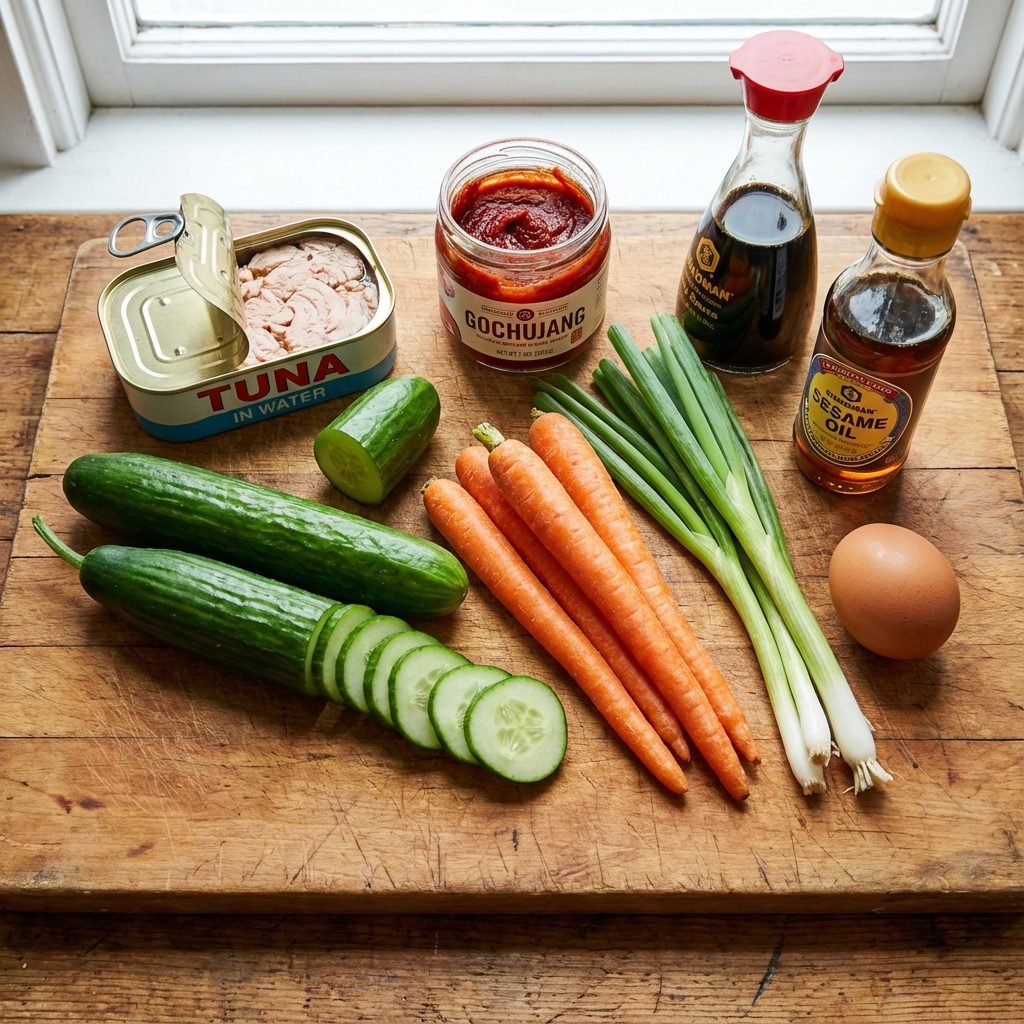
- ✓1 (5-ounce) can tuna in water or oil, drained
- ✓1 cup cooked short-grain white rice (warm)
- ✓1/2 cup thinly sliced cucumber
- ✓1/4 cup shredded carrot
- ✓1/4 cup chopped kimchi (optional, but highly recommended!)
- ✓1 large egg
- ✓1 tablespoon sesame oil, divided
- ✓1 teaspoon vegetable oil (for frying egg)
- ✓Toasted sesame seeds, for garnish
- ✓Green onions, sliced, for garnish
- ✓For the Sauce:
- ✓2 tablespoons gochujang (Korean chili paste)
- ✓1 tablespoon soy sauce (or tamari for gluten-free)
- ✓1 tablespoon rice vinegar
- ✓1 tablespoon honey or maple syrup
- ✓1 teaspoon minced garlic
- ✓1/2 teaspoon grated fresh ginger (optional)
- ✓1 teaspoon sesame oil
Instructions
- Prepare the Sauce: In a small bowl, whisk together the gochujang, soy sauce, rice vinegar, honey (or maple syrup), minced garlic, grated ginger (if using), and 1 teaspoon sesame oil until smooth. Set aside.
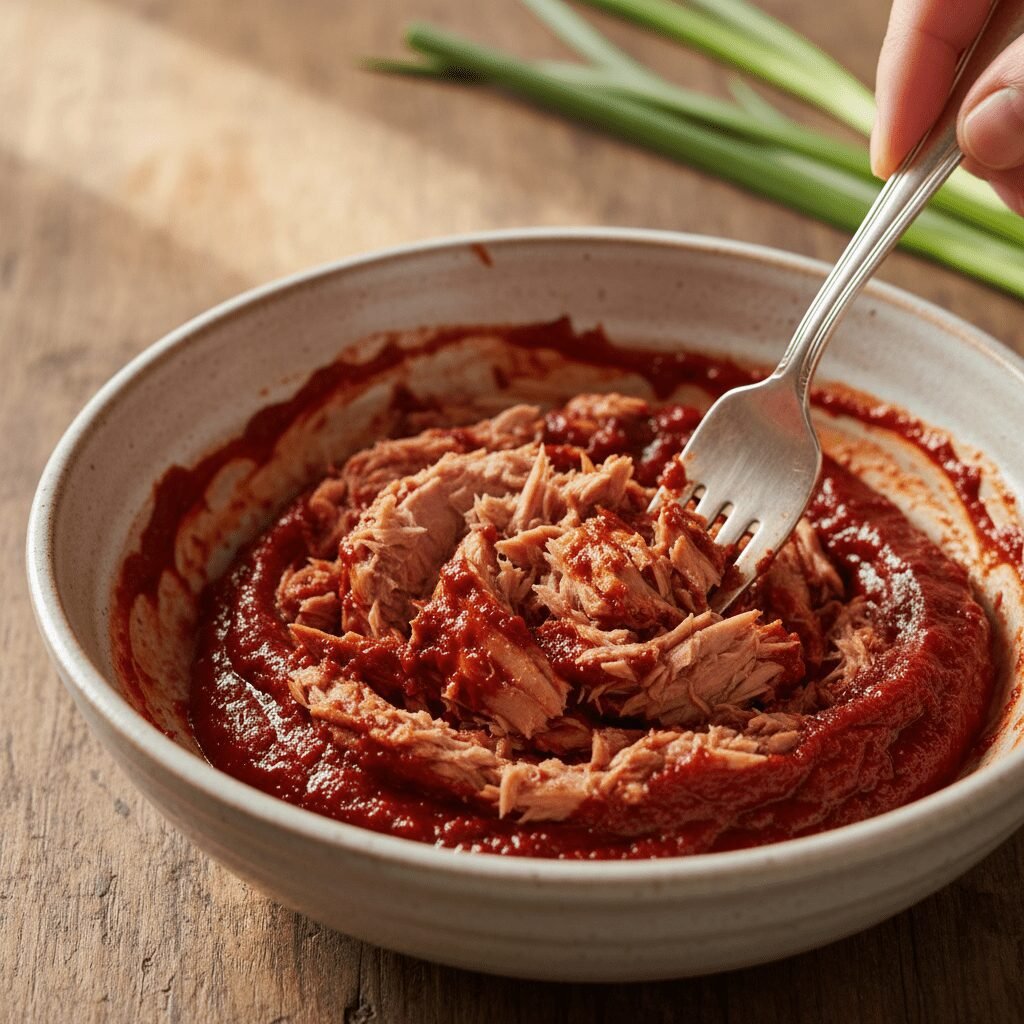
- Prepare the Tuna: Drain the canned tuna well. In a medium bowl, flake the tuna with a fork. Add about 2-3 tablespoons of the prepared sauce to the tuna and mix gently to coat. You can add more or less sauce to your liking.
- Cook the Egg: Heat the vegetable oil in a non-stick skillet over medium heat. Crack the egg into the skillet and fry until the whites are set and the yolk is still runny (or cooked to your preference). Season with a pinch of salt and pepper.
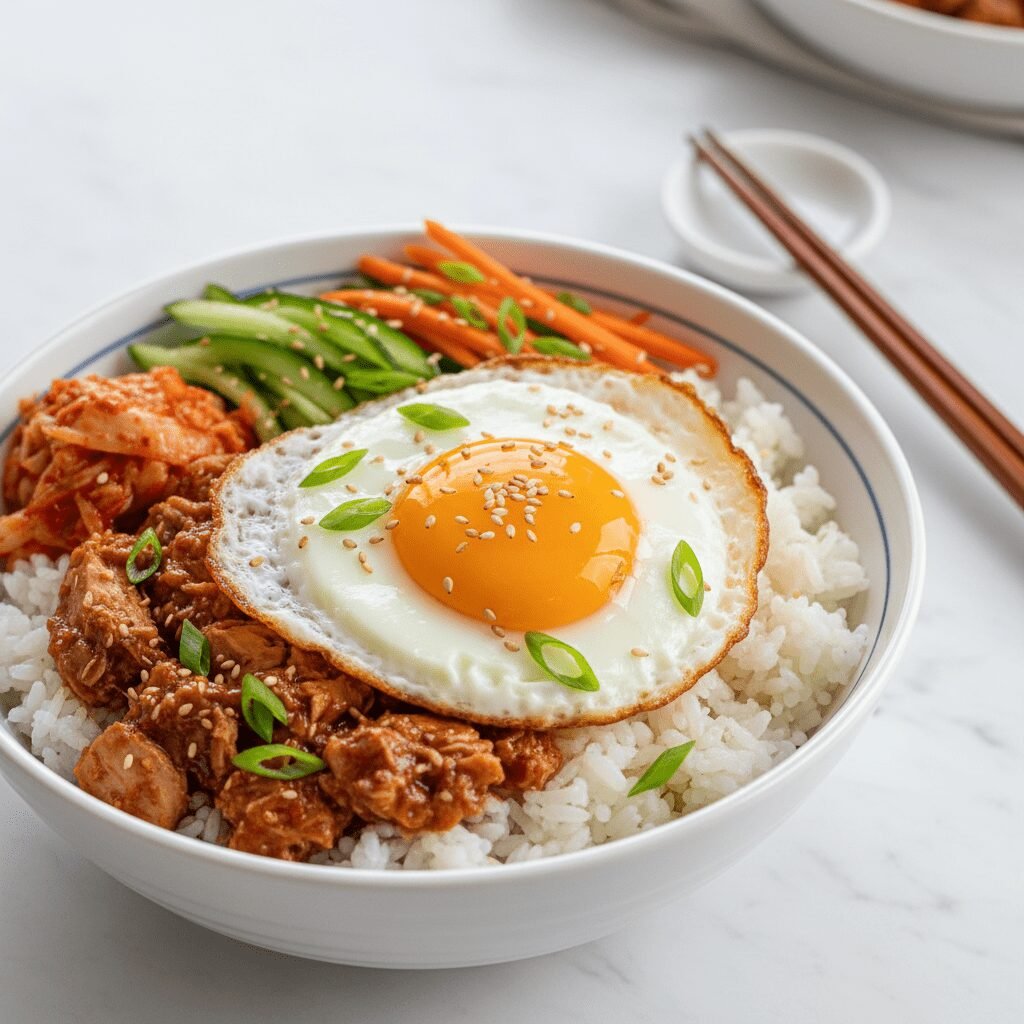
- Assemble the Bowls: Divide the warm cooked rice between two serving bowls. Arrange the sauced tuna on one side of the rice. Artfully arrange the sliced cucumber, shredded carrot, and chopped kimchi (if using) around the tuna.
- Add the Egg and Garnish: Carefully place the fried egg on top of the tuna or in the center of the bowl. Drizzle any remaining sauce over the bowl. Garnish generously with toasted sesame seeds and sliced green onions.
- Serve and Enjoy: Serve immediately. Encourage everyone to mix all the ingredients together before diving in for the ultimate flavor experience!
Expert Cooking Tips
- ✓Perfect Rice: For the best texture, use freshly cooked, warm short-grain white rice. If using leftover rice, gently warm it in the microwave or on the stovetop with a splash of water.
- ✓Don’t Over-Sauce the Tuna: Start with a smaller amount of sauce for the tuna and add more if needed. You want it flavorful, not swimming in sauce.
- ✓Runny Yolk is Key: A runny fried egg yolk adds incredible richness and acts as a natural sauce, binding all the ingredients together.
- ✓Customize Your Veggies: Feel free to add other quick-cooking or raw veggies like spinach, corn, edamame, or thinly sliced radishes.
- ✓Spice Level: Adjust the amount of gochujang to your preferred spice level. For less heat, use a bit less gochujang and make up the liquid with extra soy sauce or rice vinegar.
Substitutions and Variations
No gochujang? You can create a similar spicy-sweet-savory profile with sriracha mixed with a touch of brown sugar and a little extra soy sauce, though the depth of flavor won’t be quite the same. For a gluten-free option, ensure you use tamari instead of regular soy sauce. If you don’t have fresh ginger, a tiny pinch of ground ginger can work in a pinch. Feel free to swap out the tuna for cooked shredded chicken or even firm tofu for a vegetarian twist. Any leafy greens like spinach or kale can be quickly sautéed and added. If you don’t have rice vinegar, apple cider vinegar can be a decent substitute, but use slightly less as it’s often stronger.
Common Mistakes to Avoid
One of the most common mistakes is over-draining the tuna to the point of dryness. While you want to remove excess liquid, leaving a tiny bit of moisture can help the tuna absorb the sauce better. Another pitfall is not tasting the sauce before adding it to the tuna; always adjust the sweetness, saltiness, and spice to your preference. Overcooking the egg is another common error; a runny yolk is truly transformative in this dish, so keep an eye on it! Lastly, skimping on the garnishes – the sesame seeds and green onions aren’t just for looks; they add crucial texture and fresh flavor that complete the bowl.
Serving Suggestions
This Korean tuna rice bowl is a complete meal on its own, but if you’re looking to expand the feast, it pairs wonderfully with a simple side of extra kimchi, a light miso soup, or a refreshing Korean radish salad (mu saengchae). For a more substantial meal, you could serve it alongside some pan-fried dumplings (mandu) or a small bowl of steamed edamame. A cold glass of barley tea or a sparkling fruit drink would be a lovely accompaniment.
Storage and Reheating Tips
This dish is best enjoyed fresh, especially with the fried egg. However, if you have leftovers of the sauced tuna and rice (without the egg and fresh veggies), you can store them separately in airtight containers in the refrigerator for up to 2 days. When reheating, warm the tuna and rice gently in the microwave or on the stovetop. Add fresh toppings and a freshly fried egg for the best experience. I don’t recommend freezing this dish.
Nutrition Facts (Estimated)
| Serving Size | 1 bowl |
| Calories | 450 kcal |
| Fat | 20g |
| Saturated Fat | 4g |
| Unsaturated Fat | 12g |
| Trans Fat | 0g |
| Cholesterol | 200mg |
| Sodium | 850mg |
| Carbohydrates | 45g |
| Fiber | 4g |
| Sugar | 8g |
| Protein | 30g |
Frequently Asked Questions
Can I use tuna in oil instead of water?
Absolutely! Tuna in oil often has a richer flavor and can be used just as easily. Just make sure to drain it well before mixing with the sauce.
Is this recipe spicy?
It has a moderate kick from the gochujang. You can adjust the spice level by using more or less gochujang. For a milder version, reduce the gochujang and add a bit more soy sauce or honey.
Can I make this vegetarian?
Yes! You can substitute the tuna with pan-fried or baked firm tofu, crumbled tempeh, or even sautéed mushrooms for a delicious vegetarian version.
What kind of rice should I use?
Short-grain white rice is traditional for Korean dishes as it’s sticky and holds well. However, you can use medium-grain rice, brown rice, or even quinoa if you prefer.
Can I prepare parts of this ahead of time?
You can definitely make the sauce ahead of time and store it in the fridge for up to a week. You can also chop your vegetables in advance. Cook the rice and tuna mixture just before serving for the best taste and texture.
What if I don’t have all the fresh vegetables?
Don’t worry! This bowl is very flexible. Use whatever fresh veggies you have on hand – lettuce, spinach, bell peppers, corn, or even leftover roasted vegetables can work beautifully.
How do I get a perfectly runny egg yolk?
Heat your skillet over medium heat with a little oil. Crack the egg in, and once the whites start to set, you can cover the pan for a minute or two to help the top cook without flipping, ensuring the yolk stays runny.
Can I add other proteins?
While tuna is the star, you could certainly add other cooked proteins like grilled chicken, thinly sliced beef (bulgogi style), or shrimp for an even heartier bowl.
Conclusion
And there you have it, my dear friends! A truly remarkable transformation of a simple can of tuna into a vibrant, flavorful, and utterly satisfying Korean rice bowl. This recipe is a testament to the idea that gourmet doesn’t have to mean complicated or expensive. It’s about smart cooking, bold flavors, and a little bit of love in every spoonful. Whether you’re a seasoned home cook or just starting your culinary journey, this dish is sure to impress and delight. So go ahead, give it a try, and let me know how it turns out! Happy cooking, and remember, every meal is an opportunity to create something wonderful.