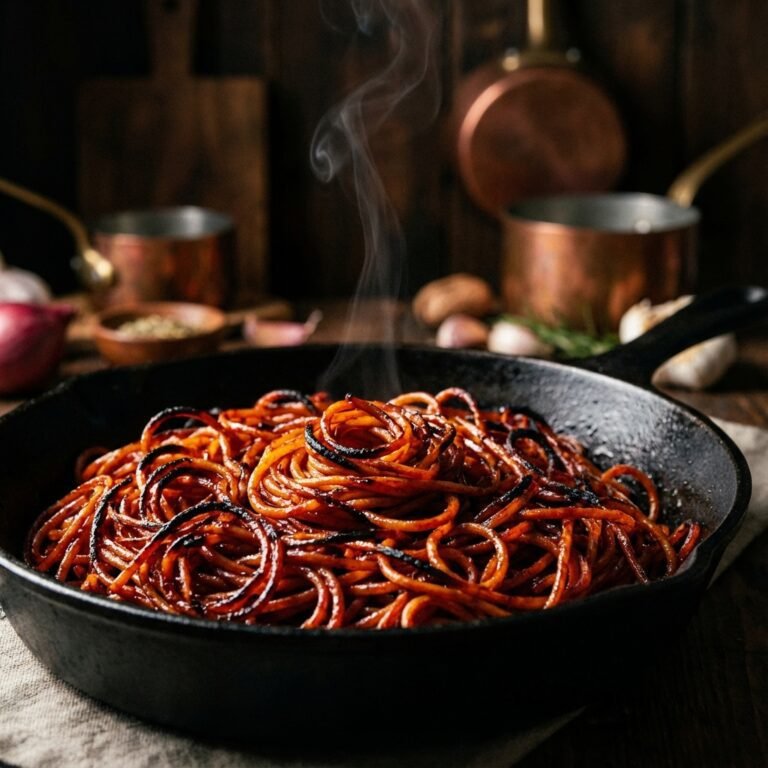
This $3 Spicy Canned Mackerel Pasta Tastes Like Luxury
This $3 Spicy Canned Mackerel Pasta Tastes Like Luxury
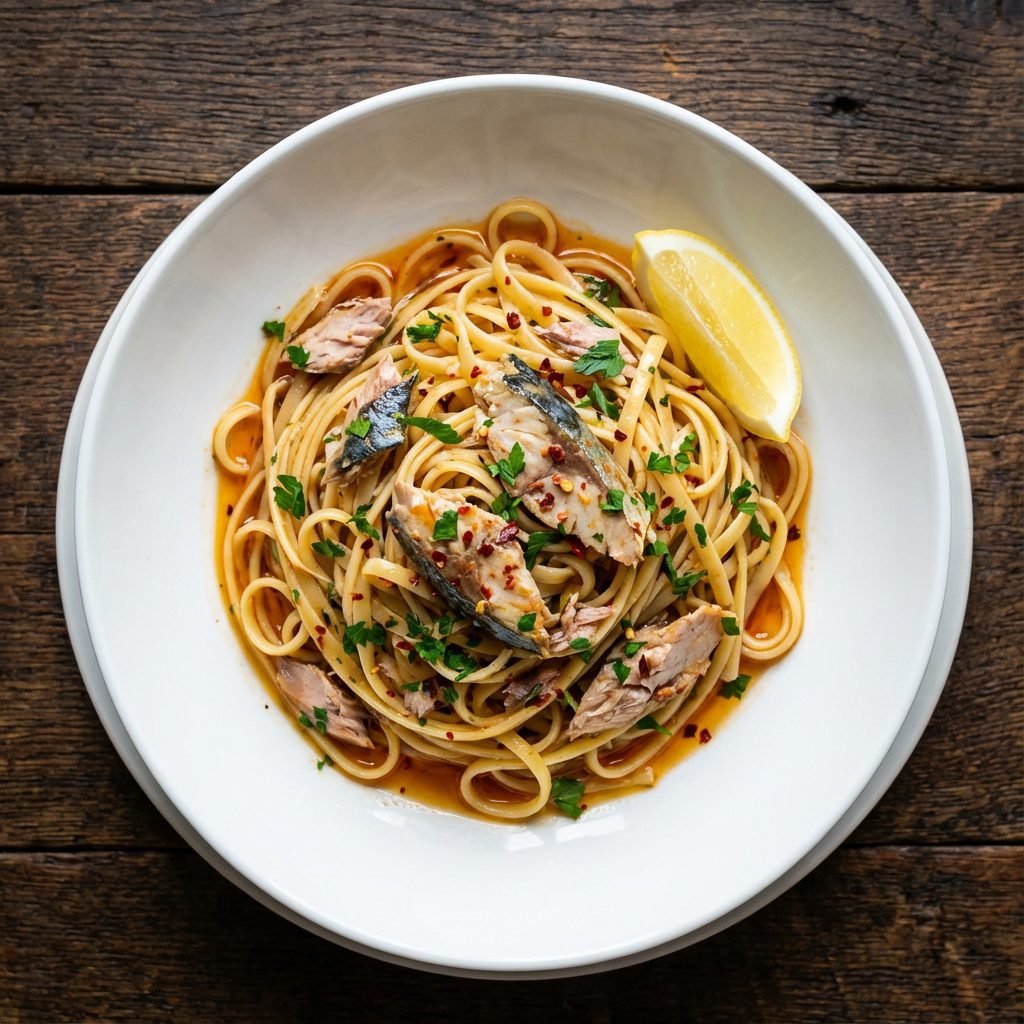
In the world of gastronomy, there’s a common misconception that luxury comes with a hefty price tag. We’re conditioned to believe that a truly memorable meal requires expensive cuts of meat, rare imported cheeses, or fresh-off-the-boat seafood. But what if I told you that one of the most satisfying, deeply flavorful, and elegant pasta dishes you can make costs less than a fancy cup of coffee? Enter the humble can of mackerel. This pantry superstar, often overlooked in favor of its more popular cousin, tuna, is the secret to a weeknight meal that feels utterly decadent. This $3 Spicy Canned Mackerel Pasta is a testament to the magic of culinary alchemy—transforming basic, budget-friendly ingredients into a dish that sings with bold, complex flavors. It’s a fiery, savory, and bright meal that comes together in under 20 minutes, proving that you don’t need a trust fund to eat like royalty. Prepare to be amazed by how pantry staples can conspire to create something so profoundly delicious.
5 minutes
15 minutes
20 minutes
2 servings
Main Course
Sautéing, Boiling
Italian-inspired
Pescatarian
Why You’ll Love This Recipe
- Incredibly budget-friendly, costing around $3 per serving.
- Ready from start to finish in under 20 minutes.
- Packed with heart-healthy Omega-3 fatty acids, protein, and Vitamin D.
- A perfect balance of spicy, savory, and zesty flavors.
- Utilizes common pantry staples for a convenient weeknight dinner.
Equipment You’ll Need
- Large pot or Dutch oven (for cooking pasta)
- Large skillet or frying pan
- Colander
- Chef’s knife
- Cutting board
- Measuring cups and spoons
- Tongs
Ingredients
- 6 oz (170g) spaghetti, linguine, or other long pasta
- 1 (4-5 oz) can of mackerel in olive oil, do not drain
- 2 tablespoons extra virgin olive oil
- 4 cloves garlic, thinly sliced
- 1/2 teaspoon red pepper flakes (or more, to taste)
- 1/4 cup dry white wine or chicken broth (optional, for deglazing)
- 1/2 cup fresh parsley, finely chopped
- 1 lemon, for zest and juice
- Kosher salt, to taste
- Freshly ground black pepper, to taste
Instructions
- Bring a large pot of heavily salted water to a rolling boil. Add the pasta and cook according to package directions until al dente.
- While the pasta is cooking, prepare the sauce. Heat the 2 tablespoons of extra virgin olive oil in a large skillet over medium heat. Add the sliced garlic and red pepper flakes. Cook, stirring frequently, for about 1-2 minutes until the garlic is fragrant and lightly golden. Be careful not to burn it.
- Carefully open the can of mackerel and pour the entire contents, including the oil, into the skillet with the garlic. Use a wooden spoon or spatula to gently break the mackerel into bite-sized flakes.
- Cook for 2-3 minutes, allowing the mackerel to warm through and infuse with the garlic and chili oil. If using, pour in the white wine or broth to deglaze the pan, scraping up any browned bits from the bottom. Let it simmer for a minute to reduce slightly.
- Just before the pasta is done, use a heatproof measuring cup to reserve about 1 cup of the starchy pasta water. Drain the pasta in a colander.
- Transfer the cooked pasta directly into the skillet with the mackerel sauce. Add about 1/2 cup of the reserved pasta water to the skillet.
- Using tongs, toss the pasta vigorously with the sauce. The starchy water will emulsify with the oil, creating a light, creamy sauce that clings to every strand of pasta. Continue tossing for 1-2 minutes until the sauce has thickened slightly. Add more pasta water, a tablespoon at a time, if it seems too dry.
- Remove the skillet from the heat. Add the chopped parsley, the zest of one lemon, and a generous squeeze of lemon juice (about 1-2 tablespoons). Season with salt and freshly ground black pepper to taste.
- Toss everything together one last time. Serve immediately, garnished with a little extra fresh parsley and a final drizzle of good quality olive oil if desired.
Expert Cooking Tips
- Don’t Fear the Fish Oil: The oil in the canned mackerel is liquid gold. It’s packed with flavor and omega-3s. Do not drain it! It forms the foundational base of your sauce.
- The Magic of Pasta Water: Reserving starchy pasta water is a non-negotiable step in Italian cooking. The starches in the water help the oil and water emulsify, creating a silky, restaurant-quality sauce that perfectly coats the pasta instead of pooling at the bottom of the bowl.
- Toast, Don’t Burn: Keep a close eye on your garlic as it sautés. You want it to become fragrant and pale golden. If it burns, it will turn bitter and ruin the entire sauce. If you see it browning too quickly, lower the heat immediately.
- Finish Fresh: The final additions of fresh parsley, lemon zest, and lemon juice are crucial. They cut through the richness of the oily fish, lifting the entire dish and adding a vibrant, fresh finish. Don’t add them while the pan is on high heat, as it can diminish their bright flavors.
Substitutions and Variations
For the mackerel, high-quality canned sardines in olive oil are an excellent substitute. Canned tuna in olive oil will also work, though it has a milder flavor. For a gluten-free version, simply use your favorite gluten-free spaghetti or pasta. If you don’t have fresh parsley, a tablespoon of fresh dill or chives can provide a different but equally delicious fresh note. For a non-spicy version, omit the red pepper flakes entirely.
Common Mistakes to Avoid
The most common mistake is discarding the oil from the mackerel can, which is a key flavor component. Another frequent error is forgetting to reserve pasta water, resulting in a dry, oily pasta rather than a cohesive sauce. Overcooking the pasta is also a pitfall; always cook it to al dente, as it will continue to cook for a minute or two in the skillet with the sauce. Finally, under-seasoning can leave the dish tasting flat. Be sure to salt your pasta water generously and taste the final dish, adjusting salt, pepper, and lemon juice as needed.
Serving Suggestions
Serve this pasta hot, straight from the skillet, in warmed bowls. A final drizzle of a high-quality, peppery extra virgin olive oil and an extra sprinkle of fresh parsley on top will elevate the presentation and flavor. This dish is robust enough to stand on its own, but it pairs beautifully with a simple arugula salad dressed with a lemon vinaigrette to complement the flavors in the pasta. A slice of crusty bread, like a ciabatta or baguette, is perfect for mopping up any remaining delicious sauce.
Storage and Reheating Tips
This pasta is best enjoyed fresh. However, if you have leftovers, they can be stored in an airtight container in the refrigerator for up to 2 days. To reheat, it’s best to use a skillet over low-medium heat. Add a splash of water, broth, or a squeeze of lemon juice to help loosen the sauce and bring it back to life. Avoid reheating in the microwave, as it can make the fish tough and the pasta mushy.
Nutrition Facts (Estimated)
| Serving Size | 1 serving (approx. 350g) |
| Calories | 620 kcal |
| Fat | 28g |
| Saturated Fat | 5g |
| Unsaturated Fat | 21g |
| Trans Fat | 0g |
| Cholesterol | 80mg |
| Sodium | 750mg |
| Carbohydrates | 65g |
| Fiber | 7g |
| Sugar | 4g |
| Protein | 30g |
Frequently Asked Questions
I’m worried this will taste too ‘fishy’. How can I prevent that?
This is a common concern! The key is balance. The garlic, spicy red pepper flakes, and especially the acidic lemon juice are specifically included to cut through the richness of the mackerel, balancing its strong flavor. Using high-quality canned mackerel also makes a significant difference. The result is a savory, briny flavor that is complex and delicious, not overwhelmingly fishy.
Is canned mackerel a healthy choice?
Absolutely. Canned mackerel is one of the most nutritious foods you can eat. It’s an exceptional source of omega-3 fatty acids (EPA and DHA), which are vital for brain and heart health. It’s also packed with high-quality protein, Vitamin D, and selenium. It’s a fantastic and affordable way to incorporate more healthy fish into your diet.
Can I use mackerel canned in water or tomato sauce instead of oil?
For this specific recipe, mackerel in olive oil is highly recommended. The flavored oil from the can is a crucial ingredient that helps create the sauce base. Mackerel in water would require you to add significantly more olive oil and you’d lose some of the infused flavor. Mackerel in tomato sauce would change the dish entirely into a tomato-based pasta, which is also delicious, but not the light, oil-based sauce this recipe aims for.
Conclusion
This Spicy Canned Mackerel Pasta is a powerful reminder that culinary excellence isn’t about extravagance; it’s about intelligence and technique. It’s about knowing how to coax bold, beautiful flavors from the most humble of ingredients. For just a few dollars and 20 minutes of your time, you can create a meal that is deeply satisfying, incredibly nutritious, and tastes like something you’d be served at a charming seaside bistro. So, the next time you walk past that unassuming can of mackerel in the grocery aisle, don’t overlook it. Grab it, and unlock a world of affordable luxury in your own kitchen.