The ‘White Carbonara’: 4 Ingredients, No Cream, Pure Luxury
The ‘White Carbonara’: 4 Ingredients, No Cream, Pure Luxury
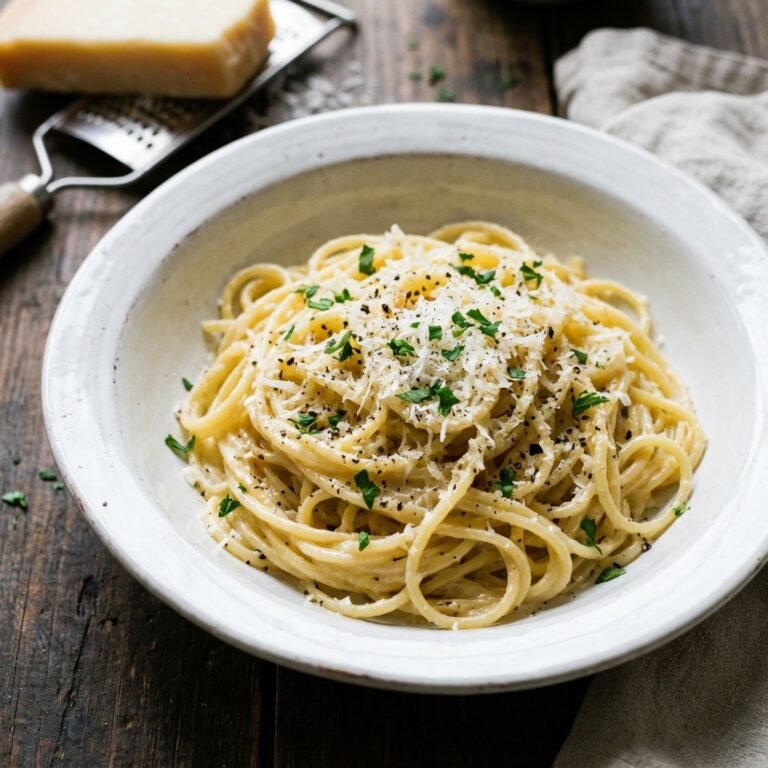
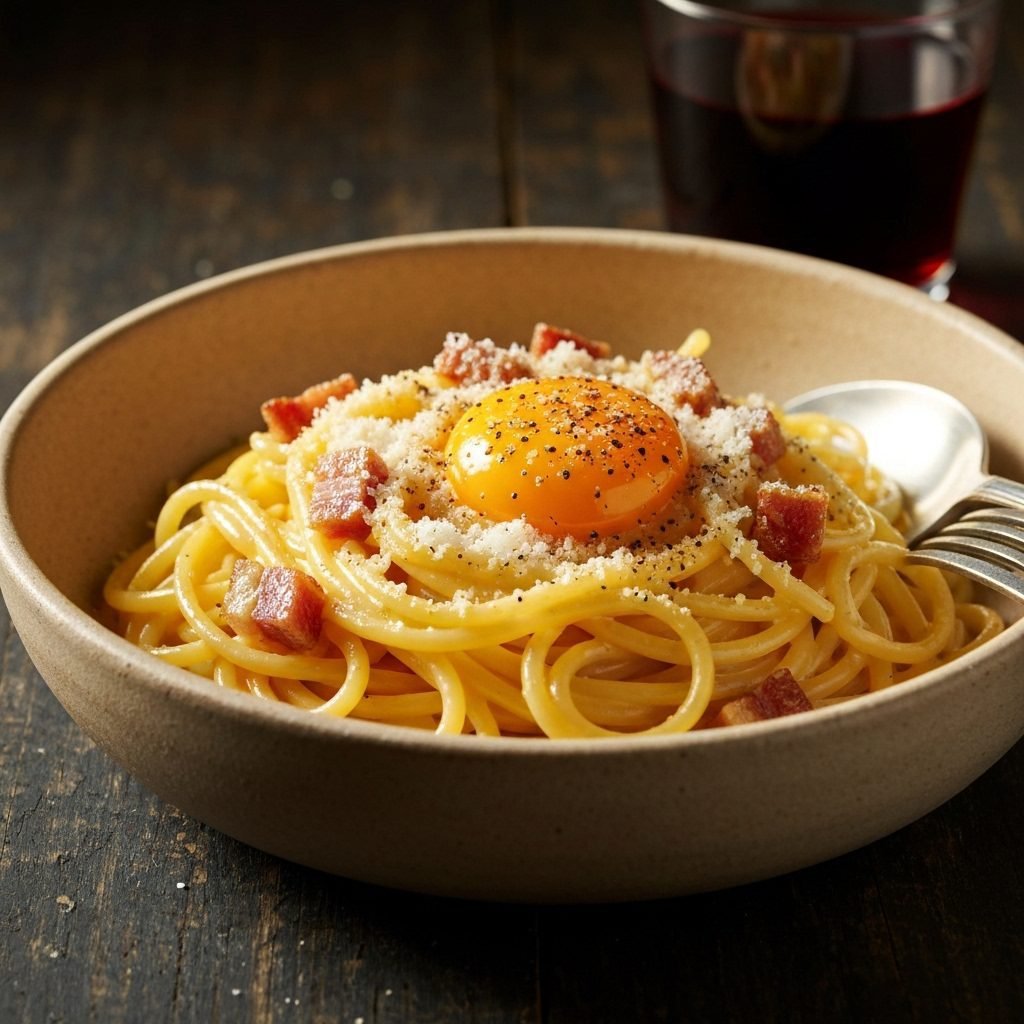
Step into any authentic Roman trattoria, and you’ll discover a closely guarded secret: true Carbonara contains no cream. None. The luxurious, silky sauce that clings to every strand of pasta is a masterpiece of culinary alchemy, born from just four key ingredients: cured pork, eggs, hard cheese, and black pepper. We call this the ‘White Carbonara’—not because of its color, but to distinguish it from the cream-laden imitations found worldwide. This recipe is a tribute to that tradition. It’s a dish that proves simplicity can be the ultimate form of sophistication. Prepare to unlearn everything you thought you knew about Carbonara and create a dish so profoundly satisfying, it will transport you straight to the heart of Italy.
10 minutes
10-12 minutes
22 minutes
Serves 2 generously
Main Course
Stovetop
Italian (Roman)
N/A
Why You’ll Love This Recipe
- Authentic Roman recipe with no cream
- Uses just four primary, high-quality ingredients
- Achieves a silky, rich sauce through proper technique
- Ready from start to finish in under 20 minutes
- A lesson in Italian culinary philosophy: less is more
Equipment You’ll Need
- Large pot for boiling pasta
- Large skillet or sauté pan
- Whisk
- Tongs
- Cheese grater (microplane or fine grater recommended)
- Small bowl
- Colander or spider strainer
Ingredients
- 200g (7 oz) high-quality spaghetti or rigatoni
- 100g (3.5 oz) guanciale (cured pork jowl), skin removed
- 2 large, very fresh egg yolks
- 1 large, very fresh whole egg
- 50g (1/2 cup) Pecorino Romano cheese, finely grated, plus more for serving
- Abundant freshly cracked black pepper
- Coarse salt for pasta water
Instructions
- Prep the Ingredients: Cut the guanciale into small cubes or strips (about 1/4 inch thick). In a small bowl, whisk together the 2 egg yolks and 1 whole egg until just combined. Add the grated Pecorino Romano and a very generous amount of freshly cracked black pepper to the eggs. Whisk until it forms a thick, paste-like consistency. Set aside.
- Render the Guanciale: Place the guanciale in a cold, large skillet. Turn the heat to medium-low. Allow the fat to render out slowly, stirring occasionally, until the pieces are golden brown and crispy. This should take about 8-10 minutes. Once crispy, turn off the heat. Do not drain the rendered fat; this is liquid gold and the flavor base of your sauce.
- Cook the Pasta: While the guanciale is rendering, bring a large pot of water to a rolling boil. Add a generous amount of coarse salt. Add the spaghetti and cook according to package directions until al dente (firm to the bite).
- The Emulsion (The Critical Step): Just before the pasta is done, scoop out and reserve at least 1 cup of the starchy pasta water. Drain the pasta. Immediately transfer the hot pasta to the skillet with the guanciale and its rendered fat. Toss vigorously with tongs to coat every strand. The pan should be OFF the heat at this point to avoid scrambling the eggs.
- Create the Sauce: Working quickly, pour the egg and cheese mixture over the hot pasta. Immediately begin tossing the pasta vigorously. The residual heat from the pasta and the pan will cook the eggs gently. Add a splash (about 1/4 cup) of the reserved hot pasta water and continue to toss. The starch in the water will emulsify with the egg, cheese, and fat, creating a glossy, creamy, non-scrambled sauce that coats the pasta beautifully. If the sauce seems too thick, add another small splash of pasta water until you reach the desired consistency.
- Serve Immediately: Divide the Carbonara between two warm bowls. Garnish with another sprinkle of Pecorino Romano and another generous cracking of black pepper. Serve immediately, as the sauce is at its peak when hot and fresh.
Expert Cooking Tips
- Use the Best Ingredients: With so few ingredients, their quality is paramount. Use real guanciale and Pecorino Romano for the most authentic flavor. Fresh, high-quality eggs are a must.
- Pasta Water is Key: The starchy, salty pasta water is not just for thinning the sauce; it’s the emulsifying agent that brings everything together. Don’t forget to reserve it!
- Temperature Control is Everything: The single biggest mistake is scrambling the eggs. Ensure the pan is off the heat when you add the egg mixture. The residual heat is all you need.
- Grate Your Own Cheese: Pre-grated cheese contains anti-caking agents that prevent it from melting smoothly into a sauce. Always grate your cheese fresh from a block.
Substitutions and Variations
While guanciale is the traditional and most flavorful choice due to its unique fat composition, high-quality, thick-cut pancetta can be used as a substitute. If you must use bacon, choose an unsmoked, thick-cut variety. For the cheese, Pecorino Romano offers the classic sharp, salty bite, but you can use a 50/50 blend with Parmigiano-Reggiano for a slightly milder, nuttier flavor.
Common Mistakes to Avoid
The most common mistake is adding cream, which is not authentic. The second is scrambling the eggs by having the pan over direct heat when adding the egg mixture. Another frequent error is not reserving or using the starchy pasta water, which results in a dry or broken sauce. Finally, under-seasoning with black pepper is a missed opportunity; the ‘carbonara’ name is thought to be derived from ‘carbone’ (charcoal), referencing the generous amount of black pepper resembling coal dust.
Serving Suggestions
Serve immediately in pre-warmed pasta bowls to keep the sauce from cooling and congealing. Carbonara is a rich, complete meal on its own. A simple side of a lightly dressed green salad or some sautéed bitter greens like chicory can provide a refreshing contrast to the richness of the pasta. A crisp Italian white wine like a Frascati or a light-bodied red like a Chianti pairs beautifully.
Storage and Reheating Tips
Carbonara is unequivocally best eaten the moment it is made. Storing and reheating can compromise the delicate texture of the sauce, often causing it to break or become oily. If you must store leftovers, place them in an airtight container in the refrigerator for up to one day. To reheat, do so very gently in a pan over low heat with a splash of water, stirring constantly to try and maintain the emulsion.
Nutrition Facts (Estimated)
| Serving Size | 1 serving |
| Calories | 710 kcal |
| Fat | 40g |
| Saturated Fat | 16g |
| Unsaturated Fat | 24g |
| Trans Fat | 0g |
| Cholesterol | 300mg |
| Sodium | 950mg |
| Carbohydrates | 58g |
| Fiber | 3g |
| Sugar | 2g |
| Protein | 32g |
Frequently Asked Questions
Is it safe to use raw eggs in Carbonara?
The eggs are not truly raw. The residual heat from the freshly cooked pasta and the hot pan gently cooks the eggs, bringing them to a safe temperature while creating the creamy sauce. Using very fresh, high-quality eggs minimizes any risk.
Why did my sauce turn out lumpy and scrambled?
This happens when the eggs are exposed to too much heat. You must take the pan completely off the stove before adding the egg and cheese mixture. The heat retained by the pan and the pasta is sufficient to cook the sauce perfectly without scrambling it.
Can I make this recipe for more than two people?
Absolutely. You can double or triple the ingredients. However, be sure to use a large enough pan to toss the pasta freely. When making larger batches, you may need to work even faster to ensure the pasta stays hot enough to cook the egg sauce evenly.
Conclusion
You have now mastered the art of the true Roman Carbonara. This isn’t just a recipe; it’s a technique and a philosophy. By understanding the role of each ingredient and the importance of temperature, you’ve created a dish that is elegant, deeply flavorful, and honest. Say goodbye to heavy, cream-based sauces forever and embrace the pure luxury of this ‘White Carbonara’. Buon appetito!