The Lucky New Year’s Meal That Costs Almost Nothing
The Lucky New Year’S Meal That Costs Almost Nothing
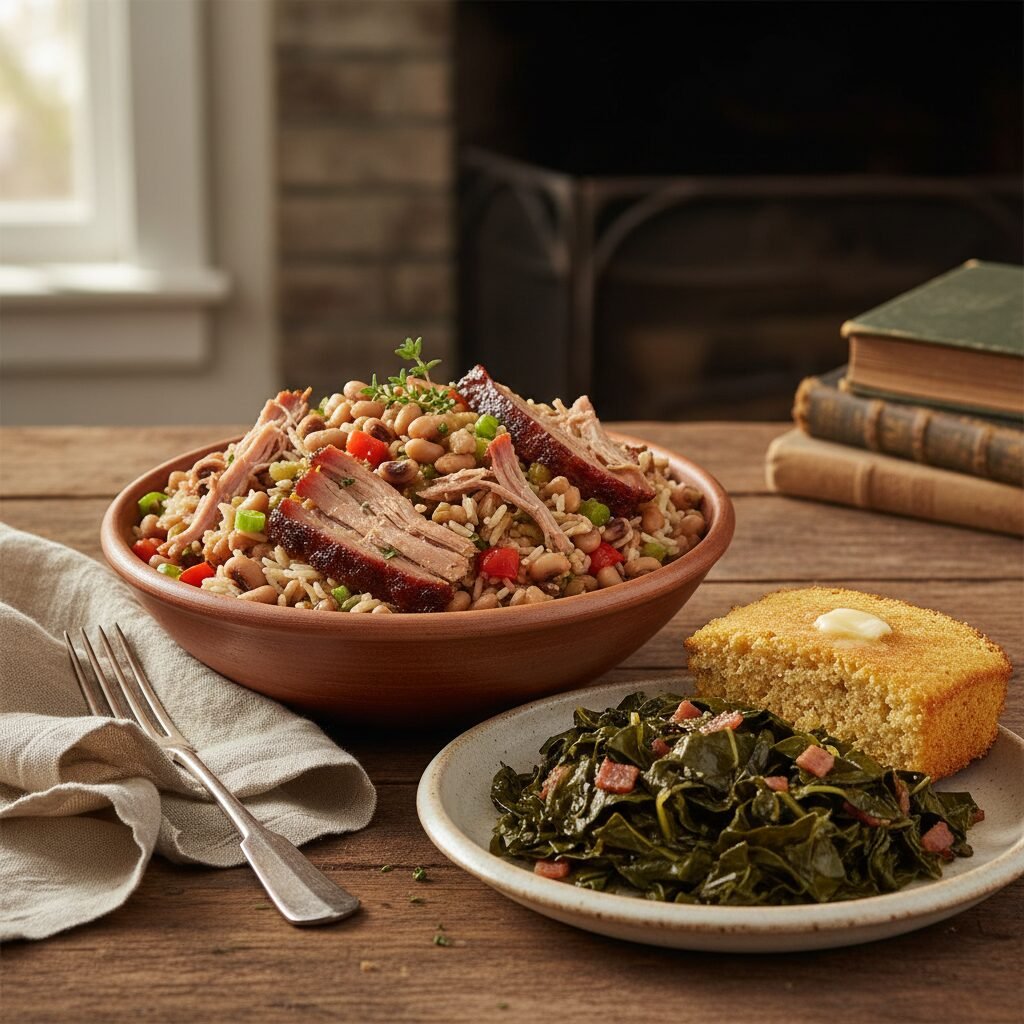
As the calendar turns, cultures around the world embrace traditions meant to usher in a year of prosperity, health, and happiness. In the American South, this tradition often takes the form of a humble yet profoundly delicious meal served on New Year’s Day. This meal, a soul-warming combination of black-eyed peas, greens, and cornbread, is more than just sustenance; it’s a symbolic feast, with each component representing a wish for the future. The black-eyed peas, with their coin-like appearance, symbolize wealth and prosperity. The vibrant greens—be they collard, mustard, or turnip—represent paper money, promising financial fortune. And the golden cornbread stands for gold, completing the trifecta of wealth. What makes this tradition even more beautiful is its accessibility. This is not a meal of expensive cuts of meat or rare ingredients. It is a testament to making something extraordinary from simple, inexpensive staples. It’s a meal that proves that the richest traditions—and flavors—often come from the humblest of origins. This recipe honors that spirit, providing a complete guide to creating a New Year’s feast that is as kind to your wallet as it is rich in flavor and meaning. Prepare to welcome the new year with a meal that nourishes the body, comforts the soul, and hopefully, brings a little extra luck to your table.
25 minutes (plus overnight soaking for peas)
1 hour 30 minutes
1 hour 55 minutes
6-8 servings
Main Course
Simmering, Sautéing, Baking
American (Southern)
Adaptable
Why You’ll Love This Recipe
- Incredibly Budget-Friendly: Crafted from inexpensive pantry staples and produce.
- Rich in Tradition: Embraces the symbolic foods of New Year’s for luck and prosperity.
- Deeply Flavorful: A savory, smoky, and satisfying one-pot meal.
- Complete Meal: Features a protein-packed main, a nutritious side of greens, and classic cornbread.
- Highly Adaptable: Easily made vegetarian or vegan with simple substitutions.
Equipment You’ll Need
- Large Dutch oven or heavy-bottomed pot
- Large skillet
- 8×8 inch baking pan or 10-inch cast-iron skillet
- Mixing bowls
- Chef’s knife
- Cutting board
- Measuring cups and spoons
- Whisk
- Wooden spoon or spatula
Ingredients
- For the Hoppin’ John (Black-Eyed Peas and Rice):
- 1 lb dried black-eyed peas, picked over and rinsed
- 1 large smoked turkey wing or ham hock (about 1 lb)
- 1 tablespoon olive oil or bacon drippings
- 1 large yellow onion, diced
- 1 green bell pepper, diced
- 2 celery stalks, diced
- 4 cloves garlic, minced
- 6 cups low-sodium chicken or vegetable broth
- 2 cups water
- 1 bay leaf
- 1 teaspoon dried thyme
- 1 teaspoon Cajun seasoning (or to taste)
- 1/2 teaspoon black pepper
- 1.5 cups long-grain white rice, rinsed
- For the Simple Sautéed Greens:
- 2 lbs collard greens (or kale), tough stems removed and leaves chopped
- 2 tablespoons olive oil
- 4 cloves garlic, thinly sliced
- 1/2 cup low-sodium chicken or vegetable broth
- 1/4 teaspoon red pepper flakes (optional)
- 1 tablespoon apple cider vinegar
- Salt and black pepper to taste
- For the Classic Cornbread:
- 1.5 cups yellow cornmeal
- 1 cup all-purpose flour
- 1/4 cup granulated sugar (optional, for a sweeter cornbread)
- 1 tablespoon baking powder
- 1/2 teaspoon salt
- 1 large egg, beaten
- 1.5 cups buttermilk (or whole milk)
- 1/4 cup unsalted butter, melted
Instructions
- Step 1: Prepare the Black-Eyed Peas (Night Before)
- Place the dried black-eyed peas in a large bowl and cover with cold water by at least 3 inches. Let them soak overnight at room temperature. The next day, drain and rinse the peas thoroughly.
- Step 2: Start the Hoppin’ John
- In a large Dutch oven or heavy-bottomed pot, heat the olive oil or bacon drippings over medium-high heat. Add the diced onion, bell pepper, and celery (the ‘holy trinity’). Sauté for 5-7 minutes, until softened and fragrant. Add the minced garlic and cook for another minute until aromatic.
- Step 3: Simmer the Peas
- Add the soaked and drained black-eyed peas to the pot, along with the smoked turkey wing or ham hock. Pour in the broth and water. Add the bay leaf, dried thyme, Cajun seasoning, and black pepper. Stir to combine. Bring the mixture to a boil, then reduce the heat to low, cover, and let it simmer for 60-75 minutes, or until the peas are tender but not mushy. The cooking time will vary depending on the age of your peas.
- Step 4: Prepare the Cornbread
- While the peas simmer, preheat your oven to 400°F (200°C). Grease an 8×8 inch baking pan or a 10-inch cast-iron skillet. In a large bowl, whisk together the cornmeal, flour, sugar (if using), baking powder, and salt. In a separate medium bowl, whisk together the beaten egg, buttermilk, and melted butter. Pour the wet ingredients into the dry ingredients and stir until just combined. Do not overmix; a few lumps are okay. Pour the batter into the prepared pan.
- Step 5: Bake the Cornbread
- Bake for 20-25 minutes, or until the top is golden brown and a toothpick inserted into the center comes out clean. Let it cool slightly before slicing.
- Step 6: Cook the Greens
- While the cornbread bakes, prepare the greens. In a large skillet with a lid, heat the 2 tablespoons of olive oil over medium heat. Add the sliced garlic and red pepper flakes (if using) and cook for 30-60 seconds until fragrant, being careful not to burn the garlic. Add the chopped collard greens to the skillet in batches, allowing them to wilt down. Pour in the 1/2 cup of broth, bring to a simmer, then cover and reduce the heat to low. Cook for 15-20 minutes, or until the greens are tender to your liking. Remove from heat, stir in the apple cider vinegar, and season with salt and pepper to taste.
- Step 7: Finish the Hoppin’ John
- Once the peas are tender, remove the smoked turkey wing/ham hock and the bay leaf from the pot. If desired, shred the meat from the bone and return it to the pot. Taste the pea mixture and adjust seasonings as needed. Stir in the rinsed long-grain white rice. Ensure there is enough liquid to cook the rice (it should cover the rice by about an inch; add a little more water or broth if necessary). Bring back to a simmer, then cover the pot, reduce the heat to the lowest setting, and cook for 18-20 minutes, or until the rice has absorbed all the liquid.
- Step 8: Rest and Serve
- Remove the Hoppin’ John from the heat and let it stand, covered, for 10 minutes. This allows the rice to steam and become fluffy. After resting, fluff the rice and peas with a fork. Serve hot, alongside a generous portion of the sautéed greens and a warm slice of cornbread.
Expert Cooking Tips
- Don’t Skip the Soak: Soaking the peas overnight not only drastically reduces cooking time but also makes them easier to digest.
- Build Your Flavor Base: The initial sauté of the onion, bell pepper, and celery is crucial. Don’t rush this step; let them soften and sweeten to create a deep flavor foundation.
- Control the Salt: Smoked meats and broths can be very salty. Use low-sodium broth and wait to add extra salt until the end, after you’ve tasted the final dish.
- Balance Your Greens: A splash of apple cider vinegar at the end of cooking the greens is not just for flavor; the acidity brightens the dish and cuts through any potential bitterness in the greens.
- Respect the Rice: Once you add the rice, resist the urge to stir. Stirring releases starches and can make the final dish gummy. Let it simmer and then steam undisturbed for the best texture.
Substitutions and Variations
For a vegetarian/vegan version, omit the smoked meat and use vegetable broth. To replicate the smoky flavor, add 1-2 teaspoons of smoked paprika along with the other seasonings. Use olive oil instead of bacon drippings. For the cornbread, you can use a flax egg (1 tbsp ground flaxseed + 3 tbsp water) and a plant-based buttermilk (plant milk + 1 tbsp vinegar). For a quicker meal, you can use two 15-ounce cans of black-eyed peas (rinsed and drained), reducing the initial simmering time to about 20 minutes before adding the rice.
Common Mistakes to Avoid
A common mistake is overcooking the peas, resulting in a mushy texture. Cook them until they are just tender before adding the rice. Another pitfall is under-seasoning; this is a simple dish, so it relies on a good flavor base from the aromatics, smoked meat, and seasonings. Be sure to taste and adjust before serving. With the greens, don’t cook them on too high of a heat, as this can make them tough; a gentle simmer is best. Finally, avoid adding the rice until the peas are fully cooked, as they won’t soften much further once the rice is in the pot.
Serving Suggestions
Serve the Hoppin’ John in a warm bowl, with the sautéed greens piled high on the side. Accompany with a generous wedge of warm, buttered cornbread. For a traditional touch, offer hot pepper vinegar or your favorite bottled hot sauce at the table for guests to add as they please. Some families also serve it with a side of sliced tomatoes or a simple relish to add a fresh, acidic counterpoint.
Storage and Reheating Tips
Store leftover Hoppin’ John, greens, and cornbread separately in airtight containers in the refrigerator for up to 4 days. The flavors of the Hoppin’ John and greens will continue to meld and often taste even better the next day. All components freeze well. Store in freezer-safe containers for up to 3 months. Thaw overnight in the refrigerator and reheat gently on the stovetop or in the microwave.
Nutrition Facts (Estimated)
| Serving Size | 1 serving (approx. 1.5 cups Hoppin’ John, 1 cup greens, 1 slice cornbread) |
| Calories | 485 kcal |
| Fat | 14 g |
| Saturated Fat | 4 g |
| Unsaturated Fat | 9 g |
| Trans Fat | 0 g |
| Cholesterol | 30 mg |
| Sodium | 750 mg |
| Carbohydrates | 68 g |
| Fiber | 15 g |
| Sugar | 8 g |
| Protein | 22 g |
Frequently Asked Questions
What is the tradition of putting a coin in the Hoppin’ John?
It’s a fun tradition where a clean dime or penny is stirred into the pot before serving. The person who finds the coin in their serving is said to receive extra luck and prosperity in the coming year. If you try this, please be sure to warn your guests so no one accidentally swallows it!
Can I use a different type of pea or bean?
While black-eyed peas are traditional for New Year’s, you could substitute field peas or crowder peas for a similar flavor and texture. Other beans like pinto or kidney beans would change the dish into something else entirely, but would still be delicious.
My greens are still bitter. What did I do wrong?
Bitterness in collard greens can be due to the age of the greens or undercooking. Ensure they are simmered until fully tender. The key to balancing any remaining bitterness is acid. Try adding another splash of apple cider vinegar or a squeeze of fresh lemon juice at the end of cooking.
Conclusion
There is a profound beauty in a meal that carries so much history, hope, and flavor while asking for so little in return. This Lucky New Year’s Meal is a celebration of resilience, a culinary prayer for prosperity, and a delicious link to a rich cultural tradition. Whether you are a longtime observer of this custom or are trying it for the first time, we hope this meal brings warmth to your home and a heaping portion of good fortune to your new year. From our kitchen to yours, may your year be filled with health, happiness, and abundance.