The 2-Ingredient Chickpea Flatbread That Replaces Pizza Crust
The 2-Ingredient Chickpea Flatbread That Replaces Pizza Crust
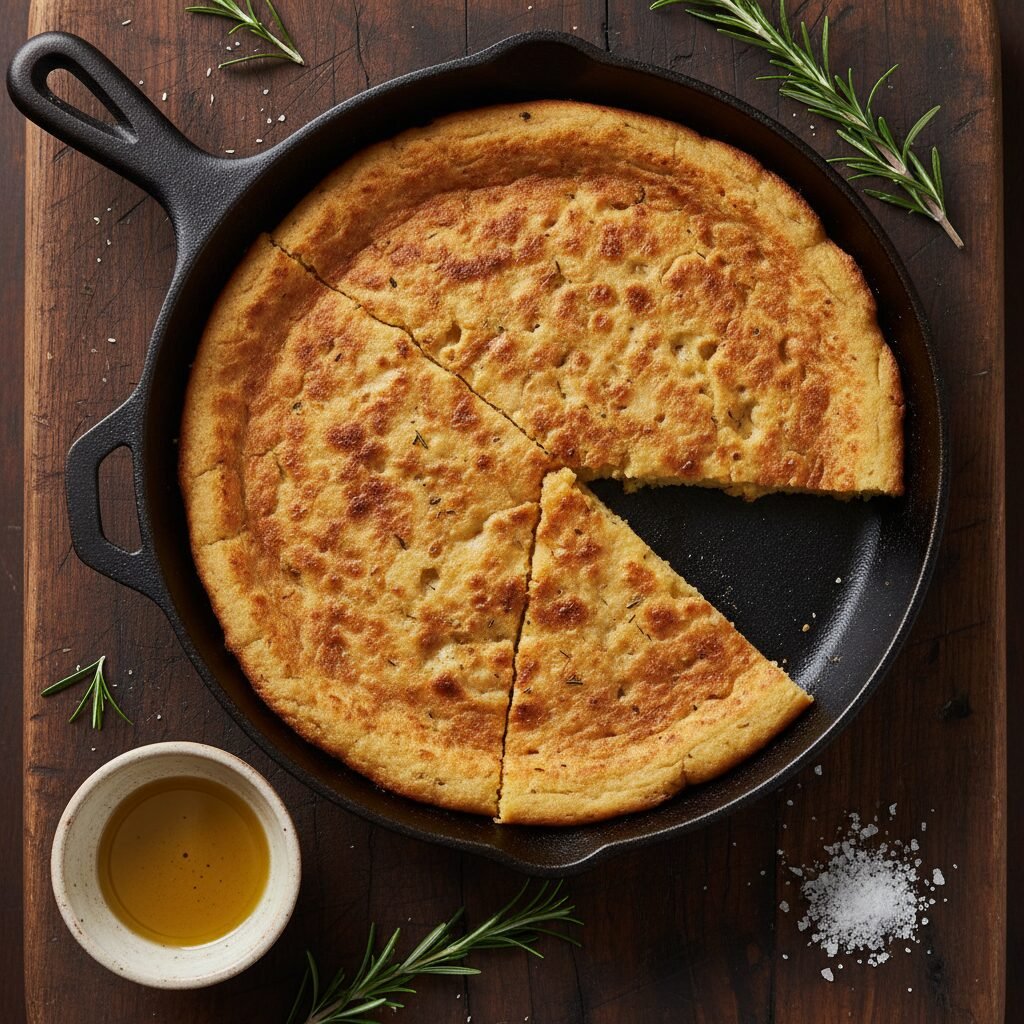
Imagine a pizza crust that requires just two essential ingredients, is naturally gluten-free, packed with protein, and comes together in under 30 minutes. It sounds too good to be true, but it’s a reality with this revolutionary chickpea flatbread. Known as socca in France and farinata in Italy, this simple, rustic bread is made from just chickpea flour and water, yet it delivers a surprisingly complex, nutty flavor and a wonderfully satisfying texture. It’s crispy on the outside, tender and almost creamy on the inside, making it the perfect canvas for your favorite pizza toppings or a delicious standalone snack. This recipe strips away the complexity of traditional doughs, offering a wholesome, versatile, and incredibly easy alternative that will forever change your pizza nights.
5 minutes
20-25 minutes
25-30 minutes
1 (10-inch) flatbread, serving 2-4
Pizza Crust
Baking
Mediterranean
Gluten-Free, Vegan
Why You’ll Love This Recipe
- Made with only 2 core ingredients: chickpea flour and water.
- Naturally gluten-free, grain-free, vegan, and dairy-free.
- High in plant-based protein and dietary fiber.
- Extremely versatile: use as a pizza base, wrap, or side bread.
- Ready from start to finish in less than 30 minutes.
- No kneading or rising time required.
Equipment You’ll Need
- Large mixing bowl
- Whisk
- 10-inch cast-iron skillet (or other oven-safe skillet)
Ingredients
- 1 cup chickpea flour (also known as garbanzo bean flour or besan)
- 1 cup lukewarm water
- 1.5 tablespoons extra-virgin olive oil, divided
- 1/2 teaspoon fine sea salt
- 1/4 teaspoon freshly ground black pepper (optional)
- 1 teaspoon dried herbs like rosemary or oregano (optional)
Instructions
- Position an oven rack in the upper third of the oven and preheat to 450°F (230°C). Place a 10-inch cast-iron skillet in the oven to heat up while it preheats.
- In a large bowl, whisk together the chickpea flour, salt, pepper, and any optional dried herbs. Gradually pour in the lukewarm water while whisking continuously to prevent lumps. Whisk until the batter is completely smooth, similar to the consistency of heavy cream or pancake batter.
- Whisk in 1/2 tablespoon of the olive oil. For the best texture, cover the bowl and let the batter rest at room temperature for at least 15 minutes (or up to 2 hours) to allow the flour to fully hydrate. This step is optional but highly recommended for a more tender result.
- Carefully remove the hot skillet from the oven using oven mitts. Add the remaining 1 tablespoon of olive oil to the skillet and swirl to coat the bottom and sides evenly. The oil should shimmer immediately.
- Give the batter one final whisk and pour it into the center of the hot skillet. It should sizzle as it hits the pan. Tilt the skillet to spread the batter into an even layer.
- Return the skillet to the oven and bake for 15-20 minutes, or until the edges are golden brown and pulling away from the sides, and the center is set.
- For an extra-crispy, blistered top, turn on the broiler and broil for 2-4 minutes, watching it carefully to prevent burning. The top should be golden brown with a few darker spots.
- Carefully remove the skillet from the oven. Let the flatbread cool for a few minutes before sliding it out onto a cutting board. Slice into wedges and serve immediately.
Expert Cooking Tips
- Don’t skip preheating the skillet. A piping hot, oiled skillet is the secret to a crispy crust that doesn’t stick.
- Let the batter rest. This allows the chickpea flour to fully absorb the water, resulting in a smoother texture and better flavor. Even 15 minutes makes a difference.
- Adjust batter consistency if needed. The ideal batter is pourable, like crêpe batter. If it seems too thick, whisk in another tablespoon of water. If too thin, add a bit more flour.
- Use lukewarm water. It helps the flour dissolve more easily, preventing a lumpy batter.
Substitutions and Variations
The two core ingredients, chickpea flour and water, are essential and cannot be substituted. However, you have great flexibility with flavorings. Feel free to add 1/2 teaspoon of garlic powder, onion powder, or smoked paprika to the batter. Fresh, finely chopped herbs like rosemary, thyme, or chives can also be stirred in before baking for a more aromatic flatbread.
Common Mistakes to Avoid
The most common mistake is using a cold or insufficiently heated pan. This leads to a soggy, steamed flatbread that will stick stubbornly to the pan. Ensure your skillet is preheated in the oven until it’s scorching hot before adding the oil and batter. Another issue is an incorrect batter consistency; it should be thin and pourable, not thick like dough. Finally, don’t underbake it. The flatbread needs enough time to set completely and for the edges to get crispy.
Serving Suggestions
This flatbread is incredibly versatile. Use it as a pizza base by topping it with tomato sauce, cheese (or a vegan alternative), and your favorite toppings during the last 5-7 minutes of baking. Serve it warm, cut into wedges, alongside a bowl of hummus, baba ghanoush, or a yogurt-based dip. You can also use it as a gluten-free wrap for falafel, grilled vegetables, or chicken salad. For a simple and elegant appetizer, drizzle the warm flatbread with high-quality olive oil and a sprinkle of flaky sea salt and fresh rosemary.
Storage and Reheating Tips
Store any leftover flatbread in an airtight container at room temperature for up to 2 days or in the refrigerator for up to 4 days. To reheat and restore its crispiness, place it in a dry skillet over medium heat for a few minutes per side, or in a 350°F (175°C) oven for 5-8 minutes. The flatbread can also be frozen for up to 2 months; separate slices with parchment paper before freezing.
Nutrition Facts (Estimated)
| Serving Size | 1/4 of flatbread |
| Calories | 160 kcal |
| Fat | 6g |
| Saturated Fat | 0.8g |
| Unsaturated Fat | 5.2g |
| Trans Fat | 0g |
| Cholesterol | 0mg |
| Sodium | 290mg |
| Carbohydrates | 20g |
| Fiber | 5g |
| Sugar | 3g |
| Protein | 7g |
Frequently Asked Questions
My flatbread turned out gummy in the center. What went wrong?
A gummy texture is usually a sign of underbaking or a pan that wasn’t hot enough. Ensure your oven is fully preheated and that you preheat the skillet inside it. You may also need to bake it for a few minutes longer until the center is fully firm to the touch.
Can I make this without a cast-iron skillet?
Yes, while cast-iron yields the best crispy results, you can use any other oven-safe skillet or even a 9-inch round metal cake pan. The key is to preheat whatever you use in the oven just as you would with cast iron.
Is chickpea flour the same as chickpea powder or protein powder?
No, it is not. Chickpea flour (also called garbanzo bean flour, gram flour, or besan) is made from finely ground dried chickpeas. It is a whole food flour and behaves very differently from protein isolates or powders.
Conclusion
This 2-ingredient chickpea flatbread is more than just a recipe; it’s a culinary revelation. It proves that simple, wholesome ingredients can create something truly spectacular. Whether you’re seeking a healthier pizza night, a quick gluten-free bread, or a versatile addition to your cooking repertoire, this flatbread delivers on all fronts. Embrace its simplicity, experiment with flavors, and enjoy the delicious freedom of a bread that’s as nourishing as it is easy to make.