The $2 Hangover Cure: Refreshing Korean Bean Sprout Soup
The $2 Hangover Cure: Refreshing Korean Bean Sprout Soup
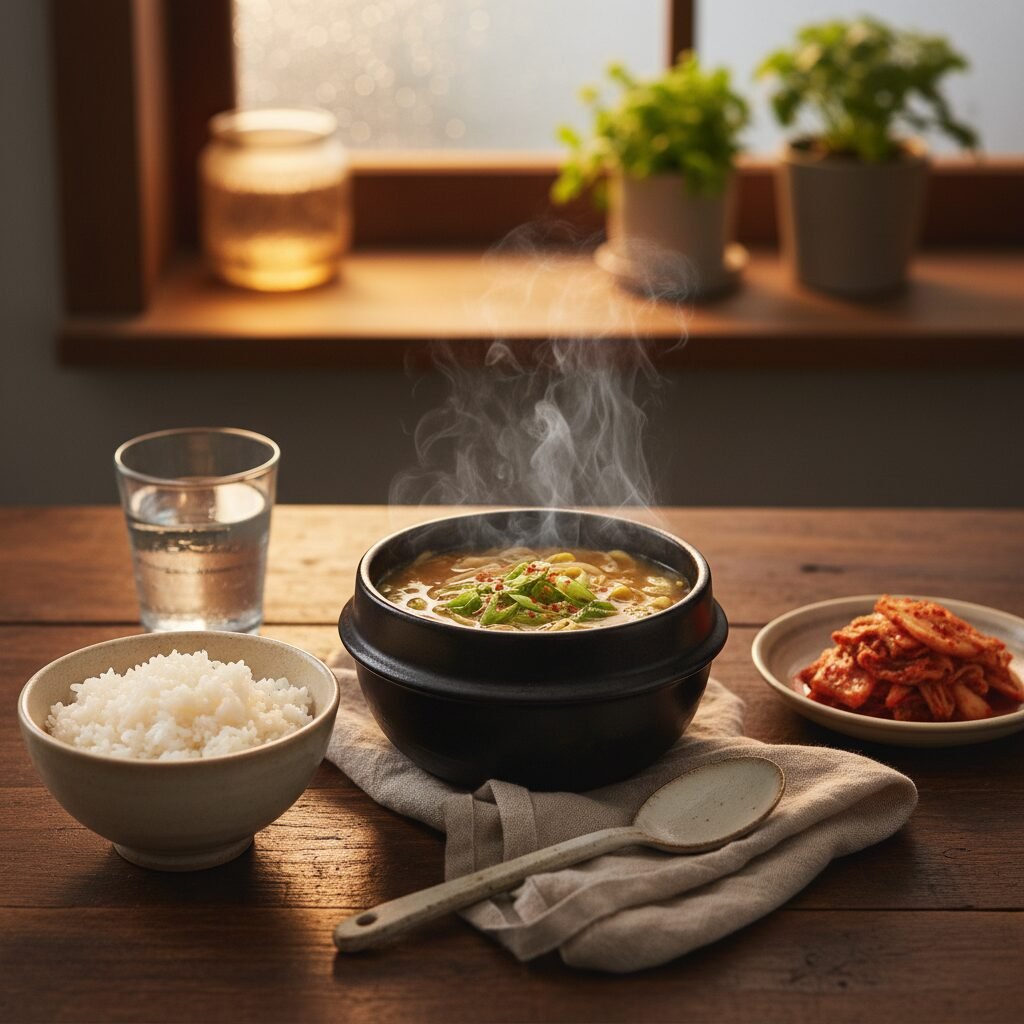
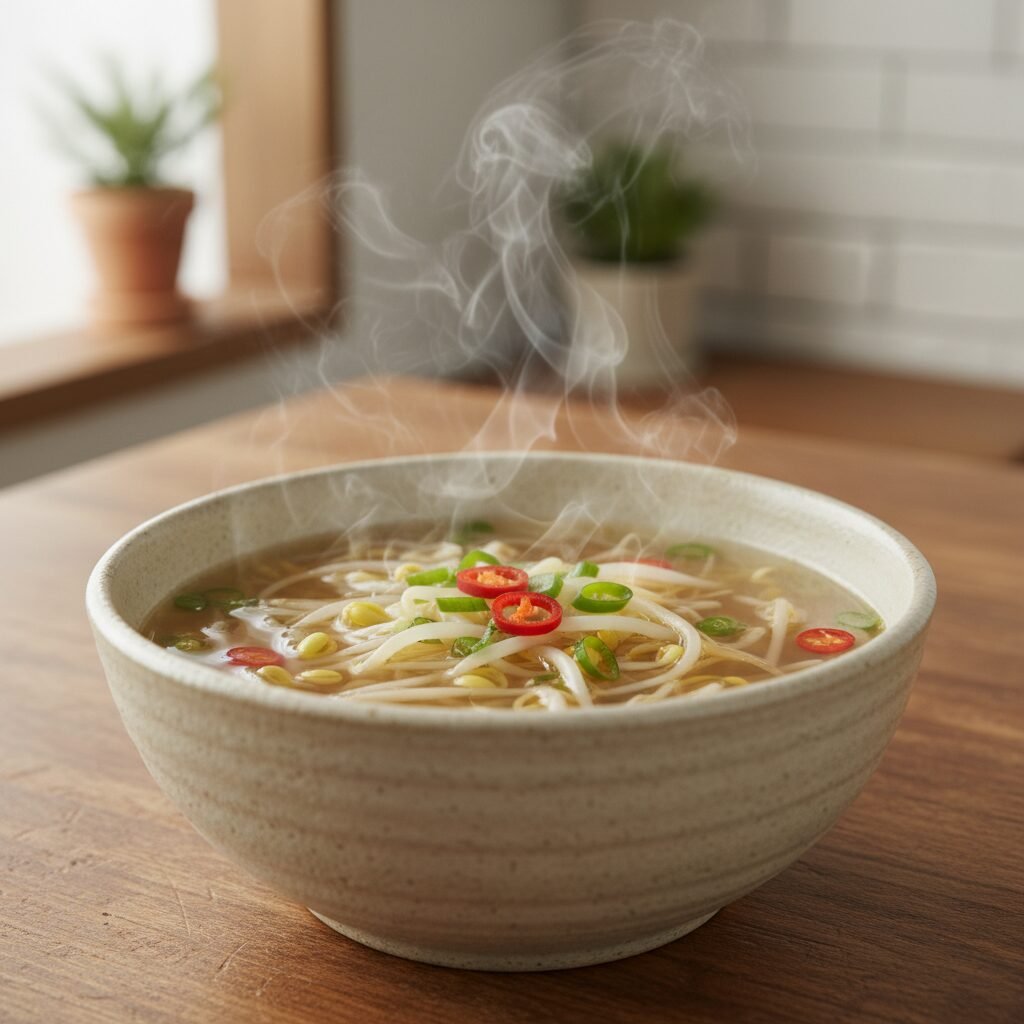
Feeling a little rough around the edges after a fun night out? This incredible Korean Bean Sprout Soup, or Kongnamul Guk, is your secret weapon! It’s super easy to make, incredibly budget-friendly at just $2 a serving, and oh-so-comforting. Get ready to feel refreshed and revitalized!
10 minutes
15 minutes
25 minutes
4 servings
Soup
Stovetop
Korean
Vegetarian, Gluten-Free (ensure soy sauce is GF)
Oh, sweet friends, we’ve all been there, haven’t we? That morning after a fabulous gathering, perhaps a few too many laughs (and maybe a glass or two extra of your favorite bubbly!), when you wake up feeling like a truck hit you. Your head is pounding, your stomach is a bit unsettled, and all you crave is something warm, comforting, and magically restorative. Well, let me tell you, I’ve found my ultimate secret weapon, and it’s a game-changer: The $2 Hangover Cure: Refreshing Korean Bean Sprout Soup!
This isn’t just any soup; it’s a hug in a bowl, a gentle reset button for your body, and honestly, a lifesaver for those mornings when you need a little extra TLC. What’s even better? It’s incredibly simple to whip up, uses humble ingredients you likely already have or can grab for next to nothing, and it truly works wonders. Forget those greasy breakfasts that just make things worse; this light, flavorful, and nutrient-packed soup is exactly what your body is craving. It’s a staple in Korean households for a reason, passed down through generations, and now I’m sharing its magic with you!
So, whether you’re a busy mom needing a quick pick-me-up, a college student on a budget, or just someone who appreciates a delicious and healing meal, this recipe is about to become your new best friend. Let’s dive into the wonderful world of Kongnamul Guk and discover how something so simple can be so profoundly effective!
History & Origins
The story of Kongnamul Guk (콩나물국), or Korean Bean Sprout Soup, is deeply woven into the fabric of Korean culinary tradition. It’s a dish that embodies simplicity, nourishment, and practicality, often served as a humble yet essential part of everyday meals. Its origins are rooted in the availability and affordability of bean sprouts, which have been cultivated in Korea for centuries.
Bean sprouts, specifically soybean sprouts (kongnamul), are not just a garnish; they are a foundational ingredient in Korean cuisine, prized for their crisp texture and mild, earthy flavor. Historically, during leaner times or in rural areas, bean sprouts were an accessible and inexpensive source of nutrients, making them a staple for families across all economic strata. Kongnamul Guk emerged as a way to utilize these versatile sprouts in a comforting and hydrating broth.
Beyond its everyday appeal, Kongnamul Guk gained particular renown as a traditional hangover remedy. Korean culture has a strong tradition of social drinking, and with that comes the need for effective morning-after cures. The soup’s ability to rehydrate, replenish electrolytes, and provide a gentle, easily digestible meal made it the perfect antidote. Grandmothers and mothers would lovingly prepare this soup for their family members, a testament to its trusted efficacy and the care embedded in Korean home cooking. It’s a dish that speaks of comfort, tradition, and the enduring wisdom of simple, natural ingredients.
Why This Recipe Works
You might be wondering, how can a simple bean sprout soup be such a powerful hangover cure? Well, my dears, it’s all thanks to some amazing science packed into those tiny, unassuming sprouts! The secret lies primarily in a compound called asparagine, which is found in abundance in bean sprouts.
Asparagine is an amino acid that plays a crucial role in the body’s detoxification process, particularly in the liver. When you consume alcohol, your liver works hard to break it down, producing acetaldehyde, a toxic compound responsible for many hangover symptoms. Asparagine helps to accelerate the breakdown and elimination of acetaldehyde from your system, essentially giving your liver a much-needed helping hand to clear out the toxins faster. Think of it as a little detox superhero!
Beyond asparagine, this soup is a hydration powerhouse. Hangovers are largely a result of dehydration, and a warm, savory broth helps to replenish lost fluids and electrolytes. The soup is also rich in vitamins and minerals, including Vitamin C and B vitamins, which are often depleted after alcohol consumption. The gentle warmth of the broth soothes an upset stomach, while the light, easily digestible nature of the bean sprouts and broth means your digestive system isn’t overwhelmed. It’s a holistic approach to recovery, nourishing your body from the inside out, making you feel human again without any heavy, greasy feelings.
Why You’ll Love This Recipe
- ✓Budget-friendly: Costs less than $2 per serving!
- ✓Quick & Easy: Ready in under 30 minutes, perfect for busy mornings.
- ✓Natural Hangover Cure: Asparagine in bean sprouts helps detoxify the liver.
- ✓Hydrating & Comforting: Warm broth replenishes fluids and soothes.
- ✓Nutrient-Rich: Packed with vitamins and minerals for a healthy boost.
- ✓Versatile: Easily customizable to your taste preferences.
Equipment You’ll Need
- ✓Large pot or Dutch oven
- ✓Cutting board
- ✓Knife
- ✓Measuring cups and spoons
- ✓Strainer or colander
Ingredients
- ✓8 cups (2 liters) water or anchovy broth (for authentic flavor)
- ✓1 lb (450g) Korean bean sprouts (kongnamul), rinsed
- ✓2-3 cloves garlic, minced
- ✓1-2 green onions (scallions), chopped (white and green parts separated)
- ✓1-2 small green chilies (like Cheongyang pepper), thinly sliced (optional, for heat)
- ✓1-2 tsp Korean soup soy sauce (Guk Ganjang) or regular soy sauce
- ✓1/2 tsp salt (or to taste)
- ✓Pinch of black pepper
- ✓Optional: 1/4 tsp sesame oil for serving
Instructions
- Prepare the Broth: If using anchovy broth, prepare it first by simmering dried anchovies and dried kelp in water for 15-20 minutes, then strain. Otherwise, simply use 8 cups of water.
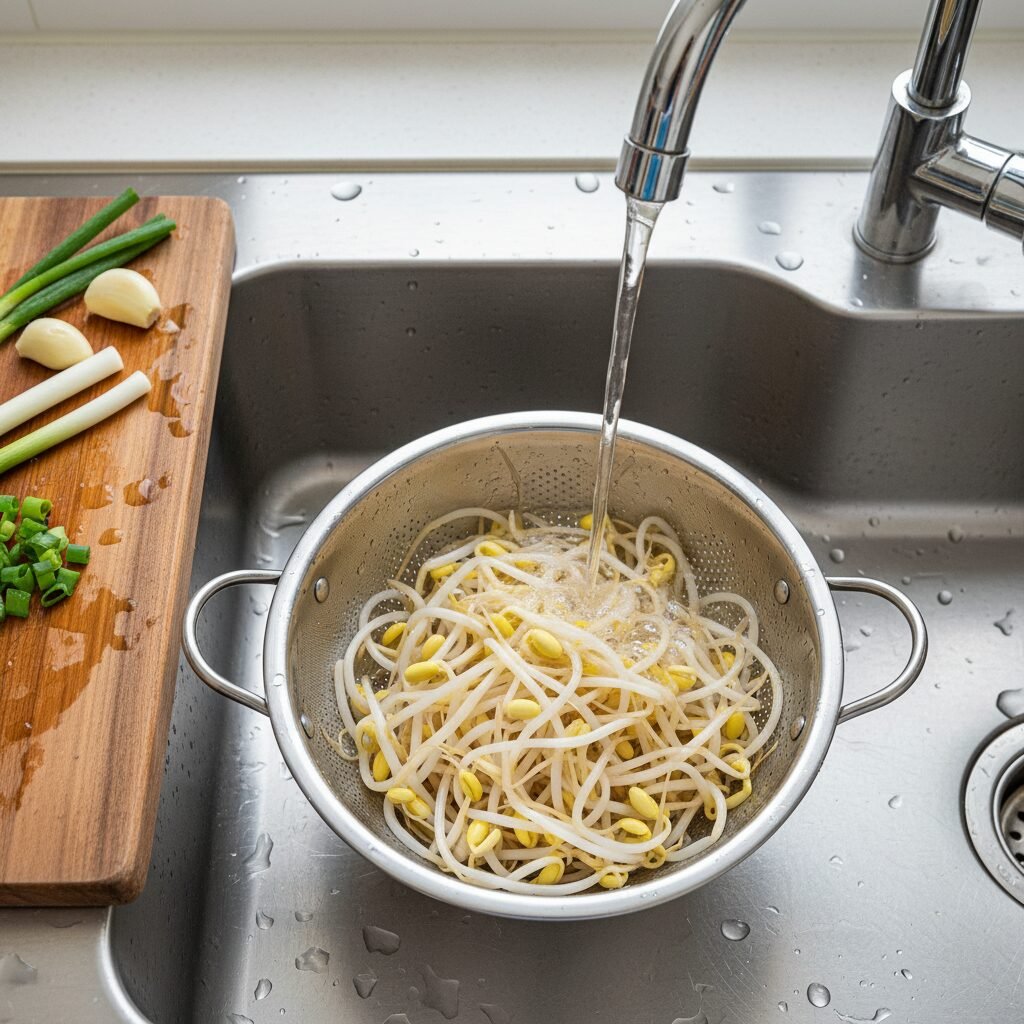
- Rinse Bean Sprouts: Thoroughly rinse the Korean bean sprouts under cold water. Discard any discolored or damaged sprouts. You don’t need to trim the tails.
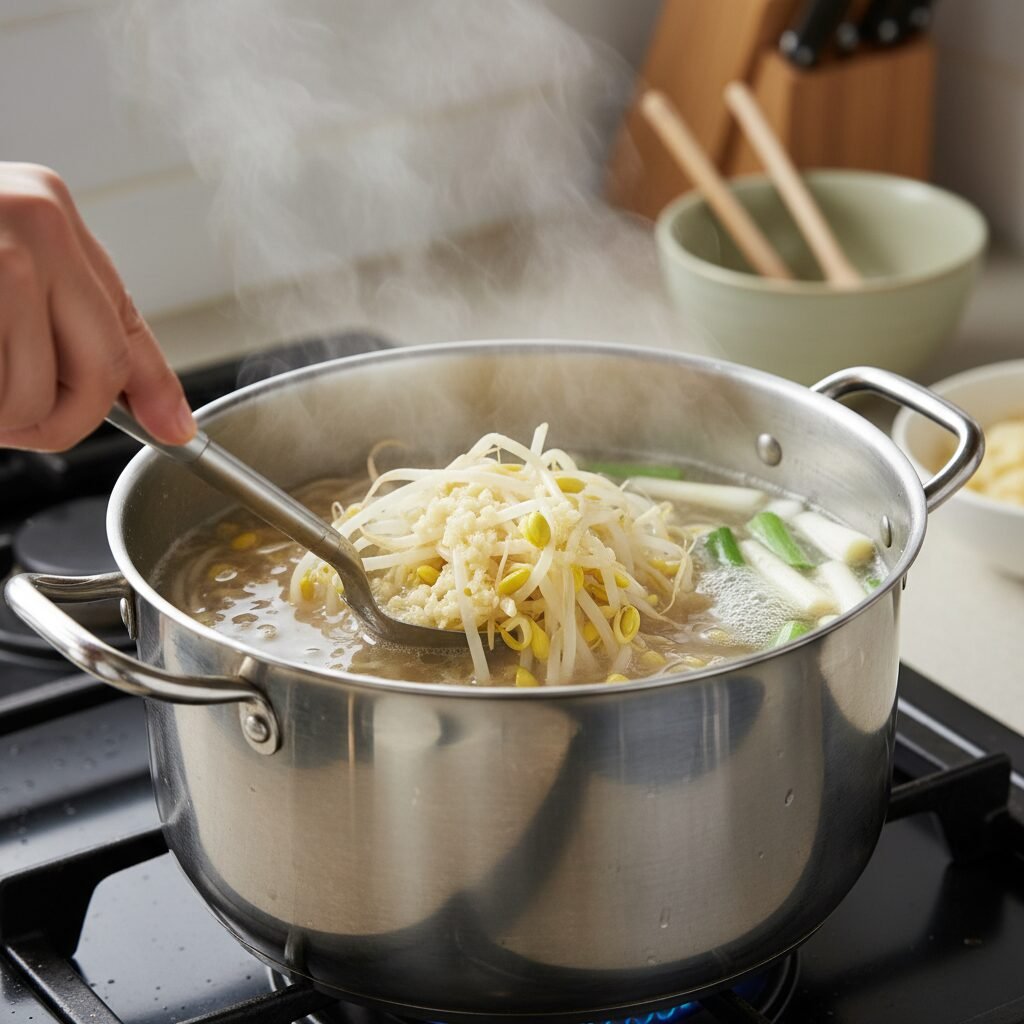
- Combine Ingredients: In a large pot, combine the water (or anchovy broth), rinsed bean sprouts, minced garlic, and the white parts of the chopped green onions.
- Bring to a Boil: Bring the mixture to a rolling boil over medium-high heat. Once boiling, reduce the heat to medium-low and let it simmer gently.
- Season the Soup: Simmer for about 10-12 minutes, or until the bean sprouts are tender-crisp. Add the Korean soup soy sauce (or regular soy sauce), salt, and black pepper. Taste and adjust seasonings as needed. Remember, you want a light, clean flavor.
- Add Green Chilies (Optional): If you like a little kick, stir in the sliced green chilies during the last 2-3 minutes of simmering.
- Serve: Ladle the hot soup into individual bowls. Garnish with the green parts of the chopped green onions. A tiny drizzle of sesame oil can be added for extra aroma, if desired.
- Enjoy Immediately: Serve hot and enjoy this comforting, refreshing soup!
Expert Cooking Tips
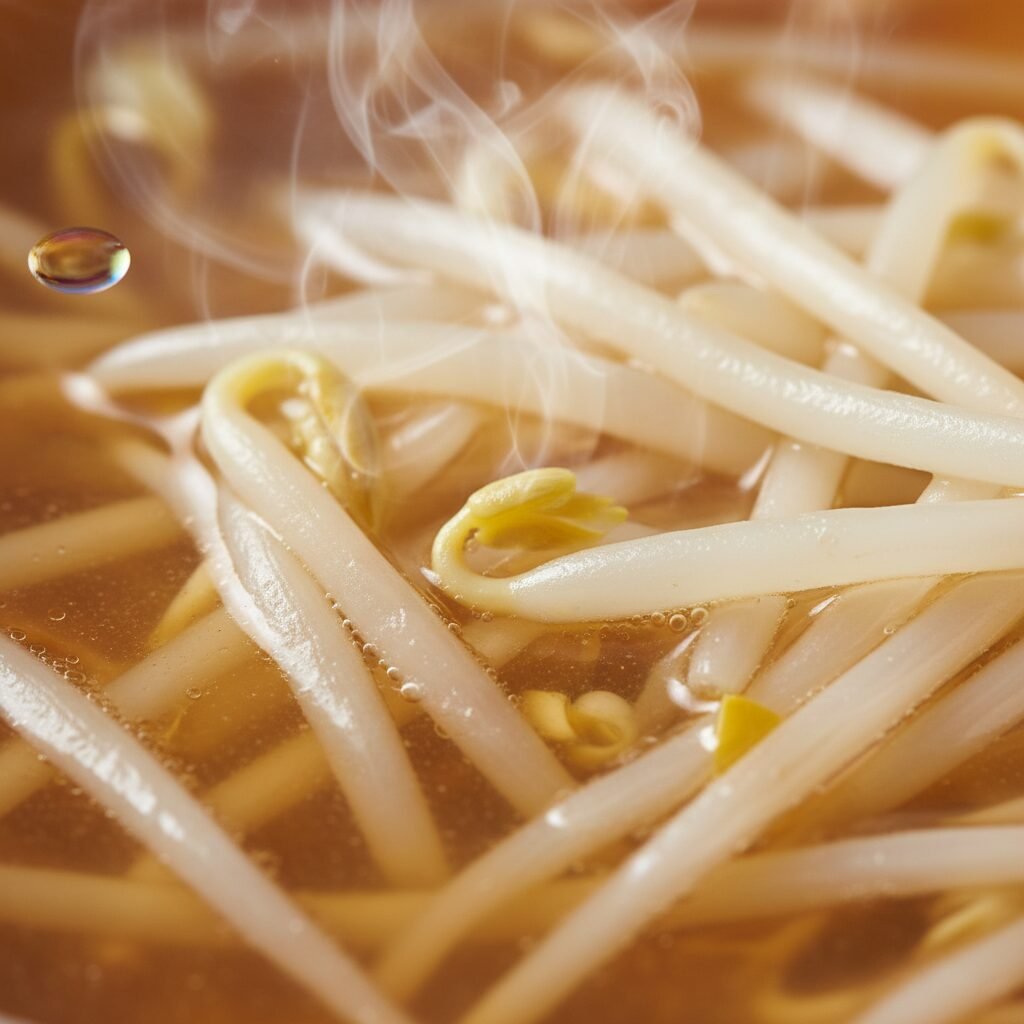
- ✓Don’t Overcook Sprouts: Overcooked bean sprouts become mushy and lose their delightful crunch. Aim for tender-crisp.
- ✓Authentic Broth: For the most authentic flavor, use a simple anchovy-kelp broth. It adds a wonderful depth of umami.
- ✓Season Gradually: Start with less soy sauce and salt, then add more to taste. The goal is a clean, savory broth, not an overly salty one.
- ✓Freshness is Key: Use fresh, crisp bean sprouts for the best texture and flavor.
- ✓Spice Level: Adjust the amount of green chilies to your preference. For no heat, omit them entirely. For more, add a pinch of gochugaru (Korean chili flakes).
Substitutions and Variations
Life happens, and sometimes you don’t have every ingredient on hand! No worries, this soup is quite forgiving. If you can’t find Korean bean sprouts (kongnamul), regular mung bean sprouts will work in a pinch, though the flavor and texture will be slightly different. For the broth, while anchovy broth is traditional and highly recommended for its depth, plain water or even a good quality vegetable broth can be used. If you don’t have Korean soup soy sauce (guk ganjang), regular light soy sauce is a fine substitute, just be mindful of the saltiness as guk ganjang is saltier but less dark. For a vegetarian or vegan version, simply use water or vegetable broth instead of anchovy broth, and ensure your soy sauce is vegan-friendly. If you’re out of green onions, a tiny bit of finely minced chives could offer a similar fresh oniony note, but green onions are truly best here!
Common Mistakes to Avoid
Even a simple soup can have its pitfalls! One of the most common mistakes when making Kongnamul Guk is overcooking the bean sprouts. They should be tender-crisp, not mushy. Overcooking will make them lose their texture and some of their beneficial compounds. Another mistake is over-seasoning. This soup is meant to be light and refreshing, so a heavy hand with salt or soy sauce can overpower the delicate flavor of the sprouts. Taste as you go! Also, some people might be tempted to add too many ingredients, thinking more is better. Resist the urge! The beauty of this soup lies in its simplicity and the clean flavors of its core ingredients. Finally, not thoroughly rinsing your bean sprouts can leave a slightly bitter taste, so make sure they are clean!
Serving Suggestions
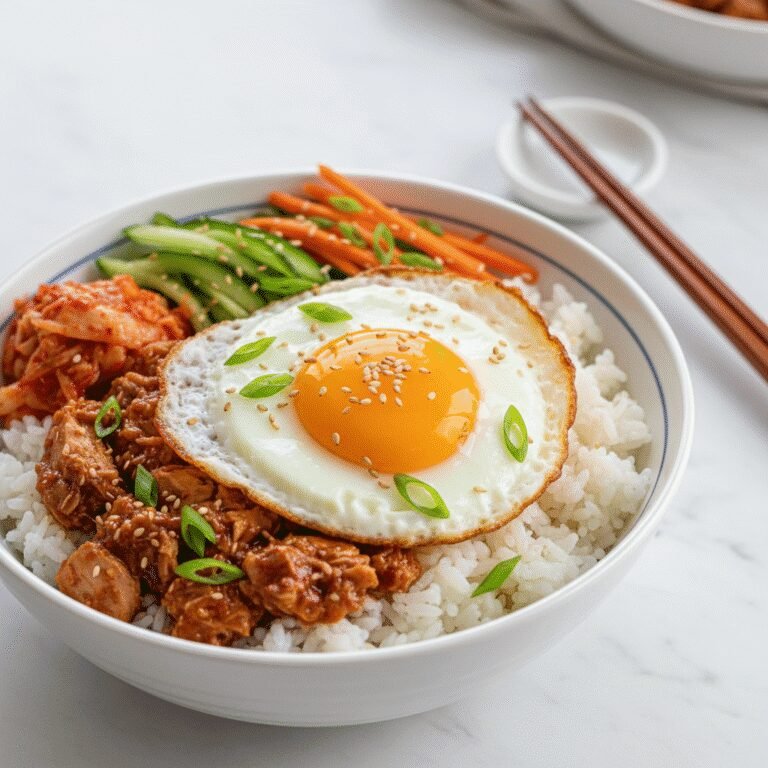
This refreshing Korean Bean Sprout Soup is wonderful on its own, especially when you’re feeling under the weather. However, it also makes a fantastic light meal or a delightful side dish to a larger Korean spread. Serve it with a bowl of warm, fluffy white rice on the side – perfect for soaking up the delicious broth. You can also pair it with a few simple banchan (Korean side dishes) like kimchi, pickled radishes, or seasoned spinach for a more complete meal. For an extra boost, some people like to crack a raw egg directly into the hot soup just before serving; the residual heat will gently poach it, adding a creamy richness. A sprinkle of toasted sesame seeds or a dash of gochugaru (Korean chili flakes) can also elevate the presentation and flavor.
Storage and Reheating Tips
This soup is best enjoyed fresh, but if you have leftovers, they can be stored in an airtight container in the refrigerator for up to 2-3 days. The bean sprouts might soften a bit more upon reheating, but the flavor will still be delicious. To reheat, gently warm on the stovetop over medium-low heat until heated through. Avoid boiling vigorously, as this can further degrade the texture of the sprouts. I don’t recommend freezing this soup, as the bean sprouts will become very mushy and lose their appealing texture once thawed and reheated. It’s so quick to make, it’s often better to whip up a fresh batch!
Nutrition Facts (Estimated)
| Serving Size | 1 bowl (approx. 2 cups) |
| Calories | 80 kcal |
| Fat | 1g |
| Saturated Fat | 0.2g |
| Unsaturated Fat | 0.5g |
| Trans Fat | 0g |
| Cholesterol | 0mg |
| Sodium | 450mg |
| Carbohydrates | 12g |
| Fiber | 4g |
| Sugar | 3g |
| Protein | 7g |
Frequently Asked Questions
What are Korean bean sprouts (kongnamul)?
Korean bean sprouts are soybean sprouts, which are typically thicker and have a more pronounced bean flavor compared to the more common mung bean sprouts. They are a staple in Korean cuisine.
Can I use regular mung bean sprouts instead?
Yes, you can, but the texture will be slightly different (mung bean sprouts are thinner and more delicate) and the flavor might be milder. Korean soybean sprouts offer a unique heartiness.
Is this soup spicy?
Traditionally, it can be made mild or spicy. This recipe includes an optional green chili for a kick. You can omit it entirely for a mild soup or add more for extra heat.
What is Korean soup soy sauce (Guk Ganjang)?
Guk Ganjang is a special type of Korean soy sauce used specifically for soups and stews. It’s saltier and lighter in color than regular soy sauce, designed to season without darkening the broth. Regular soy sauce can be used as a substitute, but adjust the amount to taste.
Can I make this soup vegetarian or vegan?
Absolutely! Simply use water or a good quality vegetable broth instead of anchovy broth. Ensure your soy sauce is vegan-friendly (most are, but check labels).
How do I make anchovy broth?
To make anchovy broth, combine 8 cups of water with 5-6 large dried anchovies (guts removed) and a 4×4 inch piece of dried kelp (dashima). Bring to a boil, then simmer for 15-20 minutes. Strain out the anchovies and kelp before using the broth.
Can I add other vegetables?
While the beauty of this soup is its simplicity, you can certainly add a few thin slices of radish, a handful of spinach, or a few mushrooms for extra nutrients and flavor. Add them during the last few minutes of cooking.
Why is it called a ‘$2 Hangover Cure’?
The ingredients for this soup are incredibly inexpensive, especially bean sprouts, which are one of the most budget-friendly vegetables. This makes the cost per serving very low, often around $2 or even less, depending on where you shop.
Conclusion
And there you have it, my sweet friends! The $2 Hangover Cure: Refreshing Korean Bean Sprout Soup, a little bowl of magic that promises to bring you back to life. It’s more than just a recipe; it’s a testament to the power of simple, wholesome ingredients and the comforting embrace of a warm, nourishing meal. Whether you’re battling a hangover, feeling a bit under the weather, or simply craving something light and delicious, this Kongnamul Guk is here for you.
I truly hope this recipe brings you as much comfort and relief as it has brought me. It’s a reminder that sometimes, the best remedies are the simplest ones, passed down through generations with love and care. So go ahead, gather your ingredients, whip up a batch, and let this wonderful Korean soup work its gentle magic. You deserve to feel good, and with this recipe, you’re just a few steps away from a delicious reset. Happy cooking, and here’s to feeling refreshed!