The $2 Breakfast That Costa Ricans Eat Every Single Day
The $2 Breakfast That Costa Ricans Eat Every Single Day
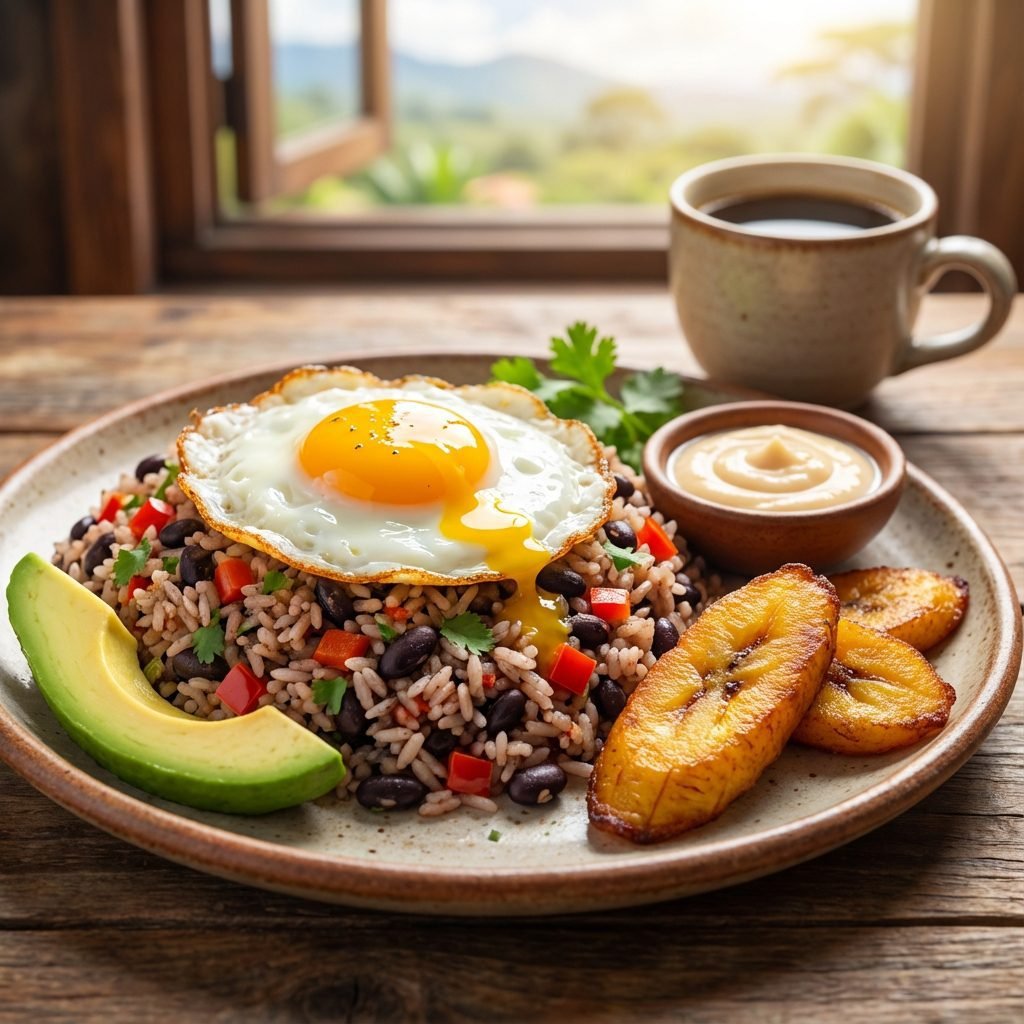
Step into any home or ‘soda’ (a small, traditional Costa Rican restaurant) in the early morning, and you’ll be greeted by the comforting aroma of Gallo Pinto. More than just a dish, Gallo Pinto is the culinary heartbeat of Costa Rica. Its name, which translates to ‘spotted rooster,’ whimsically describes the speckled appearance of the white rice flecked with black beans. This humble yet profoundly satisfying meal is the cornerstone of the Tico breakfast, a daily ritual that fuels the nation. It’s a testament to the country’s ‘Pura Vida’ (pure life) philosophy: simple, wholesome, and deeply cherished. For a cost that often amounts to less than two dollars per serving, Gallo Pinto offers a powerhouse of nutrition, combining complete proteins, fiber, and complex carbohydrates to energize you for the day ahead. This recipe isn’t just about recreating a dish; it’s about embracing a piece of Costa Rican culture, a tradition of starting the day with something simple, nourishing, and made with love.
15 minutes (using pre-cooked rice and beans)
15 minutes
30 minutes
4 servings
Breakfast
Sautéing
Costa Rican
Vegetarian
Why You’ll Love This Recipe
- Incredibly affordable, often costing less than $2 per serving.
- Authentic taste of Costa Rica’s most beloved national dish.
- A nutritionally balanced meal, rich in protein, fiber, and complex carbohydrates.
- Highly versatile and serves as a perfect base for various toppings and sides.
- Made from simple, accessible pantry staples like rice and beans.
Equipment You’ll Need
- Large non-stick skillet or frying pan
- Cutting board
- Chef’s knife
- Spatula or wooden spoon
- Measuring cups and spoons
Ingredients
- 1 tablespoon vegetable or other neutral oil
- 1 small white onion, finely chopped
- 1/2 red bell pepper, finely chopped
- 2 cloves garlic, minced
- 2 cups cooked black beans, with about 1/2 cup of their reserved cooking liquid (‘caldo’)
- 3 cups cooked and chilled day-old long-grain white rice
- 3-4 tablespoons Salsa Lizano (to taste)
- 1/2 cup fresh cilantro, finely chopped
- Salt and freshly ground black pepper to taste
Instructions
- Heat the oil in a large skillet over medium heat. Once shimmering, add the finely chopped white onion and red bell pepper. Sauté for 5-7 minutes, stirring occasionally, until the vegetables have softened and the onion is translucent.
- Add the minced garlic to the skillet and cook for another minute until fragrant, being careful not to let it burn.
- Pour in the cooked black beans along with their reserved liquid (the ‘caldo’). Stir everything together and let it simmer for about 2-3 minutes, allowing the flavors to meld. The liquid is crucial for giving the Gallo Pinto its characteristic color and moisture.
- Add the chilled, day-old rice to the skillet. Use your spatula to gently break up any clumps and fold the rice into the bean mixture. Continue to cook, stirring gently but consistently, until the rice is heated through and has absorbed the bean liquid, taking on a ‘spotted’ appearance.
- Reduce the heat to low. Drizzle the Salsa Lizano over the rice and bean mixture. Add the finely chopped fresh cilantro. Stir until everything is evenly combined.
- Taste the Gallo Pinto and season with salt and freshly ground black pepper as needed. Be mindful that Salsa Lizano is already salty.
- Serve immediately with your favorite accompaniments.
Expert Cooking Tips
- The Secret is Day-Old Rice: Using rice that has been cooked and refrigerated overnight is non-negotiable for the right texture. The chilled, dry grains will separate easily and won’t turn mushy when mixed with the beans.
- Embrace the Bean Broth: Do not drain your beans completely! The starchy, flavorful liquid (‘caldo’) is what gives Gallo Pinto its signature color, moisture, and a significant part of its flavor.
- Don’t Substitute Salsa Lizano: For a truly authentic Costa Rican flavor, Salsa Lizano is essential. It has a unique, slightly sweet and tangy profile that cannot be perfectly replicated. It’s the soul of the dish.
- Fine Dice for Flavor Fusion: Chopping the onion and bell pepper very finely ensures they melt into the dish, providing a consistent flavor base in every bite rather than chunky vegetable pieces.
- Gentle Folding: When combining the rice, use a folding motion rather than vigorous stirring. This prevents the rice grains from breaking and becoming pasty.
Substitutions and Variations
While authenticity is prized, you can make adjustments. For beans, black beans are traditional, but red beans can be used for a Nicaraguan-style pinto. If you absolutely cannot find Salsa Lizano, a mix of Worcestershire sauce with a pinch of cumin and a tiny drop of molasses can provide a similar tangy-savory flavor, though it won’t be the same. Brown rice can be used for a healthier alternative, but ensure it is also cooked and chilled beforehand. For a bit of extra flavor, you can add finely diced celery along with the onions and peppers.
Common Mistakes to Avoid
The most common mistake is using freshly cooked, warm rice, which results in a sticky, porridge-like texture. Always use cold, leftover rice. Another frequent error is draining all the liquid from the beans; this makes the dish dry and robs it of its characteristic color and flavor. Finally, skipping or inadequately substituting Salsa Lizano will result in a dish that is simply rice and beans, not authentic Gallo Pinto. Don’t be shy with this key ingredient.
Serving Suggestions
A plate of Gallo Pinto is rarely served alone. The classic Costa Rican breakfast platter includes Gallo Pinto as the star, accompanied by one or two fried or scrambled eggs. A side of sweet fried plantains (‘plátanos maduros’) adds a delightful sweet contrast. A dollop of ‘natilla’ (Costa Rican sour cream) on top provides a creamy tang, while slices of fresh avocado or a salty cheese like ‘Queso Turrialba’ complete the meal. Of course, no Tico breakfast is complete without a steaming cup of rich Costa Rican coffee.
Storage and Reheating Tips
Store leftover Gallo Pinto in an airtight container in the refrigerator for up to 4 days. The flavors often meld and taste even better the next day. To reheat, warm it in a lightly oiled skillet over medium heat, or in the microwave. If it seems a bit dry, add a splash of water before reheating. Freezing is not recommended as it can negatively affect the texture of the rice, making it mushy upon thawing.
Nutrition Facts (Estimated)
| Serving Size | 1 cup (approx. 250g) |
| Calories | 345 kcal |
| Fat | 8g |
| Saturated Fat | 1.2g |
| Unsaturated Fat | 6.8g |
| Trans Fat | 0g |
| Cholesterol | 0mg |
| Sodium | 480mg |
| Carbohydrates | 54g |
| Fiber | 11g |
| Sugar | 3g |
| Protein | 14g |
Frequently Asked Questions
What exactly is Salsa Lizano?
Salsa Lizano is a bottled Costa Rican condiment with a thin, brown consistency. Its flavor is complex and unique—slightly sweet, tangy, and savory with hints of cumin and other spices. It’s used as a cooking ingredient and a table sauce on everything from eggs to tamales. It is the defining flavor of authentic Gallo Pinto.
Can I use canned beans for this recipe?
Absolutely. Canned black beans are a convenient option. Be sure to buy unseasoned beans and do not drain them. Use the liquid from the can as the ‘caldo’ in the recipe to provide the necessary moisture and color.
Is Gallo Pinto a healthy breakfast?
Yes, it is a very balanced and nutritious meal. The combination of rice and beans forms a complete protein, providing all essential amino acids. It’s also high in dietary fiber, which aids in digestion and promotes a feeling of fullness, and provides complex carbohydrates for sustained energy.
What is the difference between Costa Rican and Nicaraguan Gallo Pinto?
While both countries claim the dish as their own, there are subtle differences. Costa Rican Gallo Pinto is typically made with black beans, resulting in a darker color, and is known for being moister due to the use of more bean liquid and the addition of Salsa Lizano. The Nicaraguan version often uses red beans and can be drier in texture.
Conclusion
Gallo Pinto is more than just a recipe; it’s a daily celebration of simplicity and flavor that lies at the heart of Costa Rican life. By mastering this dish, you’re not just learning to cook a new breakfast; you’re adopting a delicious, affordable, and nourishing way to start your day. It’s a taste of the ‘Pura Vida’ spirit that you can bring into your own kitchen. We encourage you to make it, share it, and enjoy the simple pleasure of a meal that has sustained and delighted a nation for generations.