Stop Making Boring Rice: The 2-Ingredient Upgrade
Stop Making Boring Rice: The 2-Ingredient Upgrade
Rice. It’s the humble, ubiquitous grain that graces plates in nearly every culture around the globe. It’s a foundational food, a comforting staple, and the perfect canvas for a thousand different flavors. Yet, for all its importance, it is often treated as an afterthought—a bland, starchy necessity boiled in plain water and served without a second thought. We’ve all been there: a beautifully cooked main course let down by a side of clumpy, flavorless rice. But what if I told you that the secret to transforming this culinary wallflower into a show-stopping side dish lies in just two simple, game-changing ingredients you almost certainly have in your kitchen right now? Forget complicated pilafs and time-consuming risottos for your weeknight meals. This is about elevating the everyday. We are going to unlock the hidden potential of a simple pot of rice, infusing it with a depth of flavor and a luxurious texture that will make you wonder how you ever settled for less. This isn’t just a recipe; it’s a fundamental technique, a paradigm shift in how you approach the world’s most popular grain. Prepare to say goodbye to boring rice forever.
5 minutes
20 minutes
25 minutes
4 servings (about 3 cups cooked)
Side Dish
Absorption / Simmering
Universal
Gluten-Free
Why You’ll Love This Recipe
- Transforms bland rice into a savory, flavorful side dish with minimal effort.
- Utilizes two common pantry staples: cooking fat and broth.
- Achieves a perfectly fluffy, non-sticky texture every time.
- Incredibly versatile and adaptable to any type of cuisine.
- A foundational cooking technique that elevates countless meals.
Equipment You’ll Need
- Fine-mesh sieve or colander
- Medium saucepan with a tight-fitting lid (2-quart)
- Measuring cups
- Fork
Ingredients
- 1 cup long-grain white rice (such as Basmati or Jasmine)
- 2 cups low-sodium chicken or vegetable broth
- 1 tablespoon unsalted butter (or olive oil, or other fat)
Instructions
- First, prepare the rice. Place the 1 cup of long-grain white rice into a fine-mesh sieve. Rinse it thoroughly under cold running water for about a minute. Swirl the rice with your hand as you rinse. You’ll notice the water running out is cloudy at first; continue rinsing until it runs mostly clear. This crucial step removes excess surface starch, which is the primary cause of gummy, sticky rice. Shake the sieve well to drain as much water as possible.
- In your medium saucepan, combine the rinsed and drained rice, the 2 cups of broth, and the 1 tablespoon of butter. If you’re using unsalted broth, you may wish to add a small pinch of salt, but taste the broth first to gauge its saltiness.
- Place the saucepan over medium-high heat and bring the liquid to a gentle boil. As it heats, you can give it one last, gentle stir to ensure the butter is melted and everything is well-combined. Do not stir it again after this point.
- Once the broth is boiling, immediately reduce the heat to the lowest possible setting your stove can maintain. The liquid should be at a bare simmer, with only a few bubbles breaking the surface. Cover the pot with its tight-fitting lid.
- Let the rice simmer, covered and undisturbed, for 18 minutes. It is critical that you do not lift the lid during this time. The rice cooks in the steam trapped inside the pot, and lifting the lid releases that steam, disrupting the cooking process and leading to unevenly cooked grains.
- After 18 minutes, remove the saucepan from the heat entirely. Still without lifting the lid, let the pot stand for an additional 5-10 minutes. This resting period allows the last bit of moisture to be absorbed and the grains to firm up, resulting in a perfectly tender texture.
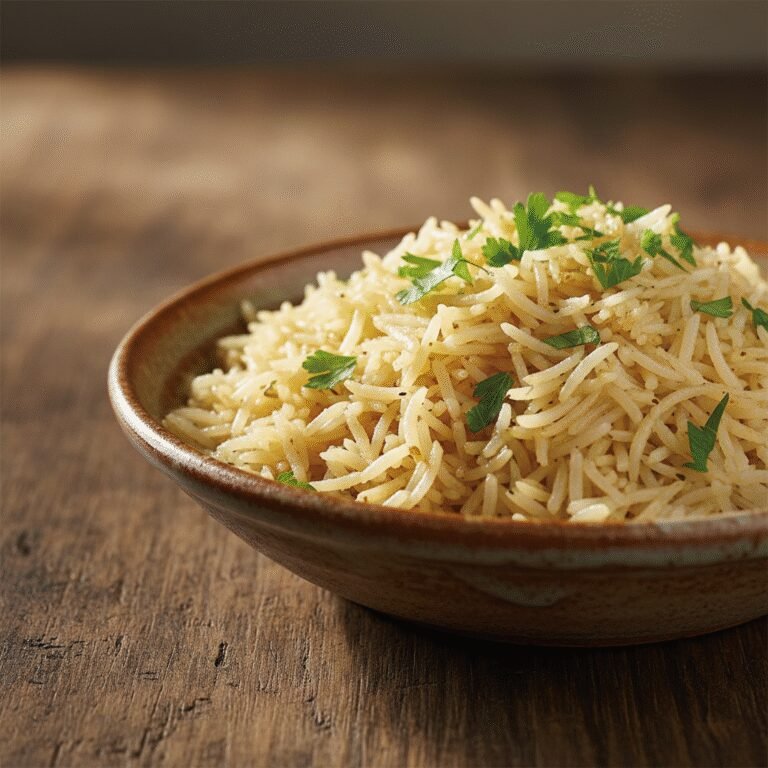
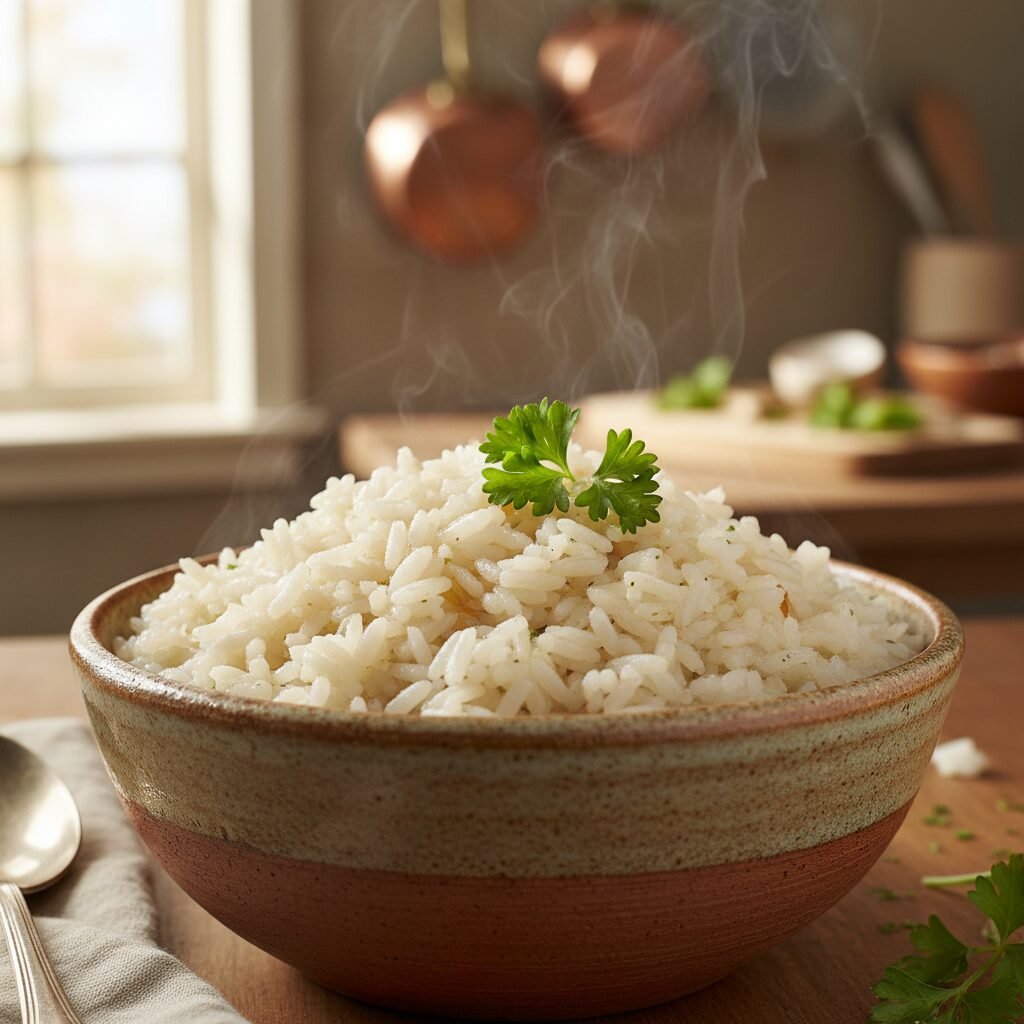
- Finally, remove the lid. You will see a perfectly cooked bed of rice. Use a fork, not a spoon, to gently fluff the rice. Scrape from the bottom and lift upwards to separate the grains without mashing them. Serve immediately.
Expert Cooking Tips
- The Rice-to-Liquid Ratio is Key: The 1:2 ratio (one part rice to two parts liquid) is standard for long-grain white rice on the stovetop. If you use a different type of rice, like brown rice or short-grain rice, you may need to adjust this ratio and the cooking time.
- Invest in a Pot with a Heavy Bottom and Tight Lid: A heavy-bottomed pot distributes heat more evenly, preventing the rice at the bottom from scorching. A tight-fitting lid is non-negotiable as it traps the steam required for the absorption method to work perfectly.
- Embrace the ‘No Peeking’ Rule: Seriously. Resisting the urge to lift the lid is the single most important part of the cooking process. Trust the timing and the technique.
- Toast the Grains for More Flavor: For an even deeper, nuttier flavor, melt the butter or heat the oil in the saucepan first. Add the rinsed, drained rice and toast it for 2-3 minutes, stirring constantly, until the grains are fragrant and lightly golden before adding the broth and proceeding with the recipe.
- Fluff, Don’t Stir: Using a fork to fluff the rice at the end is essential. A spoon will compress and mash the delicate, freshly steamed grains, leading to a pasty texture.
Substitutions and Variations
This recipe’s beauty is its adaptability. For the Broth: Feel free to use chicken, vegetable, beef, or mushroom broth. Each will impart a different savory character. In a pinch, a bouillon cube or powder dissolved in 2 cups of hot water works well. For the Fat: Unsalted butter adds a rich, creamy flavor. Olive oil offers a fruitier, more Mediterranean note. Ghee provides a nutty taste, while coconut oil can lend a subtle sweetness perfect for Asian or Caribbean dishes. For the Rice: This method is perfect for Basmati and Jasmine rice. For brown rice, increase the liquid to 2.25 cups and the simmer time to 40-45 minutes. For other varieties, check the package instructions and adapt the liquid ratio and time accordingly.
Common Mistakes to Avoid
The most frequent error is an incorrect liquid-to-rice ratio, leading to either mushy (too much liquid) or crunchy (too little liquid) rice. Stick to the 1:2 ratio for white rice. Another common mistake is cooking with the heat too high; this causes the liquid to evaporate too quickly and scorches the bottom layer of rice before the top has a chance to cook. Always use the lowest possible heat setting for the simmering phase. Stirring the rice while it simmers is a major pitfall; this breaks down the starches and creates a gummy, risotto-like consistency instead of separate, fluffy grains. Finally, skipping the final resting period off the heat is a mistake. This step is where the magic happens, allowing the moisture to redistribute evenly for a perfect finish.
Serving Suggestions
This elevated rice is a perfect companion to almost any main course. Serve it alongside a classic roasted chicken, pan-seared salmon, or a hearty beef stew to soak up the delicious sauces. It forms an excellent base for rice bowls topped with grilled vegetables, beans, and your protein of choice. For a quick flavor boost after cooking, stir in finely chopped fresh herbs like cilantro, parsley, or dill. A squeeze of fresh lemon or lime juice can brighten the flavor, while a sprinkle of toasted almonds or sesame seeds can add a delightful crunch. It’s the perfect canvas for everything from a simple weeknight stir-fry to an elaborate holiday curry.
Storage and Reheating Tips
Properly storing leftover rice is crucial for food safety. Cool the rice as quickly as possible after cooking; do not leave it at room temperature for more than an hour. Spread it on a baking sheet to speed up the cooling process. Once cool, transfer the rice to an airtight container and refrigerate for up to 4 days. To reheat, place the rice in a microwave-safe bowl, sprinkle with a tablespoon of water, cover with a damp paper towel, and microwave until heated through. This re-steams the rice, restoring its fluffy texture.
Nutrition Facts (Estimated)
| Serving Size | 1 serving (approx. 3/4 cup) |
| Calories | 280 kcal |
| Fat | 4.5g |
| Saturated Fat | 2.5g |
| Unsaturated Fat | 2g |
| Trans Fat | 0g |
| Cholesterol | 10mg |
| Sodium | 450mg |
| Carbohydrates | 52g |
| Fiber | 1g |
| Sugar | 0g |
| Protein | 6g |
Frequently Asked Questions
Can I make this recipe in my rice cooker?
Absolutely! A rice cooker is designed for this exact method. Simply rinse the rice, then add it to the rice cooker pot with the broth and butter. Give it one stir, close the lid, and set it to the standard ‘white rice’ setting. The machine will handle the cooking and resting times perfectly.
Why is it so important to rinse the rice?
Rinsing rice removes the excess starch powder from the surface of the grains. This loose starch is what gelatinizes in hot water, creating a sticky, gummy glue that makes the grains clump together. By washing it away, you ensure that the cooked grains remain separate, light, and fluffy.
Can I double this recipe?
Yes, you can easily double the recipe. Use 2 cups of rice, 4 cups of broth, and 2 tablespoons of butter. You will need a larger saucepan (at least 3-4 quarts). The cooking time should remain roughly the same, but it’s always good to check one or two grains for doneness after the 18-minute mark.
My rice came out soggy. What did I do wrong?
Soggy or mushy rice is almost always the result of too much liquid or overcooking. Ensure your measurements are accurate (use a liquid measuring cup for broth and a dry one for rice). Also, make sure your lid is tight-fitting; a loose lid lets steam escape, which can trick you into thinking you need more water. If the ratio was correct, you may have cooked it for too long.
What if I don’t have any broth on hand?
While broth is one of the two key upgrades, you can still improve on plain water. Use water, but add a bouillon cube or a teaspoon of bouillon powder for a similar savory effect. Even just using salted water and adding the butter or oil will result in a significant improvement in flavor and texture over rice cooked in plain water alone.
Conclusion
The journey from bland, forgettable rice to a side dish that genuinely enhances your meal is surprisingly short. By simply swapping water for broth and adding a touch of fat, you fundamentally change the grain’s flavor and texture. This two-ingredient upgrade isn’t about complexity; it’s about intention. It’s about treating every component of your meal with the care it deserves. Once you adopt this simple method, you’ll never look back. It will become second nature, ensuring that every meal you make is built on a foundation of perfectly fluffy, deeply flavorful rice.