Spaghetti All’Assassina: Why You Should Burn Your Pasta Sauce
Spaghetti All’Assassina: Why You Should Burn Your Pasta Sauce
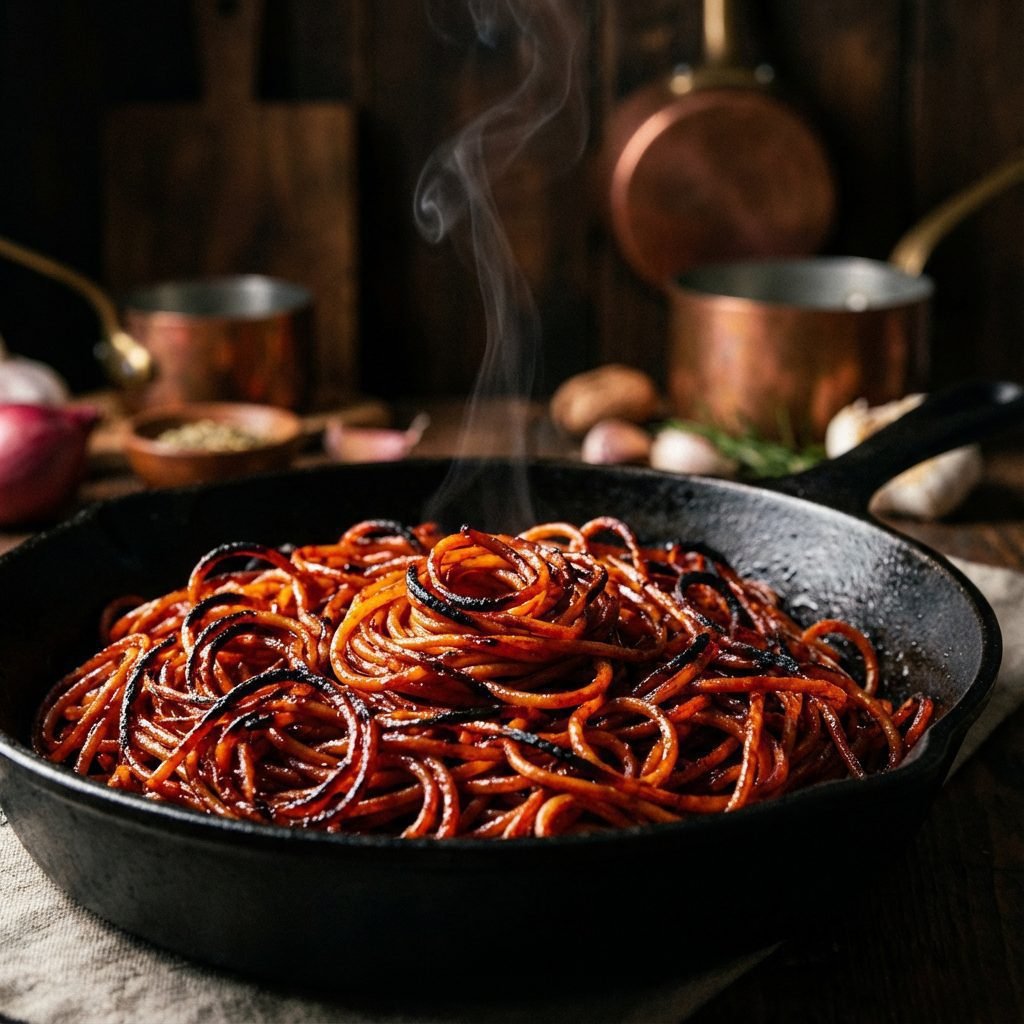
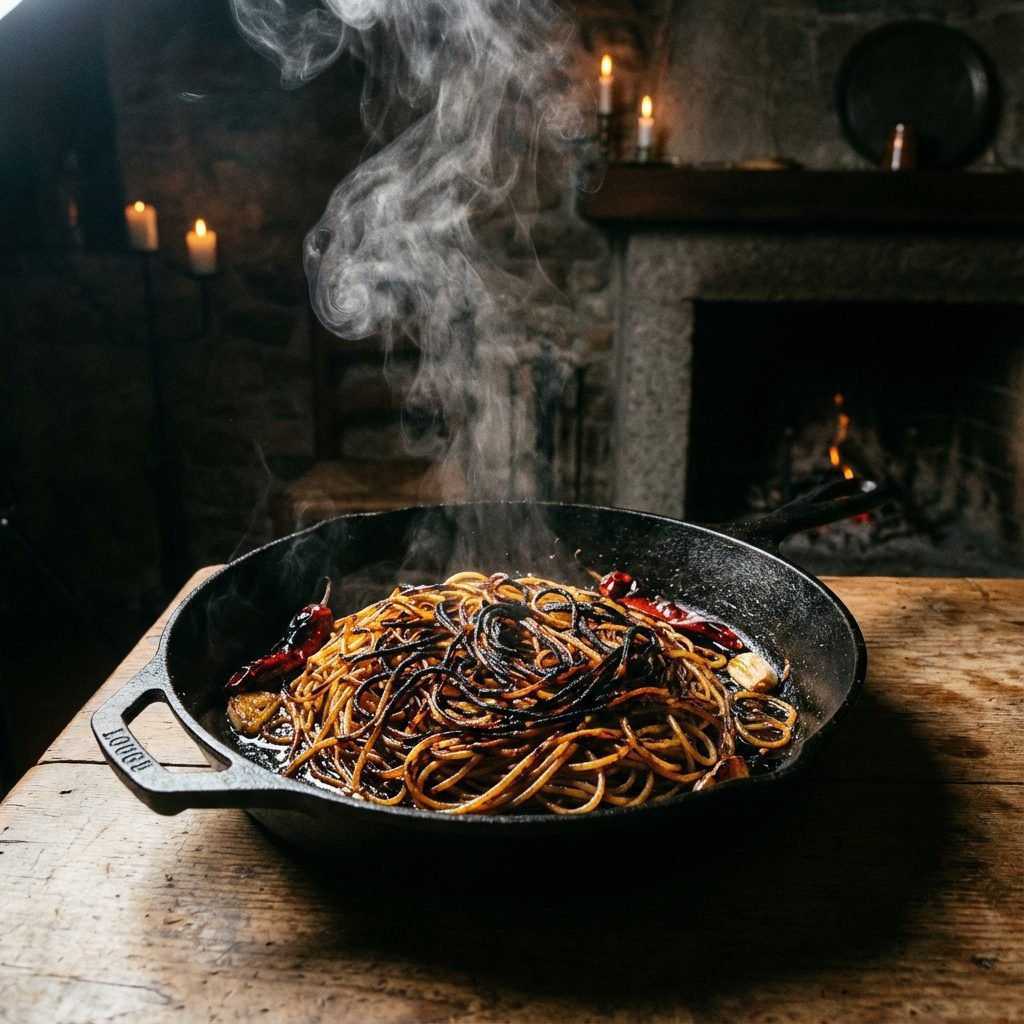
Forget everything you think you know about cooking pasta. Forget dutifully boiling your spaghetti to a perfect al dente in a large pot of salted water. Forget simmering your sauce gently in a separate pan. Today, we delve into a thrillingly unconventional, almost heretical, Italian masterpiece from Bari, Puglia: Spaghetti all’Assassina. The name itself, translating to ‘Assassin’s Style Spaghetti,’ hints at its ruthless, intense, and utterly delicious nature. The premise is simple, yet revolutionary: you cook the dry pasta directly in the pan with the sauce, frying it, steaming it, and, yes, deliberately burning it. This isn’t the acrid, bitter char of a kitchen mistake; this is a controlled, flavor-building caramelization, a ‘bruciatura’ that transforms simple ingredients into something profoundly complex and addictive. By cooking the pasta like a risotto—adding hot broth ladle by ladle—each strand absorbs the fiery, concentrated tomato sauce, while the direct contact with the hot pan creates irresistibly crispy, chewy, and smoky bits. This is a dish that rewards bravery and patience, a culinary adventure that will redefine your relationship with pasta. Prepare to embrace the burn.
10 minutes
20-25 minutes
30-35 minutes
Serves 2
Main Course
Pan-Frying, Sautéing
Italian (Pugliese)
Vegetarian
Why You’ll Love This Recipe
- Unique one-pan, risotto-style pasta cooking method.
- Intense, smoky flavor from caramelized tomato sauce.
- Irresistible texture with crispy, chewy, and tender pasta strands.
- A dramatic and impressive dish made from simple pantry staples.
- Authentic recipe from Bari, in the Puglia region of Italy.
Equipment You’ll Need
- Large, heavy-bottomed skillet (12-inch / 30cm cast iron or carbon steel is ideal)
- Medium saucepan
- Ladle
- Tongs or a firm spatula
Ingredients
- 180g (6.5 oz) high-quality spaghetti
- 60ml (1/4 cup) extra virgin olive oil
- 2 cloves garlic, thinly sliced
- 1/2 to 1 teaspoon dried red chili flakes (peperoncino), or to taste
- 100g (about 1/3 cup) tomato passata (tomato puree)
- 1 tablespoon double-concentrate tomato paste
- 750ml (about 3 cups) hot water or light vegetable broth
- 1/2 teaspoon fine sea salt, plus more to taste
Instructions
- Step 1: Prepare the Broth. In a medium saucepan, combine the hot water or vegetable broth with the tomato passata. Bring to a gentle simmer over medium heat. Keep this tomato broth warm on a separate burner; you will be adding it to the pasta incrementally.
- Step 2: Create the Soffritto. In your large, heavy-bottomed skillet, heat the extra virgin olive oil over medium-high heat. Add the sliced garlic and red chili flakes. Sauté for about 30-60 seconds until the garlic is fragrant and just beginning to turn golden. Be careful not to burn the garlic at this stage.
- Step 3: ‘Burn’ the Tomato Base. Add the tomato paste to the skillet. Use your spatula to spread it across the bottom of the pan and cook it for 1-2 minutes, stirring constantly. You want it to sizzle and darken in color, developing a deep, caramelized, and toasty aroma. This is the first crucial flavor-building step.
- Step 4: Add the Dry Pasta. Place the dry spaghetti directly into the pan in a single layer. Use tongs to gently press it down into the oil and tomato base. Let it sizzle and toast for about 2 minutes, turning it once, until some strands start to show a light golden-brown color.
- Step 5: Begin the ‘Risottatura’. Add one or two ladles of the hot tomato broth to the skillet. It will sizzle and steam aggressively. As the pasta begins to soften, use your tongs to gently separate the strands and spread them evenly across the pan. The goal is to have just enough liquid to cook the pasta, not boil it.
- Step 6: Cook and Caramelize. Let the liquid cook down until the pan is almost dry and you hear a distinct sizzling and crackling sound. This is the ‘assassination’ phase. Do not stir. Allow the pasta to stick to the bottom of the pan for 30-60 seconds to form a crispy, caramelized crust. Use a firm spatula to scrape the bottom of the pan, lifting the crispy bits.
- Step 7: Repeat the Process. Continue adding the hot tomato broth one ladle at a time, letting it fully absorb and sizzle away before adding the next. With each addition, stir the pasta, then let it rest to create more ‘bruciatura’ (burnt bits). This entire process should take about 15-18 minutes, depending on your spaghetti’s cooking time.
- Step 8: Final Touches. Taste the pasta in the last few minutes of cooking and adjust seasoning with salt if needed. The final dish should be ‘al dente’, with a thick, clinging sauce, not soupy. There should be a beautiful mix of textures: tender strands, chewy bits, and crispy, almost-burnt ends. Serve immediately, directly from the pan.
Expert Cooking Tips
- The Pan is Paramount: Do not use a non-stick pan. The entire technique relies on the pasta sticking to the pan to create the signature crispy, caramelized texture. A well-seasoned cast iron or carbon steel skillet is your best tool.
- Control Your Heat: You need medium-high to high heat to achieve the sizzle and caramelization, but you must be ready to lower it if things are burning too quickly or turning black and acrid. It’s a dynamic process.
- Embrace the Scrape: Don’t be afraid when the pasta sticks. This is not a mistake; it’s the goal. The magic happens when you scrape up those flavorful, crispy browned bits (the fond) from the bottom of the pan.
- Patience Pays Off: Resist the urge to constantly stir the pasta. Let it sit undisturbed between additions of broth to give it time to form that coveted crust.
Substitutions and Variations
While this recipe is best made as written for the authentic experience, some minor adjustments are possible. You can use linguine in place of spaghetti, but avoid thinner pastas like angel hair or thicker ones like bucatini. For a milder dish, reduce or omit the chili flakes. High-quality crushed tomatoes can be used instead of passata, but the final sauce will be less smooth. Using water instead of broth is perfectly traditional, as the flavor is built in the pan.
Common Mistakes to Avoid
The most common mistake is using a non-stick pan, which prevents the essential caramelization. Another pitfall is being too timid with the heat and the ‘burning’ stage, resulting in a dish that is simply pasta cooked in tomato sauce rather than a true Assassina. Adding too much liquid at once will boil the pasta instead of frying it, so add the broth sparingly. Finally, stirring too frequently will prevent the crispy crust from forming; you must let the pasta rest and sizzle on the hot pan surface.
Serving Suggestions
Spaghetti all’Assassina is a ‘piatto unico’—a complete and powerful dish that stands alone. It requires no accompaniments. Serve it piping hot, straight from the skillet it was cooked in, to preserve the crispy texture. For a final flourish, a drizzle of peppery, high-quality extra virgin olive oil over the top is all that’s needed. A glass of robust red wine from Puglia, such as a Primitivo or Negroamaro, is the traditional and perfect pairing to stand up to the dish’s intense flavor.
Storage and Reheating Tips
This dish is unequivocally best enjoyed the moment it comes off the heat. The textural contrast is fleeting. If you have leftovers, store them in an airtight container in the refrigerator for up to two days. To reheat, add a little olive oil to a hot skillet and pan-fry the pasta, breaking it up as it heats. This will help to revive some of the crispiness, but it will not be the same as when freshly made.
Nutrition Facts (Estimated)
| Serving Size | 1 serving |
| Calories | 520 kcal |
| Fat | 18g |
| Saturated Fat | 2.5g |
| Unsaturated Fat | 15.5g |
| Trans Fat | 0g |
| Cholesterol | 0mg |
| Sodium | 750mg |
| Carbohydrates | 75g |
| Fiber | 6g |
| Sugar | 9g |
| Protein | 14g |
Frequently Asked Questions
Is the pasta really supposed to be burnt?
Yes, but in a controlled way. The goal is deep, flavorful caramelization (a dark reddish-brown), not a black, ashy, bitter char. It’s the ‘bruciacchiato’ or ‘scorched’ bits that give the dish its signature smoky complexity. It’s an intentional, carefully managed burn.
Why can’t I use my non-stick skillet?
Non-stick surfaces are designed to prevent food from sticking. For Spaghetti all’Assassina, the sticking is a feature, not a bug. The pasta needs to adhere to the hot metal surface to toast, char, and caramelize, creating the foundation of the dish’s unique flavor and texture.
My pasta broke into small pieces. What did I do wrong?
This can happen if you are too aggressive when stirring or scraping, especially in the beginning when the pasta is still brittle. It can also happen if you are using a lower-quality pasta. Be firm but gentle, and use a high-quality bronze-die spaghetti which is more resilient.
Conclusion
Mastering Spaghetti all’Assassina is more than just learning a new recipe; it’s about unlearning old rules. It’s a testament to the fact that sometimes, the most delicious results come from daring to do things the ‘wrong’ way. The smoky aroma, the intense concentration of tomato, and the delightful shock of a crispy pasta strand will make you a convert. So, step into your kitchen with confidence, turn up the heat, and embrace the power of the burn. You’re not just making dinner; you’re becoming the assassin.