Smoky Nigerian Jollof Rice: The Only Recipe You Need
Smoky Nigerian Jollof Rice: The Only Recipe You Need
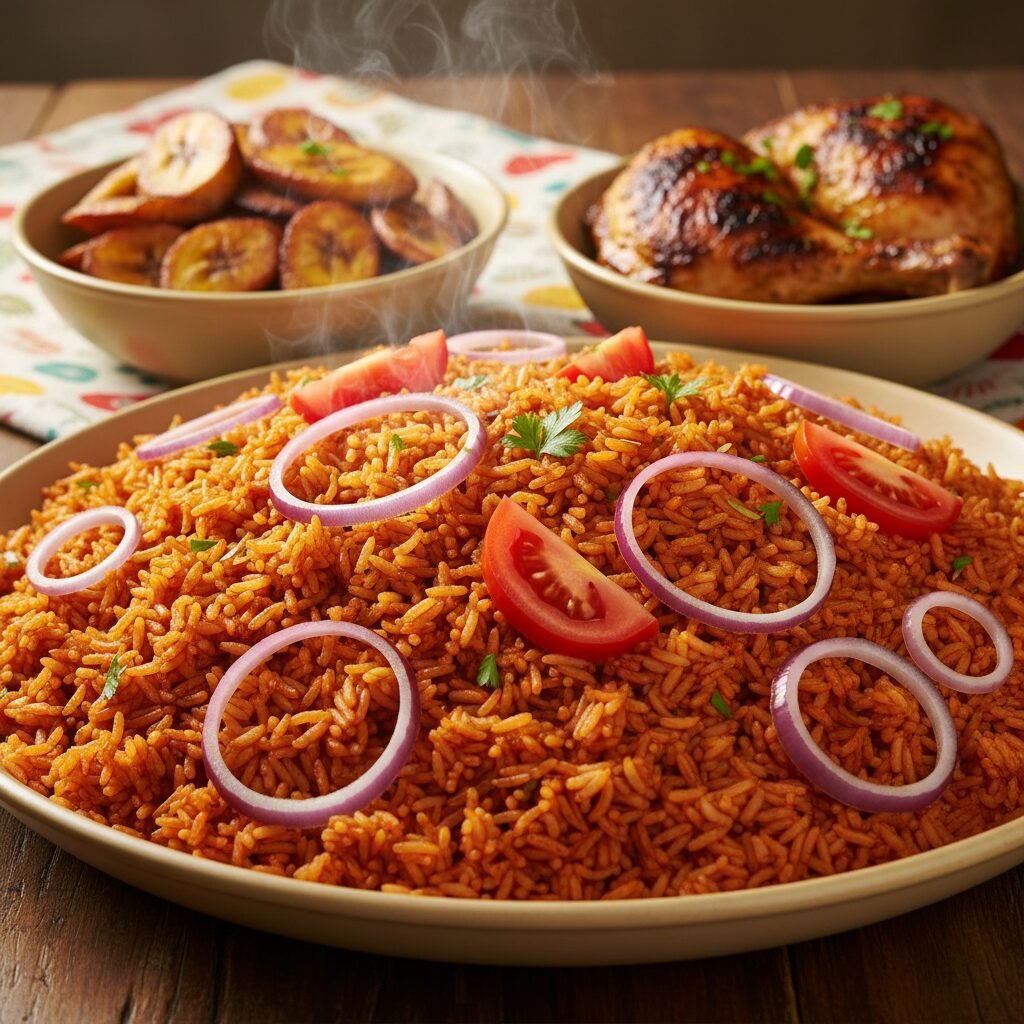
Welcome to the definitive guide for one of West Africa’s most celebrated culinary treasures: Nigerian Jollof Rice. This isn’t just a dish; it’s a cultural icon, a centerpiece of celebrations, and the subject of passionate debate across nations. At its heart, Jollof rice is a deceptively simple one-pot dish where rice is simmered in a rich, flavorful tomato and pepper-based sauce. But anyone who has attended a Nigerian party knows there’s a world of difference between everyday Jollof and the legendary ‘Party Jollof’. The secret? A deep, tantalizing smokiness that permeates every grain. This recipe demystifies the art of creating that authentic, bottom-of-the-pot smoky flavor right in your own kitchen. We will guide you through every crucial step, from building the perfect pepper base (‘Obe Ata’) to mastering the steaming technique that ensures each grain of rice is perfectly cooked, separate, and infused with that signature taste. Forget mushy, bland imitations. This is the recipe that delivers the vibrant color, complex flavor, and soul-satisfying aroma that makes Nigerian Jollof Rice a global phenomenon. Prepare to create a dish that’s not just food, but an experience.
30 minutes
75 minutes
1 hour 45 minutes
8-10 servings
Main Course
Stovetop Simmering & Steaming
Nigerian
Omnivore
Why You’ll Love This Recipe
- Authentic ‘Party Jollof’ Flavor: Master the techniques to replicate the coveted taste of Nigerian celebration Jollof.
- Signature Smoky Finish: Learn the controlled ‘burn’ method to achieve a natural smoky aroma without any special equipment.
- Perfectly Cooked Grains: Our method guarantees fluffy, individual grains of rice, never mushy or sticky.
- Vibrant Red-Orange Color: Discover the secret to achieving the iconic, appealing color through proper ingredient preparation.
- Comprehensive Step-by-Step Guide: Detailed instructions suitable for both beginners and experienced cooks.
- Culturally Rich and Flavorful: A deep dive into a cornerstone dish of Nigerian and West African cuisine.
Equipment You’ll Need
- Large heavy-bottomed pot or Dutch oven with a tight-fitting lid
- High-powered blender
- Large bowl for washing rice
- Wooden spoon or heat-resistant spatula
- Measuring cups and spoons
- Aluminum foil
Ingredients
- 4 cups long-grain parboiled rice
- 1/2 cup vegetable or groundnut oil
- 2 large onions, divided
- 6 large ripe plum tomatoes
- 3 large red bell peppers (tatashe), deseeded
- 1-3 scotch bonnet peppers (ata rodo), to taste
- 1 can (6 oz / 170g) high-quality tomato paste
- 6 cups rich chicken or beef stock, warmed
- 2 teaspoons dried thyme
- 2 teaspoons Nigerian-style curry powder
- 3 bay leaves
- 2-3 bouillon cubes (Maggi or Knorr), crumbled
- 1 teaspoon salt, or to taste
- 1/2 teaspoon white pepper (optional)
- For garnish: Sliced onions and fresh tomatoes
Instructions
- Step 1: Prepare the Rice. Place the parboiled rice in a large bowl. Wash it thoroughly by covering it with cold water, swirling with your hands, and draining. Repeat this process 3-4 times until the water runs mostly clear. This removes excess starch and is crucial for achieving separate, non-sticky grains. Set the washed rice aside to drain.
- Step 2: Create the Pepper Base (Obe Ata). Roughly chop the tomatoes, red bell peppers, 1.5 of the onions, and the scotch bonnet peppers. Place them in a blender. Add just enough water (about 1/4 cup) to get the blades moving and blend until you have a smooth, consistent puree. Do not make it watery.
- Step 3: Sauté Aromatics. Finely chop the remaining half onion. Heat the vegetable oil in your large, heavy-bottomed pot over medium heat. Once hot, add the chopped onions and sauté for 3-5 minutes until softened and fragrant, but not browned.
- Step 4: Fry the Tomato Paste. Add the tomato paste to the pot. Using your wooden spoon, stir it continuously into the oil and onions. Fry the paste for at least 5 minutes. You’ll notice its color deepen from bright red to a darker, richer hue, and it will lose its raw, tangy smell. This step is critical for developing a deep flavor and vibrant color.
- Step 5: Cook Down the Pepper Base. Pour the blended pepper puree into the pot. Add the crumbled bouillon cubes, curry powder, dried thyme, and bay leaves. Stir everything together well. Bring the mixture to a simmer, then reduce the heat to medium-low. Let it cook for 20-25 minutes, stirring occasionally to prevent burning. The base is ready when it has reduced in volume, thickened considerably, and you can see a clear separation of oil at the surface.
- Step 6: Combine Ingredients. Pour the warm chicken or beef stock into the pot with the cooked-down base. Add salt and white pepper (if using). Stir well and bring the entire mixture to a rolling boil. Taste the stock and adjust seasonings now; it should be intensely flavorful, almost slightly over-salted, as the rice will absorb the flavor.
- Step 7: Add the Rice. Pour the drained rice into the boiling stock. Stir gently but thoroughly to ensure every grain is submerged and evenly distributed. The liquid should be just about level with the rice, or slightly above (no more than half an inch). If it’s too high, the rice will be mushy.
- Step 8: The Steam-Cooking Process. Once the rice and stock return to a gentle simmer, immediately reduce the heat to the lowest possible setting. Place a sheet of aluminum foil over the pot, covering it completely, then press the lid on tightly over the foil. This creates a seal to trap steam. Do NOT open the lid or stir the rice for the next 25-30 minutes. Let the steam do the work.
- Step 9: The Smoky Finish. After 25-30 minutes, most of the liquid should be absorbed. Now, for the signature smoke. Without stirring, slightly increase the heat to medium-low for 3-5 minutes. You may hear a slight crackling and smell a faint, toasty aroma. This is the rice at the bottom of the pot caramelizing and creating a slight ‘burn’ which infuses the entire pot with that iconic smoky flavor. Be very careful not to let it burn black.
- Step 10: Rest and Fluff. Turn off the heat completely. Leave the pot covered and undisturbed for another 10-15 minutes. This allows the residual steam to finish cooking the grains perfectly. Finally, remove the lid and foil. Use a wooden spoon or fork to fluff the rice from the bottom up, mixing the smoky bottom bits with the rest of the rice. Serve hot.
Expert Cooking Tips
- Use Long-Grain Parboiled Rice: This type of rice is more forgiving and holds its structure well during the long cooking process, preventing mushiness.
- Don’t Skip Frying the Tomato Paste: This crucial step cooks out the sour, metallic taste of the paste and deepens the color and umami flavor of the final dish.
- Master the Stock-to-Rice Ratio: The liquid should just barely cover the rice. Too much water is the number one cause of soggy Jollof. It’s better to start with less and add a tiny splash later if needed.
- Trust the Steam: Resisting the urge to stir is key. Stirring breaks up the rice grains and releases starch, leading to a sticky texture. The foil and lid combination creates an oven-like environment that cooks the rice evenly with trapped steam.
- Control the Burn: The final smoking step is a delicate balance. You want a dark, caramelized crust at the bottom, not a layer of black, acrid char. Stay close and use your sense of smell as a guide.
Substitutions and Variations
For a vegetarian or vegan version, use a robust vegetable stock instead of chicken or beef stock, and ensure your bouillon cubes are vegetable-based. For a richer flavor, you can add a tablespoon of butter (or vegan butter) when fluffing the rice at the end. The heat level can be adjusted by increasing or decreasing the number of scotch bonnet peppers used.
Common Mistakes to Avoid
The most common mistake is adding too much water, resulting in mushy rice. Start with a 1:1.5 ratio of rice to total liquid (stock + pepper base) and adjust from there. Another error is not cooking the pepper base long enough; if the base is watery and raw-tasting, the final Jollof will lack depth and color. Finally, stirring the rice while it’s steaming will ruin the texture and prevent the grains from cooking properly.
Serving Suggestions
Smoky Nigerian Jollof Rice is a complete meal on its own but is traditionally served as part of a larger spread. Classic pairings include sweet fried plantains (Dodo), savory Moi Moi (steamed bean pudding), grilled or fried chicken, beef Suya, or a simple side of Nigerian salad or coleslaw. For a full celebration plate, include a piece of fish and a spoonful of stew.
Storage and Reheating Tips
Allow the Jollof rice to cool completely before storing. It can be refrigerated in an airtight container for up to 4-5 days. For longer storage, freeze it in portion-sized airtight containers or freezer bags for up to 3 months. To reheat, sprinkle a little water over the rice and microwave until hot, or warm it in a covered pot on the stove over low heat.
Nutrition Facts (Estimated)
| Serving Size | 1.5 cups (approx. 300g) |
| Calories | 485 kcal |
| Fat | 18g |
| Saturated Fat | 3g |
| Unsaturated Fat | 15g |
| Trans Fat | 0g |
| Cholesterol | 10mg |
| Sodium | 750mg |
| Carbohydrates | 72g |
| Fiber | 6g |
| Sugar | 7g |
| Protein | 9g |
Frequently Asked Questions
Why didn’t my Jollof rice get that signature bright red-orange color?
The color comes from three key things: using very ripe tomatoes, a high ratio of red bell peppers (tatashe) to tomatoes, and properly frying your tomato paste until it darkens. If you skip frying the paste or use underripe tomatoes, the color will be pale.
My rice is always either mushy or undercooked. What am I doing wrong?
This is almost always a liquid-to-rice ratio and heat management issue. Ensure your liquid just barely covers the rice when you add it. Cook on the absolute lowest heat setting and use a tight-fitting lid with foil to trap all the steam. Don’t open the lid until it’s time for the final ‘smoking’ step.
Can I achieve the smoky flavor without burning the rice?
Yes, it’s a controlled process. The goal is not to char the rice black, but to deeply caramelize the bottom layer. A heavy-bottomed pot helps distribute heat evenly, preventing scorching. If you’re nervous, you can skip this step, or as a last resort, add a tiny drop of liquid smoke to the stock, though the authentic flavor comes from the pot method.
Conclusion
You have now unlocked the secrets to creating truly spectacular, authentic Smoky Nigerian Jollof Rice. This recipe is more than a set of instructions; it’s a celebration of flavor, technique, and culture passed down through generations. The aroma that will fill your kitchen, the vibrant color on the plate, and the perfectly fluffy, smoky grains will transport you to a Nigerian celebration. Share it with family and friends, and be prepared for the compliments—and the requests for the recipe. Enjoy the journey and the delicious destination.