Slow Simmered Cuban Black Beans: The Cheap Side Dish That Steals The Show
Slow Simmered Cuban Black Beans: The Cheap Side Dish That Steals The Show
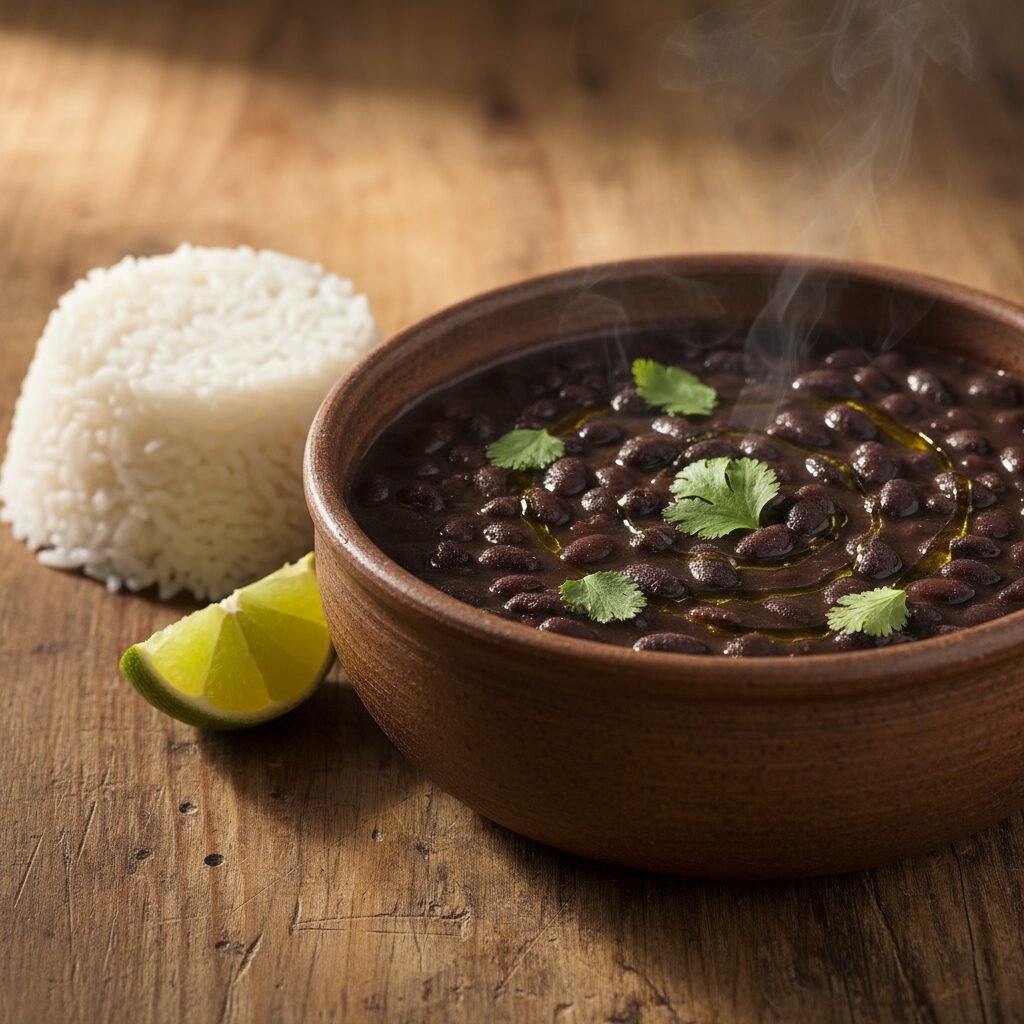
In the world of comfort food, few dishes deliver the same soul-satisfying richness and depth as a perfectly executed pot of Cuban black beans (frijoles negros). This isn’t your average, hastily opened can of beans. This is a culinary experience born from patience and simple, yet powerful, ingredients. We’re talking about humble dried beans, transformed through a slow simmer into a creamy, savory, and profoundly flavorful dish that can stand proudly on its own or serve as the ultimate companion to countless meals. The magic lies in the sofrito—a meticulously sautéed base of onion, green pepper, and garlic—and the low-and-slow cooking process that allows every element to meld into a harmonious, velvety stew. Forget what you think you know about beans; this recipe elevates them from a mere pantry staple to the star of the plate. Prepare to discover the affordable luxury that has graced Cuban tables for generations.
15 minutes (plus overnight soak)
2 to 2.5 hours
Approximately 2.5 hours (plus overnight soak)
Serves 8-10 (makes about 10 cups)
Side Dish, Main Course
Stovetop Simmering
Cuban
Vegan, Vegetarian, Gluten-Free
Why You’ll Love This Recipe
- Authentic Cuban flavor profile with a rich, aromatic sofrito base.
- Incredibly budget-friendly, turning a simple bag of dried beans into a feast.
- Versatile enough to be a hearty side dish, a vegetarian main course, or a component in other recipes.
- Excellent for meal prep and freezes beautifully, making it perfect for batch cooking.
- Naturally vegan, gluten-free, and packed with plant-based protein and fiber.
Equipment You’ll Need
- Large heavy-bottomed pot or Dutch oven (at least 6 quarts)
- Large bowl (for soaking beans)
- Colander
- Chef’s knife
- Cutting board
- Wooden spoon or heatproof spatula
Ingredients
- 1 lb dried black beans, picked over and rinsed
- 3 tablespoons olive oil
- 1 large yellow onion, finely chopped
- 1 large green bell pepper, finely chopped
- 6-8 cloves garlic, minced
- 2 bay leaves
- 1 tablespoon ground cumin
- 1 teaspoon dried oregano
- 8 cups water or vegetable broth, plus more as needed
- 2 tablespoons apple cider vinegar or red wine vinegar
- 1 teaspoon sugar (optional, but recommended for authentic flavor)
- 1.5 teaspoons kosher salt (or to taste)
- 1/2 teaspoon freshly ground black pepper (or to taste)
Instructions
- Step 1: Soak the Beans. Place the rinsed black beans in a large bowl and cover with at least 3 inches of cold water. Let them soak for at least 8 hours or overnight. Alternatively, for a quick soak, place beans in a large pot, cover with water, bring to a boil, cook for 2 minutes, then remove from heat, cover, and let stand for 1 hour. Drain and rinse the soaked beans thoroughly, regardless of the method used.
- Step 2: Build the Sofrito. In a large Dutch oven or heavy-bottomed pot, heat the olive oil over medium heat. Add the chopped onion and green bell pepper. Sauté, stirring occasionally, for 8-10 minutes, until the vegetables are very soft and translucent. Do not rush this step; it’s crucial for building the flavor base. Add the minced garlic, ground cumin, and dried oregano. Cook for another 1-2 minutes, stirring constantly, until fragrant.
- Step 3: Combine and Simmer. Add the drained and rinsed black beans to the pot with the sofrito. Pour in 8 cups of water or vegetable broth and add the two bay leaves. Stir everything together to combine. Increase the heat to high and bring the mixture to a boil.
- Step 4: The Slow Simmer. Once boiling, immediately reduce the heat to low, cover the pot, and let it simmer gently. Cook for 2 to 2.5 hours, or until the beans are completely tender and creamy. Stir occasionally to prevent sticking, and add more hot water or broth if the liquid reduces too much.
- Step 5: Finish the Beans. Once the beans are tender, remove the bay leaves. Use the back of a spoon or a potato masher to mash about 1 cup of the beans against the side of the pot. This will help to thicken the liquid and create a creamier consistency. Stir in the vinegar, sugar (if using), kosher salt, and black pepper. Let the beans simmer uncovered for another 10-15 minutes to allow the final flavors to meld and the sauce to thicken slightly. Taste and adjust seasoning as needed.
- Step 6: Rest and Serve. For the best flavor, turn off the heat and let the beans rest for at least 15-20 minutes before serving. This allows them to thicken further and the flavors to settle. Serve hot.
Expert Cooking Tips
- Don’t Salt Too Early: Adding salt at the beginning of the cooking process can sometimes toughen the skins of the beans, extending the cooking time. It’s best to add salt in the final 30 minutes of cooking.
- The Sofrito is Key: Don’t skimp on the time it takes to soften the onions and peppers. A well-developed, sweet sofrito is the foundation of authentic Cuban black beans.
- Mash for Creaminess: Mashing a portion of the beans at the end is a classic technique that creates a thick, luxurious, and creamy texture without adding any dairy or flour.
- Patience is a Virtue: The long, slow simmer is what makes these beans so special. Avoid the temptation to boil them, as this can cause the beans to break apart and become mushy rather than creamy.
- Better the Next Day: Like many stews, these beans are even more flavorful on the second or third day as the ingredients continue to meld. Plan to make them ahead of time if you can.
Substitutions and Variations
For a quicker version, you can use 3 (15-ounce) cans of black beans, rinsed and drained. Sauté the sofrito as directed, then add the canned beans and only 2 cups of broth. Simmer for just 30 minutes before proceeding to the finishing steps. For a different flavor profile, you can use a red bell pepper instead of green, or add a finely diced jalapeño to the sofrito for a touch of heat. Lime juice can be used in place of vinegar for a brighter finish.
Common Mistakes to Avoid
The most common mistake is undercooking the sofrito; it needs to be very soft and sweet, not just lightly cooked. Another frequent error is boiling the beans instead of simmering them gently, which can lead to burst skins and a less desirable texture. Forgetting the final addition of vinegar is also a miss—that small amount of acid is crucial for brightening and balancing the deep, earthy flavors of the beans. Lastly, be sure to use enough liquid; beans absorb a lot as they cook, and letting the pot run dry will result in scorching.
Serving Suggestions
The classic pairing is with fluffy white rice to create a simple yet profound meal. Serve alongside roasted pork (lechon asado), grilled chicken, or fried plantains (platanos maduros). They are also fantastic as a filling for tacos, burritos, or as a base for a hearty bowl topped with avocado, diced red onion, cilantro, and a dollop of sour cream or a drizzle of olive oil. A fresh, simple salad with a citrus vinaigrette provides a perfect, bright contrast.
Storage and Reheating Tips
Allow the beans to cool completely before storing. They can be refrigerated in an airtight container for up to 5 days. For longer storage, freeze the beans in portion-sized, freezer-safe containers or bags for up to 6 months. To reheat, thaw in the refrigerator overnight and gently warm on the stovetop or in the microwave, adding a splash of water or broth if they seem too thick.
Nutrition Facts (Estimated)
| Serving Size | 1 cup |
| Calories | 275 kcal |
| Fat | 6g |
| Saturated Fat | 1g |
| Unsaturated Fat | 5g |
| Trans Fat | 0g |
| Cholesterol | 0mg |
| Sodium | 480mg |
| Carbohydrates | 44g |
| Fiber | 16g |
| Sugar | 4g |
| Protein | 15g |
Frequently Asked Questions
Do I absolutely have to soak the beans overnight?
While highly recommended for achieving the creamiest texture and ensuring even cooking, you can use the quick-soak method described in the instructions. Soaking also helps make the beans more easily digestible. If you skip soaking entirely, you will need to increase the cooking time significantly, likely by an additional hour or more, and may need more cooking liquid.
Can I make this recipe in a slow cooker or pressure cooker?
Yes. For a slow cooker, prepare the sofrito on the stovetop first, then transfer it to the slow cooker with the soaked beans and liquid. Cook on low for 6-8 hours or on high for 3-4 hours. For a pressure cooker (like an Instant Pot), use the sauté function for the sofrito, then add the soaked beans and liquid. Cook on high pressure for 25-30 minutes, followed by a natural release. You may need to use the sauté function again at the end to thicken the sauce.
Why are my beans still hard after hours of simmering?
There are a few potential culprits. Your dried beans might be old; the older they are, the longer they take to soften. Hard water can also inhibit the cooking process. Finally, adding acidic ingredients (like tomatoes or a large amount of vinegar) or salt too early can sometimes prevent beans from becoming tender. Ensure you are using a gentle simmer, not a rolling boil.
Conclusion
There is a profound satisfaction that comes from transforming a simple, inexpensive ingredient into something truly spectacular. These Slow Simmered Cuban Black Beans are a testament to that culinary alchemy. They are more than just a side dish; they are a bowl of comfort, a taste of tradition, and proof that the most memorable meals are often born from the humblest of beginnings. We encourage you to embrace the slow simmer, to let the aromas fill your kitchen, and to discover just how show-stopping a simple pot of beans can be.