Pasta Al Limone: The 3-Ingredient Dinner That Feels Fancy
Pasta Al Limone: The 3-Ingredient Dinner That Feels Fancy
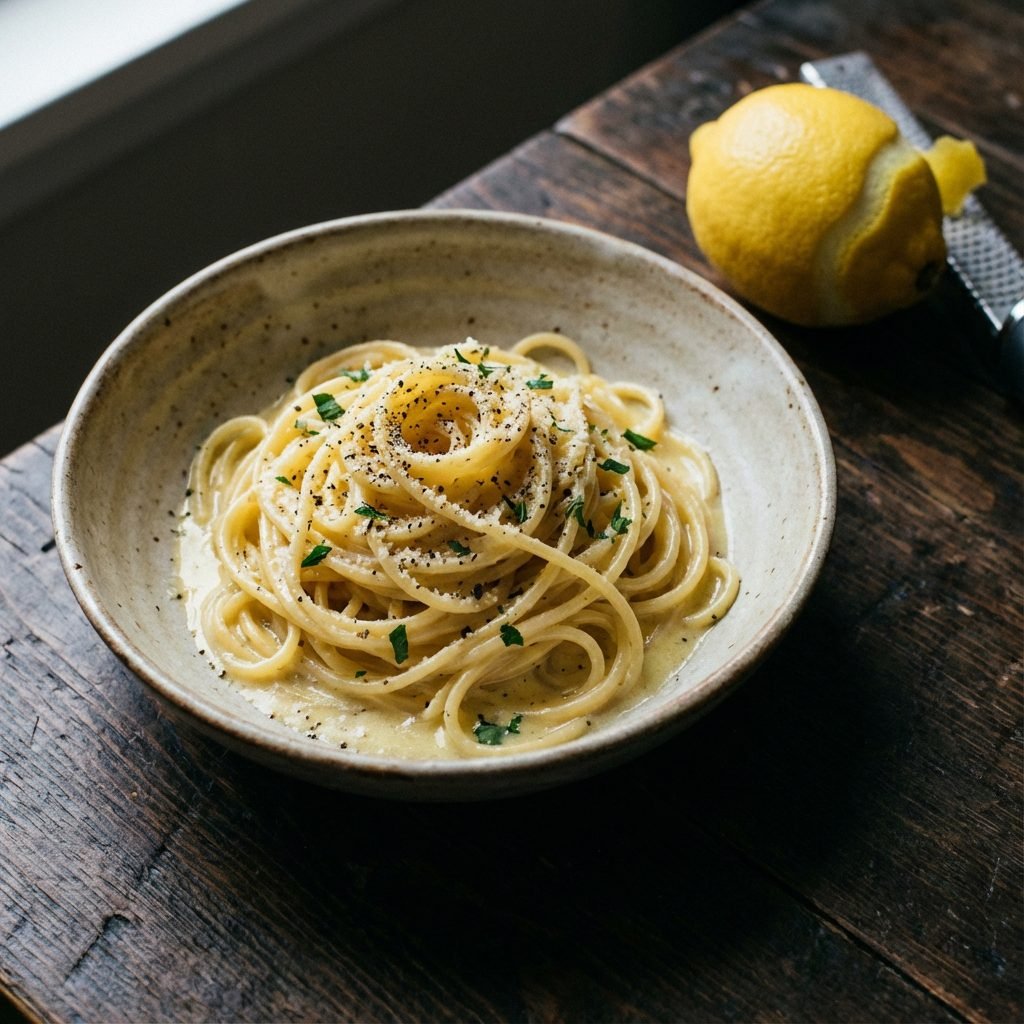
In the world of Italian cuisine, beauty often lies in simplicity. Pasta Al Limone is the quintessential example of this philosophy. With just a handful of core ingredients—pasta, lemon, and Parmesan—you can create a dish that is astonishingly bright, creamy, and deeply satisfying. This isn’t just a recipe; it’s a testament to the magic that happens when high-quality components are treated with respect. Often overshadowed by its more famous Roman counterparts like Cacio e Pepe or Carbonara, Pasta Al Limone is a southern Italian classic, hailing from the sun-drenched Amalfi Coast where lemons grow in abundance. It’s the kind of meal you can whip up on a Tuesday night when you’re short on time but craving something elegant. It’s a dish that proves you don’t need a long list of ingredients or complicated techniques to produce a meal that feels luxurious and special. Prepare to be amazed by how these simple staples transform into a silky, vibrant sauce that clings to every strand of pasta.
5 minutes
15 minutes
20 minutes
4 servings
Main Course
Stovetop
Italian
Vegetarian
Why You’ll Love This Recipe
- Ready in under 20 minutes, perfect for busy weeknights.
- Built on pantry staples, making it incredibly budget-friendly.
- A vegetarian main course that is light yet satisfying.
- Elegant and impressive enough for serving to guests.
- Requires minimal cleanup with a one-pot, one-pan method.
Equipment You’ll Need
- Large pot or Dutch oven (for boiling pasta)
- Colander or spider strainer
- Large skillet or sauté pan
- Microplane or zester
- Citrus juicer
- Tongs
- Measuring cups and spoons
Ingredients
- 1 pound (454g) long pasta, such as spaghetti, linguine, or fettuccine
- Kosher salt, for the pasta water
- 6 tablespoons (85g) unsalted butter, cubed
- 1 large lemon, zested and juiced (you’ll need about 1/4 cup of juice)
- 1 cup (about 100g) finely and freshly grated Parmesan cheese, plus extra for serving
- Freshly ground black pepper
- 1.5 cups reserved starchy pasta water
Instructions
- Bring a large pot of water to a rolling boil. Season it generously with kosher salt until it tastes like the sea. This is your only chance to season the pasta itself.
- Add the pasta to the boiling water and cook according to package directions until al dente. The pasta should still have a slight bite.
- While the pasta is cooking, prepare your sauce components. Zest the entire lemon into a small bowl and then juice it into another. Grate your Parmesan cheese. Cubing the butter will help it melt evenly.
- Just before the pasta is done, use a heatproof measuring cup to carefully scoop out about 2 cups of the starchy cooking water. Set it aside. This water is liquid gold and the key to a creamy sauce.
- In a large skillet over medium-low heat, melt the cubed butter. Once melted, add the zest from the lemon and swirl the pan for about 30 seconds until fragrant. This infuses the butter with bright lemon flavor.
- Using tongs, transfer the cooked pasta directly from the pot to the skillet with the lemon butter. Don’t worry if some water comes along with it. Add 1 cup of the reserved pasta water to the skillet.
- Toss the pasta continuously with the tongs, allowing the starchy water and butter to begin emulsifying. The mixture will start to look like a thin, glossy sauce.
- Remove the skillet from the heat. This is a crucial step to prevent the cheese from clumping. Gradually sprinkle in the grated Parmesan cheese, tossing constantly with the tongs to melt it into the sauce. If the sauce looks too thick, add another splash of pasta water until it reaches a silky, coating consistency.
- Stir in the fresh lemon juice and a generous amount of freshly ground black pepper. Taste the sauce and add more salt if needed, though the Parmesan and pasta water are already salty.
- Serve immediately in warm bowls, garnished with an extra sprinkle of Parmesan cheese, more black pepper, and perhaps a little fresh parsley or basil if you have it on hand.
Expert Cooking Tips
- Use high-quality ingredients. Since there are so few, their quality will shine through. Use good butter, a fresh lemon, and a block of real Parmigiano-Reggiano.
- Do not discard the pasta water! The starches in the water are essential for creating a smooth, emulsified sauce that clings to the pasta instead of pooling at the bottom of the bowl.
- Grate your own cheese. Pre-shredded cheeses are often coated with anti-caking agents like cellulose, which prevent them from melting smoothly and can result in a grainy sauce.
- Remove the pan from the heat before adding the cheese. Adding cheese to a skillet that is too hot is the number one cause of a broken, clumpy, or greasy sauce. Let the residual heat of the pasta and water do the work.
- Work quickly once the pasta is in the skillet. The emulsification process happens fast, and the dish is best served piping hot.
Substitutions and Variations
For pasta, any long strand like bucatini, tagliatelle, or even angel hair will work beautifully. If you prefer short pasta, choose a shape with ridges like rigatoni or fusilli to catch the sauce. For cheese, Pecorino Romano can be substituted for a sharper, saltier flavor profile, or you can use a mix of both. To make it vegan, use a high-quality vegan butter and a good melting vegan Parmesan alternative, plus a tablespoon of nutritional yeast for extra cheesy flavor.
Common Mistakes to Avoid
The most common mistake is creating a clumpy or broken sauce. This happens for two reasons: adding the cheese when the pan is too hot, or not using enough of the starchy pasta water. Always take the pan off the heat before adding cheese, and add the pasta water gradually until you have a sauce that is the consistency of heavy cream. Another mistake is under-seasoning the pasta water; well-salted water is crucial for the overall flavor of the dish.
Serving Suggestions
While delicious on its own, Pasta Al Limone serves as a fantastic canvas for additions. Serve it alongside grilled shrimp, pan-seared scallops, or a simple piece of baked salmon. For a vegetarian meal, top with toasted breadcrumbs for crunch or serve with a side of roasted asparagus, broccolini, or a simple arugula salad with a light vinaigrette. A crisp, dry white wine like a Pinot Grigio or Sauvignon Blanc pairs perfectly.
Storage and Reheating Tips
Pasta Al Limone is best enjoyed fresh, as the sauce can tighten and absorb into the pasta upon refrigeration. However, if you have leftovers, store them in an airtight container in the refrigerator for up to 2 days. To reheat, place the pasta in a skillet over low heat with a splash of water, milk, or cream. Stir gently until the sauce becomes creamy again and the pasta is warmed through. Avoid microwaving, as it can make the sauce oily.
Nutrition Facts (Estimated)
| Serving Size | 1 serving (approx. 2 cups) |
| Calories | 510 kcal |
| Fat | 22g |
| Saturated Fat | 13g |
| Unsaturated Fat | 7g |
| Trans Fat | 0g |
| Cholesterol | 65mg |
| Sodium | 450mg |
| Carbohydrates | 60g |
| Fiber | 3g |
| Sugar | 4g |
| Protein | 18g |
Frequently Asked Questions
Can I use bottled lemon juice instead of fresh?
It is highly recommended to use fresh lemon juice and zest. The flavor of freshly squeezed lemon is much brighter and more complex than bottled juice, and the zest is essential for infusing the butter with aromatic lemon oils, which is a key flavor component of the dish.
My sauce is too thin/too thick. How do I fix it?
This is easily adjustable. If the sauce is too thin, return the pan to low heat and continue tossing the pasta; the sauce will thicken as the pasta absorbs liquid and the water evaporates. If the sauce is too thick or dry, simply stir in more of the reserved pasta water, a tablespoon at a time, until it reaches your desired consistency.
Can I make this dish gluten-free?
Absolutely. Use your favorite brand of gluten-free long pasta, such as spaghetti or linguine. Be aware that gluten-free pasta can release a different amount of starch, so be sure to reserve plenty of pasta water and adjust the sauce as needed.
Conclusion
Pasta Al Limone is more than just a quick meal; it’s a cooking lesson in a bowl. It teaches us the power of technique and the importance of simple, quality ingredients. The alchemy of starchy pasta water, rich butter, salty cheese, and bright lemon creates a sauce that is truly sublime. Once you master this simple dish, it will undoubtedly become a staple in your culinary repertoire, ready to impress on any occasion. Enjoy the bright, comforting taste of the Italian coast, no matter where you are.