Oyakodon: The 10 Minute Chicken and Egg Bowl
Oyakodon: The 10 Minute Chicken And Egg Bowl
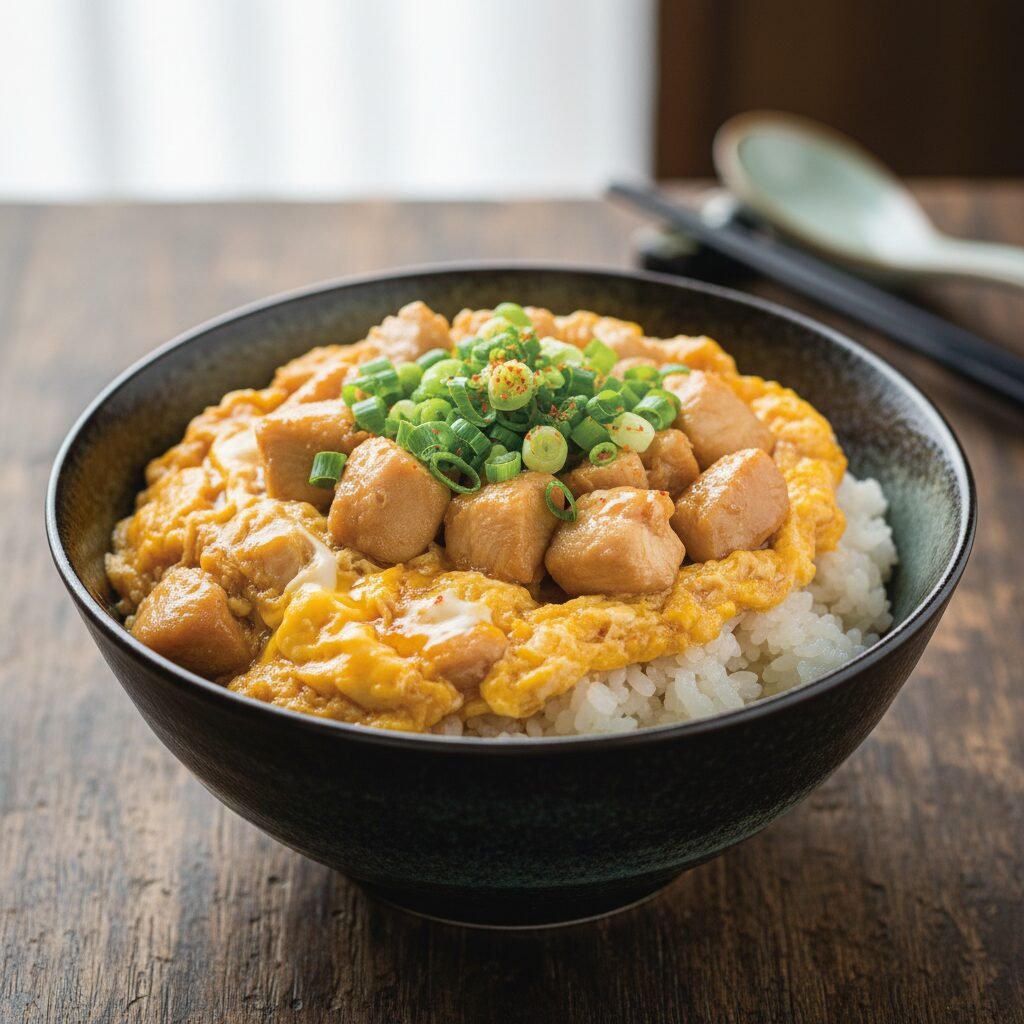
Oyakodon is the quintessential Japanese comfort food, a dish that masterfully combines simplicity, speed, and profound flavor. The name itself, translating to ‘parent-and-child bowl,’ poetically describes its core ingredients: chicken (the parent) and egg (the child), simmered together in a savory-sweet dashi-based broth and served over a bed of fluffy rice. This isn’t just a meal; it’s a staple of Japanese home cooking and a go-to lunch option, beloved for its ability to deliver a deeply satisfying experience in minutes. Our recipe honors the classic preparation, guiding you to create a perfect, soulful bowl of Oyakodon in just 10 minutes. It’s the ideal solution for a busy weeknight, a quick lunch, or any moment you crave a taste of authentic Japanese cuisine without the fuss.
5 minutes
5 minutes
10 minutes
1 serving
Main Course
Simmering
Japanese
High-Protein
Why You’ll Love This Recipe
- Ready in 10 minutes from start to finish.
- A complete, balanced one-bowl meal.
- Features a classic sweet and savory Japanese flavor profile.
- Uses simple, accessible ingredients.
- Authentic technique for a silky, custardy egg texture.
Equipment You’ll Need
- Oyakodon pan or a small 6-8 inch non-stick skillet with a lid
- Cutting board
- Chef’s knife
- Small bowl for eggs
- Chopsticks or a fork for beating eggs
- Measuring cups and spoons
Ingredients
- 1 serving (approx. 1 cup cooked) Japanese short-grain rice, hot
- 4 oz (115g) boneless, skinless chicken thigh, cut into 1-inch pieces
- 1/4 large yellow onion, thinly sliced
- 2 large eggs
- 1/4 cup dashi stock
- 1.5 tablespoons Japanese soy sauce (shoyu)
- 1.5 tablespoons mirin
- 1 tablespoon sake (optional, but recommended)
- 1 teaspoon granulated sugar
- For garnish: thinly sliced scallions, mitsuba (Japanese parsley), or shichimi togarashi (Japanese seven-spice)
Instructions
- Prepare your ingredients (Mise en Place): Place the hot cooked rice into a serving bowl (donburi). Thinly slice the onion. Cut the chicken thigh into uniform, bite-sized pieces. In a small bowl, crack the two eggs and lightly beat them with chopsticks or a fork. The goal is not to fully incorporate them; you should still see distinct streaks of yolk and white. Set everything aside.
- Create the Simmering Broth: In your Oyakodon pan or small skillet, combine the dashi stock, soy sauce, mirin, sake (if using), and sugar. Place the pan over medium heat and bring the mixture to a gentle simmer, stirring once to dissolve the sugar.
- Cook the Chicken and Onion: Add the sliced onions to the simmering broth and spread them in an even layer. Cook for 1-2 minutes until they begin to soften. Add the chicken pieces, distributing them evenly in the pan. Continue to simmer for 3-4 minutes, turning the chicken occasionally, until it is cooked through.
- Add the Egg: Once the chicken is cooked, reduce the heat to medium-low. Slowly drizzle about two-thirds of the beaten egg mixture over the chicken and onions. Cover the pan with a lid and cook for about 60 seconds, or until the egg is about 70% set.
- Finish with Remaining Egg: Uncover the pan and drizzle the remaining one-third of the egg mixture over the top. This two-step process creates layers of texture, with a fully cooked base and a silky, slightly runny top. Cover again and cook for another 30-60 seconds, or until the egg is cooked to your desired doneness. For an authentic texture, it should still be soft and slightly jiggly.
- Serve Immediately: Carefully slide the entire contents of the pan over the hot rice in your bowl. Do not stir. Garnish generously with sliced scallions, mitsuba, or a sprinkle of shichimi togarashi. Serve immediately while hot.
Expert Cooking Tips
- Use Chicken Thighs: While chicken breast works, thighs are traditional and highly recommended. Their higher fat content keeps them tender and juicy during simmering and adds more flavor to the dish.
- Don’t Over-Beat the Eggs: For the perfect silky texture, beat the eggs just enough to break up the yolks. Streaks of white and yolk create a more visually appealing and texturally interesting final dish.
- Control Your Pan Size: Using a small (6-8 inch) skillet is crucial. A large pan will cause the broth to spread out and evaporate too quickly, leaving your ingredients dry and your sauce too concentrated.
- Master the Egg Doneness: The magic of Oyakodon is in the egg’s texture. Aim for a ‘just-set’ consistency—custardy and soft, not rubbery. Watch it closely as it cooks very fast.
- Don’t Crowd the Pan: This recipe is for a single serving. If making multiple bowls, cook each one individually to ensure the ingredients cook evenly and the sauce-to-ingredient ratio is correct.
Substitutions and Variations
For a different protein, you can use thinly sliced pork or beef (though this would technically make it a different dish, like Butadon or Gyudon). If you don’t have dashi, you can use a low-sodium chicken broth as a base, though the flavor will be less traditional. Dry sherry can be used as a substitute for sake. If you don’t have mirin, you can use a mixture of sake and a bit more sugar, but mirin provides a unique gloss and depth of flavor.
Common Mistakes to Avoid
The most common mistake is overcooking the eggs, resulting in a tough, scrambled texture instead of a soft, silky blanket over the chicken. To avoid this, use medium-low heat and remove the pan from the heat while the eggs are still slightly runny; the residual heat will continue to cook them. Another frequent error is using a pan that is too large, which causes the sauce to reduce too quickly. Finally, ensure your chicken pieces are cut to a uniform size for even cooking.
Serving Suggestions
Oyakodon is a complete meal in a bowl, but it pairs beautifully with traditional Japanese side dishes. Serve it with a bowl of hot miso soup, a side of Japanese pickles (tsukemono) like pickled ginger or daikon radish for a crunchy, acidic contrast, and a simple green salad with a sesame or ginger dressing. A cup of hot green tea is the perfect beverage to accompany the meal.
Storage and Reheating Tips
Oyakodon is best consumed immediately after preparation for the optimal texture. If you have leftovers, store the chicken and egg topping separately from the rice in an airtight container in the refrigerator for up to 24 hours. Reheat the topping gently in a saucepan over low heat or in the microwave. Be aware that the texture of the reheated eggs will become firmer and less silky.
Nutrition Facts (Estimated)
| Serving Size | 1 bowl (approx. 450g) |
| Calories | 670 kcal |
| Fat | 22g |
| Saturated Fat | 6g |
| Unsaturated Fat | 14g |
| Trans Fat | 0g |
| Cholesterol | 450mg |
| Sodium | 1250mg |
| Carbohydrates | 76g |
| Fiber | 4g |
| Sugar | 14g |
| Protein | 42g |
Frequently Asked Questions
What does Oyakodon mean?
Oyakodon (親子丼) literally translates to ‘parent-and-child bowl.’ ‘Oyako’ (親子) means ‘parent and child,’ and ‘don’ (丼) is short for ‘donburi,’ which means ‘bowl’ and refers to the Japanese dish style of ingredients served over rice in a bowl.
Can I make this without a special Oyakodon pan?
Absolutely. While an Oyakodon pan with its sloped sides makes it easier to slide the finished product onto the rice, any small 6 to 8-inch skillet, preferably non-stick and with a lid, will work perfectly well.
Is it safe to eat the eggs if they are slightly runny?
The traditional preparation results in a soft-set, custardy egg. If you have concerns about consuming undercooked eggs, use pasteurized eggs or simply cook them for a minute or two longer until they are fully set to your preference.
Can I double this recipe to serve two people?
It is highly recommended to cook each serving of Oyakodon individually. Doubling the ingredients in one small pan will overcrowd it, leading to uneven cooking and an incorrect sauce ratio. The process is so fast that cooking two servings back-to-back is very efficient.
Conclusion
With this recipe, the power to create a genuinely authentic and delicious bowl of Oyakodon is in your hands. In less time than it takes to decide on takeout, you can craft a meal that is comforting, nutritious, and packed with the nuanced flavors of Japan. Embrace the simplicity, respect the technique, and enjoy the rich reward of your very own perfect ‘parent-and-child’ bowl.