One Pot Frogmore Stew: The Easiest Sausage and Potato Boil
One Pot Frogmore Stew: The Easiest Sausage And Potato Boil
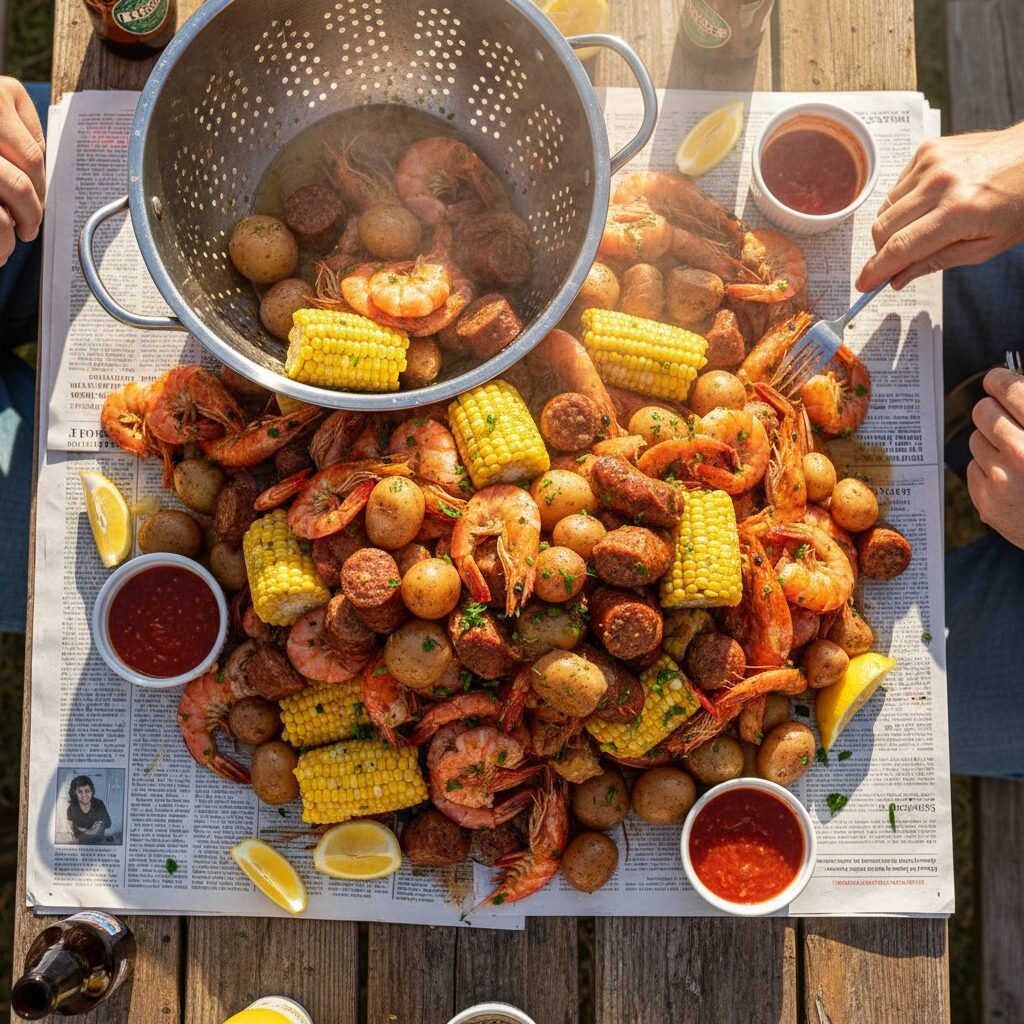
Welcome to the ultimate guide to creating one of the South’s most beloved communal dishes: Frogmore Stew. Despite its name, this iconic meal isn’t a stew at all. It’s a vibrant, flavorful, and wonderfully messy one-pot boil, brimming with shrimp, sausage, corn, and potatoes, all simmered in a zesty, seasoned broth. Hailing from the Lowcountry of South Carolina, specifically from the small fishing community of Frogmore on St. Helena Island, this dish is also known as a Lowcountry Boil, Beaufort Boil, or Tidewater Boil. Whatever you call it, its essence remains the same: simplicity, community, and incredible flavor. The beauty of Frogmore Stew lies in its rustic presentation and easy preparation. Everything is cooked sequentially in a single large pot, which means minimal cleanup and maximum time spent with your guests. The traditional way to serve it is to simply drain the pot and pour the contents directly onto a newspaper-lined table, inviting everyone to dig in with their hands. It’s more than just a meal; it’s an event, a celebration of coastal living and shared food. This recipe breaks down the process into simple, foolproof steps, ensuring you can recreate this Southern classic in your own backyard, no matter where you live. It’s the perfect dish for summer gatherings, family reunions, or any occasion that calls for a fun, interactive, and utterly delicious feast.
20 minutes
30 minutes
50 minutes
Serves 6-8 people
Main Course
Boiling
American (Southern, Lowcountry)
Gluten-Free
Why You’ll Love This Recipe
- A true one-pot wonder, minimizing cleanup and simplifying the cooking process.
- Perfectly designed for feeding a crowd, making it ideal for parties, holidays, and family gatherings.
- Embodies the classic, savory, and zesty flavors of authentic Southern Lowcountry cuisine.
- Highly customizable with different types of sausage, seafood, and levels of spice to suit your taste.
Equipment You’ll Need
- Large stockpot (at least 16-quart capacity)
- Long-handled slotted spoon or spider strainer
- Large cutting board
- Sharp chef’s knife
- Colander (optional, for draining)
Ingredients
- 4 quarts (16 cups) of water
- 1 (12-ounce) can or bottle of beer (optional, adds depth)
- 1/2 cup seafood boil seasoning (such as Old Bay), plus more for sprinkling
- 2 tablespoons kosher salt
- 2 large lemons, halved
- 2 medium yellow onions, peeled and quartered
- 1 head of garlic, halved crosswise
- 2 pounds small red potatoes, washed
- 1.5 pounds smoked sausage (such as Kielbasa or Andouille), cut into 2-inch pieces
- 6-8 ears of fresh corn, shucked and broken into 3-inch pieces
- 2 pounds large raw shrimp, shell-on and deveined (16-20 count)
- For serving: 1/2 cup (1 stick) unsalted butter, melted; chopped fresh parsley; cocktail sauce; hot sauce; extra lemon wedges
Instructions
- Step 1: Create the Aromatic Broth. In your large stockpot, combine the 4 quarts of water, the optional beer, seafood boil seasoning, and kosher salt. Squeeze the juice from the halved lemons into the pot, then drop the lemon halves in as well. Add the quartered onions and the halved head of garlic. Stir everything to combine.
- Step 2: Bring to a Boil. Cover the stockpot and bring the liquid to a rolling boil over high heat. This step is crucial as it creates the flavorful foundation that will infuse every ingredient.
- Step 3: Cook the Potatoes. Once the broth is boiling vigorously, carefully add the red potatoes. Reduce the heat slightly to maintain a steady boil. Cook for about 15 minutes, or until the potatoes are just beginning to become tender when pierced with a fork. They should not be fully cooked at this stage.
- Step 4: Add Sausage and Corn. Add the sliced smoked sausage and the pieces of corn to the pot. Continue to boil for another 5-7 minutes. The corn should become bright yellow and tender, and the sausage will be heated through, releasing its savory flavors into the broth.
- Step 5: Cook the Shrimp. This is the final and fastest cooking step. Add the shrimp to the pot and stir gently. Cook for just 2-3 minutes, until the shrimp turn pink and opaque. Be very careful not to overcook them, as they will become tough and rubbery. As soon as they are done, immediately remove the pot from the heat.
- Step 6: Drain and Serve. Using your long-handled slotted spoon or spider strainer, remove all the solids from the pot and transfer them to a large serving platter or, for the traditional experience, pour them onto a newspaper-lined picnic table. Discard the broth, lemons, onions, and garlic.
- Step 7: Garnish and Enjoy. Drizzle the melted butter over the entire pile of food. Sprinkle generously with fresh parsley and a little extra seafood boil seasoning, if desired. Serve immediately with bowls of cocktail sauce, hot sauce, and plenty of fresh lemon wedges for squeezing over the top. Provide plenty of napkins and let everyone dig in!
Expert Cooking Tips
- Mind the Timing: The key to a perfect boil is adding ingredients in stages based on their cooking time. Potatoes go first, followed by sausage and corn, with the quick-cooking shrimp added at the very end. Create a timeline so you’re not guessing.
- Don’t Overcook the Shrimp: This is the most common mistake. Shrimp cook in a matter of minutes. The moment they turn pink and curl, they’re done. Pull the pot from the heat immediately to prevent them from becoming tough.
- Use Waxy Potatoes: Small red potatoes or Yukon Golds are the best choice. Their waxy texture helps them hold their shape during boiling, unlike starchy potatoes like Russets, which can fall apart and make the broth cloudy.
- Season Aggressively: The boiling liquid should taste intensely seasoned and salty, almost like seawater. Much of this seasoning gets absorbed by the ingredients or is discarded with the water, so don’t be shy with the seafood boil mix.
- Shell-On Shrimp for Flavor: Cooking shrimp with the shells on adds a significant amount of flavor to the boil and helps protect the delicate meat from overcooking. It also makes the meal more interactive and fun to eat.
Substitutions and Variations
Feel free to make this recipe your own. For a spicier kick, use Andouille sausage instead of Kielbasa. If you’re a seafood lover, add a pound of live crawfish, clams, or mussels in the last 5-6 minutes of cooking. Yukon Gold potatoes can be used in place of red potatoes. For a non-alcoholic version, simply replace the beer with an equal amount of water or seafood stock. If you don’t have a pre-made seafood boil seasoning, you can create your own blend using paprika, cayenne pepper, celery salt, black pepper, and mustard powder.
Common Mistakes to Avoid
The most frequent error is adding all ingredients at once, which results in overcooked shrimp and undercooked potatoes. Follow the timed sequence carefully. Another common issue is under-seasoning the water; the broth needs to be potent to properly flavor everything. Using a pot that is too small is also a pitfall; this can cause boil-overs and uneven cooking. Ensure your pot is large enough to comfortably hold all ingredients and the liquid. Finally, avoid using starchy potatoes like Russets, as they will disintegrate and create a mushy texture.
Serving Suggestions
The traditional and most enjoyable way to serve Frogmore Stew is a communal, hands-on affair. Line a large outdoor table with several layers of newspaper or butcher paper. Drain the pot and pour the contents directly down the center of the table. Provide guests with plenty of napkins, paper towels, and bowls for discarded shells. Set out small dishes of melted butter, cocktail sauce, and various hot sauces for dipping. Lemon wedges are a must for squeezing over the shrimp and potatoes. Complement the meal with crusty sourdough bread for soaking up the delicious, buttery juices, and a simple side of coleslaw or a green salad.
Storage and Reheating Tips
While Frogmore Stew is best enjoyed fresh, leftovers can be stored. Allow the ingredients to cool completely, then place them in an airtight container in the refrigerator for up to two days. Separate the seafood from the vegetables and sausage if possible to maintain better texture. To reheat, avoid the microwave, which can make shrimp rubbery. Instead, gently warm the components in a skillet over low heat with a splash of water or broth until just heated through. You can also enjoy the leftovers cold, like a seafood salad.
Nutrition Facts (Estimated)
| Serving Size | 1/6th of the recipe |
| Calories | 680 kcal |
| Fat | 38 g |
| Saturated Fat | 14 g |
| Unsaturated Fat | 24 g |
| Trans Fat | 0 g |
| Cholesterol | 295 mg |
| Sodium | 1950 mg |
| Carbohydrates | 42 g |
| Fiber | 7 g |
| Sugar | 9 g |
| Protein | 41 g |
Frequently Asked Questions
Why is it called Frogmore Stew if it’s not a stew?
The dish gets its name from Frogmore, a small community on St. Helena Island in Beaufort County, South Carolina, where it is believed to have originated. Though it’s a ‘boil’ in cooking terms, the name ‘stew’ likely stuck due to the variety of ingredients cooked together in one pot, similar to a stew’s composition. The name was reportedly coined by the National Guardsman Richard Gay, who learned the recipe from his family and introduced it to a wider audience.
Can I prepare any part of this dish in advance?
While the boil itself should be cooked just before serving for the best texture, you can do all the prep work ahead of time. Wash and cut the potatoes, shuck and break the corn, slice the sausage, and quarter the onions. Store them in separate containers in the refrigerator. This prep can save you about 20 minutes when you’re ready to cook.
How do I adjust the spice level?
You have several ways to control the heat. The primary source of spice is the seafood boil seasoning and the type of sausage. Use a ‘hot’ variety of seasoning or add a teaspoon of cayenne pepper to the broth for more heat. Choosing a spicy Andouille sausage over a milder Kielbasa will also significantly increase the spice level. Conversely, use a mild sausage and less seasoning for a tamer version.
Conclusion
Frogmore Stew is more than just a recipe; it’s a cherished Southern tradition that brings people together. Its one-pot simplicity makes it accessible to cooks of all skill levels, and its communal serving style turns any meal into a memorable event. The combination of savory sausage, sweet shrimp, tender potatoes, and crisp corn, all infused with zesty spices, is a culinary experience that delights the senses. Don’t be afraid to experiment with your own additions and create a version that’s uniquely yours. So, gather your friends and family, line the table with newspaper, and get ready to enjoy one of the most delicious and fun meals the South has to offer.