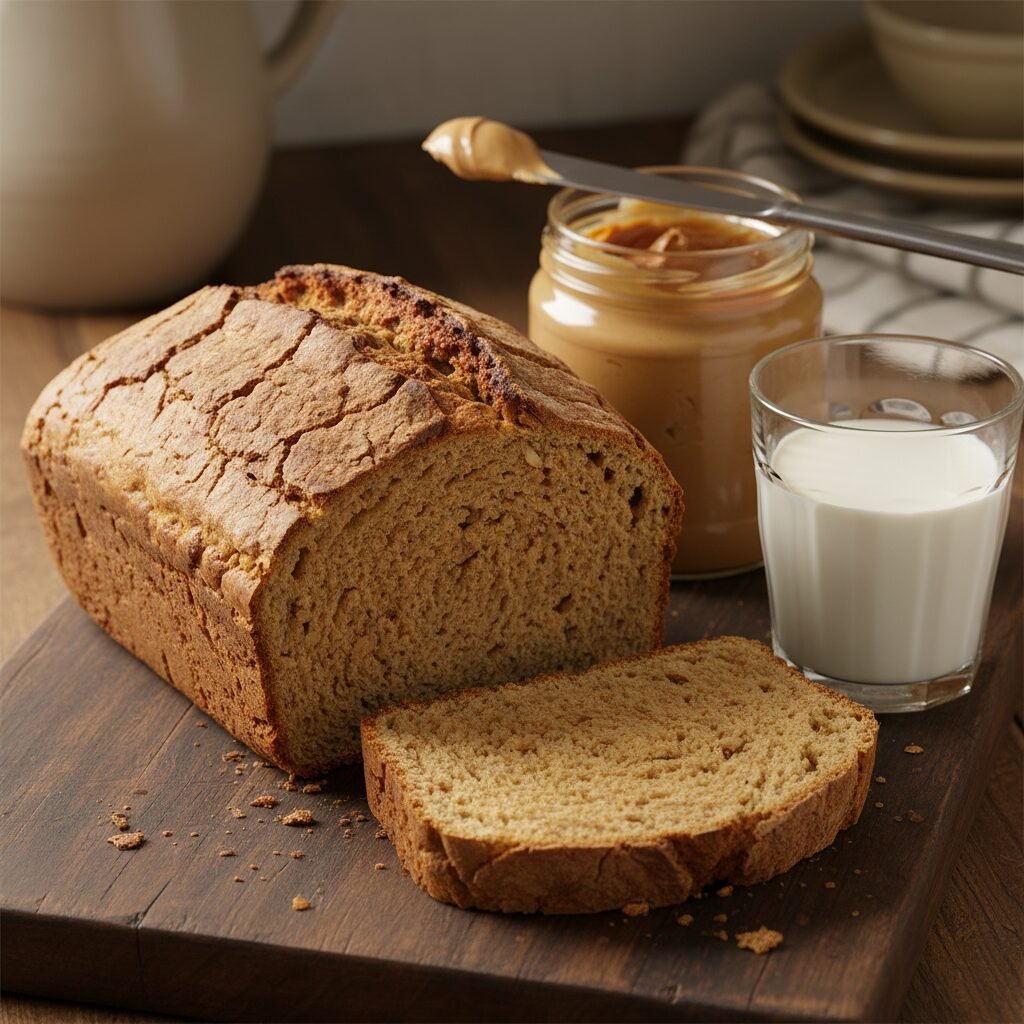
No Eggs? No Yeast? Try This Viral 1930s Peanut Butter Bread
No Eggs? No Yeast? Try This Viral 1930s Peanut Butter Bread
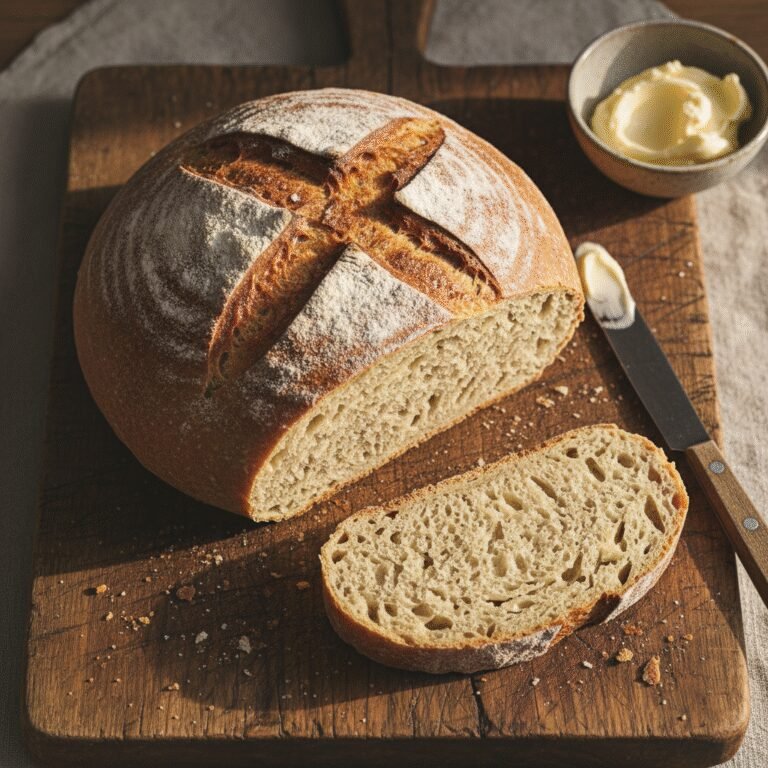
In the world of baking, some recipes are more than just a list of ingredients; they are artifacts of history, telling a story of resilience and ingenuity. This 1930s Peanut Butter Bread is one such recipe. Born from the scarcity of the Great Depression, it was a staple for families who needed to make hearty, satisfying food with the simplest of pantry items. It ingeniously requires no eggs, no butter, and most remarkably, no yeast. Fast forward to the 21st century, and this humble loaf has found a new life, going viral on social media as a new generation discovers its simple charm and surprisingly delicious flavor. It’s a testament to the idea that great food doesn’t need to be complicated. This recipe is your chance to bake a piece of history that is perfectly suited for our modern times—quick, easy, and utterly comforting.
10 minutes
50-60 minutes
1 hour 10 minutes
1 loaf (about 10 slices)
Quick Bread
Baking
American
Vegetarian
Why You’ll Love This Recipe
- A genuine recipe from the 1930s Great Depression era.
- Requires no eggs, yeast, or oil.
- Made with simple, common pantry staples.
- Incredibly quick to mix and prepare (under 10 minutes).
- A dense, moist, and subtly sweet loaf with a distinct peanut butter flavor.
Equipment You’ll Need
- 9×5 inch loaf pan
- Large mixing bowl
- Medium mixing bowl or large liquid measuring cup
- Whisk
- Rubber spatula
- Measuring cups and spoons
- Wire cooling rack
Ingredients
- 2 cups all-purpose flour
- 1/2 cup granulated sugar
- 4 teaspoons baking powder
- 1/2 teaspoon salt
- 1 1/3 cups whole milk
- 1/2 cup creamy peanut butter
Instructions
- Preheat your oven to 350°F (175°C). Grease and flour a 9×5 inch loaf pan, or line it with parchment paper for easy removal.
- In a large mixing bowl, whisk together the dry ingredients: all-purpose flour, granulated sugar, baking powder, and salt. Make sure they are thoroughly combined to ensure an even rise.
- In a separate medium bowl, combine the milk and creamy peanut butter. Whisk until the peanut butter is mostly dissolved into the milk. The mixture may still have small lumps, which is perfectly fine.
- Pour the wet peanut butter and milk mixture into the bowl of dry ingredients.
- Using a rubber spatula or wooden spoon, gently fold the wet and dry ingredients together until just combined. Be careful not to overmix; a few streaks of flour are acceptable. The batter will be thick.
- Scrape the batter into your prepared loaf pan and use the spatula to spread it evenly.
- Bake for 50 to 60 minutes, or until a wooden skewer or toothpick inserted into the center of the loaf comes out clean.
- Remove the pan from the oven and let the bread cool in the pan on a wire rack for 10 minutes.
- After 10 minutes, carefully turn the loaf out of the pan and let it cool completely on the wire rack before slicing. This step is crucial for the bread to set properly.
Expert Cooking Tips
- Measure Flour Correctly: For a tender crumb, spoon the flour into your measuring cup and level it off with a straight edge. Do not scoop directly from the bag, as this compacts the flour and can result in a dry loaf.
- Do Not Overmix: Overmixing develops the gluten in the flour, which will make this eggless bread tough and dense. Mix only until the flour is no longer visible.
- Room Temperature Ingredients: For a smoother batter, allow the milk and peanut butter to come to room temperature before mixing.
- Check for Doneness: Ovens vary. Start checking the bread around the 45-minute mark. If the top is browning too quickly, you can loosely tent it with aluminum foil for the remainder of the baking time.
Substitutions and Variations
For a vegan version, substitute the whole milk with an equal amount of unsweetened plant-based milk, such as almond, soy, or oat milk. You can use crunchy peanut butter for added texture, but creamy is traditional. Natural peanut butter works, but you may need to stir it very well first. Brown sugar can be substituted for white sugar for a deeper, more molasses-like flavor.
Common Mistakes to Avoid
The most common mistake is overmixing the batter, leading to a tough, dense loaf. The second is slicing the bread while it’s still warm. This is a moist, tender bread that needs to cool completely to firm up, otherwise, it will be crumbly and gummy when you cut into it. Lastly, ensure your baking powder is fresh; old baking powder will not provide enough lift, resulting in a flat loaf.
Serving Suggestions
This bread is wonderfully versatile. Serve a warm slice with a pat of butter and a drizzle of honey for a comforting snack. It’s also fantastic toasted and spread with your favorite jam or marmalade. For a more decadent treat, top it with chocolate-hazelnut spread and sliced bananas. It also makes a surprisingly sturdy and delicious base for a classic grilled cheese sandwich.
Storage and Reheating Tips
Store the cooled peanut butter bread in an airtight container or a zip-top bag at room temperature for up to 3-4 days. For longer storage, slice the loaf and freeze the slices in a freezer-safe bag. You can toast individual slices directly from the freezer for a quick breakfast or snack.
Nutrition Facts (Estimated)
| Serving Size | 1 slice |
| Calories | 210 kcal |
| Fat | 8g |
| Saturated Fat | 1.5g |
| Unsaturated Fat | 6g |
| Trans Fat | 0g |
| Cholesterol | 5mg |
| Sodium | 350mg |
| Carbohydrates | 29g |
| Fiber | 2g |
| Sugar | 8g |
| Protein | 7g |
Frequently Asked Questions
Can I make this recipe gluten-free?
Yes, you can substitute the all-purpose flour with a 1-to-1 gluten-free baking flour blend that contains xanthan gum. The texture may be slightly different, but it will still be delicious.
My bread came out very dense. What did I do wrong?
A dense texture is typically caused by one of two things: overmixing the batter, which overdevelops the gluten, or using expired baking powder that has lost its leavening power. Mix just until the ingredients are combined for a more tender result.
Can I add mix-ins like chocolate chips or nuts?
Absolutely! Fold in about 1/2 to 3/4 cup of chocolate chips, chopped peanuts, or dried fruit into the batter at the very end. Do not overmix when adding them.
Why doesn’t this recipe use eggs?
The recipe dates back to the Great Depression, a time when ingredients like eggs were often scarce or rationed. The peanut butter and milk provide enough fat and protein to create a stable, moist loaf without them.
Conclusion
The enduring popularity of this 1930s Peanut Butter Bread is a beautiful reminder that resourcefulness and simplicity can lead to truly wonderful results. It’s more than just a recipe; it’s a connection to the past and a practical solution for the modern baker. Whether you’re short on ingredients or just craving a taste of nostalgic comfort, this bread delivers every time. We hope you enjoy baking—and eating—this unique piece of American culinary history.