No-Bake Potato Candy: The Peanut Butter Swirl Depression Treat
No-Bake Potato Candy: The Peanut Butter Swirl Depression Treat
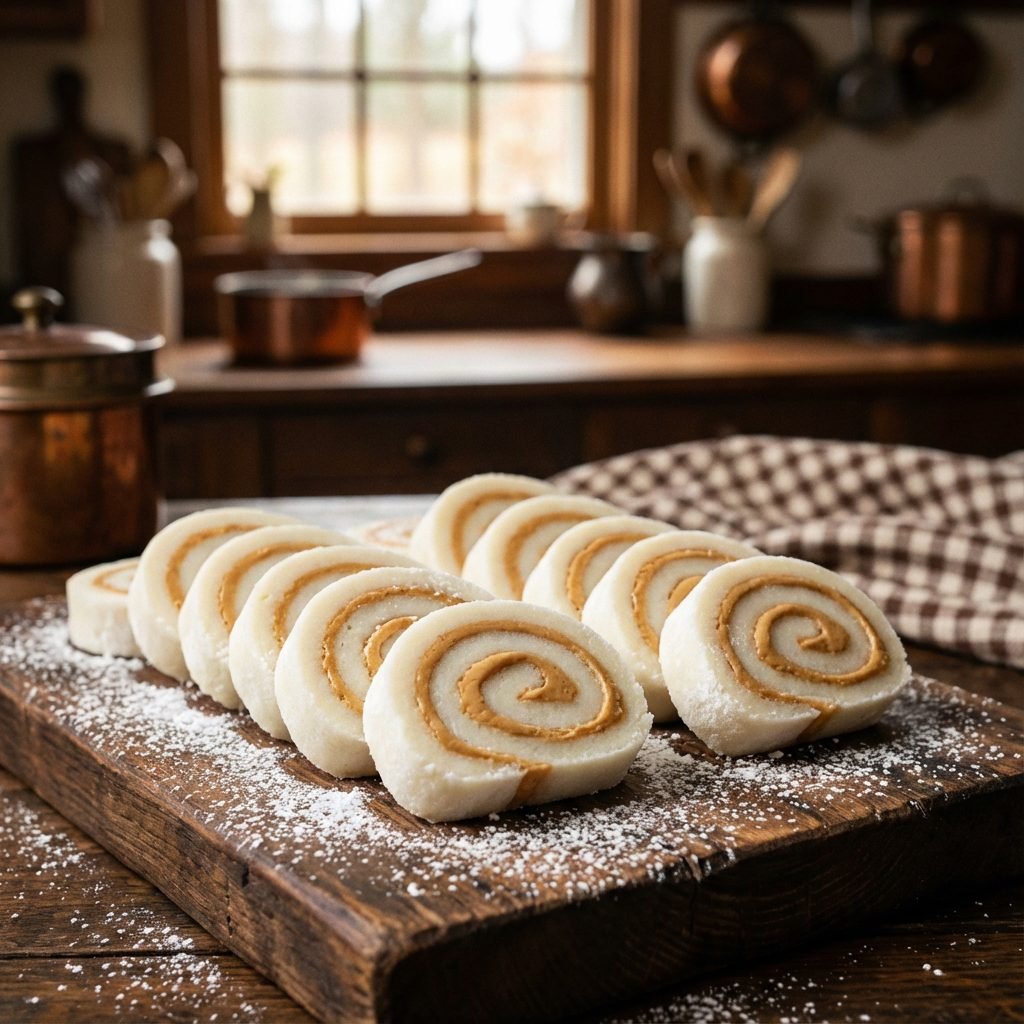
Step back in time with a confection that tells a story of ingenuity and comfort. No-Bake Potato Candy, a treasured recipe born from the resourcefulness of the Great Depression, is a testament to making something truly special from the simplest of ingredients. At first glance, the primary ingredient—a humble potato—might seem out of place in a candy recipe. However, its role is pure genius. The mashed potato provides a neutral, incredibly smooth, and creamy base, replacing the need for eggs, butter, or cream, which were often scarce. When combined with powdered sugar, it transforms into a pliable, fondant-like dough. This recipe elevates the classic by rolling that sweet dough around a rich, savory layer of creamy peanut butter, creating a beautiful spiral of flavor and texture in every slice. It’s a surprisingly delicious, utterly nostalgic treat that requires no oven and comes together with just a handful of pantry staples. Perfect for holiday platters, bake sales, or simply a sweet trip down memory lane.
25 minutes
20 minutes (for potato)
45 minutes, plus 1-2 hours chilling time
24-30 slices
Dessert/Candy
No-Bake
American
Gluten-Free, Vegetarian
Why You’ll Love This Recipe
- A vintage recipe with a fascinating history.
- Completely no-bake, perfect for any time of year.
- Made with simple, budget-friendly pantry ingredients.
- Unique sweet and savory flavor combination.
- Naturally gluten-free when using pure vanilla extract.
- Creates a beautiful pinwheel design perfect for gifting.
Equipment You’ll Need
- Medium saucepan
- Potato peeler
- Fork or potato masher (a potato ricer is ideal)
- Large mixing bowl
- Spatula
- Rolling pin
- Parchment paper (about 2 feet)
- Offset spatula or knife for spreading
- Sharp knife for slicing
Ingredients
- 1 medium Russet potato (about 1/2 pound or 8 ounces)
- 4-5 cups powdered sugar (confectioners’ sugar), sifted, plus more for dusting
- 1 teaspoon pure vanilla extract
- 1/4 teaspoon salt
- 1 cup creamy peanut butter
Instructions
- Peel the russet potato and cut it into 1-inch cubes. Place the potato cubes in a medium saucepan and cover with cold, unsalted water by about an inch.
- Bring the water to a boil over high heat. Reduce the heat to medium and simmer for 15-20 minutes, or until the potato is very tender and easily pierced with a fork.
- Drain the potato thoroughly. Return the hot, drained potato to the warm saucepan for a minute to evaporate any excess moisture. This is a key step to avoid a watery dough.
- Transfer the potato to a large mixing bowl. Immediately mash it until completely smooth. For the best results, press the potato through a potato ricer or a fine-mesh sieve to eliminate any possibility of lumps. You should have about 1/2 cup of mashed potato.
- While the potato is still warm, stir in the vanilla extract and salt. Mix until well combined.
- Begin adding the sifted powdered sugar, one cup at a time, mixing thoroughly with a spatula or wooden spoon after each addition. As you add more sugar, the mixture will transform from a paste into a thick, stiff dough.
- Continue adding sugar until the dough is no longer sticky and can be handled easily. You may not need all 5 cups. The final texture should be similar to a soft sugar cookie dough. Knead it a few times in the bowl to ensure it’s smooth.
- Lay a large sheet of parchment paper (about 2 feet long) on your work surface. Lightly dust the parchment paper with powdered sugar.
- Place the potato candy dough on the dusted parchment paper. Dust the top of the dough and your rolling pin with more powdered sugar to prevent sticking.
- Carefully roll the dough into a large rectangle, approximately 1/4-inch thick. Aim for dimensions around 10×14 inches.
- Gently spread the creamy peanut butter in an even layer over the rolled-out dough, leaving a small 1/2-inch border along one of the long edges. This clean edge will help seal the roll.
- Starting from the long edge opposite the clean border, use the parchment paper to help you lift and tightly roll the dough into a log, just like you would for a jelly roll or cinnamon rolls.
- Once rolled, wrap the log tightly in the parchment paper, twisting the ends to secure it. For extra firmness, you can wrap it again in plastic wrap.
- Place the wrapped log in the refrigerator to chill for at least 1-2 hours, or until very firm. This step is crucial for clean slicing.
- Once the log is firm, unwrap it and place it on a cutting board. Use a sharp, thin knife to slice the log into 1/2-inch thick pinwheels. If the knife sticks, wipe it clean between cuts.
- Serve immediately or store in the refrigerator.
Expert Cooking Tips
- Use a starchy potato like a Russet or Idaho. Waxy potatoes (like red or new potatoes) have a lower starch content and can result in a gummy, gluey texture.
- For the smoothest possible candy, use a potato ricer. If you don’t have one, mash the potato thoroughly and then press it through a fine-mesh sieve to remove any lumps.
- Sift your powdered sugar before adding it to the potato mixture. This prevents lumps and makes for a much smoother final product.
- The amount of powdered sugar needed can vary depending on the moisture content of your potato. Add it gradually until the dough is no longer sticky but still pliable.
- Don’t skip the chilling step! A well-chilled log is significantly easier to slice into neat, perfect pinwheels.
Substitutions and Variations
For the peanut butter, you can substitute other nut butters like almond butter or cashew butter. For a nut-free version, sunflower seed butter or cookie butter (Biscoff) are excellent alternatives. For a different flavor profile, try adding 1/2 teaspoon of cinnamon to the potato dough.
Common Mistakes to Avoid
The most common mistake is using the wrong type of potato, leading to a gummy texture. Another pitfall is not mashing the potato smoothly enough, which results in lumpy candy. If your dough is too sticky, it simply needs more powdered sugar; add it a tablespoon at a time. If it’s too dry and crumbly, add a tiny bit of milk or water (1/2 teaspoon at a time) until it comes together. Finally, attempting to slice the log before it’s fully chilled will lead to squished, messy pinwheels.
Serving Suggestions
This candy is a wonderful addition to any holiday cookie tray or dessert platter. Serve it alongside a cup of hot coffee, tea, or a cold glass of milk. For an extra decadent touch, you can drizzle the sliced pinwheels with melted dark or white chocolate before they are fully set.
Storage and Reheating Tips
Store the potato candy in an airtight container in the refrigerator for up to one week. Place layers of parchment or wax paper between the slices to prevent them from sticking together. This candy also freezes beautifully. Arrange the slices in a single layer on a baking sheet and freeze until solid, then transfer to a freezer-safe bag or container for up to 3 months. Thaw in the refrigerator before serving.
Nutrition Facts (Estimated)
| Serving Size | 2 pieces |
| Calories | 185 kcal |
| Fat | 8g |
| Saturated Fat | 1.5g |
| Unsaturated Fat | 6.5g |
| Trans Fat | 0g |
| Cholesterol | 0mg |
| Sodium | 65mg |
| Carbohydrates | 26g |
| Fiber | 1g |
| Sugar | 22g |
| Protein | 3g |
Frequently Asked Questions
Does potato candy actually taste like potatoes?
No, not at all! The potato acts as a neutral, starchy base that provides a uniquely smooth and creamy texture. Its flavor is completely masked by the powdered sugar, vanilla, and rich peanut butter. Most people would never guess it contains potato.
Can I use leftover mashed potatoes for this recipe?
It is not recommended. Leftover mashed potatoes typically contain butter, milk, salt, and pepper, which will significantly alter the flavor and texture of the candy. It’s best to start with a plain, freshly cooked and mashed potato.
Why is my dough so sticky and hard to work with?
A sticky dough is the most common issue and is easily fixed. It usually means either the potato retained too much water or you haven’t added enough powdered sugar. Continue adding sifted powdered sugar, a few tablespoons at a time, and kneading it in until the dough is smooth and no longer sticks to your hands.
Conclusion
No-Bake Potato Candy is more than just a sweet treat; it’s a delicious piece of culinary history. It reminds us that creativity in the kitchen knows no bounds and that the most unassuming ingredients can create something truly memorable. The delightful contrast between the sweet, fondant-like candy and the salty, creamy peanut butter is a combination that has stood the test of time. We encourage you to try this simple, fascinating recipe and share a taste of the past with your loved ones.