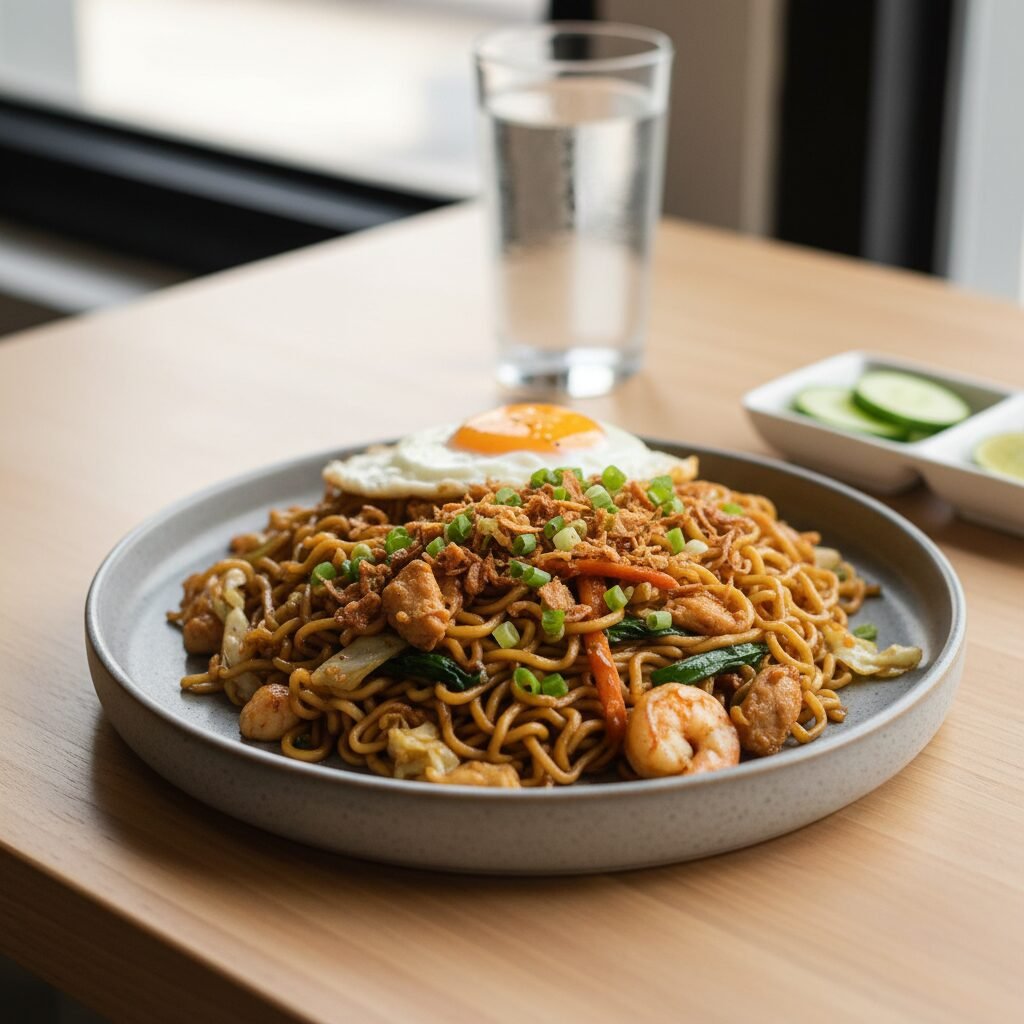
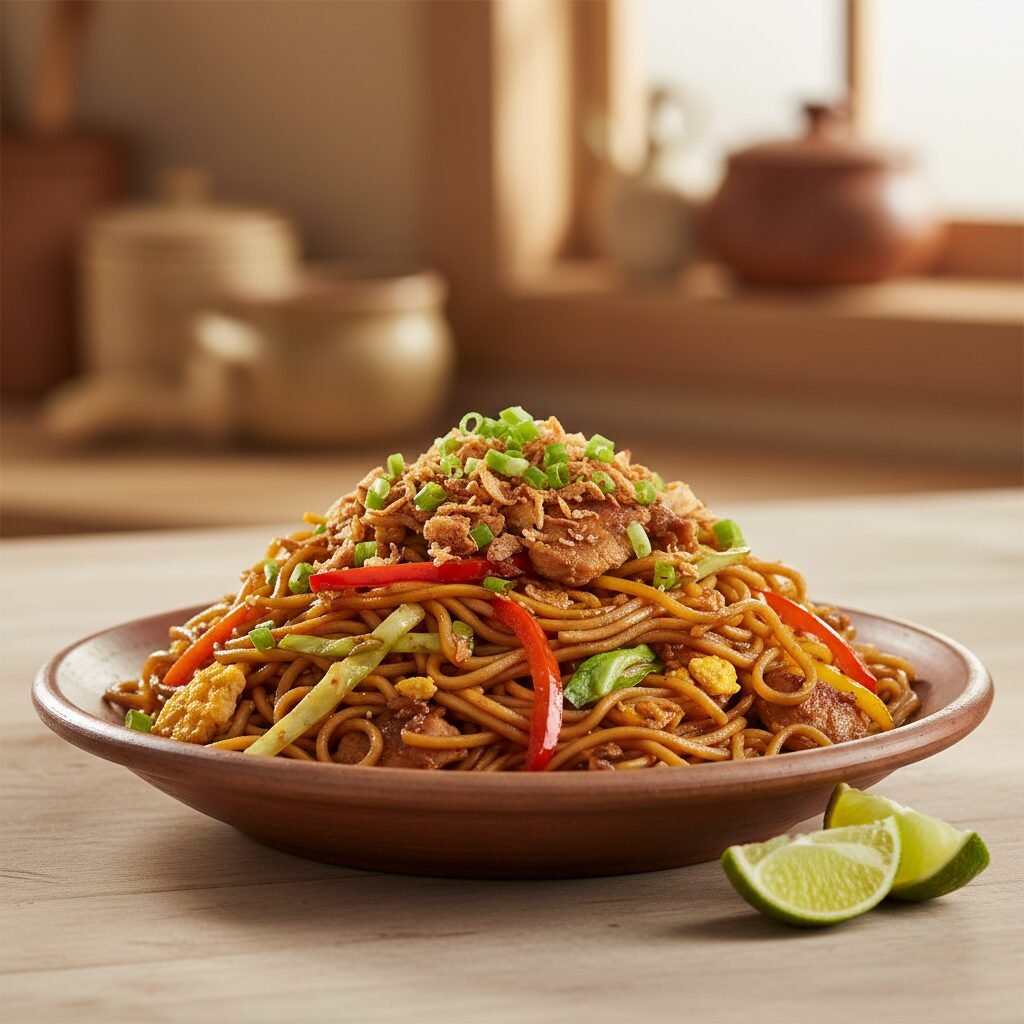
Mie Goreng: Sweet And Spicy Fried Noodles Better Than Takeout
Mie Goreng: Sweet And Spicy Fried Noodles Better Than Takeout
Whip up a batch of these incredible sweet and spicy fried noodles right in your own kitchen! This Mie Goreng recipe is packed with flavor, surprisingly easy to make, and guaranteed to become a family favorite. Say goodbye to takeout and hello to homemade deliciousness!
15 minutes
15 minutes
30 minutes
4 servings
Main Course
Stir-fry
Indonesian
Pescatarian (can be made Vegetarian/Vegan)
Oh, sweet friends! Are you ready to embark on a culinary adventure that will absolutely revolutionize your weeknight dinners? As a busy mom, I know the siren call of takeout all too well. After a long day of school runs, laundry mountains, and endless to-do lists, sometimes the last thing you want to do is cook. But what if I told you there’s a dish that’s quicker, tastier, and healthier than your usual delivery, and it brings all the vibrant flavors of Southeast Asia right to your table?
Enter Mie Goreng! This Indonesian fried noodle dish is a true masterpiece of balance – a symphony of sweet, savory, and just the right kick of spice that will have everyone at your table asking for seconds. Forget those greasy, sometimes bland takeout versions. My recipe for Mie Goreng is designed to be bursting with fresh ingredients, customizable to your family’s preferences, and incredibly satisfying. It’s the kind of meal that makes you feel like a gourmet chef, even on your busiest Tuesday.
I first fell in love with Mie Goreng years ago during a trip, and I’ve been perfecting this recipe ever since. It’s not just food; it’s an experience. The way the noodles caramelize, the vegetables stay crisp-tender, and that irresistible sauce coats every single strand… it’s pure magic! So, tie on your apron, gather your little helpers (if they’re up for it!), and let’s create some delicious memories together. This isn’t just dinner; it’s a celebration of flavor, family, and the joy of cooking from scratch!
History & Origins
Mie Goreng, pronounced ‘mee gor-eng,’ literally translates to ‘fried noodles’ in Indonesian and Malay. Its roots are deeply intertwined with Chinese culinary influences, brought to Southeast Asia by traders and immigrants centuries ago. Over time, these Chinese stir-fried noodle dishes were adapted with local ingredients and flavors, giving birth to the unique and beloved Mie Goreng we know today.
Originally, noodles were a staple in Chinese cuisine, and the stir-frying technique was a practical way to cook them quickly and efficiently. As these traditions spread, they encountered the rich spice palette of the Indonesian archipelago. Ingredients like kecap manis (sweet soy sauce), tamarind, chili, and local vegetables were incorporated, transforming the dish into something distinctly Indonesian. It became a ubiquitous street food, found in bustling markets, humble warungs (small family-owned businesses), and even upscale restaurants across Indonesia, Malaysia, and Singapore.
Each region, and even each street vendor, often has its own secret twist on Mie Goreng, making it a dish with endless variations. From the bustling streets of Jakarta to the serene beaches of Bali, Mie Goreng is a comfort food, a quick meal, and a culinary icon that tells a story of cultural fusion and delicious evolution. My recipe aims to capture that authentic, vibrant spirit, making it accessible for your home kitchen.
Why This Recipe Works
This Mie Goreng recipe isn’t just delicious by chance; it’s a carefully orchestrated symphony of culinary techniques and flavor profiles that make it truly shine. Here’s why it works so incredibly well:
- The Magic of Kecap Manis: This sweet, thick Indonesian soy sauce is the absolute star. Its molasses-like sweetness and deep umami provide the foundational flavor, caramelizing beautifully as it hits the hot wok or pan. It’s what gives Mie Goreng its signature glossy sheen and irresistible sweetness.
- Balance of Flavors: We’re hitting all the right notes here: the sweetness from kecap manis, the savory depth from regular soy sauce and oyster sauce (or mushroom sauce for a vegetarian option), the tang from a touch of vinegar, and the crucial heat from chili paste. This balance prevents any single flavor from overpowering the dish, creating a harmonious and addictive taste.
- High Heat Cooking: Stir-frying in a hot wok or large skillet is key. This rapid cooking method ensures the vegetables remain crisp-tender, retaining their vibrant colors and nutrients, while the noodles get that slightly charred, smoky ‘wok hei’ (breath of the wok) flavor that’s so characteristic of authentic Asian stir-fries.
- Texture Contrast: The combination of chewy noodles, crunchy vegetables (like cabbage and bean sprouts), and tender protein (chicken, shrimp, or tofu) creates an exciting textural experience in every bite. This variety keeps your palate engaged and makes the dish incredibly satisfying.
- Aromatic Foundation: Starting with a sauté of garlic and shallots (or onion) builds a fragrant base that infuses the entire dish with warmth and depth, elevating the overall flavor profile from the very first step.
Why You’ll Love This Recipe
- ✓Authentic Indonesian flavors, better than any takeout!
- ✓Quick and easy weeknight meal, ready in under 30 minutes.
- ✓Customizable with your favorite proteins and vegetables.
- ✓Perfect balance of sweet, savory, and spicy notes.
- ✓Family-friendly and a great way to introduce new flavors.
- ✓Uses simple ingredients found at most grocery stores.
Equipment You’ll Need
- ✓Large wok or large non-stick skillet
- ✓Large pot for boiling noodles
- ✓Cutting board
- ✓Sharp knife
- ✓Measuring cups and spoons
- ✓Spatula or stir-fry spoon
- ✓Small bowl for sauce mixing
Ingredients
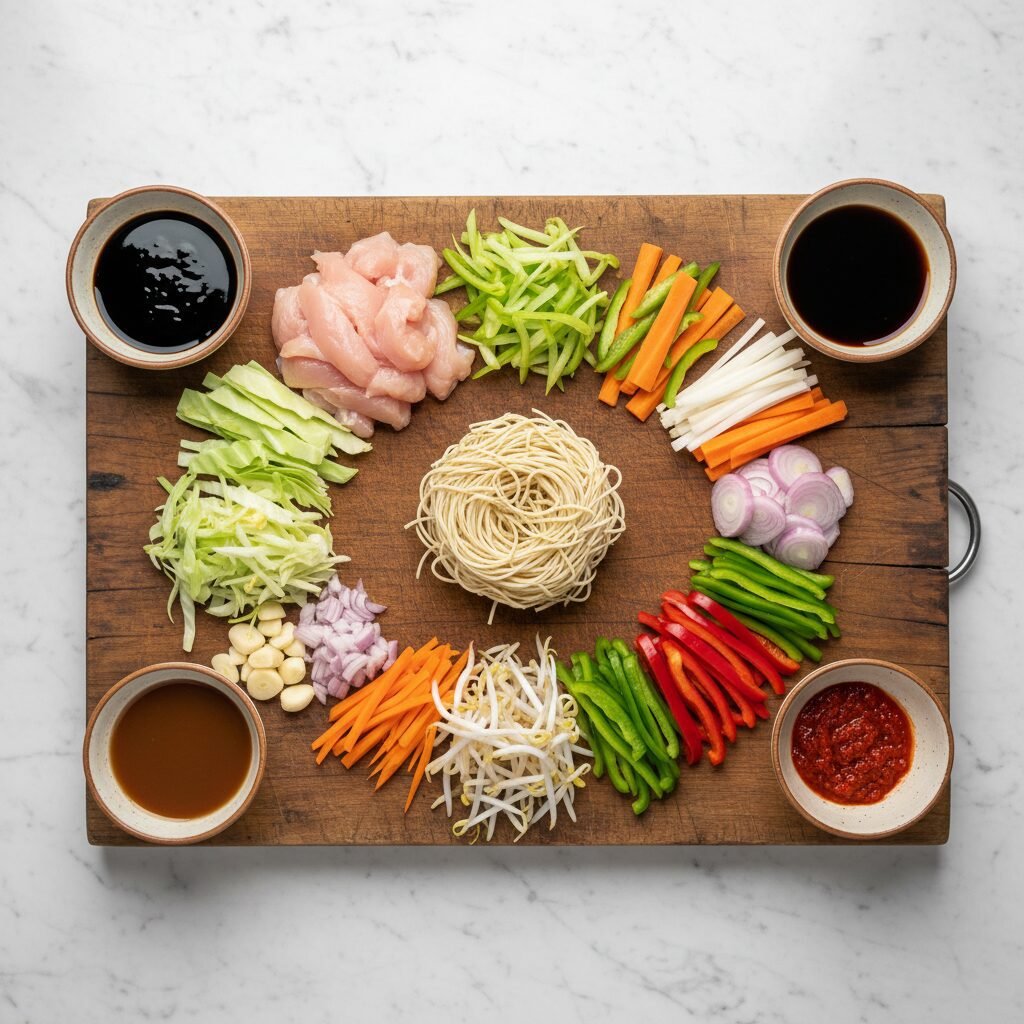
- ✓8 oz (225g) fresh or dried egg noodles (or ramen noodles, instant noodles without seasoning packet)
- ✓2 tbsp vegetable oil, divided
- ✓8 oz (225g) boneless, skinless chicken breast or thighs, thinly sliced (or shrimp, tofu, tempeh)
- ✓2 cloves garlic, minced
- ✓1 large shallot, thinly sliced (or 1/2 small onion)
- ✓2 cups shredded cabbage
- ✓1 cup sliced carrots (julienned or thinly sliced)
- ✓1/2 cup sliced bell pepper (any color)
- ✓1 cup bean sprouts
- ✓2 large eggs, lightly beaten
- ✓2-3 tbsp sweet soy sauce (kecap manis)
- ✓1 tbsp regular soy sauce
- ✓1 tbsp oyster sauce (or vegetarian mushroom sauce)
- ✓1 tsp chili paste (sambal oelek or sriracha), adjust to taste
- ✓1/2 tsp white vinegar (or lime juice)
- ✓1/4 tsp white pepper
- ✓Green onions, chopped, for garnish
- ✓Fried shallots, for garnish (optional)
Instructions
-
1. Prepare the Noodles:
Cook the egg noodles according to package directions until al dente. Drain well and rinse with cold water to prevent sticking. Toss with 1 tablespoon of vegetable oil to keep them from clumping. Set aside.
-
2. Make the Sauce:
In a small bowl, whisk together the kecap manis, regular soy sauce, oyster sauce, chili paste, white vinegar, and white pepper. Set aside.
-
3. Cook the Protein:
Heat 1 tablespoon of vegetable oil in a large wok or skillet over medium-high heat. Add the sliced chicken (or protein of choice) and stir-fry until cooked through and lightly browned, about 3-5 minutes. Remove from the wok and set aside.
-
4. Sauté Aromatics and Vegetables:
Add the remaining 1 tablespoon of oil to the wok. Add the minced garlic and sliced shallots. Stir-fry for 1 minute until fragrant. Add the shredded cabbage and sliced carrots. Stir-fry for 2-3 minutes until slightly tender-crisp. Add the sliced bell pepper and stir-fry for another minute.
-
5. Add Noodles and Sauce:
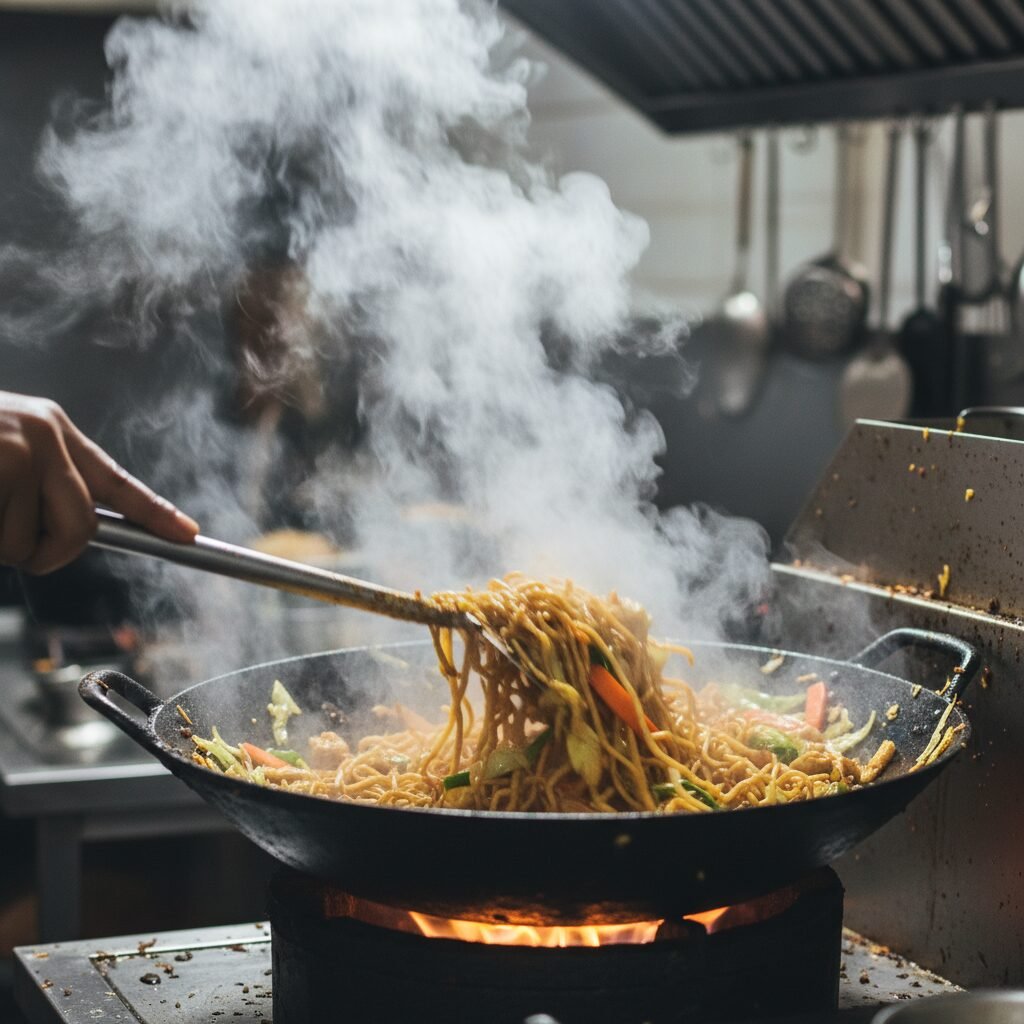
Add the cooked noodles and the cooked protein back into the wok with the vegetables. Pour the prepared sauce over everything. Toss vigorously to ensure all the noodles and ingredients are evenly coated with the sauce. Continue to stir-fry for 2-3 minutes, allowing the sauce to caramelize slightly.
-
6. Incorporate Eggs and Bean Sprouts:
Push the noodles and vegetables to one side of the wok, creating a space in the center. Pour the lightly beaten eggs into the empty space. Scramble the eggs until just set, then mix them into the noodles. Add the bean sprouts and stir-fry for just 1 minute more, until they are slightly wilted but still crunchy.
-
7. Serve and Garnish:
Transfer the Mie Goreng to serving plates. Garnish generously with chopped green onions and optional fried shallots. Serve immediately and enjoy your homemade, better-than-takeout meal!
-
8. Enjoy!
Take a moment to savor the incredible flavors you’ve created. This dish is truly a labor of love that tastes like a culinary journey!
Expert Cooking Tips
- ✓Don’t Overcook Noodles: Cook your noodles just until al dente, as they will continue to cook in the wok. This prevents them from becoming mushy.
- ✓High Heat is Key: A hot wok or skillet is essential for stir-frying. It ensures the ingredients cook quickly and develop that delicious ‘wok hei’ flavor without steaming.
- ✓Prep Ahead: Have all your ingredients chopped and your sauce mixed before you start cooking. Stir-frying moves fast, and you won’t have time to chop mid-way!
- ✓Customize Your Spice: Adjust the amount of chili paste to your family’s preference. For a milder version, use less; for a fiery kick, add more!
- ✓Don’t Crowd the Wok: If you’re making a larger batch, consider cooking in two smaller batches. Crowding the pan can lower the temperature and lead to steamed rather than stir-fried ingredients.
Substitutions and Variations
This recipe is wonderfully versatile, allowing for many substitutions to fit your dietary needs or what you have on hand!
- Noodles: While egg noodles are traditional, you can use ramen noodles (discard the seasoning packet), instant noodles, linguine, or even gluten-free rice noodles for a gluten-free option.
- Protein: Swap chicken for shrimp, beef, pork, tofu (firm or extra-firm, pressed and cubed), or tempeh for a vegetarian/vegan version. For tofu/tempeh, pan-fry or air-fry until crispy before adding to the wok.
- Vegetables: Feel free to add or substitute with broccoli florets, snow peas, bok choy, mushrooms, spinach, or corn. Just ensure they are cut into similar sizes for even cooking.
- Oyster Sauce: For a vegetarian or vegan version, use a mushroom-based stir-fry sauce or a dash more soy sauce and a pinch of sugar.
- Kecap Manis: If you can’t find kecap manis, you can make a quick substitute by simmering regular soy sauce with brown sugar (about 2 parts soy sauce to 1 part brown sugar) until slightly thickened.
- Chili Paste: Sriracha, gochujang, or even a pinch of red pepper flakes can work in a pinch if you don’t have sambal oelek.
Common Mistakes to Avoid
Even the most seasoned home cooks can make a few missteps when it comes to stir-frying. Here are some common mistakes to avoid to ensure your Mie Goreng turns out perfectly every time:
- Overcooking the Noodles: Mushy noodles are a no-go! Cook them just until al dente, as they’ll continue to cook in the hot wok. Rinsing with cold water and tossing with oil also helps prevent them from sticking together.
- Not Prepping Ingredients: Stir-frying is a fast-paced cooking method. If your ingredients aren’t chopped and ready to go (mise en place!), you’ll end up scrambling and potentially burning things.
- Crowding the Wok: This is a big one! If you add too many ingredients at once, the temperature of your wok will drop, and your ingredients will steam instead of stir-fry. This leads to soggy vegetables and less flavor. Cook in batches if necessary.
- Low Heat: A lukewarm pan won’t give you that beautiful caramelization or ‘wok hei’. Ensure your wok is screaming hot before adding oil and ingredients.
- Under-Seasoning or Over-Seasoning: Taste as you go! While the sauce recipe is a great starting point, everyone’s palate is different. Adjust the chili, sweetness, and saltiness to your liking.
- Not Draining Noodles Properly: Excess water on your noodles will dilute the sauce and prevent proper caramelization. Drain them thoroughly!
Serving Suggestions
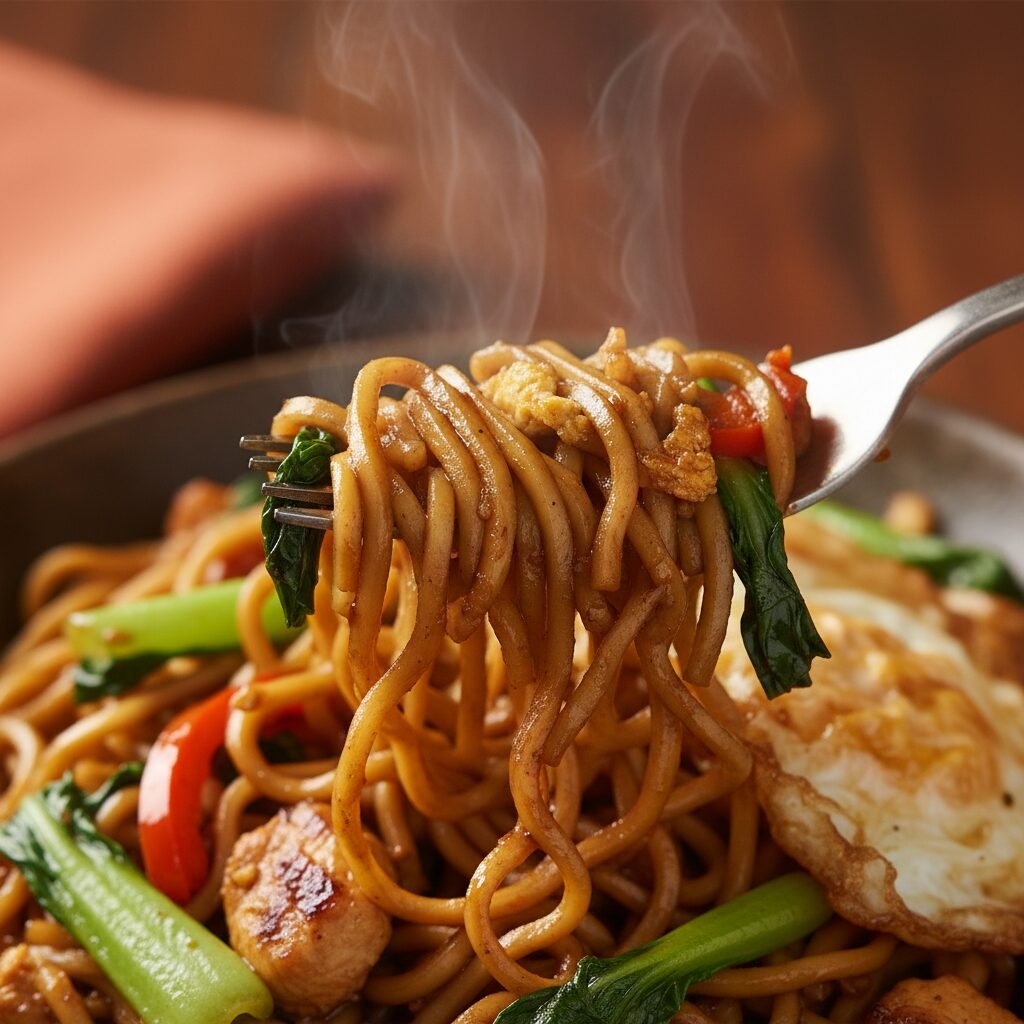
Mie Goreng is a complete meal on its own, but it’s also fantastic with a few simple additions to elevate the dining experience. For a truly authentic touch, serve it with a sprinkle of crispy fried shallots (you can buy these pre-made in Asian markets or make your own!). A fresh squeeze of lime juice just before serving brightens all the flavors. If you love a little extra heat, offer some extra sambal oelek on the side. For a more substantial meal, a simple side salad with a light vinaigrette or some fresh cucumber slices can provide a refreshing contrast. And for those who love a runny yolk, a fried egg on top is a classic and delicious addition!
Storage and Reheating Tips
Leftover Mie Goreng is a delicious treat! Store any uneaten portions in an airtight container in the refrigerator for up to 3-4 days. To reheat, you can gently warm it in a microwave, stirring occasionally, or for best results, reheat it in a skillet over medium heat with a tiny splash of water or oil to prevent it from drying out. Stir-fry until heated through. It’s not recommended to freeze Mie Goreng, as the noodles and vegetables can become mushy upon thawing.
Nutrition Facts (Estimated)
| Serving Size | 1/4 of recipe |
| Calories | 450 kcal |
| Fat | 15g |
| Saturated Fat | 3g |
| Unsaturated Fat | 8g |
| Trans Fat | 0g |
| Cholesterol | 50mg |
| Sodium | 980mg |
| Carbohydrates | 60g |
| Fiber | 4g |
| Sugar | 18g |
| Protein | 20g |
Frequently Asked Questions
What kind of noodles are best for Mie Goreng?
Traditional Mie Goreng uses fresh yellow egg noodles, often labeled ‘fresh ramen’ or ‘chow mein noodles’. Dried egg noodles or even instant ramen noodles (without the seasoning packet) work wonderfully too. Avoid very thin vermicelli noodles as they can break easily.
Can I make this recipe vegetarian or vegan?
Absolutely! For a vegetarian version, omit the chicken and use firm or extra-firm tofu or tempeh. For a vegan version, also swap the oyster sauce for a mushroom-based stir-fry sauce and omit the eggs. You can add more vegetables for extra bulk.
Is Mie Goreng supposed to be very spicy?
The spice level is entirely up to you! My recipe suggests a moderate amount of chili paste, but you can increase or decrease it to suit your preference. For a milder version, omit the chili paste entirely or use a very small amount.
Where can I find Kecap Manis?
Kecap Manis (sweet soy sauce) is a staple in Indonesian cooking and can be found in the international aisle of most well-stocked grocery stores, Asian supermarkets, or online. It’s distinct from regular soy sauce due to its thickness and sweetness.
Can I add other vegetables?
Yes, this recipe is very flexible! Feel free to add broccoli florets, snow peas, bok choy, mushrooms, or spinach. Just be mindful of their cooking times and add them accordingly to ensure they remain crisp-tender.
How do I get that ‘wok hei’ flavor without a wok?
While a traditional wok is ideal, you can achieve a similar effect in a large, heavy-bottomed non-stick skillet or cast-iron pan. The key is to get the pan screaming hot and not overcrowd it, allowing ingredients to sear rather than steam.
Can I prepare parts of this dish ahead of time?
Yes! You can chop all your vegetables and protein ahead of time and store them in the refrigerator. You can also mix the sauce ingredients together and store them. Cook the noodles just before you plan to stir-fry for the best texture.
What’s the difference between Mie Goreng and Pad Thai?
While both are delicious fried noodle dishes, they originate from different cuisines and have distinct flavor profiles. Mie Goreng (Indonesian) is characterized by its sweet and savory notes from kecap manis, with a hint of spice. Pad Thai (Thai) is known for its balance of sweet, sour, salty, and spicy, often featuring tamarind, fish sauce, and peanuts.
Conclusion
And there you have it, my dear friends! A truly spectacular Mie Goreng recipe that’s not just a meal, but a vibrant celebration of flavors, textures, and the joy of cooking. I hope this recipe inspires you to ditch the takeout menu and embrace the incredible satisfaction of creating something so delicious in your own kitchen. It’s proof that even on the busiest days, you can whip up a meal that feels special, exotic, and utterly comforting.
So go ahead, gather your ingredients, crank up the heat, and let the aromas of garlic, shallots, and sweet soy sauce fill your home. This Mie Goreng is more than just fried noodles; it’s a ticket to a culinary adventure, a moment of delicious escape, and a reminder that the best meals are often the ones made with love. Happy cooking, and don’t forget to share your creations with me!