Melting Potatoes: The French Technique That Changes Everything
Melting Potatoes: The French Technique That Changes Everything
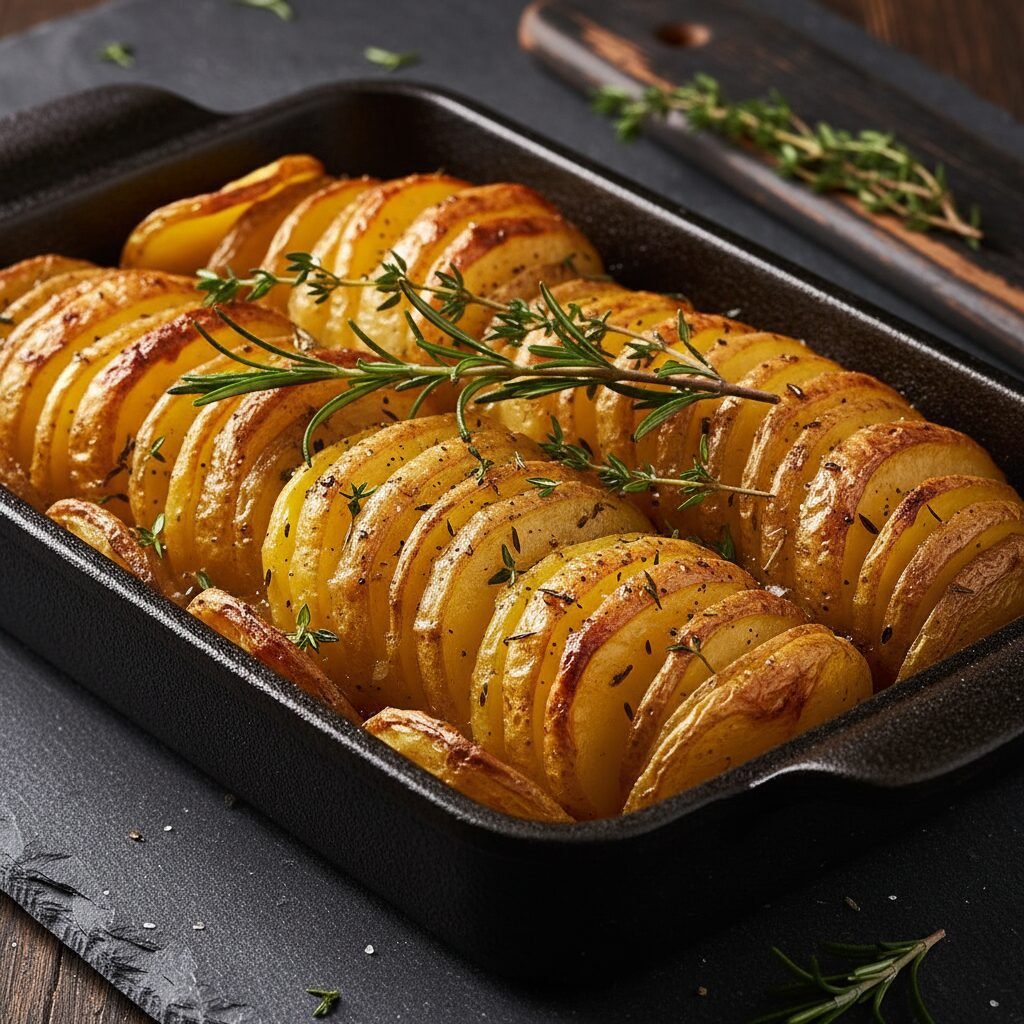
Prepare to reconsider everything you thought you knew about roasted potatoes. We’re not talking about your standard Sunday roast spuds, crispy and fluffy as they may be. We are delving into a culinary technique so transformative, it earns its own evocative name: Melting Potatoes. Known in French culinary circles as ‘Pommes de Terre Fondantes’, this method creates a potato with an impossibly crisp, deeply caramelized crust that gives way to a center so tender, creamy, and saturated with flavor, it practically dissolves—or melts—on your tongue. This isn’t just a recipe; it’s a revelation. By combining a high-heat sear with a slow, broth-infused roast, we unlock textures and depths of flavor that simple roasting can’t achieve. This is the side dish that steals the show, turning a humble ingredient into a luxurious experience. It’s the secret weapon you’ll bring out for dinner parties, holiday feasts, or any night you want to elevate the ordinary into the extraordinary.
15 minutes
50-60 minutes
1 hour 10 minutes
4-6 servings
Side Dish
Roasting, Braising
French
Vegetarian
Why You’ll Love This Recipe
- Achieves a unique dual texture: ultra-crispy, caramelized exterior and a creamy, ‘melting’ interior.
- Infused with deep flavor from butter, herbs, and broth during a slow roast.
- An elegant, restaurant-quality side dish made with simple, accessible ingredients.
- The perfect accompaniment for roasted meats, poultry, and fish.
Equipment You’ll Need
- 9×13 inch baking dish or a large oven-safe skillet (cast iron is ideal)
- Vegetable peeler
- Chef’s knife
- Cutting board
- Large spatula or fish turner
Ingredients
- 2.5 lbs (about 1.2 kg) Yukon Gold or Russet potatoes, peeled
- 4 tablespoons unsalted butter, divided
- 2 tablespoons olive oil
- 1.5 cups high-quality chicken or vegetable broth
- 6-8 sprigs fresh thyme
- 2 sprigs fresh rosemary
- 4 cloves garlic, lightly smashed
- 1 teaspoon kosher salt, plus more to taste
- 1/2 teaspoon freshly ground black pepper
Instructions
- Preheat your oven to 425°F (220°C). Position a rack in the middle of the oven.
- Prepare the potatoes: Slice the peeled potatoes into uniform rounds, about 3/4 to 1-inch thick. Thicker slices are key to achieving the melting texture without them falling apart.
- Season the potatoes: In a large bowl, toss the potato slices with the olive oil, kosher salt, and black pepper until they are evenly coated.
- Sear the potatoes: Melt 2 tablespoons of butter in a large, oven-safe skillet over medium-high heat. Once the butter is foaming, place the potato slices in a single layer in the skillet. You may need to do this in two batches. Sear for 4-5 minutes per side, until a deep golden-brown crust forms. Do not overcrowd the pan.
- Arrange for roasting: Transfer the seared potatoes to your 9×13 inch baking dish (or keep them in the skillet if it’s large enough and oven-safe), arranging them in a single, slightly overlapping layer.
- Create the braising liquid: Add the remaining 2 tablespoons of butter to the skillet. Once melted, add the smashed garlic cloves and cook for 30 seconds until fragrant. Pour in the broth, scraping up any browned bits from the bottom of the pan. Bring the mixture to a simmer.
- Combine and roast: Carefully pour the hot broth mixture over the potatoes in the baking dish. Tuck the fresh thyme and rosemary sprigs among the potato slices.
- Bake until tender: Transfer the dish to the preheated oven and bake for 30-40 minutes. The potatoes are done when they are fork-tender and have absorbed most of the liquid, leaving a buttery, concentrated glaze at the bottom of the dish.
- Rest and serve: Let the potatoes rest for 5-10 minutes before serving. This allows them to firm up slightly and absorb the last of the sauce. Garnish with fresh herbs if desired.
Expert Cooking Tips
- Choose the right potato: Starchy potatoes like Russets or all-purpose potatoes like Yukon Golds work best. They hold their shape during the sear but become creamy inside during the roast.
- Uniformity is key: Cutting the potatoes to a consistent thickness ensures they all cook at the same rate.
- Don’t skip the sear: The initial browning in butter is not just for color; it’s a critical step that creates the Maillard reaction, building a foundation of deep, savory flavor.
- Use hot broth: Adding hot broth to the hot pan and pouring it over the potatoes helps maintain the cooking temperature and ensures a more even roast.
Substitutions and Variations
For a richer flavor, you can substitute duck fat or ghee for the butter when searing. For herbs, 2 teaspoons of dried thyme can be used in place of fresh, but fresh rosemary is highly recommended for its potent flavor. Beef broth can also be used for a deeper, meatier taste.
Common Mistakes to Avoid
The most common mistake is slicing the potatoes too thinly, which causes them to become mushy and fall apart instead of holding their shape. Another pitfall is not getting a dark enough sear; be patient and let the crust develop properly before flipping. Finally, avoid using too much liquid—the broth should only come about halfway up the sides of the potatoes, not submerge them. This allows the tops to stay crisp while the bottoms braise.
Serving Suggestions
Melting Potatoes are the ultimate companion to roasted chicken, a perfectly cooked steak, or a seared pork loin. Their rich, savory flavor also pairs beautifully with flaky fish like salmon or cod. Serve them alongside a simple green salad with a sharp vinaigrette to cut through the richness.
Storage and Reheating Tips
Store leftover potatoes in an airtight container in the refrigerator for up to 3 days. For best results when reheating, place them on a baking sheet in a 375°F (190°C) oven or in an air fryer for 10-15 minutes until heated through and the edges have re-crisped. Microwaving is not recommended as it will make them soft.
Nutrition Facts (Estimated)
| Serving Size | 1/6 of recipe (approx. 1 cup) |
| Calories | 285 kcal |
| Fat | 14 g |
| Saturated Fat | 8 g |
| Unsaturated Fat | 5 g |
| Trans Fat | 0 g |
| Cholesterol | 35 mg |
| Sodium | 450 mg |
| Carbohydrates | 35 g |
| Fiber | 4 g |
| Sugar | 2 g |
| Protein | 5 g |
Frequently Asked Questions
Can I make Melting Potatoes ahead of time?
You can perform the searing step a few hours ahead. Arrange the seared potatoes in the baking dish, cover, and refrigerate. When you’re ready to bake, prepare the broth, pour it over, and bake as directed, adding a few extra minutes to the cooking time.
Why didn’t my potatoes get crispy?
This is usually due to one of three things: the pan wasn’t hot enough during the sear, the potatoes were overcrowded in the pan (preventing moisture from escaping), or too much broth was used, effectively steaming the potatoes instead of roasting them.
Can I use baby potatoes?
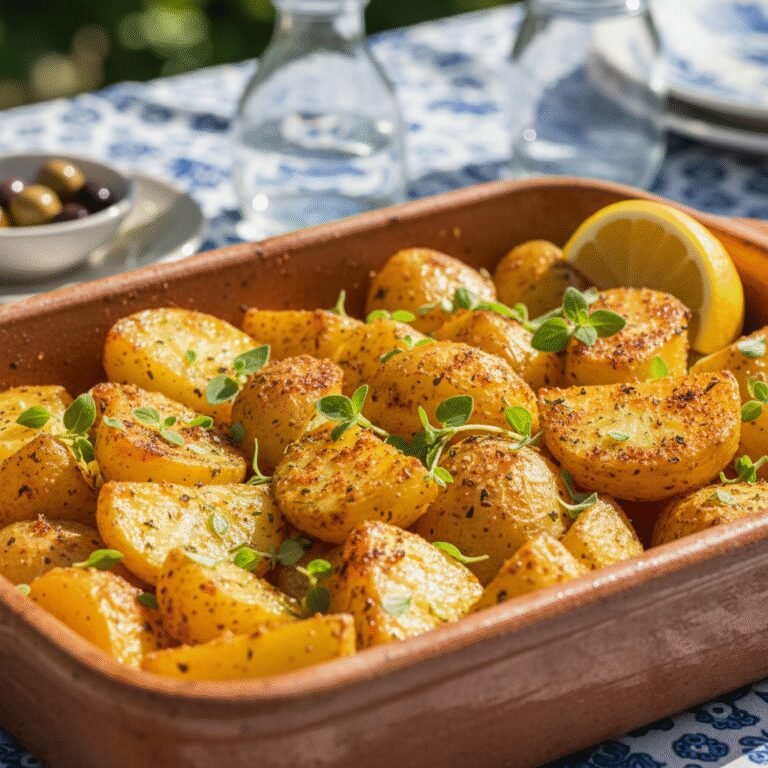
While the classic recipe uses sliced large potatoes, you can adapt it for baby potatoes. Halve them, sear the cut side until deeply golden, and proceed with the recipe, reducing the baking time as needed.
Conclusion
Melting Potatoes are more than just a side dish; they are a testament to the power of technique. With a few simple ingredients and a two-stage cooking process, you can create a potato dish that is truly unforgettable. The contrast between the crisp, salty crust and the buttery, herb-infused interior is a masterclass in texture and flavor. Once you try this method, it will undoubtedly become a permanent fixture in your culinary repertoire, forever changing the way you look at a simple potato.