Manakish: The 3-Ingredient Lebanese Breakfast Pizza You’re Missing Out On
Manakish: The 3-Ingredient Lebanese Breakfast Pizza You’Re Missing Out On
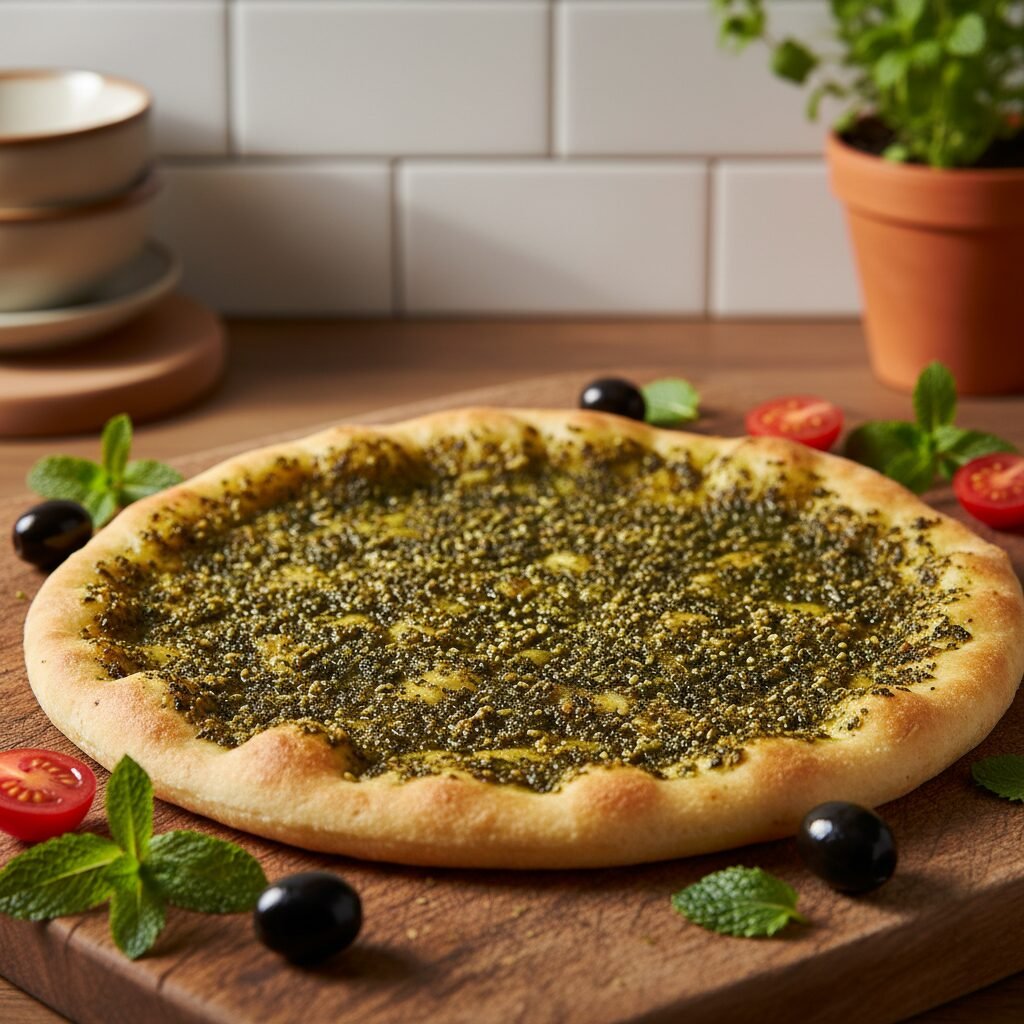
Step into any Lebanese bakery in the morning, and you’ll be greeted by the intoxicating aroma of freshly baked bread and fragrant herbs. That scent is the signature of Manakish (plural: Mana’eesh), the quintessential Lebanese breakfast. Often called a ‘Lebanese pizza,’ Manakish is a simple yet profoundly satisfying flatbread, traditionally topped with a vibrant mixture of za’atar and olive oil. While the title promises a 3-ingredient wonder, and the dough at its core is astonishingly simple—flour, yeast, and water—it’s the alchemy of these humble beginnings with a classic topping that creates a culinary masterpiece. This recipe will guide you through creating authentic, soft, and chewy Manakish at home, demystifying the process and bringing the heart of a Lebanese kitchen into yours.
20 minutes
10-12 minutes per batch
1 hour 30 minutes (includes rising time)
6-8 individual flatbreads
Breakfast
Baking
Lebanese
Vegetarian
Why You’ll Love This Recipe
- Features an incredibly simple, beginner-friendly 3-ingredient base dough.
- Delivers authentic Middle Eastern flavor with the classic za’atar and olive oil topping.
- Highly versatile: easily adaptable with cheese, meat, or other toppings.
- Perfect for a savory breakfast, a light lunch, or a satisfying snack.
- A fantastic introduction to the art of Middle Eastern bread-making.
Equipment You’ll Need
- Large mixing bowl
- Stand mixer with dough hook (optional)
- Measuring cups and spoons
- Baking sheets
- Parchment paper
- Rolling pin
- Small bowl for topping
- Pastry brush or spoon
Ingredients
- For the 3-Ingredient Dough:
- 3 cups all-purpose flour, plus more for dusting
- 1 packet (2 ¼ teaspoons) instant yeast
- 1 ¼ cups warm water (about 110°F / 43°C)
- 1 ½ teaspoons salt (for flavor)
- 1 teaspoon granulated sugar (to help activate yeast)
- For the Za’atar Topping:
- ½ cup high-quality za’atar spice blend
- ½ cup extra-virgin olive oil
Instructions
- Prepare the Dough: In a large bowl or the bowl of a stand mixer, combine the flour, instant yeast, salt, and sugar. Whisk to combine.
- Add Water and Mix: Pour in the warm water. If using a stand mixer, use the dough hook on low speed to mix until a shaggy dough forms. If mixing by hand, use a wooden spoon to stir until you can no longer stir, then use your hands to bring it together in the bowl.
- Knead the Dough: Turn the dough out onto a lightly floured surface. Knead for 7-10 minutes by hand, or 5-7 minutes with the mixer on medium speed. The dough should be smooth, elastic, and slightly tacky. If it’s too sticky, add flour one tablespoon at a time.
- First Rise: Lightly oil the mixing bowl and place the dough inside, turning it once to coat. Cover the bowl with a clean kitchen towel or plastic wrap. Let it rise in a warm, draft-free place for about 1 to 1.5 hours, or until doubled in size.
- Preheat Oven and Prepare Topping: Towards the end of the rising time, preheat your oven to 450°F (230°C). Place racks in the upper and lower thirds of the oven. In a small bowl, mix the za’atar and olive oil together to form a thick, spreadable paste. Set aside.
- Shape the Manakish: Gently punch down the risen dough. Divide it into 6-8 equal pieces. Roll each piece into a ball. On a lightly floured surface, use a rolling pin or your hands to flatten each ball into a thin circle, about 6-8 inches in diameter and ¼-inch thick. Place the shaped dough onto parchment-lined baking sheets.
- Top the Dough: Use your fingertips to gently press dimples all over the surface of the dough, leaving a small border around the edge. This helps the topping stay in place. Spread about 1-2 tablespoons of the za’atar mixture evenly over each circle.
- Bake: Bake for 8-12 minutes, rotating the pans halfway through, until the edges are golden brown and the center is cooked through. The bottom should be lightly browned.
- Serve: Remove from the oven and serve immediately while warm.
Expert Cooking Tips
- Use Quality Ingredients: The flavor of Manakish heavily relies on the quality of your za’atar and extra-virgin olive oil. Use the best you can find.
- Proper Water Temperature: Ensure your water is warm, not hot. Water that is too hot can kill the yeast, preventing your dough from rising.
- Don’t Over-flour: While kneading, add extra flour sparingly. Too much flour will result in a dry, tough flatbread.
- Dimple the Dough: Don’t skip the step of dimpling the dough with your fingertips. This creates little pockets to hold the delicious topping and prevents the dough from puffing up too much like a pita.
Substitutions and Variations
For a heartier, nuttier flavor, you can substitute up to 1 cup of the all-purpose flour with whole wheat flour. For toppings, if you don’t have za’atar, you can make a cheese version (Jibneh) by using a mix of crumbled feta and shredded low-moisture mozzarella. For a meat version (Lahm bi Ajeen), use a spiced mixture of minced lamb or beef.
Common Mistakes to Avoid
A common mistake is making the za’atar topping too oily or too dry. It should be a spreadable paste, not a runny liquid or a dry powder. Adjust the oil-to-za’atar ratio until it resembles the consistency of loose pesto. Another error is overbaking; Manakish should be soft and pliable, not crispy like a cracker. Watch it closely in the oven and pull it out as soon as the edges are golden.
Serving Suggestions
Serve Manakish warm, straight from the oven. It’s traditionally folded or cut into wedges and served alongside fresh vegetables like tomatoes, cucumbers, and olives, as well as fresh mint leaves. A side of labneh (strained yogurt) for dipping is also a classic and delicious accompaniment. Enjoy it with a hot cup of black tea for an authentic Lebanese breakfast experience.
Storage and Reheating Tips
Manakish is best eaten fresh. However, leftovers can be stored in an airtight container at room temperature for up to 2 days. To reheat, warm them in a 350°F (175°C) oven for a few minutes or in a toaster oven until soft and warm. Avoid microwaving, as it can make the bread tough. You can also freeze the baked Manakish for up to a month; thaw and reheat in the oven.
Nutrition Facts (Estimated)
| Serving Size | 1 manakish (za’atar topping) |
| Calories | 310 kcal |
| Fat | 14g |
| Saturated Fat | 2g |
| Unsaturated Fat | 12g |
| Trans Fat | 0g |
| Cholesterol | 0mg |
| Sodium | 450mg |
| Carbohydrates | 40g |
| Fiber | 3g |
| Sugar | 1g |
| Protein | 7g |
Frequently Asked Questions
What exactly is za’atar?
Za’atar is a traditional Middle Eastern spice blend. While recipes vary, it typically consists of dried thyme, oregano, or hyssop, mixed with toasted sesame seeds, sumac, and salt. It has a tangy, herbal, and nutty flavor profile.
Can I make the dough ahead of time?
Yes. You can prepare the dough and let it go through its first rise, then punch it down and store it in an airtight container in the refrigerator for up to 3 days. Let it sit at room temperature for 30-60 minutes before shaping and baking.
Can this recipe be made vegan?
The classic za’atar manakish recipe is naturally vegan as written. Just ensure you don’t add any non-vegan toppings like cheese or meat.
Conclusion
There is a simple, rustic magic to Manakish. It’s a testament to how a few basic ingredients can be transformed into something incredibly flavorful and comforting. Whether you stick with the classic za’atar or venture into other toppings, this recipe provides a delicious gateway to the rich world of Middle Eastern cuisine. We hope you enjoy the process of making it as much as the pleasure of eating it.