Koshari: The Viral $2 Egyptian Bowl You Need To Try
Koshari: The Viral $2 Egyptian Bowl You Need To Try
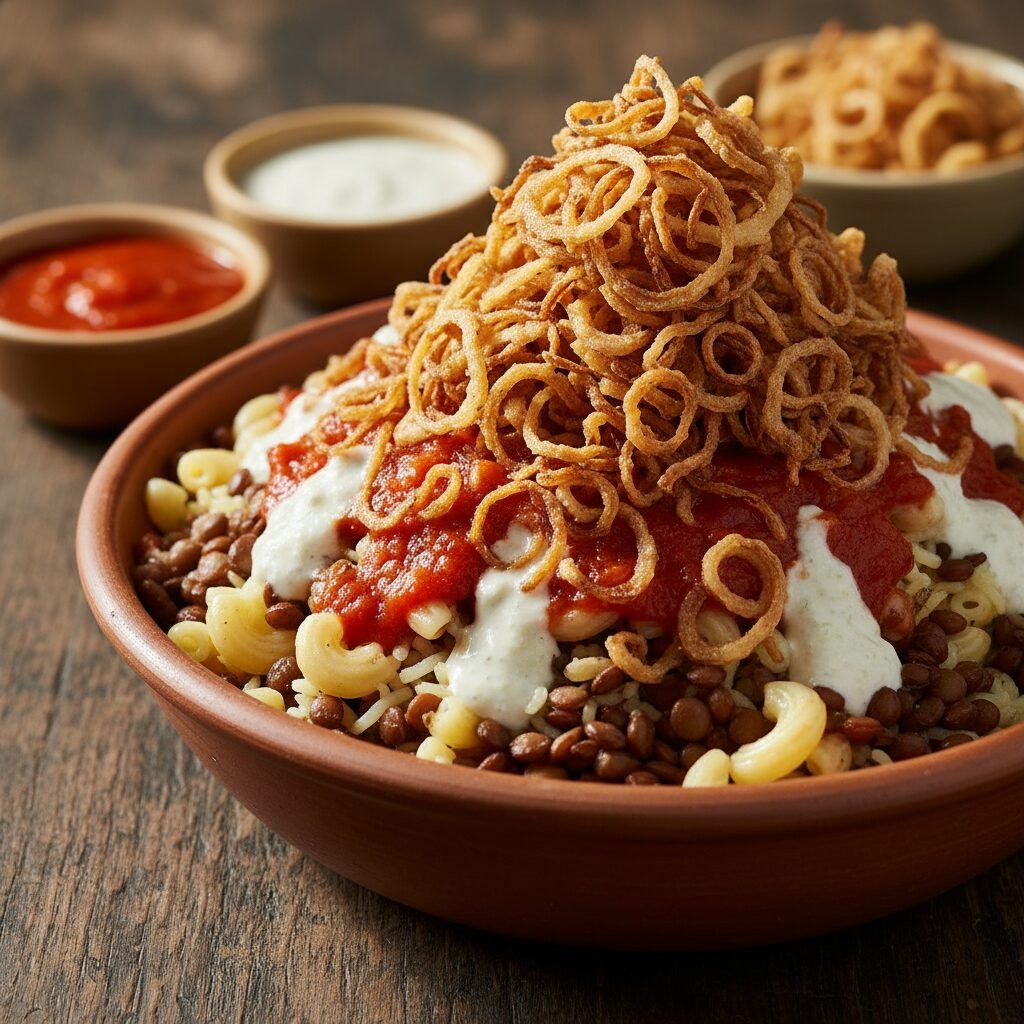
Welcome to the heart of Egyptian street food, a dish so beloved it’s considered a national treasure: Koshari. If you’ve scrolled through food media recently, you’ve likely encountered this sensational, multi-layered bowl of comfort. But Koshari is more than just a fleeting trend; it’s a culinary institution, a testament to the ingenuity of turning humble pantry staples into a symphony of flavor and texture. At its core, Koshari (also spelled Koshary or Kushari) is a carb-lover’s dream, featuring a foundation of rice, lentils, and pasta. This base is then adorned with tender chickpeas, a tangy, spiced tomato sauce, a potent garlic-vinegar infusion, and, the crowning glory, a generous heap of sweet, crispy fried onions. The result is a dish that is simultaneously simple and complex, comforting and exciting. It’s a dish that tells a story of cultural fusion, with roots tracing back to Indian and Italian influences, ultimately becoming uniquely Egyptian. For less than two dollars a serving, this plant-based powerhouse delivers a satisfying, protein-packed meal that has nourished generations. Prepare to embark on a culinary journey to the bustling streets of Cairo, right from your own kitchen. This definitive guide will walk you through creating an authentic Koshari that will rival any you’d find at a street vendor’s cart.
30 minutes
60 minutes
90 minutes
6-8 generous servings
Main Course
Stovetop Cooking
Egyptian
Vegan
Why You’ll Love This Recipe
- Authentic taste of Egyptian street food
- Incredibly budget-friendly and economical
- Naturally vegan and packed with plant-based protein
- A delightful medley of contrasting textures and bold flavors
- Perfect for meal prepping individual components
- A complete, satisfying, and well-balanced one-bowl meal
Equipment You’ll Need
- Large pot or Dutch oven (for pasta and lentils)
- Medium saucepan with a lid (for rice)
- Small saucepan (for tomato sauce)
- Large skillet or wide pot (for frying onions)
- Fine-mesh sieve
- Slotted spoon
- Chef’s knife and cutting board
- Measuring cups and spoons
- Several bowls for holding components
Ingredients
- For the Crispy Onions (Taqleya):
- 3 large yellow onions, thinly sliced
- 2 tablespoons all-purpose flour or cornstarch
- 1 cup neutral oil for frying (e.g., canola, vegetable, or sunflower)
- 1 teaspoon salt
- For the Lentils and Rice:
- 1.5 cups brown or green lentils, rinsed
- 4 cups water or vegetable broth
- 1.5 cups long-grain white rice, rinsed until water runs clear
- 2 tablespoons reserved onion-frying oil
- 3 cups water
- 1 teaspoon salt
- For the Pasta:
- 1 cup small pasta (e.g., ditalini, elbow macaroni, or broken spaghetti)
- For the Spicy Tomato Sauce (Shatta):
- 2 tablespoons reserved onion-frying oil
- 4-6 cloves garlic, minced
- 1 teaspoon ground cumin
- 1 teaspoon ground coriander
- 1/2 teaspoon red pepper flakes (or more, to taste)
- 1 (28-ounce) can crushed tomatoes
- 2 tablespoons tomato paste
- 1/4 cup white vinegar
- 1 teaspoon sugar (optional, to balance acidity)
- Salt and black pepper to taste
- For the Garlic Vinegar Sauce (Dakka):
- 6-8 cloves garlic, finely minced or crushed
- 1/2 cup white vinegar
- 1/2 cup water
- 1 teaspoon ground cumin
- 1/2 teaspoon salt
- For Assembly:
- 1 (15-ounce) can chickpeas, rinsed and drained
Instructions
- Step 1: Prepare the Crispy Onions (Taqleya). This is the most crucial step for flavor. Thinly slice the onions into half-moons. In a large bowl, toss the sliced onions with the flour and salt until they are lightly and evenly coated. This helps them get extra crispy.
- Step 2: Fry the Onions. Heat the neutral oil in a large skillet over medium-high heat. Once shimmering, carefully add about half of the onions in a single layer. Do not overcrowd the pan. Fry, stirring occasionally, for 10-15 minutes, or until they are a deep golden brown and crispy. Use a slotted spoon to transfer the onions to a paper towel-lined plate to drain. Repeat with the remaining onions. IMPORTANT: Reserve the flavorful frying oil for the other components.
- Step 3: Cook the Lentils. In a large pot, combine the rinsed lentils with 4 cups of water or vegetable broth. Bring to a boil, then reduce the heat to a simmer. Cook for 20-25 minutes, or until the lentils are tender but still hold their shape. Drain any excess water and set aside.
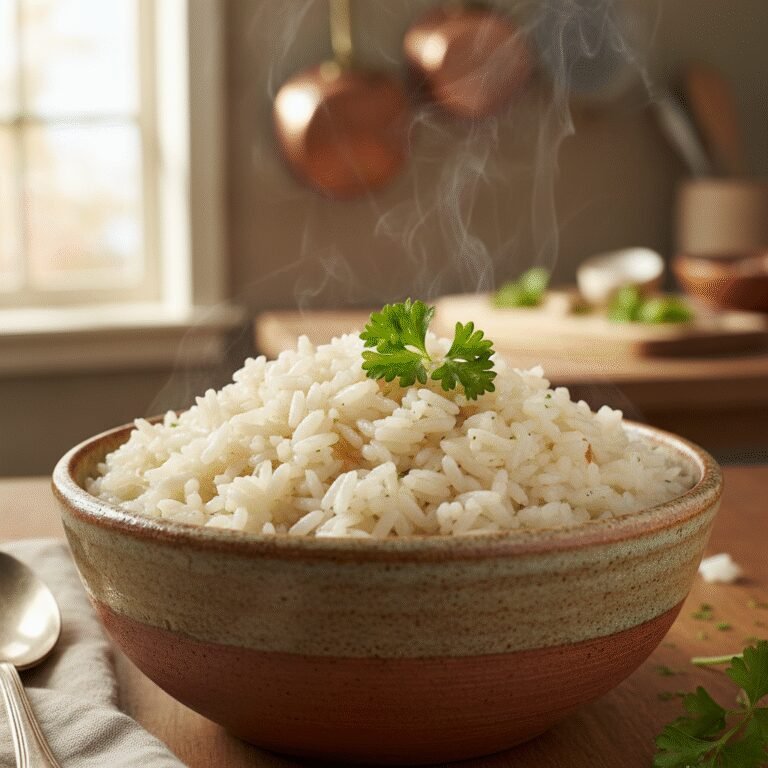
- Step 4: Cook the Rice. In a medium saucepan, heat 2 tablespoons of the reserved onion-frying oil over medium heat. Add the rinsed and drained rice and toast for 1-2 minutes, stirring constantly, until the grains are fragrant. Add 3 cups of water and 1 teaspoon of salt. Bring to a boil, then cover, reduce the heat to the lowest setting, and let it simmer for 15-20 minutes, or until all the water is absorbed. Remove from heat and let it stand, covered, for 10 minutes before fluffing with a fork.
- Step 5: Cook the Pasta. While the rice is cooking, bring a separate pot of salted water to a boil. Add the small pasta and cook according to package directions until al dente. Drain well and set aside.
- Step 6: Prepare the Spicy Tomato Sauce (Shatta). In a small saucepan, heat 2 tablespoons of the reserved onion oil over medium heat. Add the minced garlic and cook for about 30 seconds until fragrant, being careful not to burn it. Stir in the cumin, coriander, and red pepper flakes and toast for another 30 seconds. Pour in the crushed tomatoes, tomato paste, and white vinegar. Season with salt, pepper, and optional sugar. Bring to a simmer and let it cook for 15-20 minutes, stirring occasionally, until the sauce has thickened slightly.
- Step 7: Prepare the Garlic Vinegar Sauce (Dakka). This sauce is typically not cooked. In a small bowl or jar, simply combine the minced garlic, white vinegar, water, cumin, and salt. Whisk or shake well to combine. Let it sit for at least 15 minutes for the flavors to meld.
- Step 8: Assemble the Koshari. The layering is key to the experience. Start with a layer of the cooked rice in a deep bowl. Top with a layer of lentils, followed by a layer of pasta. Sprinkle the rinsed chickpeas over the top. Generously spoon the spicy tomato sauce over everything. Drizzle with the garlic vinegar sauce to your liking. Finally, crown the bowl with a large, generous handful of the crispy fried onions (Taqleya). Do not be shy with the onions! Serve immediately.
Expert Cooking Tips
- The Oil is Liquid Gold: Do not discard the oil after frying the onions. Its rich, sweet onion flavor is the secret weapon that elevates the taste of the rice and tomato sauce.
- Master the Onions: Slice the onions as thinly and uniformly as possible for even cooking. Frying in batches is essential to prevent them from steaming and to ensure maximum crispiness.
- Don’t Overcook: Each carbohydrate component should be cooked perfectly ‘al dente’. Mushy rice, lentils, or pasta will detract from the signature textural contrast of the dish.
- Sauce is Boss: The sauces provide the primary flavor punch. Taste and adjust them fearlessly. If you like it spicy, add more chili. If you love garlic, add another clove to the Dakka.
- Rinse Your Grains: Rinsing the rice removes excess starch, resulting in fluffy, distinct grains. Rinsing the lentils removes any dust or debris.
Substitutions and Variations
For a gluten-free version, use certified gluten-free pasta (lentil or chickpea pasta works well for added protein) and swap the all-purpose flour for cornstarch when frying the onions. For a quicker meal, you can use pre-cooked, canned lentils, though the texture and flavor will be slightly different. While brown or green lentils are traditional, any lentil will work, but adjust cooking times accordingly. You can also add a small handful of broken vermicelli noodles and toast them with the rice for another layer of texture, a common practice in Egypt.
Common Mistakes to Avoid
The most common mistake is underestimating the importance of the Taqleya (crispy onions). They are not just a garnish; they are a fundamental component. Make more than you think you need. Another pitfall is rushing the sauces; allow the tomato sauce to simmer and thicken to concentrate its flavor. Finally, avoid the temptation to mix all the base ingredients together after cooking. Koshari is a layered dish, and assembling it in the bowl just before serving preserves the distinct texture of each element.
Serving Suggestions
Serve Koshari in deep individual bowls. The best way to serve it for a group is ‘family-style,’ with each cooked component in a separate large bowl, allowing guests to build their own Koshari masterpiece. Always provide extra small bowls of the tomato sauce, garlic vinegar sauce, and, most importantly, the crispy onions on the side for customization. A simple, refreshing side salad of chopped cucumbers, tomatoes, and parsley with a lemon-oil dressing can cut through the richness of the dish.
Storage and Reheating Tips
Koshari is excellent for meal prep. Store each component—rice, lentils, pasta, chickpeas, and sauces—in separate airtight containers in the refrigerator for up to 5 days. The crispy onions should be stored in a loosely covered container or a paper bag at room temperature to maintain their crispiness; refrigerating them will make them soft. To serve, reheat the base components gently in the microwave or on the stovetop and assemble the bowl fresh.
Nutrition Facts (Estimated)
| Serving Size | 1 bowl (approx. 450g) |
| Calories | 580 kcal |
| Fat | 15g |
| Saturated Fat | 2g |
| Unsaturated Fat | 12g |
| Trans Fat | 0g |
| Cholesterol | 0mg |
| Sodium | 780mg |
| Carbohydrates | 98g |
| Fiber | 16g |
| Sugar | 9g |
| Protein | 21g |
Frequently Asked Questions
Is Koshari a healthy dish?
Absolutely. Koshari is a nutritional powerhouse. It’s loaded with plant-based protein and fiber from the lentils and chickpeas, which aids in digestion and promotes satiety. It provides complex carbohydrates for sustained energy. Being naturally vegan, it is cholesterol-free and low in saturated fat. You can control the health factor by being mindful of the sodium in the sauces and the amount of oil used.
Why do I have to cook everything separately? Can’t I just combine them?
Cooking each component separately is non-negotiable for authentic Koshari. Each ingredient—rice, lentils, and pasta—has a different cooking time and liquid absorption rate. Cooking them together would result in a mushy, porridge-like texture, robbing the dish of its signature layers and distinct textures, which are central to the Koshari experience.
My fried onions aren’t getting crispy. What am I doing wrong?
There are three likely culprits: the onions are sliced too thick, you’ve overcrowded the pan, or the oil isn’t hot enough. Ensure your onions are sliced very thinly, fry them in batches to give them space, and make sure the oil is shimmering before you add them. The light coating of flour or cornstarch also acts as a dehydrating agent, which is key to achieving that perfect crunch.
Conclusion
Koshari is more than just a recipe; it’s an experience. It’s the sizzle of onions in hot oil, the fragrant aroma of spices toasting, and the deep satisfaction of assembling your perfect bowl. While it may seem like a lot of steps, each one is simple and contributes to a final product that is far greater than the sum of its parts. This iconic Egyptian dish is a celebration of flavor, texture, and affordability. It’s a culinary journey worth taking, and once you’ve tasted the magic of a perfectly constructed Koshari bowl, crowned with those irresistible crispy onions, you’ll understand why this humble dish has captured hearts and appetites all around the world.