I Tried This Old School Cabbage Recipe and It’s Now My Cheap Dinner Staple
I Tried This Old School Cabbage Recipe And It’S Now My Cheap Dinner Staple
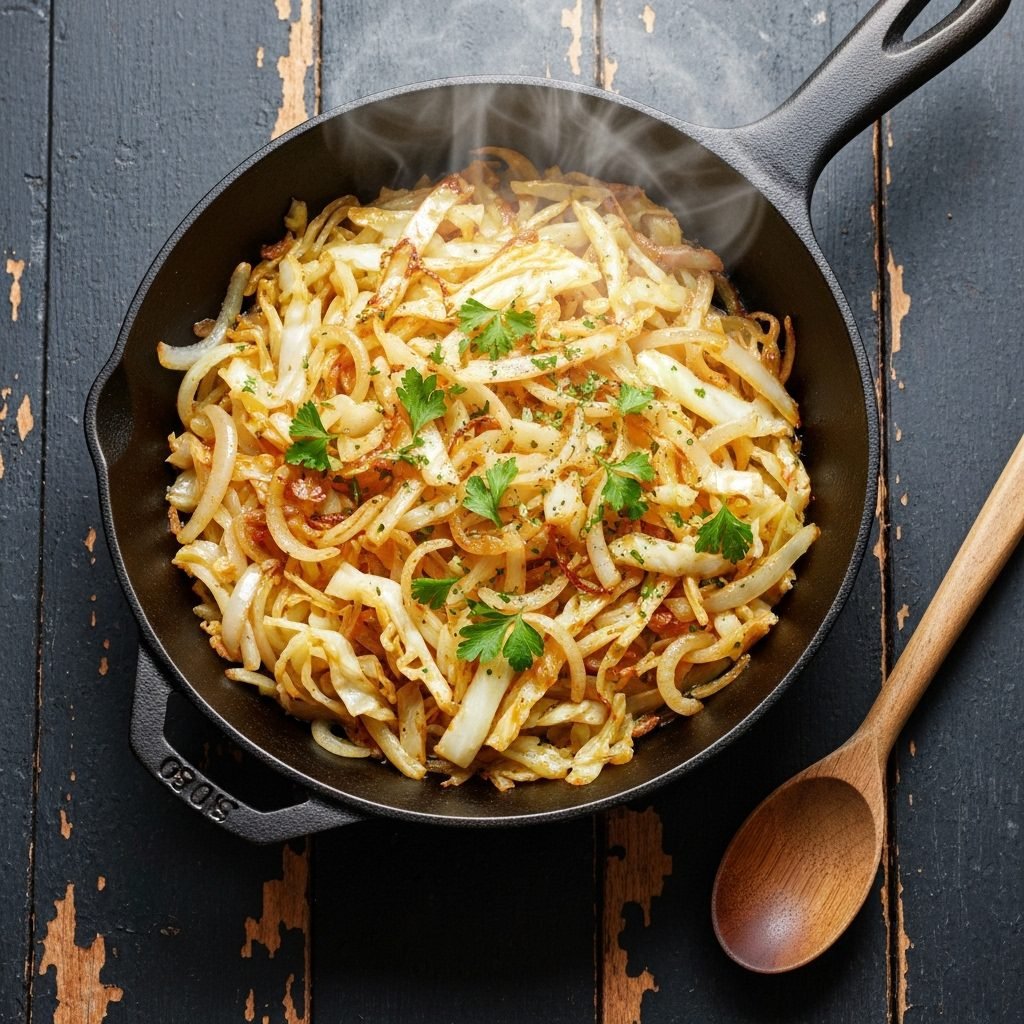
In the world of trendy superfoods and complex culinary creations, it’s easy to overlook the humble cabbage. For years, I saw it as little more than a base for coleslaw or a filler in bland soups. It was the vegetable of necessity, not desire. That all changed when I stumbled upon a recipe so simple, so ‘old school,’ it felt like a secret from a bygone era. This isn’t just a recipe for fried cabbage; it’s a testament to the magic that happens when you treat a simple ingredient with a little bit of care and heat. It transforms a head of cabbage, one of the most affordable items in the produce aisle, into a savory, tender, and deeply satisfying dish with beautifully caramelized edges. After making it once, I was hooked. Its incredible flavor, coupled with its ridiculously low cost and ease of preparation, has firmly cemented its place in my kitchen. It is, without exaggeration, my new cheap dinner staple, and I have a feeling it’s about to become yours, too.
10 minutes
20 minutes
30 minutes
4-6 servings
Side Dish / Main Course
Sautéing
American / European
Gluten-Free
Why You’ll Love This Recipe
- Incredibly Budget-Friendly: Turns one of the market’s cheapest vegetables into a delicious meal.
- Deeply Savory Flavor: Simple ingredients combine to create a surprisingly rich and satisfying taste.
- Ready in 30 Minutes: A perfect, no-fuss recipe for busy weeknights.
- Versatile Main or Side: Hearty enough to be the star of the show or the perfect accompaniment to protein.
- One-Pan Wonder: Minimal ingredients and one skillet mean cleanup is an absolute breeze.
Equipment You’ll Need
- Large 12-inch skillet or Dutch oven
- Sharp chef’s knife
- Large cutting board
- Wooden spoon or spatula
- Measuring cups and spoons
Ingredients
- 1 medium head green cabbage (about 2-2.5 lbs), cored and roughly chopped into 1-inch pieces
- 4 tablespoons unsalted butter (or olive oil for vegan)
- 1 large yellow onion, thinly sliced
- 3 cloves garlic, minced
- 1 tsp smoked paprika
- 1 tsp salt, or to taste
- 1/2 tsp freshly ground black pepper
- 1/4 cup chicken or vegetable broth (or water)
- 1 tbsp apple cider vinegar (optional, for brightness)
- Fresh parsley, chopped for garnish (optional)
Instructions
- Begin by preparing your vegetables. Remove any tough outer leaves from the cabbage. Cut it in half, then cut out the hard core. Lay the halves flat and chop them into rough, 1-inch square pieces. Thinly slice your yellow onion and mince the garlic.
- Place your large skillet or Dutch oven over medium-high heat. Add the butter and allow it to melt and foam. Add the sliced onions and cook, stirring occasionally, for 5-7 minutes, until they become soft, translucent, and start to turn golden at the edges.
- Add the minced garlic and smoked paprika to the onions. Stir constantly for about 30-60 seconds until fragrant. Be careful not to let the garlic burn.
- Add the chopped cabbage to the skillet. It might seem like a lot, but it will cook down significantly. Add the salt and black pepper. Stir everything together thoroughly to coat the cabbage with the butter, onions, and spices.
- Continue to cook, stirring occasionally, for about 5 minutes. The cabbage will begin to wilt. Pour in the broth or water, which will help steam the cabbage and scrape up any flavorful browned bits from the bottom of the pan.
- Bring the liquid to a simmer, then reduce the heat to medium, cover the skillet with a lid, and let the cabbage cook for 8-10 minutes, or until it reaches your desired level of tenderness. For a more tender-crisp texture, check it at 8 minutes.
- Remove the lid and turn the heat up to medium-high. Continue to cook, stirring occasionally, for another 3-5 minutes. This step is crucial for flavor: it allows any remaining liquid to evaporate and encourages the cabbage and onions to caramelize and get those delicious crispy brown edges.
- Once the cabbage is nicely browned in spots, remove it from the heat. If using, stir in the tablespoon of apple cider vinegar to brighten up the flavors. Taste and adjust seasoning if necessary.
- Serve hot, garnished with fresh parsley if desired.
Expert Cooking Tips
- Use a Big Pan: The number one rule for great fried cabbage is to avoid overcrowding the pan. A large surface area allows the cabbage to fry and brown. If you don’t have a 12-inch skillet, cook the cabbage in two separate batches.
- Patience for Browning: Don’t stir constantly during the final frying stage. Letting the cabbage sit undisturbed for a minute or two at a time is what develops the deep, savory caramelization.
- Uniform Cuts: While it’s a rustic dish, try to chop your cabbage into relatively uniform pieces. This ensures everything cooks evenly and you don’t end up with some mushy bits and some raw bits.
- Don’t Skip the Aromatics: Sautéing the onion until it’s soft and sweet builds a crucial flavor base for the entire dish. Don’t rush this step.
Substitutions and Variations
This recipe is a fantastic canvas for customization. To make it a heartier main course, add 1/2 pound of cooked, crumbled bacon or sliced kielbasa sausage along with the garlic. For a vegan-friendly version, simply substitute the butter with a good quality olive oil or your favorite vegan butter and use vegetable broth. If you enjoy a bit of spice, add 1/4 teaspoon of red pepper flakes with the garlic. You can also swap the green cabbage for Savoy cabbage for a more tender result.
Common Mistakes to Avoid
The most frequent mistake is overcooking the cabbage until it becomes mushy and releases a strong sulfurous odor. To prevent this, use the covered steaming step just to achieve tenderness, then finish with the lid off on higher heat to fry. Another common error is under-seasoning. Cabbage is mild and requires a generous hand with salt and pepper to bring its sweet, savory potential to life. Finally, using too low a heat will result in steamed, soggy cabbage. You need medium-high heat to achieve proper browning and caramelization.
Serving Suggestions
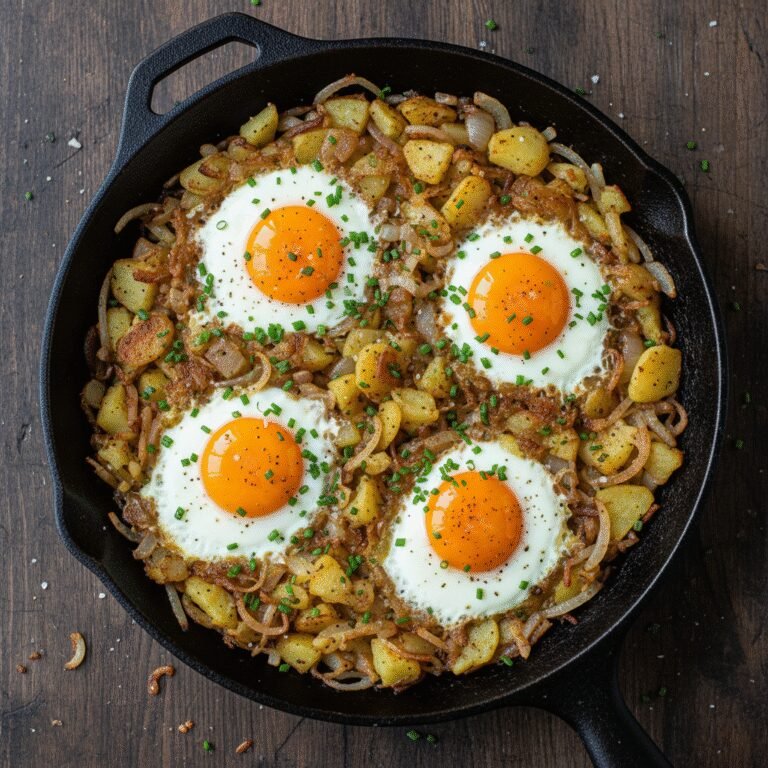
Serve this dish warm as a fantastic side for roasted chicken, hearty pork chops, or pan-seared sausages. It’s a classic pairing with corned beef. For a complete and comforting meal, pile it high over a bowl of creamy mashed potatoes, cheesy polenta, or buttered egg noodles. It can also stand on its own as a delicious low-carb main dish, perhaps with a fried egg on top.
Storage and Reheating Tips
Leftovers can be stored in an airtight container in the refrigerator for up to 4 days. The cabbage’s flavor often deepens overnight. For best results, reheat in a skillet over medium heat until warmed through, which helps revive some of its texture. Microwaving is possible but may result in a softer texture. Freezing is not recommended, as the cabbage will become watery and mushy upon thawing.
Nutrition Facts (Estimated)
| Serving Size | 1 cup (approx. 150g) |
| Calories | 165 kcal |
| Fat | 11g |
| Saturated Fat | 6g |
| Unsaturated Fat | 5g |
| Trans Fat | 0g |
| Cholesterol | 20mg |
| Sodium | 450mg |
| Carbohydrates | 13g |
| Fiber | 4g |
| Sugar | 7g |
| Protein | 3g |
Frequently Asked Questions
Can I use bagged, pre-shredded cabbage for this recipe?
You can, but it’s not ideal. Bagged coleslaw mix is shredded very finely and will cook much faster, often becoming soft before it has a chance to brown properly. For the best texture and flavor, it’s worth taking the extra few minutes to chop a fresh head of cabbage yourself into larger, 1-inch pieces.
My cabbage seems a bit bland. How can I add more flavor?
First, ensure you’ve seasoned it generously with salt and pepper. A splash of apple cider vinegar at the end works wonders to brighten the whole dish. You could also try adding a pinch of sugar to enhance the caramelization, a dash of soy sauce for umami, or other spices like caraway seeds or celery salt.
Is this recipe healthy?
Cabbage itself is a very healthy, low-calorie vegetable packed with vitamins and fiber. This recipe is quite healthy as a side dish. The primary sources of calories and fat come from the butter or oil used. You can easily adjust the amount of fat to fit your dietary needs.
Conclusion
Rediscovering this old-school cabbage recipe has been a delicious and welcome reminder that the most satisfying meals don’t require expensive ingredients or complicated techniques. They require an appreciation for the potential locked within the simplest of foods. This fried cabbage is more than just a dish; it’s comfort in a skillet, a budget-friendly lifesaver, and proof that humble ingredients can create truly extraordinary flavor. I urge you to give it a try. It’s a taste of wholesome, unpretentious cooking that has earned a permanent, celebrated place in my recipe rotation.