I Can’t Stop Eating These Addictive 5-Minute Marinated Eggs
I Can’T Stop Eating These Addictive 5-Minute Marinated Eggs
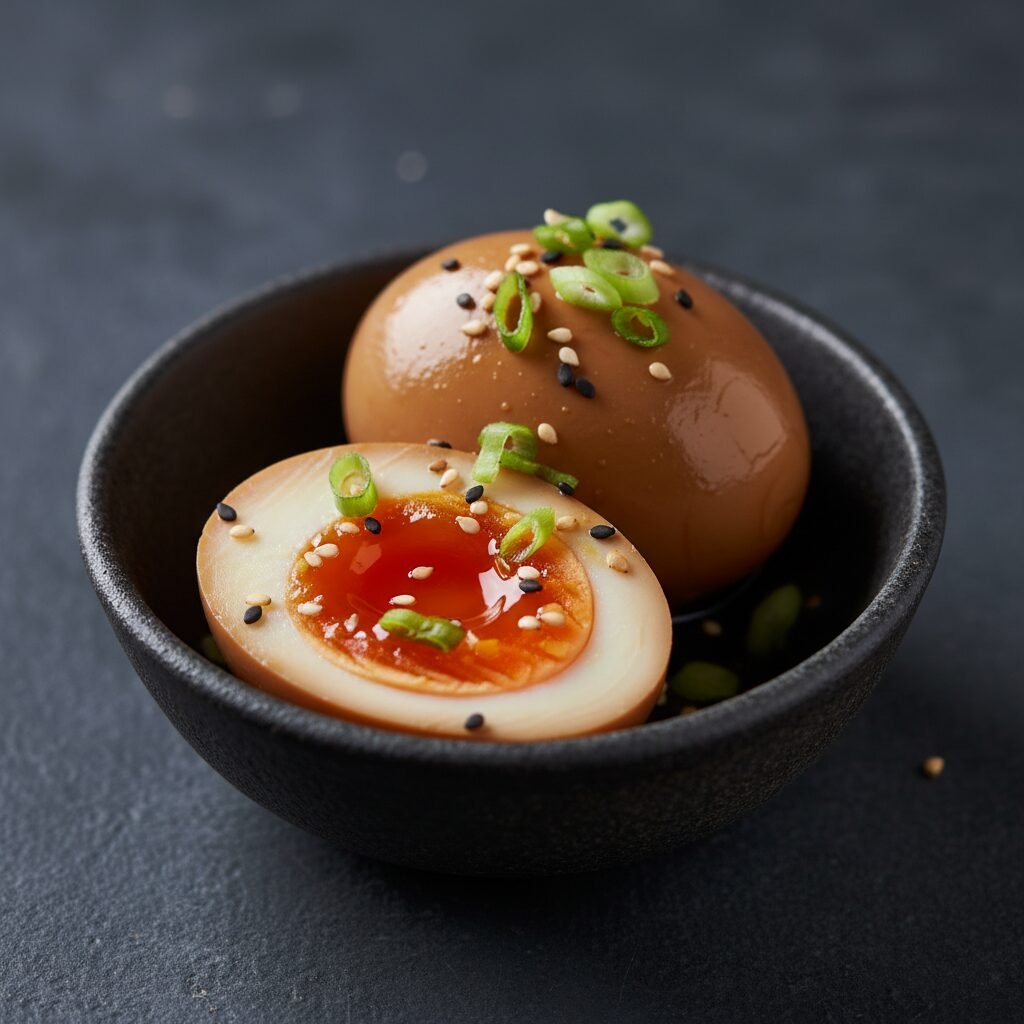
There are certain recipes that, once discovered, become a permanent fixture in your culinary repertoire. This is one of them. These 5-Minute Marinated Eggs, known as Ajitsuke Tamago in Japan or Mayak Gyeran in Korea, are a testament to the power of simple ingredients and the magic of time. The ‘5-minute’ moniker refers to the astonishingly brief active preparation time required to create the flavor-packed marinade. The real transformation happens as the eggs rest, bathing in a savory, umami-rich, and slightly sweet liquid, absorbing its essence until they become utterly irresistible. Each bite delivers a perfect jammy yolk, a firm yet tender white, and a wave of complex flavor that hits every note on your palate. They are more than just a hard-boiled egg; they are a flavor bomb, a versatile protein powerhouse, and the secret weapon to elevating countless meals from ordinary to extraordinary. Whether you’re topping a bowl of ramen, adding a protein boost to your avocado toast, or simply craving a satisfying and delicious snack, these marinated eggs are the answer. Prepare to be hooked.
5 minutes
7 minutes
4 hours 12 minutes (includes minimum marination)
6 eggs
Side Dish/Topping
Boiling, Marinating
Japanese-Inspired
High-Protein
Why You’ll Love This Recipe
- Incredibly simple with only 5 minutes of active prep time.
- Packed with a deep, savory umami flavor.
- Perfect for meal prep; flavor improves over time.
- Features a desirable jammy yolk.
- Extremely versatile as a topping, side dish, or snack.
Equipment You’ll Need
- Medium saucepan
- Slotted spoon
- Large bowl for ice bath
- Measuring cups and spoons
- Airtight container, jar, or resealable plastic bag
Ingredients
- 6 large eggs, preferably a week old
- 1/2 cup low-sodium soy sauce (or tamari for gluten-free)
- 1/2 cup water
- 1/4 cup mirin
- 2 tablespoons granulated sugar or honey
- 2 cloves garlic, thinly sliced
- 1-inch piece of ginger, thinly sliced
- 1 scallion, roughly chopped
Instructions
- Prepare the Ice Bath: Before you begin cooking, fill a large bowl with cold water and plenty of ice. Set it aside near your stove. This is a critical step for halting the cooking process precisely.
- Boil the Eggs: Bring a medium saucepan of water to a rolling boil. Gently lower the eggs into the boiling water using a slotted spoon to prevent them from cracking. For a perfect jammy yolk, boil for exactly 7 minutes. If you prefer a runnier yolk, aim for 6 minutes; for a firmer, almost-hard yolk, go for 8-9 minutes.
- Shock the Eggs: Once the timer goes off, immediately use the slotted spoon to transfer the eggs from the boiling water directly into the prepared ice bath. Let them cool completely in the ice water for at least 10-15 minutes. This not only stops the cooking but also makes them significantly easier to peel.
- Prepare the Marinade: While the eggs are cooling, combine the soy sauce, water, mirin, sugar, sliced garlic, sliced ginger, and chopped scallion in your marinating container (a jar, airtight container, or resealable bag). Stir well until the sugar is fully dissolved.
- Peel the Eggs: Gently tap a cooled egg on a hard surface to crack the shell all over. Roll it gently under your palm to loosen the shell. Peel the eggs under a thin stream of running water or in the bowl of water, which helps to wash away any small shell fragments. Pat the peeled eggs dry with a paper towel.
- Marinate: Carefully place the peeled eggs into the container with the marinade. Ensure the eggs are fully submerged. If using a bag, press out as much air as possible before sealing. If using a rigid container and the eggs float, you can place a small piece of paper towel on top of the eggs to keep them submerged and ensure even coloring.
- Refrigerate and Wait: Seal the container and place it in the refrigerator. For a light flavor, marinate for at least 4 hours. For a deeper, more pronounced flavor, marinate for 12-24 hours. They can be stored in the marinade for up to 4 days.
Expert Cooking Tips
- Use Older Eggs: Eggs that are a week or two old are scientifically easier to peel than farm-fresh eggs because the air cell has enlarged and the membrane is less attached to the shell.
- Gentle Submersion: Lowering eggs into already boiling water helps ensure consistent cooking time, but do it gently to avoid cracking the shells upon impact.
- The Ice Bath is Non-Negotiable: Do not skip the ice bath. It’s the secret to a perfect jammy yolk and frustration-free peeling.
- Rotate for Even Color: If your eggs aren’t fully submerged, gently rotate the container or the eggs themselves every few hours to ensure they get an even, beautiful brown color all around.
- Taste Your Marinade: Before adding the eggs, give your marinade a taste. You can adjust sweetness or saltiness to your preference. Remember the flavor will concentrate in the eggs.
Substitutions and Variations
For a gluten-free version, use tamari or coconut aminos instead of soy sauce. If you don’t have mirin, you can substitute it with 1/4 cup of water mixed with 1 tablespoon of sugar and a teaspoon of rice vinegar. Honey or maple syrup can be used in place of granulated sugar for a different flavor profile. For a bit of heat, add a sliced red chili or a teaspoon of red pepper flakes to the marinade.
Common Mistakes to Avoid
The most common mistake is overcooking the eggs, leading to a dry, chalky yolk. Use a timer religiously. Another frequent error is not cooling the eggs sufficiently in an ice bath, which makes them difficult to peel and can result in a slightly overcooked texture. Finally, marinating for too long (over 4 days) can make the eggs excessively salty and give the whites a rubbery texture. Uneven coloring occurs when the eggs are not fully submerged in the marinade.
Serving Suggestions
These marinated eggs are incredibly versatile. The classic use is to slice one in half and place it in a bowl of ramen or udon noodle soup. They are also fantastic on a simple bowl of steamed rice (donburi), on avocado toast, chopped into a salad for a protein and flavor boost, or simply eaten whole as a high-protein snack. They can also be a delicious and surprising addition to a bento box or a charcuterie board.
Storage and Reheating Tips
Store the eggs in their marinade in an airtight container in the refrigerator. They will keep for up to 4 days. The flavor will continue to develop and deepen each day. The leftover marinade can be used once more for a second batch of eggs, or it can be strained and drizzled over rice, vegetables, or used as a base for a stir-fry sauce.
Nutrition Facts (Estimated)
| Serving Size | 1 egg |
| Calories | 95 kcal |
| Fat | 5g |
| Saturated Fat | 1.6g |
| Unsaturated Fat | 3.4g |
| Trans Fat | 0g |
| Cholesterol | 185mg |
| Sodium | 350mg |
| Carbohydrates | 3g |
| Fiber | 0g |
| Sugar | 2g |
| Protein | 6g |
Frequently Asked Questions
Can I reuse the marinade?
Yes, you can reuse the marinade for one more batch of eggs. Simply strain out the old aromatics, bring the liquid to a boil, let it cool completely, and then use it for your next batch. Alternatively, use it as a flavorful sauce for rice or noodles within a few days.
My egg yolks are green. What did I do wrong?
A greenish or gray ring around the yolk is a sign of overcooking. It’s a harmless reaction between sulfur in the egg white and iron in the yolk. To prevent this, be precise with your cooking time and use the ice bath immediately to stop the cooking process.
How long is the ideal marination time?
The ideal time depends on your preference. Four hours provides a nice, subtle flavor. For many, the sweet spot is between 12 and 24 hours, where the flavor has deeply penetrated the white and seasoned the yolk without making it too salty. We recommend tasting one at 12 hours and deciding if you want to let the rest go longer.
Conclusion
Mastering the art of the marinated egg is a simple endeavor with a profoundly delicious reward. With just a handful of staple ingredients and a little patience, you can create a culinary component that elevates everything it touches. This recipe is not just about following steps; it’s about understanding a technique that you can adapt and make your own. Experiment with different aromatics, adjust the sweetness, or add a touch of spice. We guarantee that once you experience the rich flavor and perfect texture of a homemade marinated egg, you’ll find it hard to stop eating them, too.