How to Boil Cod So It Tastes Exactly Like Lobster
How To Boil Cod So It Tastes Exactly Like Lobster
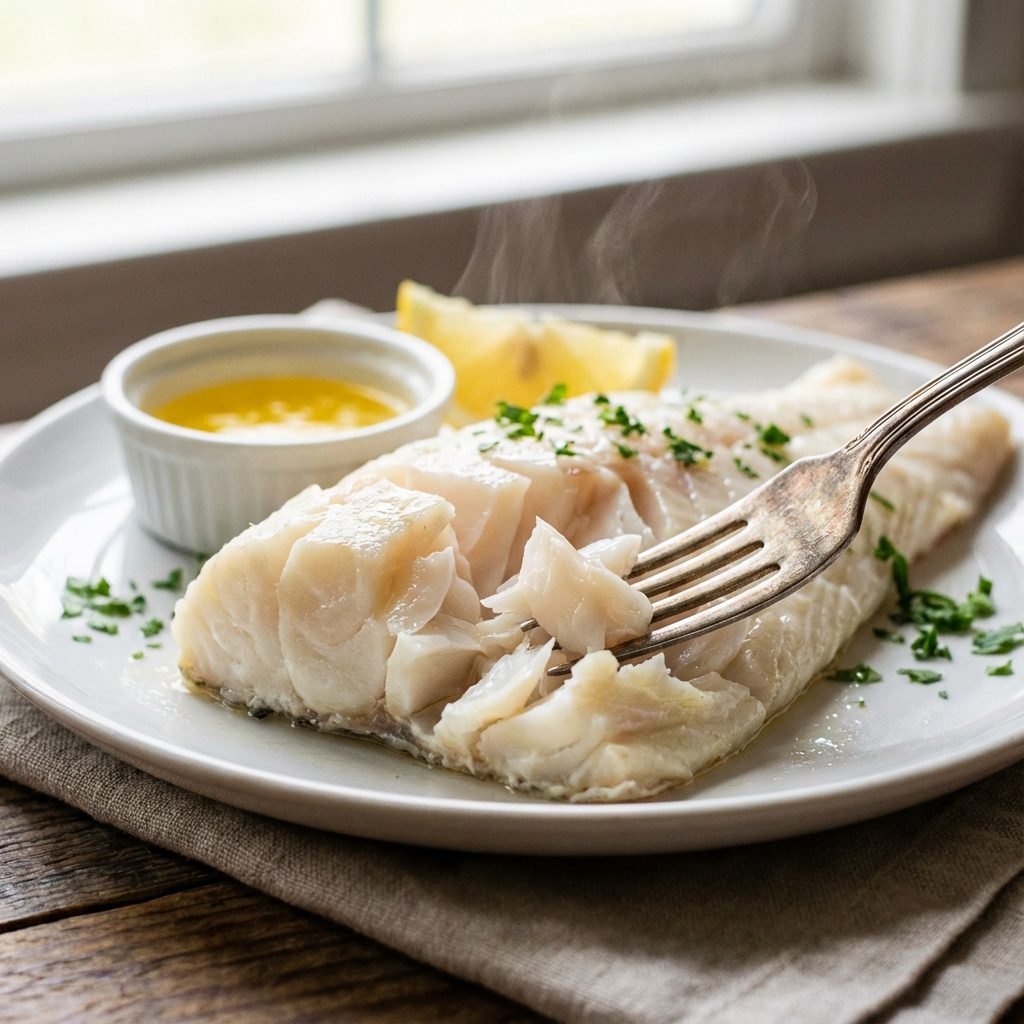
Unlock the culinary secret that chefs and savvy home cooks have used to turn humble cod into a luxurious dish that masterfully mimics the taste and texture of lobster. It sounds like kitchen alchemy, but the transformation is rooted in simple science. By poaching thick, flaky cod fillets in a specially prepared solution of salted and sweetened water, you alter the fish’s protein structure in a way that yields a firm, succulent bite remarkably similar to lobster meat. This technique is not about masking the flavor of cod, but rather enhancing its natural qualities to echo a more decadent crustacean. It’s the ultimate food hack for enjoying a five-star seafood experience on a weeknight budget. Prepare to be astonished as you dip a buttery, flaky piece of this ‘poor man’s lobster’ and wonder why you haven’t tried it sooner.
10 minutes
8-10 minutes
20 minutes
Serves 4
Main Course
Poaching
American
Gluten-Free
Why You’ll Love This Recipe
- Achieve a lobster-like texture and flavor with affordable cod.
- A simple poaching technique that takes less than 15 minutes.
- Perfect for elegant dinners, salads, or ‘cod rolls’ that taste like the real deal.
- A budget-friendly way to enjoy a luxurious seafood experience.
Equipment You’ll Need
- Large pot or Dutch oven
- Slotted spoon or fish spatula
- Measuring cups and spoons
- Small saucepan (for melting butter)
Ingredients
- 4 cod fillets (6 oz each), thick-cut and skinless
- 8 cups water
- 1/4 cup granulated sugar
- 3 tablespoons kosher salt
- 1 lemon, halved
- 1/2 cup unsalted butter, for serving
- 2 tablespoons fresh parsley, chopped (optional, for garnish)
- Lemon wedges, for serving
Instructions
- Prepare the Cod: Gently pat the cod fillets completely dry with paper towels. This helps the fish cook evenly and maintain a firm texture. If fillets are particularly large, you can cut them into 2-3 inch wide portions, similar in size to lobster tails.
- Create the Poaching Liquid: In a large pot or Dutch oven, combine the 8 cups of water, 1/4 cup of sugar, and 3 tablespoons of kosher salt. Squeeze the juice from both lemon halves directly into the pot, then add the squeezed lemon rinds to the water as well for extra flavor.
- Bring to a Boil: Place the pot over high heat and bring the liquid to a full, rolling boil. Stir occasionally to ensure that the salt and sugar have completely dissolved.
- Reduce Heat and Add Cod: As soon as the liquid is boiling, reduce the heat to low. You want the water to be a very gentle simmer, with only a few small bubbles breaking the surface. A vigorous boil will break apart the delicate cod. Carefully lower the cod fillets into the simmering liquid.
- Poach the Cod: Let the fillets poach gently for 8-10 minutes. The exact time will depend on the thickness of your fillets. The fish is cooked perfectly when it turns from translucent to opaque and flakes easily when tested with a fork at its thickest point.
- Remove and Drain: Using a large slotted spoon or fish spatula, carefully lift each cod fillet out of the poaching liquid, allowing any excess water to drip back into the pot. Be gentle to keep the fillets intact.
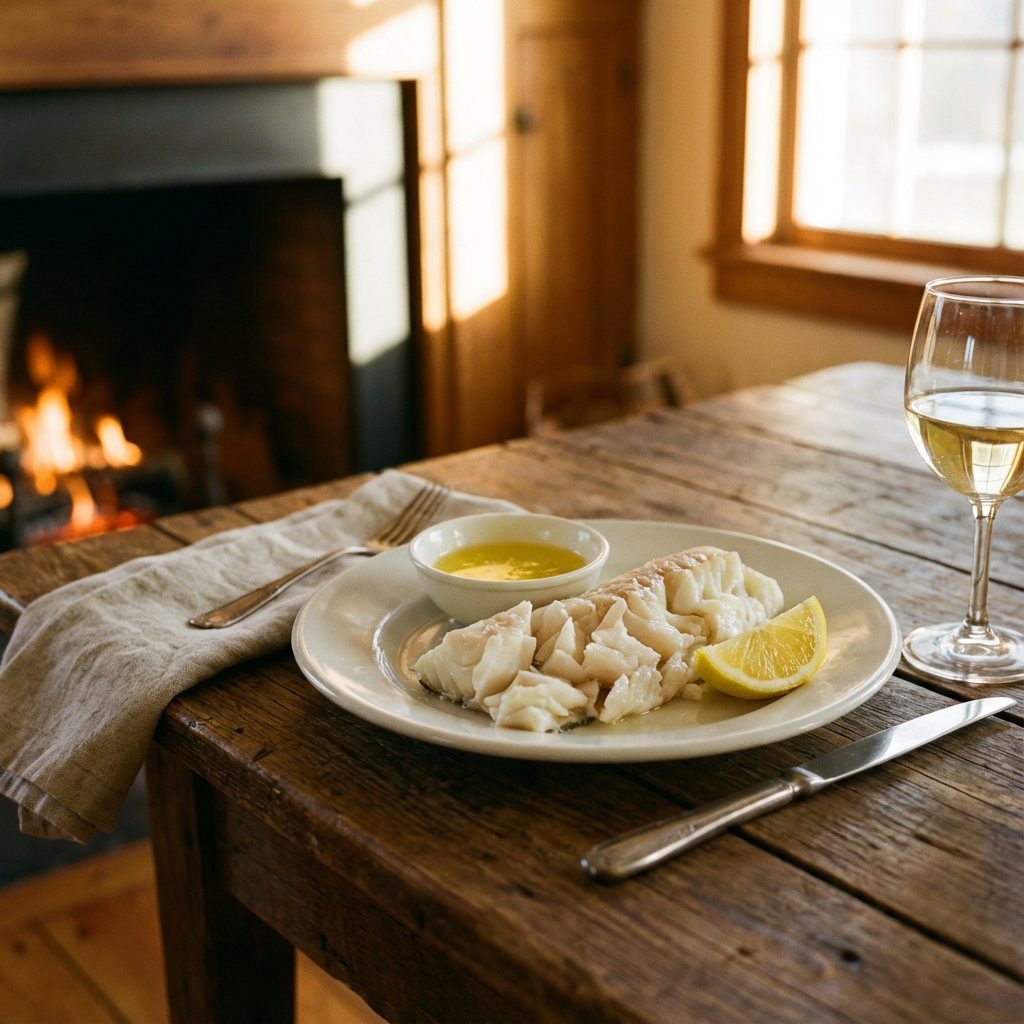
- Serve Immediately: While the cod is poaching, melt the butter in a small saucepan. Arrange the poached cod on plates, drizzle generously with the melted butter, and garnish with fresh parsley. Serve immediately with lemon wedges on the side for squeezing.
Expert Cooking Tips
- Use Thick-Cut Fillets: The success of this recipe hinges on texture. Use thick-cut cod loin for the best results. Thinner pieces, like the tail end, are more likely to fall apart and won’t have the same meaty bite.
- Don’t Crowd the Pot: Ensure the fillets have enough space to float freely in the poaching liquid. If your pot is too small, cook the fish in two separate batches.
- Maintain a Gentle Simmer: This cannot be overstated. A hard boil will agitate the fish, causing it to shred and become tough. The goal is to cook it gently, which keeps the flakes large and succulent.
- Check for Doneness Early: Start checking the fish around the 7-minute mark. It can go from perfectly cooked to overcooked in less than a minute. As soon as it flakes easily, it’s done.
Substitutions and Variations
While cod is the ideal choice for its mild flavor and firm texture, other firm white fish like haddock or pollock can work in a pinch, though the final texture may be slightly different. Avoid delicate fish like sole or oily fish like salmon. Granulated sugar is best for its neutral sweetness, but you can substitute an equal amount of another sweetener if necessary, keeping in mind it may alter the final taste.
Common Mistakes to Avoid
The most frequent mistake is overcooking the cod, which results in a rubbery, dry texture—the exact opposite of succulent lobster. Use a timer and check the fish early. The second common error is boiling the fish too vigorously. A rapid boil will break up the delicate proteins and ruin the texture. Remember, you are poaching, not boiling. Keep the water at a bare simmer for gentle, even cooking.
Serving Suggestions
The classic way to serve this ‘lobster-style’ cod is with a side of drawn butter for dipping, accompanied by roasted baby potatoes and steamed asparagus. For a New England-inspired meal, flake the cooked cod and toss it with mayonnaise, celery, and a squeeze of lemon to create incredible ‘cod rolls’ served in toasted, buttered brioche buns. The chilled, flaked meat is also an excellent protein for a deluxe seafood salad.
Storage and Reheating Tips
Store any leftovers in an airtight container in the refrigerator for up to two days. The cod is delicious served cold on salads. To reheat, it’s best to use a microwave at 50% power in 30-second intervals until just warmed through. Avoid reheating in a pan, as the direct heat can easily dry out the delicate fish.
Nutrition Facts (Estimated)
| Serving Size | 1 fillet (6 oz) |
| Calories | 350 kcal |
| Fat | 18g |
| Saturated Fat | 10g |
| Unsaturated Fat | 7g |
| Trans Fat | 0g |
| Cholesterol | 120mg |
| Sodium | 450mg |
| Carbohydrates | 2g |
| Fiber | 0g |
| Sugar | 2g |
| Protein | 40g |
Frequently Asked Questions
Does it really taste exactly like lobster?
While it’s a remarkable culinary illusion, the term ‘exactly’ is subjective. This method gives cod a sweetness and a firm yet tender texture that is incredibly similar to lobster meat. When dipped in melted butter, the overall experience is astonishingly close and wonderfully satisfies the craving for a fraction of the cost.
Can I use frozen cod fillets for this recipe?
Yes, frozen cod works well, but it is essential to thaw it completely before you begin. The best method is to let it thaw overnight in the refrigerator. Before cooking, pat the thawed fillets very dry with paper towels to remove all excess moisture, which can prevent the fish from achieving the desired firm texture.
Can I add other flavorings to the poaching water?
Absolutely. While this specific recipe is calibrated to mimic lobster, you can certainly add other aromatics to the poaching liquid. A bay leaf, a few whole black peppercorns, or a couple of garlic cloves would add a lovely depth of flavor. Just be aware that these additions will create a different, albeit delicious, flavor profile that moves away from the pure lobster-like taste.
Conclusion
This recipe is more than just a method for cooking fish; it’s a transformative technique that elevates a simple ingredient into something truly special. By understanding the simple interplay of salt, sugar, and gentle heat, you can create a dish that is both elegant and economical. Whether you’re hosting a dinner party or simply treating yourself to a luxurious meal, this lobster-style cod is a testament to the magic that can happen in the kitchen. Give it a try and prepare to be amazed.