Hawaiian Spam Musubi: The Sweet and Savory Snack That’s Surprisingly Gourmet
Hawaiian Spam Musubi: The Sweet And Savory Snack That’S Surprisingly Gourmet
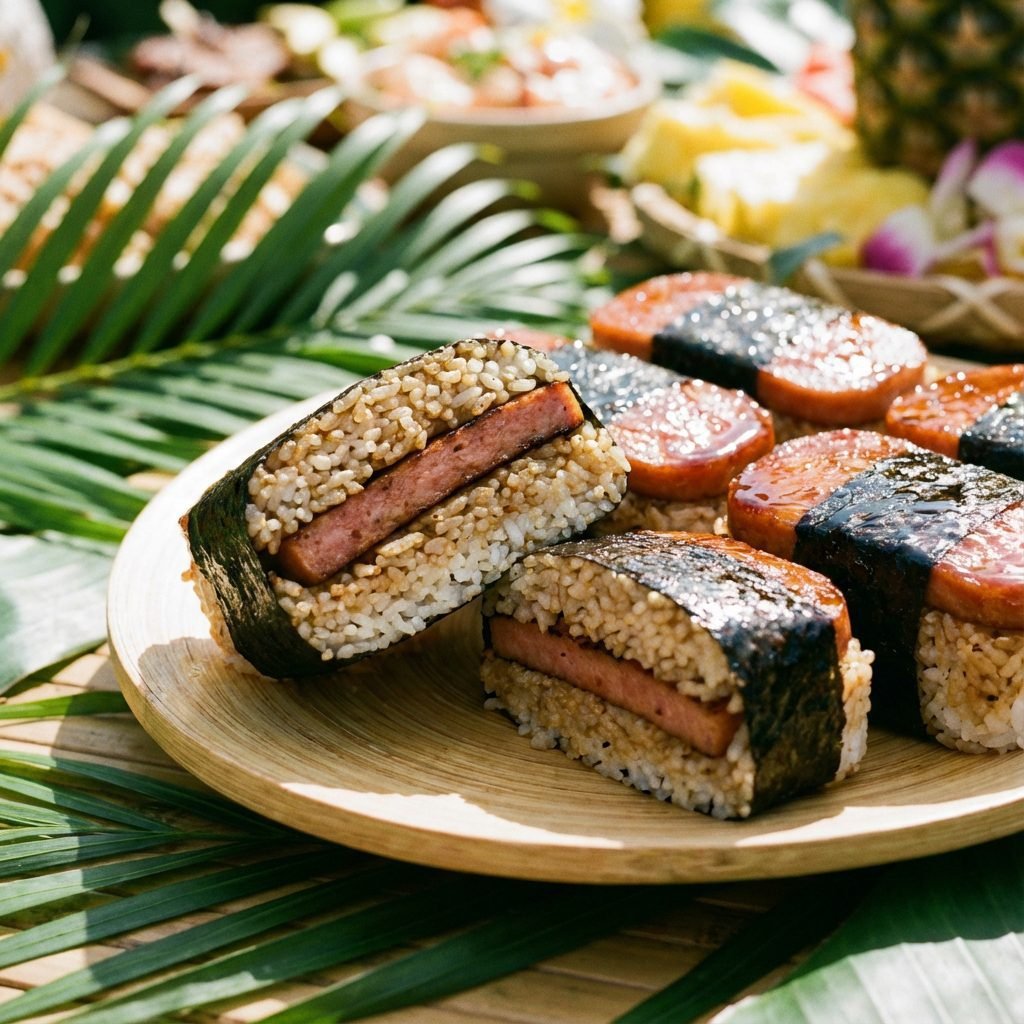
Step into any convenience store or lunch spot in Hawaii, and you’re guaranteed to find a local treasure: Spam Musubi. This iconic snack, a perfect marriage of American and Japanese culinary influences, might seem unusual at first, but one bite is all it takes to understand its immense popularity. It consists of a slice of grilled Spam, glazed in a sweet and savory teriyaki-style sauce, placed atop a block of seasoned sushi rice, and all wrapped together with a strip of nori (dried seaweed). Far from being a simple canned meat dish, Spam Musubi is a testament to Hawaiian ingenuity, transforming a humble ingredient into a crave-worthy, portable, and surprisingly sophisticated treat. This recipe will guide you through creating an authentic taste of the islands right in your own kitchen.
20 minutes (includes rice cooking time)
15 minutes
35 minutes
8-10 musubi
Snack / Appetizer
Pan-Frying
Hawaiian / Japanese-American
Standard
Why You’ll Love This Recipe
- Authentic Hawaiian flavor profile with a sweet and savory glaze.
- Simple to prepare with common pantry staples.
- Perfectly portable for lunches, picnics, and on-the-go snacking.
- A budget-friendly recipe that delivers impressive taste.
- Easily customizable with different Spam varieties or seasonings.
Equipment You’ll Need
- Rice cooker or medium pot with a lid
- Large non-stick skillet
- Small saucepan
- Musubi mold (or the empty, cleaned Spam can)
- Cutting board
- Sharp knife
- Small bowl and whisk
Ingredients
- 1 can (12 ounces) Spam Classic, sliced into 8-10 even pieces
- 3 cups cooked Japanese short-grain or medium-grain (sushi) rice
- 1/4 cup soy sauce (shoyu)
- 1/4 cup granulated sugar
- 2 tablespoons mirin (Japanese sweet rice wine)
- 2 full sheets of nori (dried seaweed), cut lengthwise into 2-inch wide strips
- Optional: Furikake seasoning for the rice
Instructions
- Cook the rice according to package directions. For best results, use a rice cooker. Once cooked, let it rest, covered, for 10 minutes. If desired, you can gently fold in furikake seasoning while the rice is still warm.
- While the rice is cooking, prepare the glaze. In a small saucepan, whisk together the soy sauce, sugar, and mirin. Heat over medium-low heat, stirring constantly, until the sugar has completely dissolved. Let it simmer gently for 2-3 minutes until it thickens slightly. Remove from heat and set aside.
- Open the can of Spam and slice it lengthwise into 8 to 10 equal slices (about 1/4-inch thick).
- Heat a large non-stick skillet over medium-high heat. Place the Spam slices in a single layer and cook for 2-3 minutes per side, until they are golden brown and slightly crispy.
- Pour the prepared glaze over the Spam in the skillet. Reduce the heat to low and let the Spam simmer in the sauce for about 1-2 minutes per side, allowing the glaze to caramelize onto the meat. Be careful not to burn the sugar. Remove the glazed Spam from the skillet and set it on a plate.
- To assemble, place your musubi mold on a cutting board. If you don’t have a mold, use the cleaned Spam can with both ends removed as a substitute. Wet the inside of the mold to prevent sticking.
- Fill the mold about halfway with warm rice (about 1/3 cup). Use the mold’s press to firmly, but not aggressively, pack the rice down into a solid block. Remove the mold, leaving the shaped rice on the board.
- Place a slice of glazed Spam on top of the rice block.
- Take one strip of nori and wrap it around the Spam and rice, like a belt. Moisten the end of the nori strip with a dab of water to seal it.
- Repeat the process with the remaining rice, Spam, and nori. Serve immediately while warm, or let them cool to room temperature.
Expert Cooking Tips
- Use Japanese short-grain (sushi) rice. Its sticky texture is crucial for helping the musubi hold its shape.
- Cook the rice with slightly less water than usual to make it firmer and less mushy when pressed.
- Keep a small bowl of water handy to dip your hands and the musubi mold in. This prevents the rice from sticking to everything.
- Don’t let the glaze reduce too much in the saucepan; it will continue to thicken as it cools and when you add it to the hot pan with the Spam.
- For an extra layer of flavor, sprinkle a little furikake on the rice before adding the Spam.
Substitutions and Variations
For a lower-sodium version, use Spam Lite or Low-Sodium Spam and low-sodium soy sauce. For a gluten-free option, use tamari instead of soy sauce. If you don’t have mirin, you can substitute 1 tablespoon of rice vinegar mixed with 1 teaspoon of sugar. Brown sugar can be used in place of white sugar for a deeper, more molasses-like flavor.
Common Mistakes to Avoid
The most common mistake is using the wrong kind of rice. Long-grain rice like basmati or jasmine will not stick together. Another pitfall is over-packing the rice in the mold, which makes it dense and tough. Press just enough to make it hold its shape. Finally, be careful not to burn the glaze; the sugar can go from caramelized to burnt very quickly, so keep the heat on medium-low when glazing.
Serving Suggestions
Spam Musubi is a complete snack on its own. It’s traditionally served at room temperature, making it perfect for bento boxes, picnics, or beach trips. For a more complete meal, serve it alongside a refreshing cucumber sunomono salad, some edamame, or a bowl of miso soup. They are also a popular appetizer at parties and potlucks.
Storage and Reheating Tips
Wrap each musubi individually and tightly in plastic wrap to prevent the rice from drying out. They are best eaten the same day they are made. If you must store them, they can be kept at room temperature for up to 24 hours or in the refrigerator for 2-3 days. Note that refrigeration will harden the rice. To serve refrigerated musubi, unwrap and microwave for 15-20 seconds to soften the rice before eating.
Nutrition Facts (Estimated)
| Serving Size | 1 musubi |
| Calories | 285 kcal |
| Fat | 14g |
| Saturated Fat | 5g |
| Unsaturated Fat | 9g |
| Trans Fat | 0g |
| Cholesterol | 35mg |
| Sodium | 650mg |
| Carbohydrates | 29g |
| Fiber | 1g |
| Sugar | 7g |
| Protein | 9g |
Frequently Asked Questions
Do I absolutely need a musubi mold?
No, you don’t! The traditional method before molds were widely available was to use the cleaned, empty Spam can. Carefully remove both the top and bottom lids, wash it thoroughly, and use it to shape the rice block. It’s the perfect size.
Can I make Spam Musubi ahead of time?
Yes, but with a caveat. Musubi is at its absolute best when fresh and the rice is still warm and soft. You can make it a few hours ahead and keep it at room temperature. If making it a day ahead, follow the storage tips for refrigeration and reheating.
Is Spam Musubi really a traditional Hawaiian dish?
It’s a modern Hawaiian classic. While not an ancient dish, it was invented in Hawaii in the 20th century, blending Japanese culinary traditions (musubi) with a readily available American food product (Spam). It has since become a deeply ingrained and beloved part of local food culture.
Conclusion
Spam Musubi is more than just a snack; it’s a delicious piece of Hawaiian history. With its irresistible combination of sweet, salty, and savory flavors, and its simple, satisfying construction, it’s easy to see why this humble dish has captured hearts (and stomachs) across the globe. This recipe empowers you to recreate that authentic island experience, proving that sometimes, the most gourmet flavors come from the most unexpected places. Enjoy your taste of aloha!