Gut Healing Curd Rice: The Cooling Superfood You Need This Summer
Gut Healing Curd Rice: The Cooling Superfood You Need This Summer
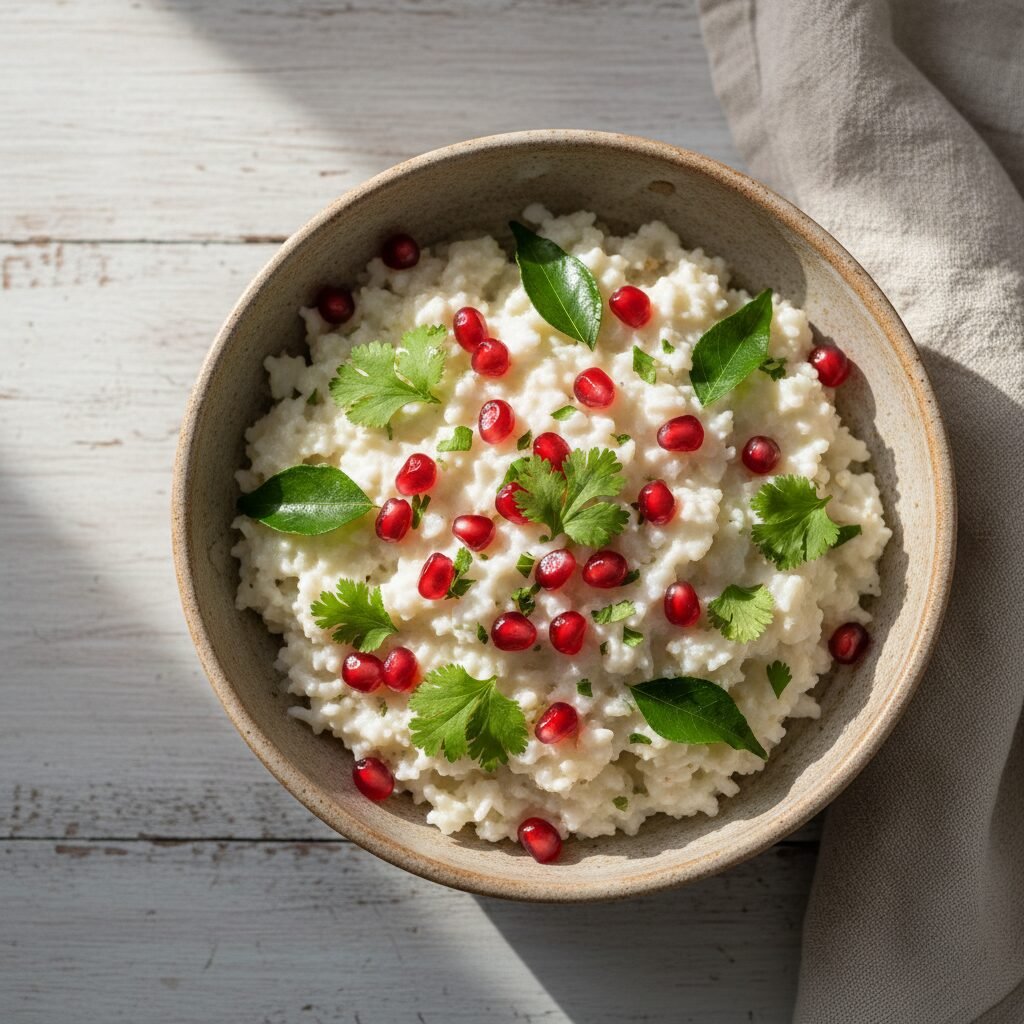
Discover the magic of Gut Healing Curd Rice, a creamy, cooling, and incredibly soothing dish perfect for those hot summer days. This traditional South Indian comfort food is not just delicious, but also a powerhouse for your gut health, making it a must-try for every mama looking for easy, wholesome meals.
15 minutes
20 minutes (if cooking rice from scratch)
35 minutes
4 servings
Main Course, Side Dish
No-Cook (assembly), Tempering
South Indian
Vegetarian, Gluten-Free (if using gluten-free asafoetida)
Oh, sweet friends! As the sun shines brighter and the days grow longer, our bodies naturally crave something light, refreshing, and utterly soothing. If you’re anything like me, a busy mama juggling a million things, you’re always on the lookout for meals that are not only delicious but also secretly working wonders for your family’s health. Well, get ready to meet your new summer obsession: Gut Healing Curd Rice! This isn’t just any rice dish; it’s a creamy, dreamy, cooling superfood that hails from the heart of South India, and trust me, it’s about to become your go-to for those warm days when you need a gentle hug for your tummy. Imagine a dish that cools you down from the inside out, replenishes your gut with happy probiotics, and tastes absolutely divine – all while being incredibly simple to whip up. Yes, it’s true! Curd rice, or ‘Thayir Sadam’ as it’s known in Tamil, is a traditional comfort food that has been cherished for generations for its incredible digestive benefits and its ability to bring a sense of calm and well-being. It’s perfect for a light lunch, a soothing dinner, or even as a gentle meal when tummies are feeling a little off. So, let’s dive into the wonderful world of this cooling superfood and discover how easy it is to bring this gut-loving goodness to your own kitchen!
In our fast-paced lives, it’s easy to overlook the simple power of traditional foods. But curd rice is a beautiful reminder that sometimes, the most profound health benefits come from the most unassuming ingredients. It’s a dish that truly nourishes from the inside out, providing a gentle yet effective way to support your digestive system, especially when the heat of summer can make you feel sluggish. Beyond its health perks, it’s also incredibly versatile. You can dress it up with vibrant garnishes, making it a feast for the eyes as well as the palate. Whether you’re a seasoned cook or just starting your culinary journey, this recipe is designed to be foolproof, bringing a taste of South Indian comfort right to your family table. Get ready to fall in love with a dish that’s as good for your soul as it is for your gut!

History & Origins
The story of Curd Rice is as rich and comforting as the dish itself, deeply woven into the culinary fabric of South India. For centuries, this humble yet powerful dish has been a staple in households across states like Tamil Nadu, Karnataka, Andhra Pradesh, and Kerala. It’s more than just food; it’s a cultural icon, often served as the final course in traditional South Indian meals, believed to aid digestion and provide a cooling finish, especially after a spicy feast. From temple offerings to everyday lunchboxes, curd rice holds a special place. It’s a testament to the wisdom of ancient Indian culinary practices, where food was not just for sustenance but also for its medicinal properties. Mamas and grandmas have passed down their unique tempering secrets through generations, each adding their special touch to this beloved dish. It’s a dish that evokes memories of home, comfort, and the gentle care of loved ones. The simplicity of its ingredients belies the profound impact it has on both body and soul, making it a timeless classic that continues to nourish and delight.
Historically, curd rice was also a practical solution for using leftover rice, transforming it into a fresh and palatable meal. The fermentation process of the yogurt was understood to be beneficial long before modern science explained probiotics. It was a common travel food, as it kept well and provided sustained energy. The tempering, a quick sauté of spices, is not just for flavor; it’s a technique used in Indian cooking to unlock the medicinal properties of spices and add a layer of digestive aid. This blend of practicality, tradition, and inherent health benefits has ensured curd Rice’s enduring popularity, making it a cherished part of South Indian heritage that continues to be enjoyed and celebrated today.
Why This Recipe Works
So, what makes this creamy concoction a ‘gut-healing superfood’? It all comes down to its star ingredient: yogurt, or ‘curd’ as it’s known in India. Yogurt is a fantastic source of probiotics, those wonderful live bacteria that are essential for a healthy gut microbiome. These friendly bacteria help improve digestion, enhance nutrient absorption, and even boost your immune system – truly a powerhouse for your inner health! When combined with cooked rice, which is easy to digest, curd rice becomes a gentle and soothing meal for your digestive system. The cooling properties of yogurt are particularly beneficial during hot weather, helping to balance your body’s internal temperature. Furthermore, the tempering – a quick sauté of spices like mustard seeds, curry leaves, and ginger – not only adds incredible flavor but also contributes its own digestive benefits. Ginger is known for its anti-inflammatory properties, and curry leaves are rich in antioxidants. This harmonious blend of ingredients creates a dish that is light, nourishing, and incredibly effective at promoting a happy, healthy gut. It’s the perfect example of food as medicine, delivered in the most delicious and comforting way possible!
The combination of simple carbohydrates from the rice and the protein and probiotics from the yogurt creates a balanced meal that is both satisfying and easy on the stomach. Unlike heavier, richer foods, curd rice doesn’t tax your digestive system, making it an ideal choice when you’re feeling under the weather or simply want a light, energizing meal. The addition of milk helps achieve that perfect creamy consistency, ensuring every spoonful is a delight. The spices in the tempering, while seemingly small in quantity, play a huge role in enhancing both the flavor and the digestive properties of the dish. Mustard seeds aid digestion, asafoetida helps reduce bloating, and ginger is a well-known digestive stimulant. Together, these elements create a symphony of flavors and health benefits that truly make this dish a superfood for your gut.
Why You’ll Love This Recipe
- ✓Naturally cooling and refreshing for summer.
- ✓Packed with probiotics for a happy, healthy gut.
- ✓Incredibly easy to prepare, perfect for busy days.
- ✓A comforting and wholesome meal for the whole family.
- ✓Versatile and customizable with your favorite toppings.
- ✓A delicious way to enjoy traditional South Indian flavors.
Equipment You’ll Need
- ✓Large mixing bowl
- ✓Small saucepan or tempering pan
- ✓Spatula
- ✓Measuring cups and spoons
Ingredients
- ✓1 cup cooked white rice (preferably short-grain, cooled – leftover rice works beautifully!)
- ✓1.5 cups plain full-fat yogurt (dairy or non-dairy, for probiotics!)
- ✓1/4 cup milk (dairy or non-dairy, for creaminess)
- ✓1/2 teaspoon salt, or to taste
- ✓
For the Tempering:
- ✓1 tablespoon coconut oil or ghee
- ✓1/2 teaspoon mustard seeds
- ✓1/2 teaspoon urad dal (split black lentils, optional but lovely for texture)
- ✓Pinch of asafoetida (hing, gluten-free if needed)
- ✓1-2 dried red chilies, broken (adjust to your spice preference)
- ✓1 sprig fresh curry leaves
- ✓1 inch ginger, grated or finely minced
- ✓
Optional Garnishes:
- ✓Finely chopped cucumber
- ✓Pomegranate seeds (for a pop of color and sweetness!)
- ✓Fresh cilantro, chopped
- ✓Grated carrots

Instructions
-
Step 1: Prepare the Rice
If you don’t have leftover rice, cook 1 cup of white rice according to package directions. Once cooked, spread it out on a plate or baking sheet to cool completely. This is a crucial step to prevent the yogurt from splitting and ensure a creamy consistency!
-
Step 2: Combine Ingredients
In a large mixing bowl, gently mash the cooled rice slightly with the back of a spoon or your hands. This helps create that lovely, soft texture. Add the plain yogurt, milk, and salt. Mix everything together until well combined and creamy. The consistency should be soft and slightly loose; add a little more milk or yogurt if it feels too thick for your liking.
-
Step 3: Prepare the Tempering
Heat the coconut oil or ghee in a small saucepan or tempering pan over medium heat. Once hot, add the mustard seeds. Let them splutter vigorously – this indicates they are cooked and releasing their flavor. Then, add the urad dal (if using) and sauté until it turns light golden brown. Immediately add the asafoetida, dried red chilies, fresh curry leaves, and grated ginger. Sauté for about 30 seconds until the curry leaves are crisp and the ginger is fragrant. Be careful not to burn the spices!
-
Step 4: Add Tempering to Rice
Carefully pour the hot, aromatic tempering mixture directly over the curd rice mixture in the bowl. Stir gently to incorporate the aromatic spices throughout the rice. Oh, the smell is just divine!
-
Step 5: Garnish and Serve
Taste and adjust salt if needed. Now for the fun part – garnishing! Sprinkle with your favorite toppings like finely chopped cucumber, vibrant pomegranate seeds, fresh cilantro, or grated carrots. For best flavor, let the curd rice sit for at least 15-30 minutes in the refrigerator before serving, allowing the flavors to meld and the dish to chill further. Serve cool and enjoy your gut-healing superfood!

Expert Cooking Tips
- ✓Always use cooled rice! Hot rice will curdle the yogurt, resulting in an unappetizing texture. If you’re in a hurry, spread hot rice thinly on a tray and pop it in the freezer for a few minutes.
- ✓For the creamiest, most delicious curd rice, opt for full-fat plain yogurt. It provides a richer texture and more satisfying flavor. If you prefer a lighter version, low-fat works too, but you might need a touch more milk for consistency.
- ✓Don’t skip the tempering! This step is the heart and soul of curd rice, infusing it with incredible aroma and depth of flavor. It truly elevates the dish from simple to sensational.
- ✓Adjust the consistency to your preference. Some like it thicker, others prefer it looser. Feel free to add a splash more milk or yogurt to achieve your ideal texture.
- ✓Let the flavors meld. While you can eat it immediately, curd rice tastes even better after it has had a chance to chill in the refrigerator for 15-30 minutes. This allows all the beautiful flavors to come together beautifully.
Substitutions and Variations
My sweet friends, don’t you just love a recipe that’s flexible? Curd rice is wonderfully adaptable to what you have on hand or your dietary needs!
- Rice: While white short-grain rice is traditional, you can absolutely use brown rice for a nuttier flavor and extra fiber. Just be aware the texture will be a bit different, and you might need a little more yogurt or milk to achieve the desired creaminess.
- Yogurt: For a vegan version, use your favorite plain, unsweetened plant-based yogurt (coconut, almond, or soy yogurt work well). Ensure it’s a good quality, thick yogurt for the best results.
- Milk: Any dairy or non-dairy milk (almond, oat, soy) will work to adjust the consistency.
- Tempering: If you don’t have urad dal, no worries, you can omit it. For a different flavor profile, you can add a pinch of cumin seeds along with the mustard seeds. If you don’t have fresh curry leaves, a tiny pinch of dried curry leaf powder can be used, but fresh is truly best!
- Ginger: If fresh ginger isn’t available, a tiny pinch of ginger powder can be used, but fresh offers a brighter, more pungent flavor.
- Chilies: Adjust the dried red chilies to your family’s spice tolerance. You can also use finely chopped green chilies for a different kind of heat.
Common Mistakes to Avoid
Even the simplest recipes can have little pitfalls, but don’t you worry, mama, I’m here to help you avoid them!
- Using Hot Rice: This is the number one mistake! Adding hot rice to yogurt will cause the yogurt to curdle and separate, giving you a grainy, unappetizing texture. Always ensure your cooked rice is completely cooled before mixing.
- Over-Mashing the Rice: While a slight mash is good for texture, over-mashing can turn your curd rice into a paste. Aim for some intact rice grains for a pleasant mouthfeel.
- Skipping the Tempering: The tempering isn’t just for looks; it’s essential for the authentic flavor and aroma of curd rice. Without it, the dish will taste bland and lack its signature warmth.
- Using Flavored or Sweetened Yogurt: Only use plain, unsweetened yogurt. Flavored or sweetened yogurts will completely alter the taste profile of this savory dish.
- Not Adjusting Consistency: Curd rice can thicken as it sits. If it becomes too thick, don’t hesitate to stir in a splash more milk or yogurt to bring it back to your desired consistency.
- Overcooking Tempering Spices: Be quick with the tempering! Mustard seeds should splutter, and urad dal should turn light golden, but don’t let them burn, as this will result in a bitter taste.
Serving Suggestions
Curd rice is a star on its own, but it truly shines when paired with a few simple accompaniments. For a traditional South Indian experience, serve it alongside a crisp papadum or a spoonful of your favorite Indian pickle (mango or lime pickle are divine!). A simple side of sautéed vegetables, like green beans or carrots, makes for a wholesome and complete meal. You can also enjoy it with a small bowl of raita (yogurt dip) for an extra layer of coolness, or a fresh salad. For a light lunch, I often serve it with a side of roasted sweet potatoes or a simple cucumber salad. The beauty of curd rice is its versatility – it complements so many flavors, making it a perfect canvas for your culinary creativity!
Storage and Reheating Tips
One of the best things about curd rice is that it’s a fantastic make-ahead meal! You can prepare it a few hours in advance and let the flavors deepen in the refrigerator. Store any leftovers in an airtight container in the refrigerator for up to 1-2 days. It’s best consumed fresh for optimal taste and probiotic benefits. If it thickens too much in the fridge, simply stir in a splash of milk or a spoonful of fresh yogurt to restore its creamy consistency before serving. I don’t recommend freezing curd rice, as the texture of the yogurt can change upon thawing. Enjoy it chilled for the most refreshing experience!
Nutrition Facts (Estimated)
| Serving Size | 1 cup |
| Calories | 250 kcal |
| Fat | 8g |
| Saturated Fat | 4g |
| Unsaturated Fat | 3g |
| Trans Fat | 0g |
| Cholesterol | 15mg |
| Sodium | 150mg |
| Carbohydrates | 35g |
| Fiber | 2g |
| Sugar | 5g |
| Protein | 10g |
Frequently Asked Questions
Can I use brown rice instead of white rice?
Yes, absolutely! While white short-grain rice is traditional, brown rice works wonderfully for a healthier, nuttier version. Just be aware that brown rice has a chewier texture, and you might need to add a little more yogurt or milk to achieve the desired creamy consistency. Ensure it’s fully cooked and cooled.
What kind of yogurt is best for curd rice?
For the most authentic flavor and creamy texture, I highly recommend using plain, full-fat yogurt. It provides richness and a good source of probiotics. If you’re looking for a lighter option, low-fat plain yogurt can be used, but you might need to adjust the milk quantity. Always ensure it’s unsweetened and unflavored!
Can I make this recipe vegan?
Yes, you certainly can! To make this recipe vegan, simply substitute dairy yogurt with your favorite plain, unsweetened plant-based yogurt (like coconut, almond, or soy yogurt). Use a plant-based milk (almond, oat, or soy) instead of dairy milk, and use coconut oil instead of ghee for the tempering. It will be just as delicious and gut-friendly!
How long does curd rice last in the refrigerator?
Curd rice is best enjoyed fresh, but it can be stored in an airtight container in the refrigerator for up to 1-2 days. Beyond that, the yogurt can start to become more sour, and the texture might change. If it thickens, just stir in a splash of milk before serving.
Is curd rice traditionally served warm or cold?
Curd rice is traditionally served cool or at room temperature. The cooling aspect is one of its key benefits, especially in warm climates. Chilling it for at least 15-30 minutes before serving allows the flavors to meld beautifully and enhances its refreshing qualities.
Can I add other vegetables to curd rice?
Absolutely! Curd rice is very versatile. Finely chopped cucumber, grated carrots, finely diced bell peppers, or even a few steamed peas can be lovely additions. Just make sure they are finely chopped or grated so they blend well with the creamy texture of the rice.
What are the main health benefits of eating curd rice?
The primary health benefit comes from the probiotics in the yogurt, which support a healthy gut microbiome, aid digestion, and boost immunity. It’s also a naturally cooling dish, perfect for balancing body temperature in hot weather, and it’s easy to digest, making it a comforting meal for sensitive stomachs.
I don’t have urad dal. Can I skip it?
Yes, you can definitely skip the urad dal if you don’t have it. It adds a lovely nutty flavor and a bit of texture, but the curd rice will still be delicious without it. The mustard seeds, curry leaves, and ginger are the most crucial elements for the tempering’s flavor profile.
Conclusion
And there you have it, my sweet friends – a recipe for Gut Healing Curd Rice that’s not just a meal, but a little act of self-care for your whole family. This creamy, cooling superfood is truly a gift from South Indian kitchens, offering comfort, nourishment, and a happy tummy, especially during those warm summer months. It’s a testament to how simple, wholesome ingredients can come together to create something truly magical and beneficial. I hope you feel inspired to bring this delightful dish into your home and experience its soothing embrace. Whether you’re a busy mama looking for an easy weeknight meal or simply craving something light and refreshing, this curd rice recipe is here to save the day. So go ahead, whip up a batch, gather your loved ones, and savor every gut-loving spoonful. Your body (and your taste buds!) will thank you. Happy cooking, and here’s to many more delicious, gut-healing moments!