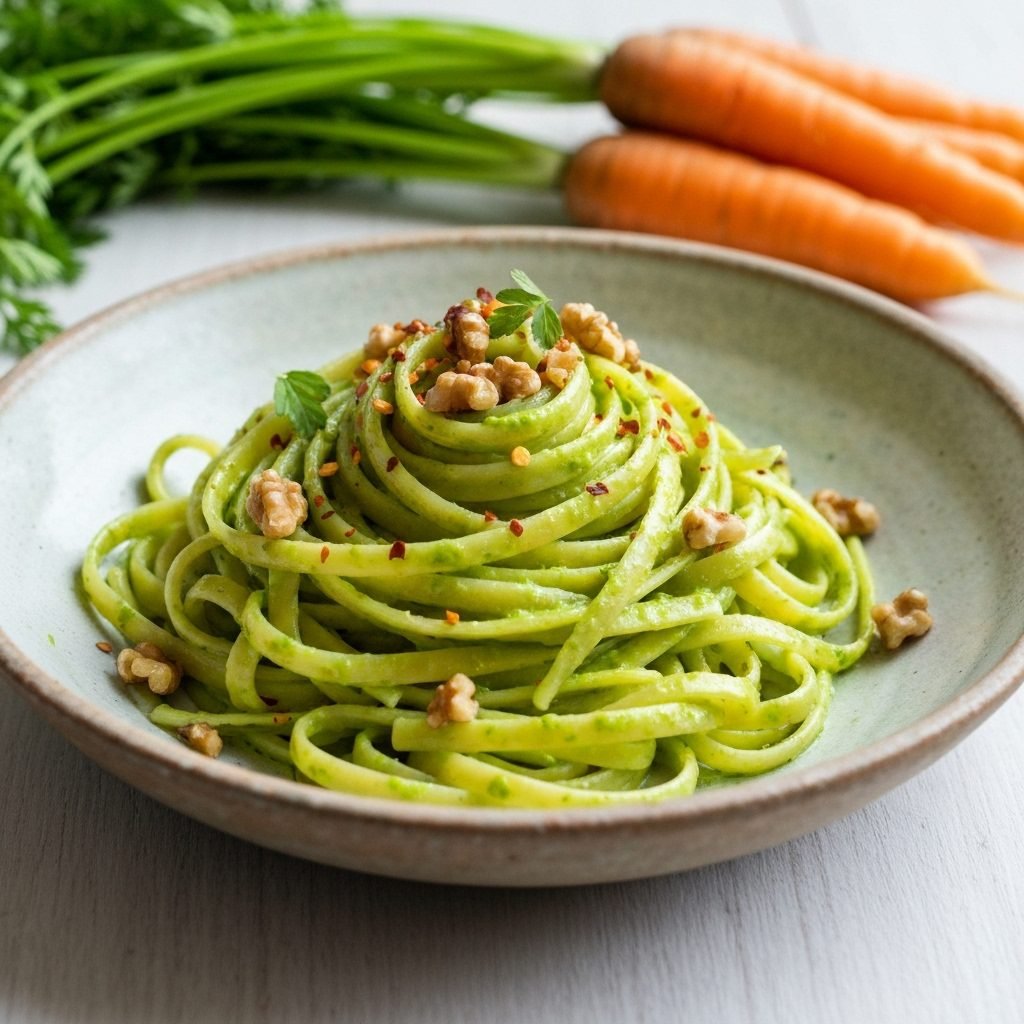
Green Sauce Pasta: Why Carrot Tops Are The New Basil
Green Sauce Pasta: Why Carrot Tops Are The New Basil
In the quest for a more sustainable and creative kitchen, we often overlook the treasures hidden in plain sight. For years, the lush, feathery green tops of carrots have been unceremoniously discarded, dismissed as mere scraps. But what if I told you that you’ve been throwing away the key to one of the most vibrant, flavorful, and nutrient-dense pasta sauces you’ve ever tasted? Welcome to the world of carrot top green sauce, a culinary revelation that champions a root-to-leaf philosophy. This recipe transforms humble carrot greens into a sophisticated, peppery, and utterly delicious sauce that rivals, and in some ways surpasses, traditional basil pesto. It’s a testament to the idea that a little ingenuity can reduce food waste, unlock new flavors, and revolutionize a weeknight staple. Prepare to be amazed by the power of this forgotten green; this Green Sauce Pasta is not just a meal, it’s a movement.
15 minutes
15 minutes
30 minutes
Serves 4
Main Course
Blended, Boiled
Modern European
Vegan
Why You’ll Love This Recipe
- Champion of Sustainability: Utilizes the entire carrot, significantly reducing kitchen food waste.
- Unique Flavor Profile: Offers a fresh, earthy, and slightly peppery taste that’s a delightful alternative to traditional pesto.
- Nutrient-Dense: Carrot tops are a powerhouse of Vitamin C, Vitamin K, potassium, and chlorophyll.
- Quick & Easy: From prep to plate in under 30 minutes, making it an ideal weeknight dinner.
- Dietary-Friendly: Naturally vegan, dairy-free, and can be easily adapted to be nut-free and gluten-free.
Equipment You’ll Need
- Large pot
- Colander
- High-speed blender or food processor
- Large skillet
- Chef’s knife
- Cutting board
- Measuring cups and spoons
- Zester or microplane
Ingredients
- 1 pound (450g) of your favorite long pasta (e.g., spaghetti, linguine, fettuccine)
- 2 packed cups of fresh carrot tops from one large bunch, thick stems removed
- 1/2 cup raw walnuts or sunflower seeds, plus more for garnish
- 3 cloves garlic, peeled
- 1/4 cup nutritional yeast
- 1 lemon, zest and juice
- 1/2 cup extra virgin olive oil, plus more for drizzling
- 1/2 teaspoon fine sea salt, plus more for pasta water
- 1/4 teaspoon black pepper
- 1/4 teaspoon red pepper flakes (optional, for heat)
Instructions
- Bring a large pot of water to a rolling boil. Generously salt the water until it tastes like the sea. This is crucial for seasoning the pasta from the inside out.
- While the water is heating, prepare your greens. Thoroughly wash the carrot tops in a large bowl of cold water, swishing them around to release any sand or grit. Lift the greens out of the water (don’t pour the water out, as the grit will just go back on them). Repeat if necessary. Pat them completely dry and give them a rough chop.
- In a dry skillet over medium heat, toast the walnuts or sunflower seeds for 3-5 minutes, tossing frequently, until they are fragrant and lightly golden. Remove from heat immediately to prevent burning and set aside.
- Add the pasta to the boiling water and cook according to package directions until al dente. Before draining, carefully reserve at least 1.5 cups of the starchy pasta water. Drain the pasta in a colander.
- While the pasta cooks, make the sauce. In the bowl of a food processor or high-speed blender, combine the washed carrot tops, toasted nuts, garlic cloves, nutritional yeast, lemon zest, and lemon juice. Add the salt, black pepper, and optional red pepper flakes.
- Pulse the mixture a few times to break everything down. Then, with the machine running on low, slowly stream in the 1/2 cup of extra virgin olive oil until the sauce is well-combined but still has some texture. Scrape down the sides as needed. Taste and adjust seasoning if necessary.
- Return the empty skillet you used for the nuts to the stove over medium heat. Add the cooked pasta and the carrot top sauce to the skillet. Pour in 1/2 cup of the reserved pasta water to start.
- Using tongs, toss the pasta, sauce, and water together continuously. The starch from the pasta water will emulsify with the oil in the sauce, creating a creamy coating that clings to every strand of pasta. Continue to add more pasta water, a splash at a time, until you reach your desired sauce consistency.
- Serve immediately in warm bowls. Garnish with extra toasted nuts, a sprinkle of red pepper flakes, and a final drizzle of high-quality extra virgin olive oil.
Expert Cooking Tips
- For a More Vibrant Green: To ensure a brilliantly green sauce, you can blanch the carrot tops. Drop them into the boiling pasta water for 30 seconds, then immediately remove them with a slotted spoon and plunge them into a bowl of ice water. Squeeze out all excess water before adding to the blender.
- Don’t Fear the Pasta Water: Reserved pasta water is liquid gold. It’s the key to a restaurant-quality sauce that’s creamy without any cream. Always save more than you think you need; you can always add more, but you can’t take it away.
- Taste as You Go: The flavor of carrot tops can vary. Taste your sauce before you add it to the pasta. Does it need more salt? More acidity from the lemon? More richness from the oil? Adjusting the sauce at this stage is key to a perfect final dish.
Substitutions and Variations
Don’t have everything on hand? No problem. For the carrot tops, you can supplement with fresh parsley or spinach. Walnuts can be swapped for almonds, pine nuts, or pecans; for a nut-free version, use toasted sunflower or pumpkin seeds. If you’re not vegan, feel free to substitute the nutritional yeast with an equal amount of grated Parmesan or Pecorino cheese. Any pasta shape will work, and a good quality gluten-free pasta is an excellent substitute for those with dietary restrictions.
Common Mistakes to Avoid
The most frequent error is not washing the carrot tops thoroughly, resulting in a gritty sauce. Submerge and swish them in water multiple times. Another common issue is creating a watery sauce by forgetting to use the starchy pasta water for emulsification; plain water won’t work the same way. Finally, be sure to salt your pasta water adequately. Bland pasta cannot be fully saved by even the most flavorful sauce.
Serving Suggestions
This dish is a standout on its own, but it can be elevated further. Serve it alongside roasted carrots (using the bottoms of the bunch!) to bring the meal full circle. A simple arugula salad with a sharp vinaigrette cuts through the richness beautifully. For added protein, top the pasta with pan-seared chickpeas, grilled chicken, or flaky white fish. A glass of crisp Sauvignon Blanc is the perfect wine pairing.
Storage and Reheating Tips
Leftover pasta can be stored in an airtight container in the refrigerator for up to 3 days. Reheat gently on the stovetop with a splash of water to loosen the sauce. The carrot top sauce can be made in advance and stored in a jar in the refrigerator for up to 5 days; press plastic wrap directly onto the surface of the sauce or pour a thin layer of olive oil on top to prevent oxidation and browning. It also freezes beautifully in ice cube trays for future use.
Nutrition Facts (Estimated)
| Serving Size | 1 serving (approx. 2 cups) |
| Calories | 580 kcal |
| Fat | 28g |
| Saturated Fat | 3.5g |
| Unsaturated Fat | 24.5g |
| Trans Fat | 0g |
| Cholesterol | 0mg |
| Sodium | 450mg |
| Carbohydrates | 65g |
| Fiber | 9g |
| Sugar | 6g |
| Protein | 18g |
Frequently Asked Questions
Are carrot tops safe to eat?
Yes, they are perfectly safe and highly nutritious. The misconception that they are poisonous is a myth. However, it’s best to use organic carrot tops to avoid pesticides, and always wash them thoroughly.
My carrot top sauce tastes slightly bitter. How can I fix it?
A slight bitterness is characteristic of carrot tops. To balance it, you can add a bit more lemon juice for acidity, a small pinch of sugar, or blend in a handful of mild greens like spinach. Blanching the tops before blending also significantly mellows their flavor.
Can I use a regular blender instead of a food processor?
Absolutely. A high-speed blender will create a smoother sauce, while a regular blender may require a bit more liquid (oil or water) to get things moving. Just be careful not to over-blend it into a thin puree; some texture is desirable.
Conclusion
Embracing root-to-leaf cooking with this Green Sauce Pasta is more than just making dinner; it’s a delicious act of mindfulness. It challenges us to see potential in what we typically discard and to find extraordinary flavor in the most unexpected places. This recipe is a vibrant, easy, and impactful way to reduce food waste, eat more nutritiously, and bring a touch of gourmet creativity to your home kitchen. So next time you buy a bunch of carrots, look at those verdant tops not as scraps, but as the star of your next unforgettable meal.