Fatteh: The Layered Chickpea And Yogurt Dish That Uses Stale Pita
Fatteh: The Layered Chickpea And Yogurt Dish That Uses Stale Pita
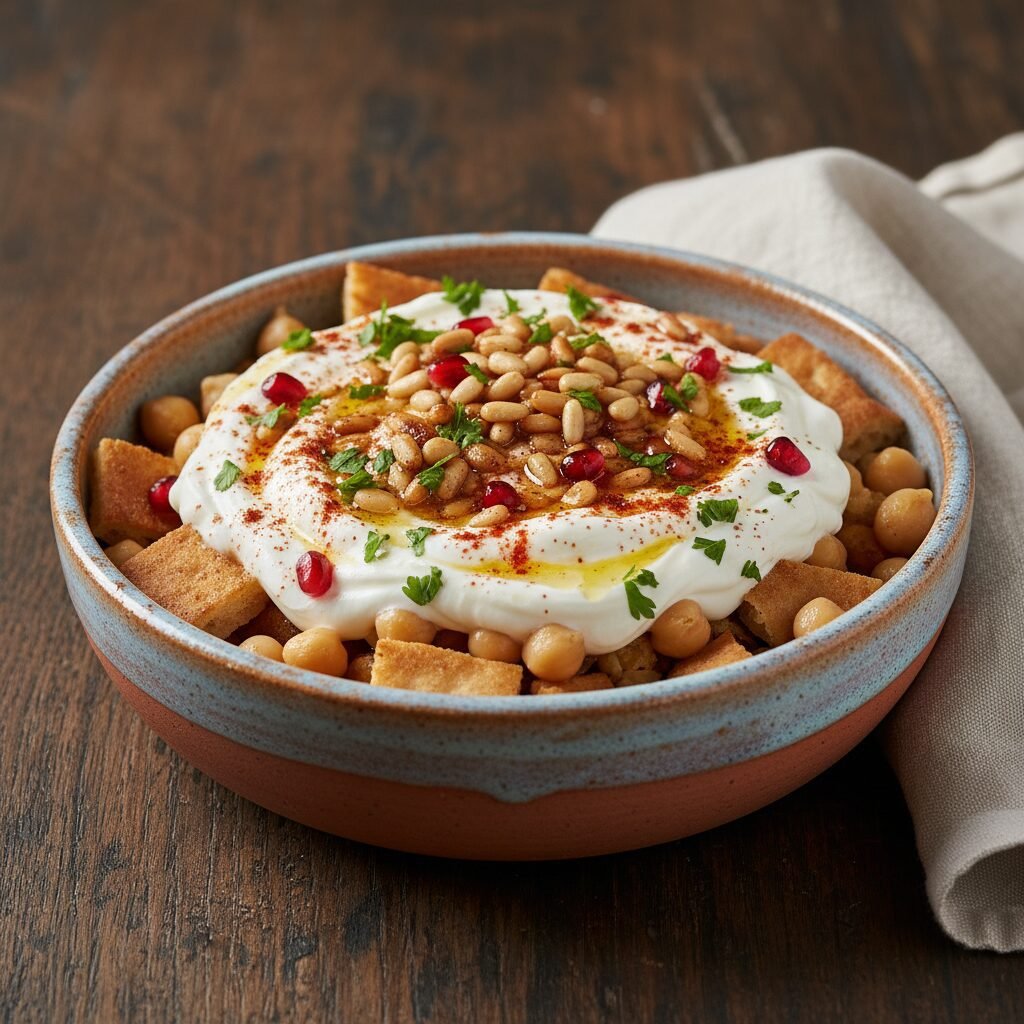
In the world of culinary resourcefulness, few dishes shine as brightly as Fatteh. Hailing from the Levantine region of the Middle East, this savory, layered masterpiece is a testament to the art of transforming simple, everyday ingredients—and even leftovers—into something truly spectacular. The name ‘Fatteh’ derives from the Arabic verb ‘fatta,’ meaning ‘to crumble’ or ‘to break into pieces,’ which perfectly describes its foundational layer: torn and toasted stale pita bread. Built upon this crunchy base is a warm layer of tender chickpeas, followed by a cool, luscious blanket of garlic-infused yogurt-tahini sauce. The dish is finished with a sizzling crown of pine nuts toasted in ghee or butter, creating a symphony of temperatures, textures, and flavors in every single bite. Fatteh is more than just a recipe; it’s a concept, a versatile platform that can be adapted for breakfast, lunch, or a light dinner, proving that the most humble ingredients can yield the most profound culinary experiences.
15 minutes
15 minutes
30 minutes
4-6 servings
Main Course/Breakfast
Layering/Assembling
Levantine
Vegetarian
Why You’ll Love This Recipe
- Transforms stale pita bread, reducing food waste.
- A perfect balance of textures: crispy, creamy, and tender.
- A delightful contrast of temperatures with warm chickpeas and cool yogurt.
- Incredibly versatile and customizable with various toppings.
- A hearty and satisfying vegetarian meal, rich in protein and fiber.
- Comes together in under 30 minutes for a quick and impressive dish.
Equipment You’ll Need
- Large shallow serving bowl or platter
- Baking sheet
- Medium saucepan
- Small skillet
- Medium mixing bowl
- Whisk
- Measuring cups and spoons
Ingredients
- 2-3 large rounds of stale pita bread (about 8 oz or 225g), torn into 1-inch pieces
- 2 tablespoons olive oil
- 1/2 teaspoon salt
- 1/4 teaspoon black pepper
- 2 (15-ounce) cans chickpeas, rinsed and drained
- 1/2 cup water or chickpea liquid (aquafaba)
- 1 teaspoon ground cumin
- 2 1/2 cups full-fat plain yogurt
- 1/2 cup tahini
- 2-3 cloves garlic, minced
- 1/4 cup fresh lemon juice
- Salt to taste for the yogurt sauce
- 1/4 cup ghee or unsalted butter
- 1/3 cup pine nuts
- For Garnish: 1/2 teaspoon paprika or sumac, 1/4 cup chopped fresh parsley or mint, Pomegranate seeds (optional)
Instructions
- Step 1: Prepare the Pita Chips. Preheat your oven to 400°F (200°C). On a baking sheet, toss the torn pita pieces with olive oil, 1/2 teaspoon of salt, and black pepper. Spread them in a single layer and bake for 10-15 minutes, or until golden brown and very crispy, flipping halfway through. Alternatively, you can fry them in oil until golden.
- Step 2: Warm the Chickpeas. While the pita is toasting, place the rinsed chickpeas, water (or aquafaba), and cumin in a medium saucepan. Bring to a simmer over medium heat and cook for 5-7 minutes, gently mashing about a quarter of the chickpeas with the back of a spoon to create a slightly creamy consistency. Keep warm.
- Step 3: Make the Yogurt-Tahini Sauce. In a medium bowl, whisk together the plain yogurt, tahini, minced garlic, and fresh lemon juice until smooth and creamy. Season with salt to your taste. If the sauce is too thick, you can thin it with a tablespoon or two of water until it reaches a pourable, but still thick, consistency.
- Step 4: Prepare the Topping. In a small skillet, melt the ghee or butter over medium heat. Add the pine nuts and cook, stirring constantly, for 2-3 minutes until they are fragrant and golden brown. Be vigilant as they can burn quickly. Remove from heat immediately.
- Step 5: Assemble the Fatteh. This step should be done just before serving to maintain the crunch of the pita. Spread the toasted pita chips in a single layer on the bottom of your large, shallow serving dish.
- Step 6: Layer and Garnish. Spoon the warm chickpea mixture evenly over the pita chips. Pour the cool yogurt-tahini sauce over the chickpeas, spreading it to cover them completely. Drizzle the hot, sizzling ghee and toasted pine nuts over the top of the yogurt. Garnish immediately with a sprinkle of paprika or sumac, fresh parsley, and pomegranate seeds, if using. Serve at once.
Expert Cooking Tips
- Use full-fat yogurt for the richest flavor and creamiest texture. Greek yogurt can be used, but you may need to thin it with a little more water or lemon juice.
- The key to great Fatteh is the textural contrast. Ensure your pita is toasted until it’s completely dry and crispy to prevent it from becoming instantly soggy.
- Taste and adjust the seasonings in each component. The chickpeas should be well-spiced, and the yogurt sauce should have a bright, tangy flavor from the lemon and a pungent kick from the garlic.
- Serve immediately. The magic of Fatteh lies in the contrast of the hot and cold elements and the crunch of the pita. It does not sit well and is best enjoyed fresh.
Substitutions and Variations
For a vegan version, use a plant-based plain yogurt (like almond or soy) and substitute olive oil for the ghee. If you don’t have pine nuts, slivered almonds or even toasted sunflower seeds can provide a nice crunch. For a different flavor profile, you can make Fattet Makdous by layering it with eggplant instead of chickpeas.
Common Mistakes to Avoid
The most common mistake is assembling the dish too far in advance, which leads to soggy, unpleasant pita bread. Another pitfall is not seasoning each layer adequately; the final dish will taste flat if the individual components aren’t flavorful on their own. Finally, be careful not to burn the pine nuts; they go from golden to burnt in a matter of seconds.
Serving Suggestions
Fatteh is a complete and satisfying meal on its own, perfect for a weekend brunch, lunch, or a light supper. It can also be served as part of a larger Middle Eastern mezze spread, alongside dishes like Tabbouleh, hummus, and baba ghanoush. A simple cucumber and tomato salad on the side provides a fresh, crisp counterpoint.
Storage and Reheating Tips
Fatteh is best consumed immediately and does not store well once assembled. If you have leftovers, it is best to store the components separately in airtight containers in the refrigerator. The pita chips can be stored at room temperature. The chickpeas and yogurt sauce can be refrigerated for up to 3 days. Reheat the chickpeas and re-crisp the pita in the oven before assembling again.
Nutrition Facts (Estimated)
| Serving Size | 1 serving (approx. 1/4 of recipe) |
| Calories | 510 kcal |
| Fat | 28g |
| Saturated Fat | 9g |
| Unsaturated Fat | 19g |
| Trans Fat | 0g |
| Cholesterol | 30mg |
| Sodium | 650mg |
| Carbohydrates | 45g |
| Fiber | 11g |
| Sugar | 8g |
| Protein | 20g |
Frequently Asked Questions
What does ‘Fatteh’ mean?
Fatteh comes from the Arabic root word ‘fatta,’ which means ‘to crumble’ or ‘to break.’ This refers to the base of the dish, which is made from crumbled or torn pieces of stale bread.
Can I use fresh pita bread?
Absolutely. If you only have fresh pita, you will need to toast it thoroughly until it is completely dry and crispy. You can do this in the oven, a toaster, or by pan-frying. The goal is to remove all moisture so it provides a sturdy, crunchy base.
Is Fatteh served hot or cold?
It’s served with a delightful combination of temperatures. The pita and chickpeas are warm, while the yogurt sauce is cool or at room temperature. The final drizzle of hot ghee creates a wonderful sensory experience. It should be eaten immediately to enjoy this contrast.
Conclusion
Fatteh is more than a recipe; it’s a celebration of texture, temperature, and ingenuity. It’s a dish that honors its humble roots while delivering a truly luxurious experience. Whether you’re looking for a way to use up leftover bread, a quick and satisfying vegetarian meal, or a stunning dish to impress guests at brunch, Fatteh is the answer. We encourage you to embrace the layers, savor the contrasts, and make this timeless Levantine classic a new staple in your kitchen.