Fancy French Pate for $2: The Superfood Spread No One Talks About
Fancy French Pate For $2: The Superfood Spread No One Talks About
Get ready to transform humble ingredients into a luxurious, budget-friendly spread that will impress everyone! This homemade French pate is surprisingly easy to make and packed with incredible nutrients, making it the ultimate secret weapon for busy moms. Say goodbye to expensive deli versions and hello to your new favorite superfood indulgence!
15 minutes
10 minutes
25 minutes (plus chilling time)
Approximately 1.5 cups
Appetizer
Sautéing, Blending
French
High Protein, Nutrient-Dense
Oh, sweet friends, do I have a secret to share with you today! As a busy mom, I’m always on the hunt for those magical recipes that feel fancy, taste amazing, and don’t break the bank or take up my entire afternoon. And let me tell you, this “Fancy French Pate for $2” recipe is exactly that kind of gem! When I first discovered the joy of making homemade pate, I was a little intimidated. It sounded so… French! So gourmet! But what I quickly learned is that this incredible spread, often associated with high-end bistros, is actually incredibly simple to whip up right in your own kitchen. And the best part? It’s made from ingredients that are not only super affordable but also packed with a nutritional punch that makes it a true superfood.
We’re talking about liver, my dears! Now, before you wrinkle your nose, hear me out. Liver is one of nature’s most potent superfoods, brimming with iron, B vitamins, and so much more. But let’s be honest, getting our families to eat liver can be a challenge. That’s where this pate comes in! It transforms those humble ingredients into a smooth, rich, and utterly delicious spread that even the pickiest eaters might just fall in love with (especially when they don’t know what’s in it!). Imagine spreading this velvety goodness on a crisp cracker, a slice of baguette, or even sneaking it into a sandwich for a nutrient boost. It’s perfect for entertaining, a sophisticated snack, or a quick, healthy lunch. So, grab your apron, because we’re about to embark on a culinary adventure that’s both elegant and incredibly practical!
History & Origins
The story of pate is as rich and fascinating as the spread itself! While we often associate pate with French cuisine, its roots actually stretch back much further, with various forms of ground meat preparations being enjoyed across cultures for centuries. The ancient Romans had their own versions, and medieval European cooks were certainly no strangers to finely chopped and seasoned meats. However, it was truly in France, particularly during the Middle Ages and Renaissance, that pate began to evolve into the sophisticated delicacy we recognize today. Originally, pates were often baked in pastry crusts (think “pate en croute”), which helped preserve them before refrigeration was a thing. These were often elaborate affairs, served at banquets and feasts for royalty and nobility.
Over time, the term “pate” broadened to include preparations without the crust, often cooked in terrines and served cold. Liver pate, in particular, gained immense popularity due to its rich flavor and smooth texture. French chefs, with their unparalleled culinary artistry, refined the techniques, adding aromatic vegetables, herbs, and spirits like brandy or port to elevate the flavors. What started as a practical way to utilize all parts of an animal and preserve meat, blossomed into an iconic dish that embodies French culinary elegance. And now, my friends, we’re bringing that centuries-old tradition right into our modern kitchens, proving that you don’t need a Michelin star to enjoy a taste of history!
Why This Recipe Works
This recipe works its magic on several levels, transforming simple ingredients into a gourmet delight. First, the key is the gentle cooking of the liver. We’re not searing it into submission; instead, we’re lightly sautéing it with onions and garlic until it’s just cooked through. This prevents it from becoming tough or developing a strong, metallic flavor that can be off-putting. The onions and garlic aren’t just for flavor; they also contribute aromatic compounds that mellow out the liver’s intensity and add a foundational sweetness.
Next, the addition of butter and cream (or milk) is crucial. Butter provides richness and a silky mouthfeel, while the cream adds a luscious, velvety texture and helps emulsify the mixture. When blended together, these fats encapsulate the liver particles, creating that signature smooth, spreadable consistency. The splash of brandy or cognac (don’t worry, the alcohol cooks off!) isn’t just for show; it adds a layer of complex, slightly sweet, and aromatic depth that truly elevates the pate to that “fancy French” level. It brightens the flavors and provides a subtle warmth. Finally, the chilling process allows all these beautiful flavors to meld and deepen, and the fats to firm up, resulting in a perfectly spreadable, irresistible pate. It’s a symphony of simple steps that create something truly extraordinary!
Why You’ll Love This Recipe
- ✓Budget-friendly gourmet spread
- ✓Packed with essential nutrients
- ✓Surprisingly easy to make at home
- ✓Luxuriously smooth and rich texture
- ✓Perfect for entertaining or everyday snacking
- ✓A delicious way to enjoy superfood liver
Equipment You’ll Need
- ✓Large skillet
- ✓Food processor or high-speed blender
- ✓Rubber spatula
- ✓Small serving ramekins or a terrine dish
- ✓Measuring cups and spoons
Ingredients
- ✓1 tablespoon olive oil
- ✓1 tablespoon unsalted butter, plus 4 tablespoons (1/2 stick) cold butter, cut into cubes
- ✓1 medium yellow onion, finely chopped
- ✓2 cloves garlic, minced
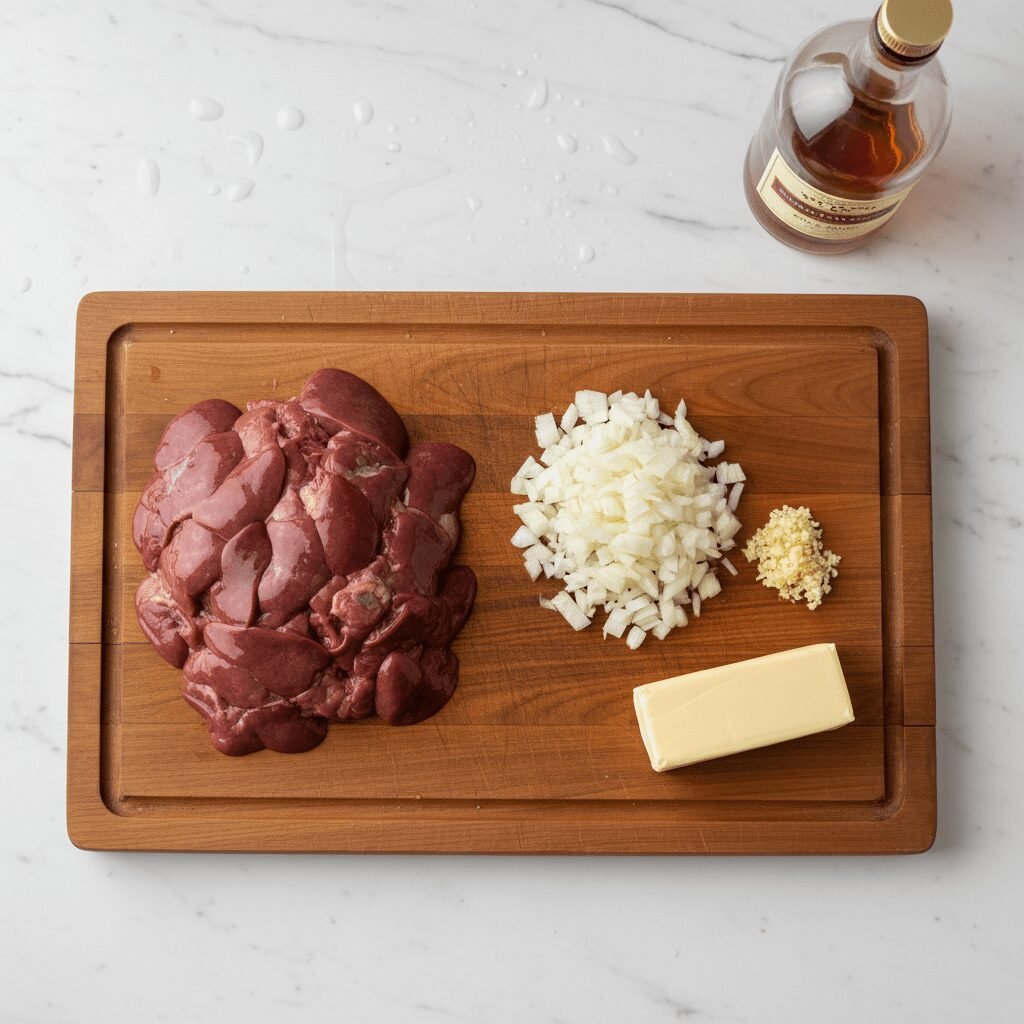
- ✓1 pound chicken livers, trimmed of any green or fibrous bits, rinsed and patted dry
- ✓1/4 cup brandy or cognac (optional, but highly recommended!)
- ✓1/2 teaspoon dried thyme
- ✓1/4 teaspoon allspice
- ✓1/2 teaspoon salt, or to taste
- ✓1/4 teaspoon black pepper, freshly ground, or to taste
- ✓1/4 cup heavy cream or whole milk
- ✓Optional garnish: fresh parsley, chives, or a sprinkle of paprika
Instructions
-
- Prepare Your Ingredients: First things first, let’s get everything ready! Finely chop your onion and mince your garlic. Make sure your chicken livers are well-trimmed – remove any greenish spots or tough membranes. Rinse them under cold water and pat them thoroughly dry with paper towels. This step is key for good texture and flavor!
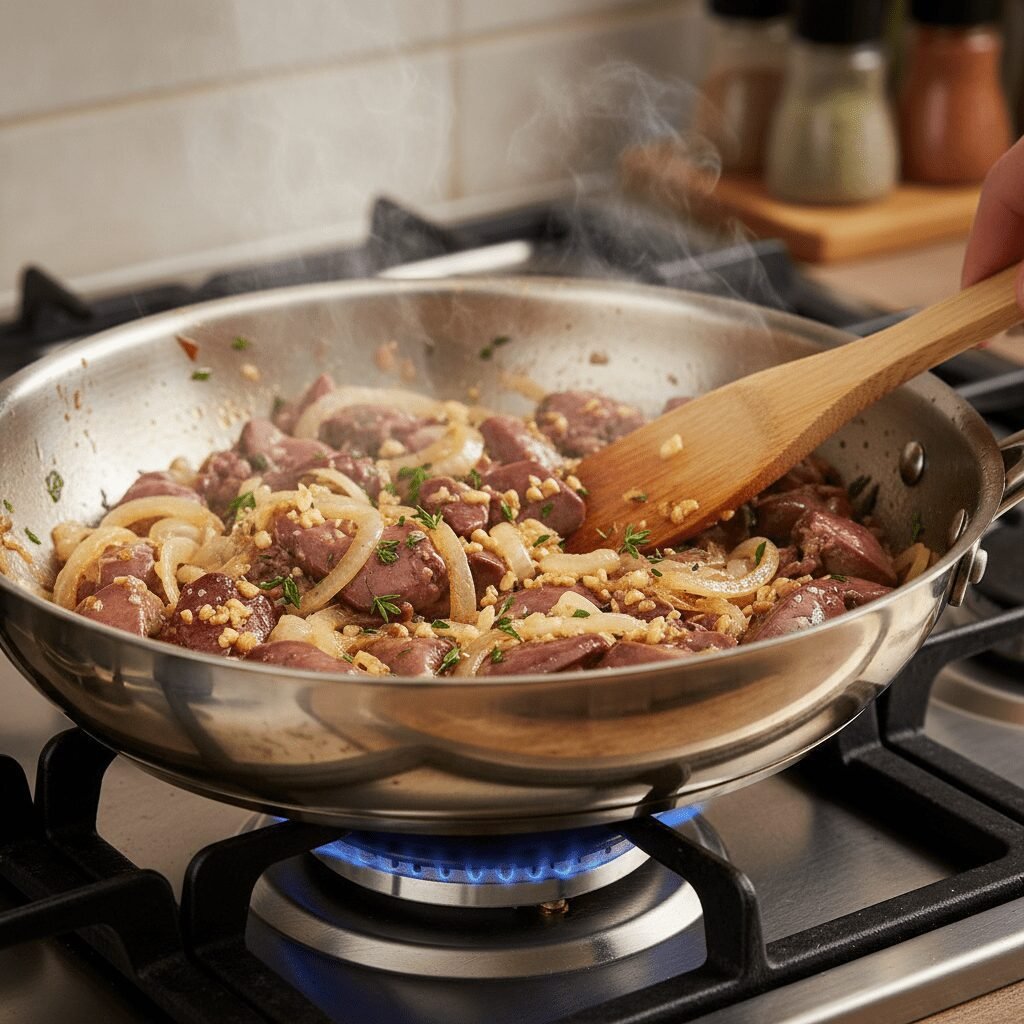
- Sauté Aromatics: In a large skillet, melt 1 tablespoon of olive oil and 1 tablespoon of butter over medium heat. Add the chopped onion and cook, stirring occasionally, until softened and translucent, about 5-7 minutes. Don’t let them brown too much! Add the minced garlic and cook for another minute until fragrant.
- Cook the Livers: Increase the heat slightly to medium-high. Add the trimmed chicken livers to the skillet. Cook for about 3-5 minutes, stirring frequently, until the livers are just browned on the outside but still slightly pink in the center. Be careful not to overcook them, as this can make the pate grainy or bitter.
- Deglaze (Optional but Recommended!): Carefully pour in the 1/4 cup of brandy (if using). Stand back a bit as it might flare up slightly! Let it simmer for 1-2 minutes, scraping up any browned bits from the bottom of the pan, until most of the alcohol has cooked off and the liquid has reduced slightly. If you’re skipping the brandy, just proceed to the next step.
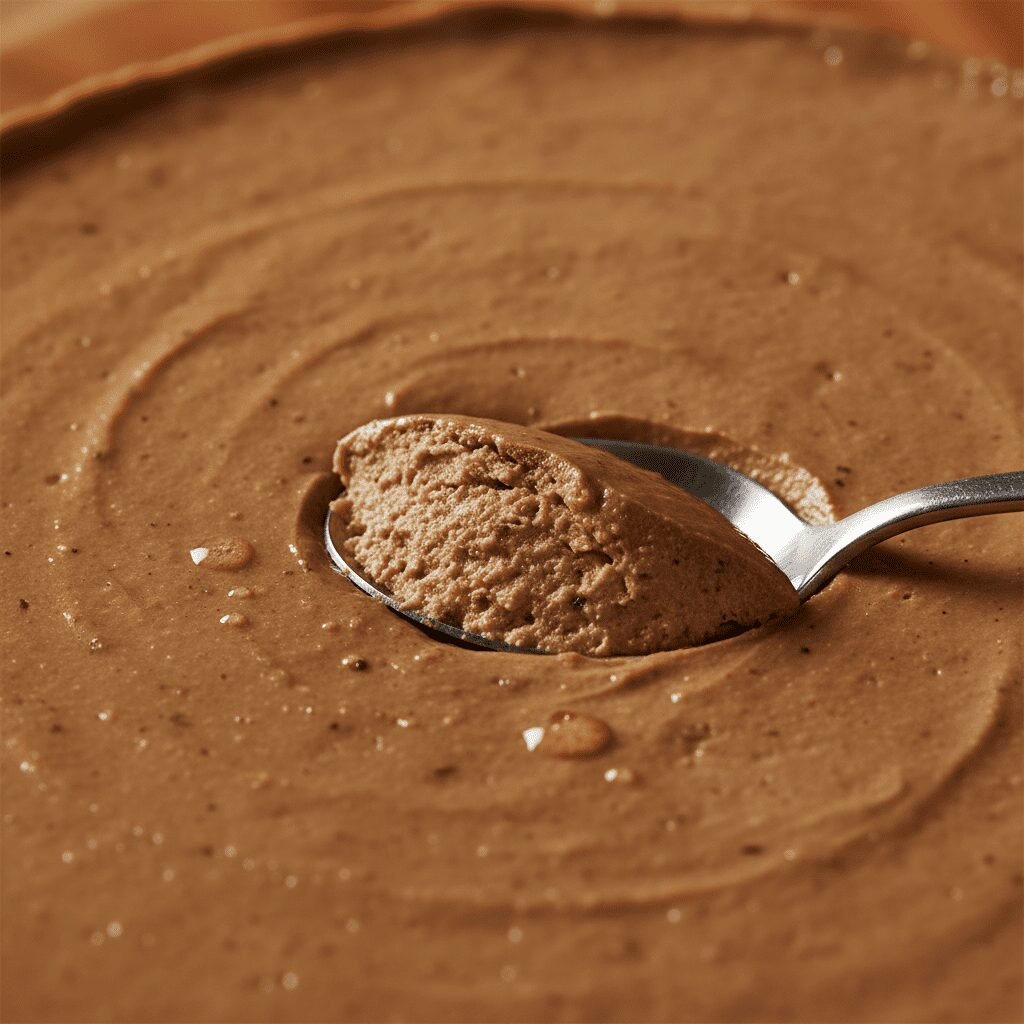
- Season and Blend: Remove the skillet from the heat. Add the cooked livers and aromatics to your food processor or high-speed blender. Add the dried thyme, allspice, salt, and black pepper. Process until the mixture is completely smooth. This might take a few minutes, scraping down the sides as needed.
- Add Cold Butter and Cream: With the food processor running, gradually add the cold, cubed 4 tablespoons of butter, one cube at a time, allowing each to incorporate fully before adding the next. Then, pour in the heavy cream or milk and process until the pate is incredibly smooth and creamy. Taste and adjust seasonings if needed.
- Chill and Serve: Transfer the pate to small ramekins, a decorative terrine dish, or even a small airtight container. Smooth the top with a spatula. For an extra touch, you can melt a tablespoon of butter and pour a thin layer over the top to seal it (this also looks lovely!). Cover tightly with plastic wrap, pressing it directly onto the surface of the pate to prevent a skin from forming. Refrigerate for at least 4 hours, or preferably overnight, to allow the flavors to meld and the pate to firm up.
- Enjoy! When ready to serve, let the pate sit at room temperature for about 15-20 minutes to soften slightly for easier spreading. Garnish with fresh herbs or paprika if desired. Serve with crusty bread, crackers, or fresh vegetables. Enjoy your fancy, budget-friendly superfood spread!
Expert Cooking Tips
- ✓Trim Livers Carefully: This is the most important step for a smooth, non-bitter pate. Remove all green spots, connective tissue, and any tough bits.
- ✓Don’t Overcook: Chicken livers cook very quickly. Overcooking will result in a dry, grainy, and potentially bitter pate. They should still be slightly pink in the very center when you remove them from the heat.
- ✓Use Cold Butter: Adding cold butter at the end helps create a beautifully emulsified, smooth, and stable pate.
- ✓Blend Until Silky: Be patient with the blending process. You want the pate to be absolutely silky smooth, with no discernible chunks. Scrape down the sides of your food processor frequently.
- ✓Taste and Adjust: Always taste your pate before chilling and adjust salt, pepper, or other seasonings. Flavors will mellow slightly as it chills.
- ✓The Butter Seal: Pouring a thin layer of melted butter over the top before chilling not only looks elegant but also helps preserve the pate and prevents oxidation, keeping it fresh longer.
Substitutions and Variations
While this recipe is fantastic as is, you can certainly play around with it! If you don’t have brandy, you can use sherry, port, or even a dry white wine for deglazing. For a non-alcoholic version, use chicken broth instead of alcohol. If you prefer a richer flavor, you can use duck or goose liver, though they will be more expensive. For the fat, while butter is traditional, you could experiment with a mix of butter and duck fat for an even more luxurious taste. Feel free to swap out thyme for other herbs like sage or rosemary, or add a pinch of nutmeg for a different aromatic profile. For a dairy-free option, use a plant-based butter alternative and a rich plant-based milk or cream, though the texture might vary slightly.
Common Mistakes to Avoid
The most common pitfalls when making pate include overcooking the livers, which leads to a dry, grainy, and sometimes bitter texture. Another mistake is not trimming the livers properly, leaving behind fibrous bits or bile ducts that can impart an unpleasant taste. Not blending long enough is also common, resulting in a chunky rather than smooth pate. Finally, not chilling the pate sufficiently means it won’t firm up to that perfect spreadable consistency, and the flavors won’t have had a chance to fully meld and deepen. Patience in blending and chilling is truly a virtue here!
Serving Suggestions
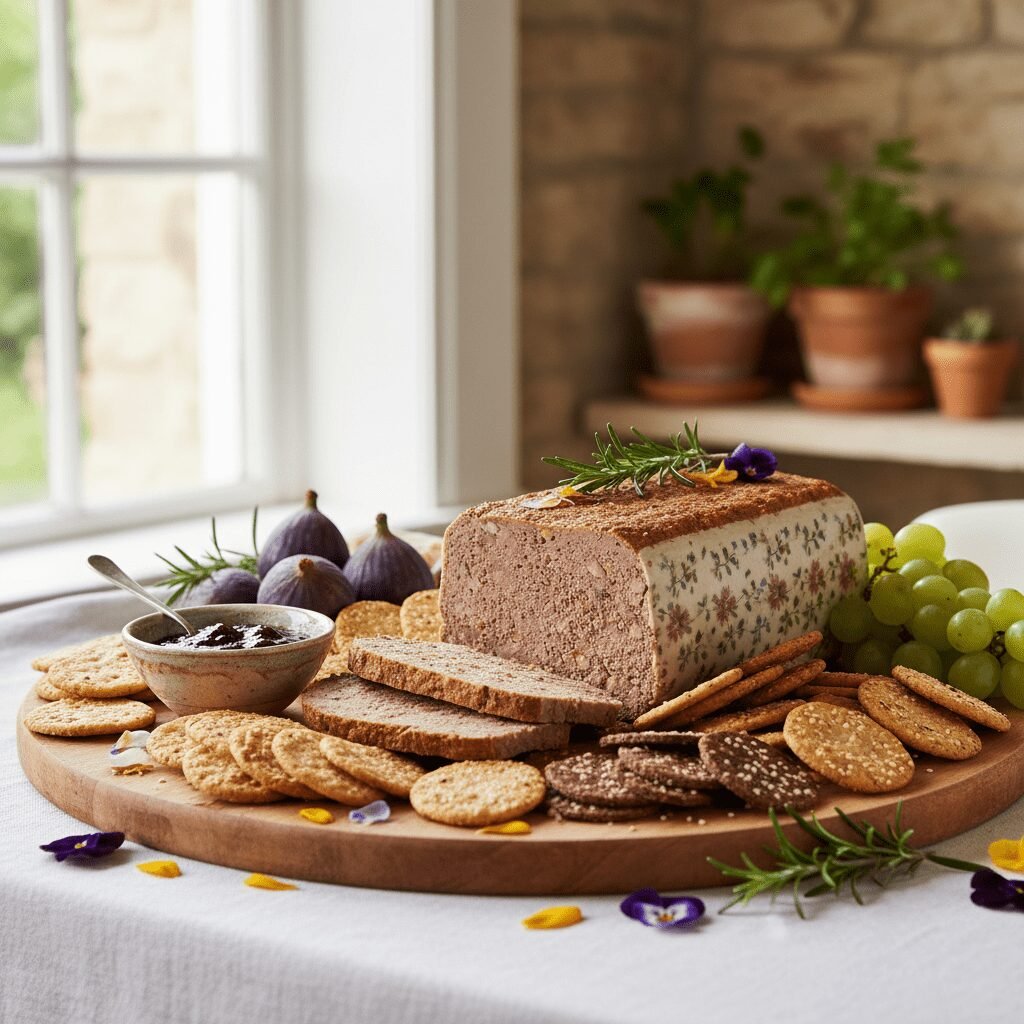
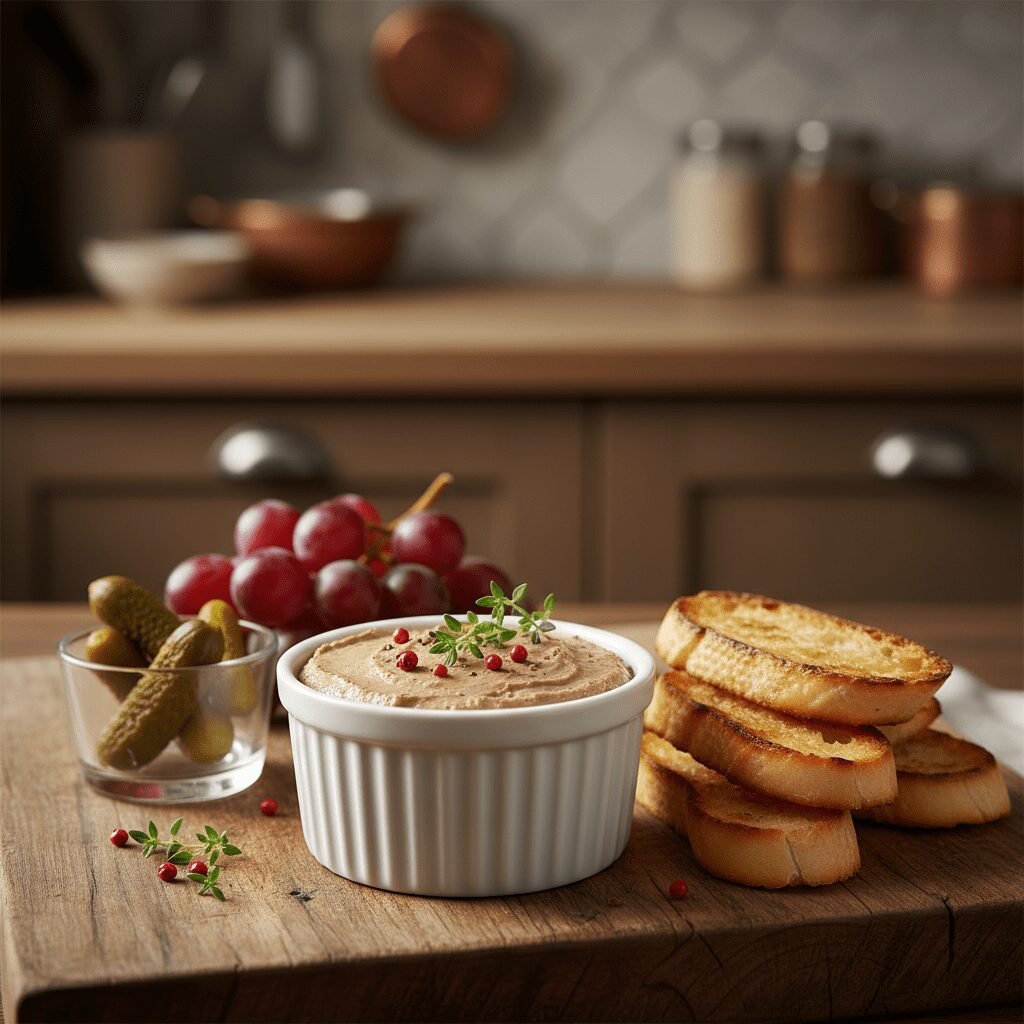
Oh, the possibilities are endless for enjoying this delightful pate! My absolute favorite way is spread generously on a warm, crusty baguette slice or a crisp cracker. It’s also divine with toasted brioche or a rustic sourdough. For a beautiful appetizer platter, serve it alongside cornichons (small pickled cucumbers), pickled onions, a dollop of fig jam or cranberry relish, and some fresh grapes or apple slices. The sweetness and acidity of these accompaniments perfectly cut through the richness of the pate. You can also use it as a sophisticated sandwich spread, or even dollop a small amount onto a baked potato for an unexpected treat. Don’t forget a sprinkle of fresh parsley or chives for a pop of color!
Storage and Reheating Tips
Once prepared, your homemade pate can be stored in an airtight container in the refrigerator for up to 5-7 days. If you’ve added the melted butter seal on top, it will help keep it fresh even longer. For longer storage, pate freezes beautifully! Transfer it to freezer-safe containers, leaving a little headspace, and it can be frozen for up to 2-3 months. Thaw overnight in the refrigerator before serving. Always ensure it’s well-covered to prevent it from drying out or absorbing other fridge odors.
Nutrition Facts (Estimated)
| Serving Size | 2 tablespoons |
| Calories | 120 |
| Fat | 10g |
| Saturated Fat | 5g |
| Unsaturated Fat | 4g |
| Trans Fat | 0g |
| Cholesterol | 150mg |
| Sodium | 180mg |
| Carbohydrates | 2g |
| Fiber | 0g |
| Sugar | 1g |
| Protein | 6g |
Frequently Asked Questions
Can I use beef liver instead of chicken liver?
While you technically can, chicken liver is generally preferred for pate due to its milder flavor and more tender texture, which results in a smoother, less intense spread. Beef liver can be quite strong and might require additional seasoning to balance its robust flavor.
Is the brandy necessary?
The brandy adds a wonderful depth of flavor and a classic French touch, but it’s not strictly necessary. You can substitute it with sherry, port, or even chicken broth for a non-alcoholic version. The alcohol cooks off during the deglazing process.
Why is my pate grainy?
Grainy pate is usually a sign of overcooked livers or insufficient blending. Make sure to cook the livers just until they are no longer raw in the center, and blend the mixture until it’s absolutely silky smooth, scraping down the sides of your food processor as needed.
Can I make this ahead of time for a party?
Absolutely! Pate is an excellent make-ahead appetizer. In fact, it tastes even better the next day after the flavors have had a chance to meld and deepen in the refrigerator. Just be sure to cover it tightly.
What does “trimming the livers” mean?
Trimming means carefully removing any tough membranes, connective tissue, and especially any greenish spots (which are bile ducts and can taste bitter) from the chicken livers. This ensures a smooth texture and pure flavor.
How long does homemade pate last?
When stored properly in an airtight container in the refrigerator, homemade pate will last for 5-7 days. If you add a melted butter seal on top, it can extend its freshness slightly.
Is liver really a superfood?
Yes, absolutely! Liver, especially chicken liver, is incredibly nutrient-dense. It’s an excellent source of iron, Vitamin A, B vitamins (especially B12 and folate), and protein. It’s one of nature’s most concentrated sources of these essential nutrients.
Can I add other seasonings or herbs?
Of course! Feel free to experiment. A pinch of nutmeg, a dash of cayenne pepper for a little kick, or fresh herbs like rosemary or sage can all be wonderful additions. Just start with small amounts and taste as you go!
Conclusion
And there you have it, my lovely friends! A truly fancy, incredibly delicious, and surprisingly affordable French pate that you can make right in your own kitchen. This recipe isn’t just about creating a gourmet spread; it’s about empowering you to transform simple, humble ingredients into something extraordinary, nourishing your family with a forgotten superfood, and adding a touch of elegance to your everyday life. Whether you’re hosting a gathering, looking for a sophisticated snack, or simply want to treat yourself to something special, this chicken liver pate is sure to become a cherished recipe in your repertoire. So go ahead, give it a try, and prepare to be amazed by how easy and rewarding it is to make your own “Fancy French Pate for $2.” Happy cooking, and bon appétit!