Easy Vegetable Lo Mein Using Frozen Veggies
Easy Vegetable Lo Mein Using Frozen Veggies
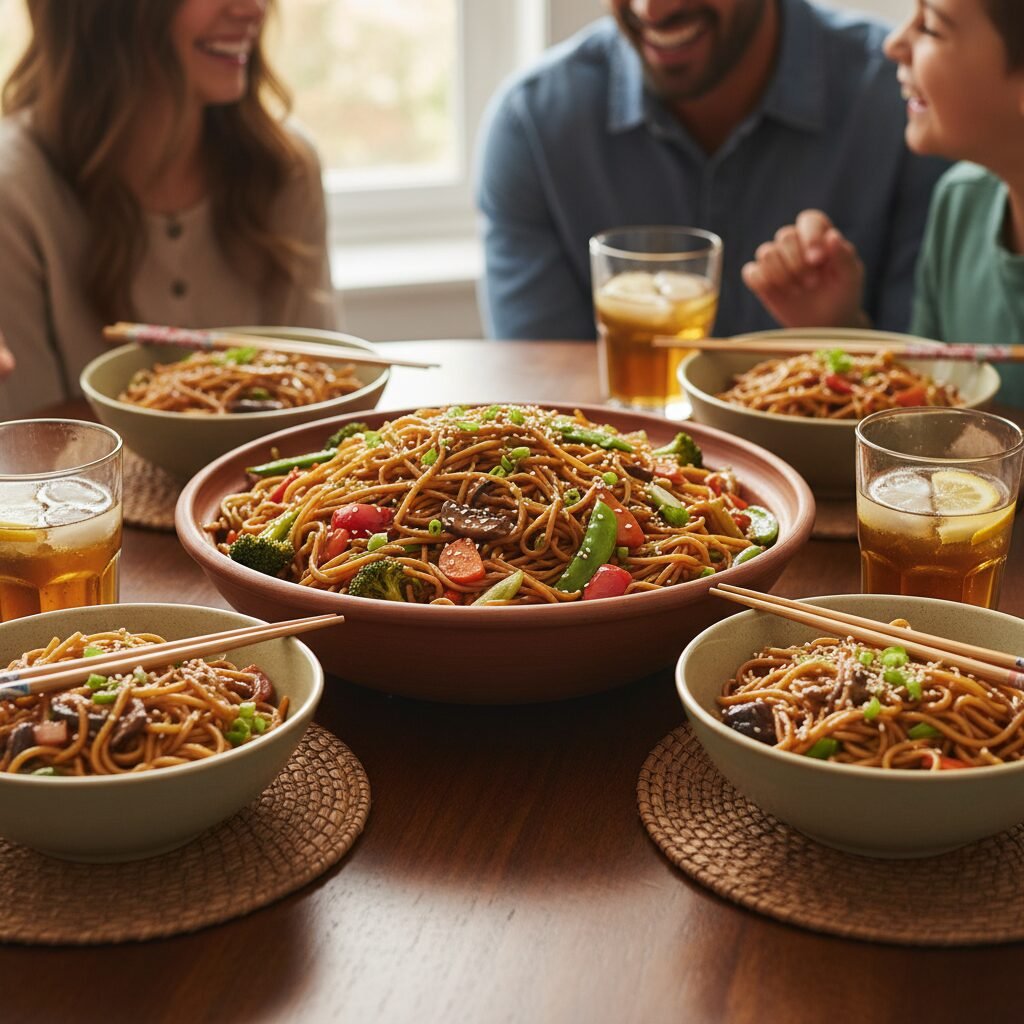
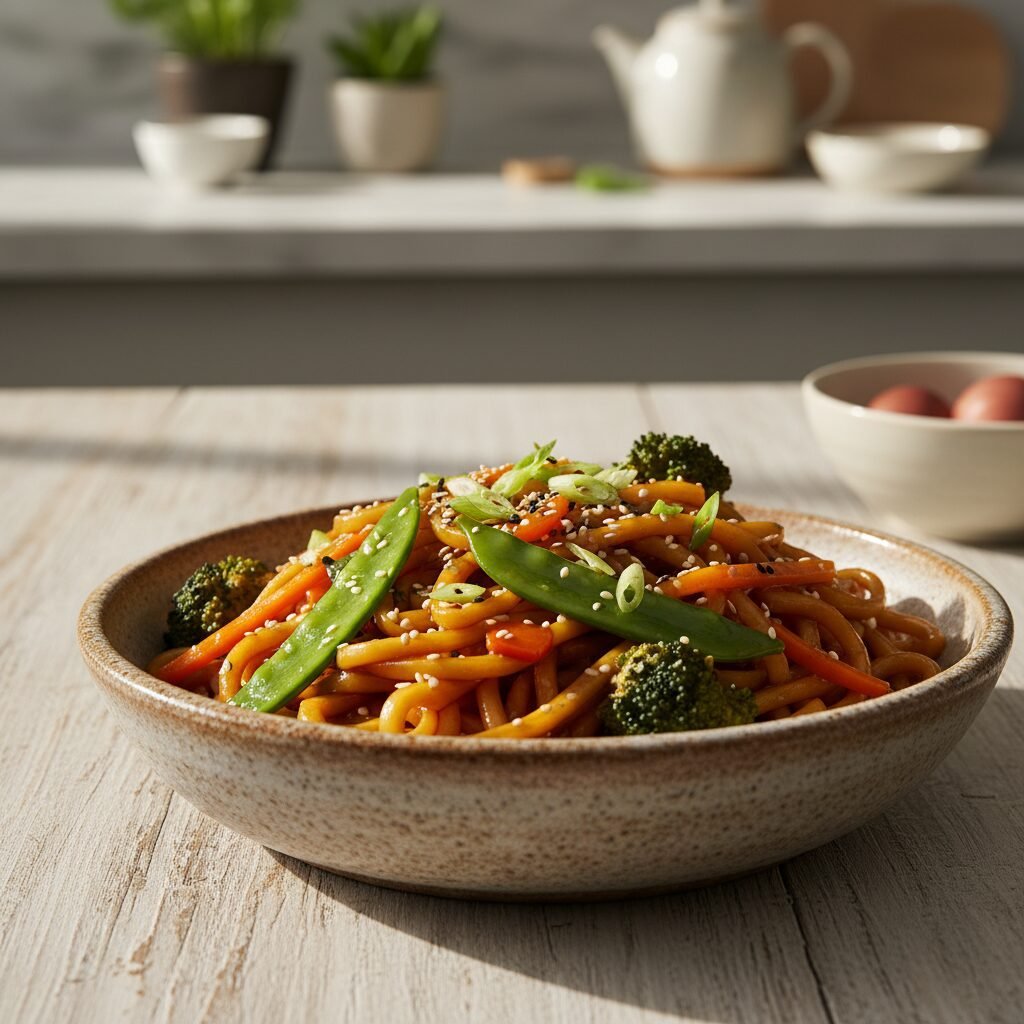
Whip up a delicious and healthy weeknight meal in a flash with this super easy vegetable lo mein recipe! Using frozen veggies makes prep a breeze, so you can spend less time cooking and more time with your loved ones. It’s a family-favorite that’s sure to become a staple in your kitchen!
10 minutes
15 minutes
25 minutes
4 servings
Main Course
Stir-fry
Asian-Inspired
Vegetarian (easily vegan)
Oh, sweet friends, let’s talk about those busy weeknights, shall we? You know the drill: school pick-ups, homework battles, after-school activities, and then that inevitable question… “What’s for dinner?” My heart goes out to every mama juggling it all, trying to get a wholesome, yummy meal on the table without losing her mind. That’s where this incredible Easy Vegetable Lo Mein Using Frozen Veggies recipe swoops in like a superhero in a cape!
I’m absolutely thrilled to share this recipe with you because it’s been a lifesaver in my own home. It’s vibrant, packed with flavor, and best of all, incredibly quick to make. We’re talking about a meal that comes together faster than you can order takeout, and it’s so much healthier too! The secret? Our trusty freezer aisle. Yes, you heard that right! Frozen vegetables are our best friends here, saving us precious chopping time without sacrificing an ounce of nutrition or taste.
Imagine tender noodles coated in a savory, slightly sweet sauce, brimming with colorful, crisp-tender veggies. It’s a dish that appeals to everyone, even the pickiest eaters (trust me, my little ones devour this!). It’s customizable, budget-friendly, and perfect for those evenings when you need a little culinary magic without all the fuss. So, let’s tie on our aprons, put on some happy music, and get ready to create some delicious memories in the kitchen!
History & Origins
Lo Mein, which literally translates to “tossed noodles,” is a beloved staple in Cantonese cuisine, originating from China. While many of us associate it with our favorite Chinese takeout, its roots go back centuries, evolving from simple noodle dishes into the flavorful, stir-fried sensation we know today. Traditionally, Lo Mein involves boiling fresh egg noodles and then tossing them with a rich sauce, meats, and a variety of fresh vegetables.
Over time, as Chinese cuisine spread globally, Lo Mein adapted to local ingredients and preferences. In Western kitchens, it became a popular choice for its comforting texture and versatile flavor profile. Our modern take, using frozen vegetables, is a testament to this adaptability. It honors the spirit of a quick, satisfying noodle dish while embracing the convenience that contemporary home cooks, especially busy moms, crave. It’s a beautiful blend of tradition and practicality, bringing the essence of a classic dish right to your family table with minimal effort.
Why This Recipe Works
This Easy Vegetable Lo Mein works wonders for several brilliant reasons, making it a perfect fit for your busy lifestyle. First and foremost, the use of frozen vegetables is a game-changer. They are pre-washed, pre-chopped, and often flash-frozen at their peak freshness, locking in nutrients and flavor. This means zero chopping time for you, and a significant reduction in prep work – a true blessing on hectic evenings!
Secondly, the sauce is incredibly simple yet packed with umami. It’s a balanced blend of soy sauce, sesame oil, a touch of sweetness, and a hint of ginger and garlic. These ingredients are pantry staples for most, making it easy to whip up without a special grocery run. The cornstarch in the sauce is key; it creates a beautiful, glossy coating on the noodles and vegetables, ensuring every bite is flavorful and satisfying.
Finally, the method itself is a quick stir-fry. High heat and fast cooking preserve the texture of the vegetables, keeping them crisp-tender, and prevent the noodles from becoming mushy. It’s a one-pan (or two-pan, if you count the noodle pot!) wonder that minimizes cleanup and maximizes flavor. This recipe truly embodies efficiency without compromising on the delicious, comforting taste of homemade Lo Mein.
Why You’ll Love This Recipe
- ✓Super quick and easy – ready in under 30 minutes!
- ✓Uses convenient frozen vegetables for minimal prep.
- ✓A delicious and healthy alternative to takeout.
- ✓Customizable with your family’s favorite veggies and protein.
- ✓Budget-friendly and uses common pantry staples.
- ✓Perfect for busy weeknights and meal prepping.
Equipment You’ll Need
- ✓Large pot for boiling noodles
- ✓Large skillet or wok
- ✓Whisk
- ✓Measuring cups and spoons
- ✓Tongs or spatula
Ingredients
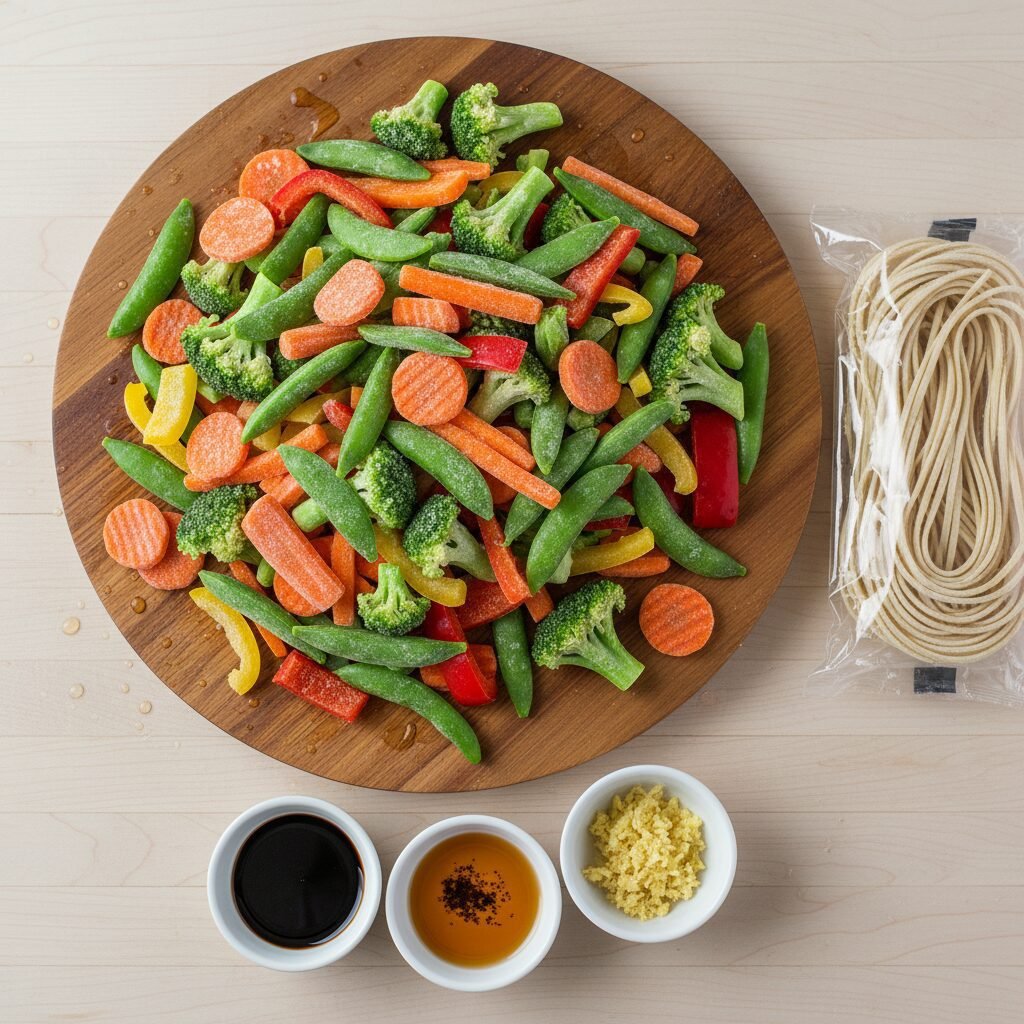
- ✓8 oz Lo Mein noodles (or spaghetti/linguine)
- ✓2 tbsp sesame oil, divided
- ✓1 tbsp ginger, minced (fresh or from a jar)
- ✓2 cloves garlic, minced
- ✓1 (16 oz) bag frozen stir-fry vegetable blend (broccoli, carrots, snap peas, bell peppers, etc.)
- ✓1/4 cup low-sodium soy sauce
- ✓2 tbsp hoisin sauce (optional, for extra flavor)
- ✓1 tbsp rice vinegar
- ✓1 tbsp brown sugar (or maple syrup)
- ✓1 tsp cornstarch
- ✓1/4 cup water or vegetable broth
- ✓Optional garnishes: sesame seeds, chopped green onions
Instructions
-
1. Cook the Noodles:
Bring a large pot of salted water to a rolling boil. Add the Lo Mein noodles and cook according to package directions until al dente. Drain well and rinse with cold water to prevent sticking. Toss with 1 tablespoon of sesame oil to keep them from clumping. Set aside.
-
2. Prepare the Sauce:
In a small bowl, whisk together the low-sodium soy sauce, hoisin sauce (if using), rice vinegar, brown sugar, cornstarch, and water (or vegetable broth) until smooth. Set aside.
-
3. Sauté Aromatics:
Heat the remaining 1 tablespoon of sesame oil in a large skillet or wok over medium-high heat. Add the minced ginger and minced garlic. Sauté for about 30 seconds until fragrant, being careful not to burn the garlic.
-
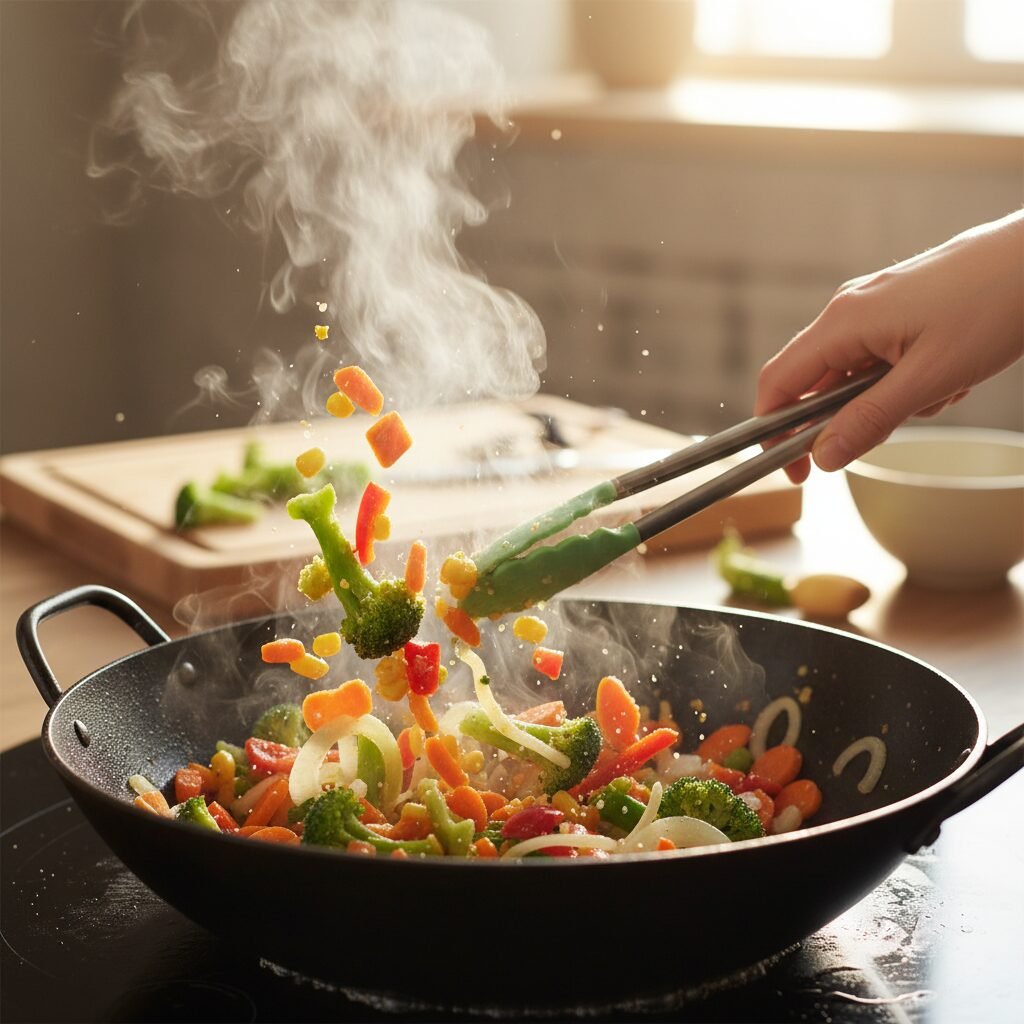
4. Cook Frozen Veggies:
Add the entire bag of frozen stir-fry vegetable blend to the skillet. Stir-fry for 5-7 minutes, or until the vegetables are crisp-tender and heated through. You want them cooked but still with a nice bite.
-
5. Combine and Sauce:
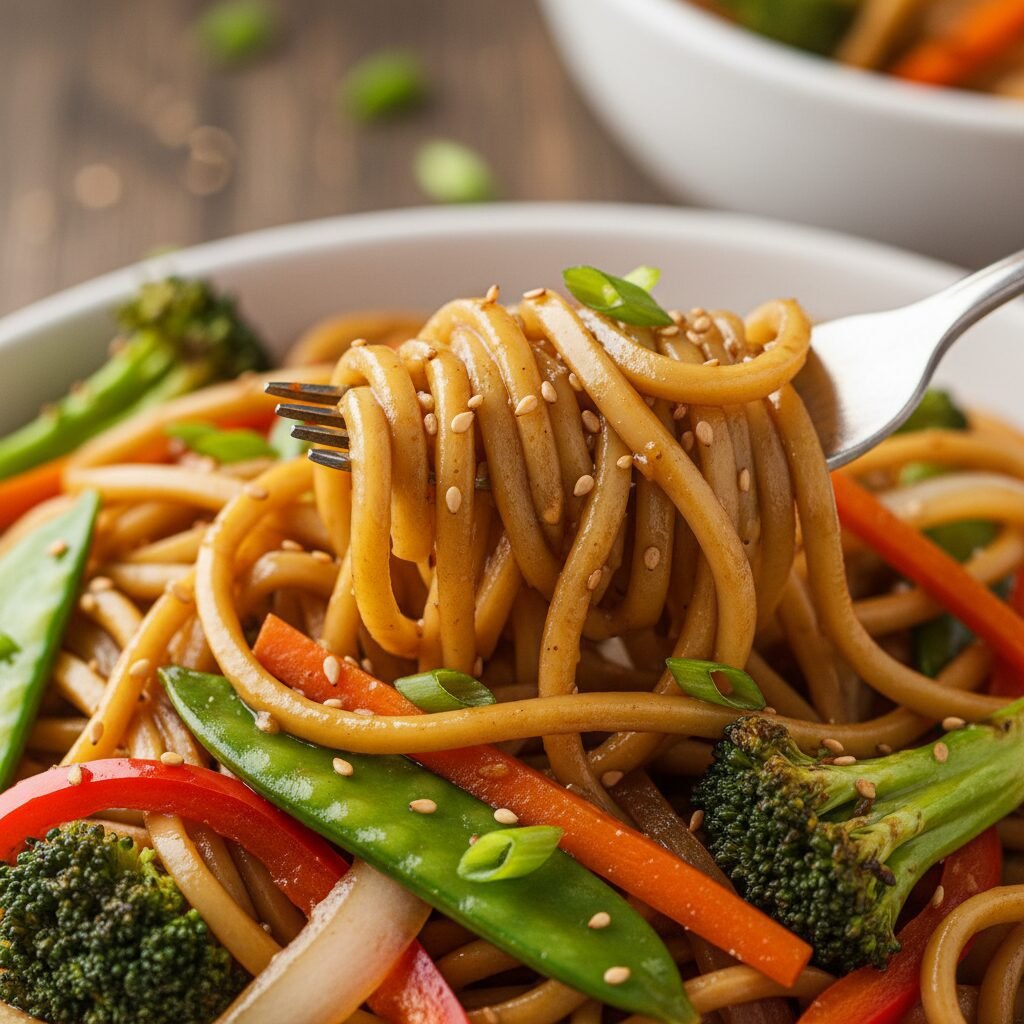
Add the cooked and drained noodles to the skillet with the vegetables. Give the prepared sauce another quick whisk, then pour it over the noodles and vegetables. Toss everything together using tongs, ensuring the noodles and veggies are evenly coated with the sauce. Cook for another 1-2 minutes, stirring constantly, until the sauce thickens and coats everything beautifully.
-
6. Serve and Garnish:
Remove from heat. Taste and adjust seasonings if needed. Serve immediately, garnished with sesame seeds and chopped green onions, if desired. Enjoy your homemade, easy Lo Mein!
Expert Cooking Tips
- ✓Don’t Overcook Noodles: Al dente noodles are key for Lo Mein. Overcooked noodles will become mushy and absorb too much sauce.
- ✓High Heat is Your Friend: When stir-frying, use medium-high to high heat to get a good sear on your veggies and prevent them from becoming soggy.
- ✓Thaw Veggies Slightly (Optional): If you have a few extra minutes, you can let your frozen veggies sit out for 10-15 minutes before cooking. This can help them cook more evenly, but it’s not strictly necessary.
- ✓Customize Your Veggies: Feel free to add fresh veggies like sliced mushrooms, bok choy, or bell peppers if you have them on hand. Just add them in with the frozen blend.
- ✓Taste and Adjust: Always taste your sauce before adding it to the pan, and again at the end. You might want a little more soy sauce, a dash of chili flakes for heat, or a squeeze of lime for brightness.
Substitutions and Variations
This recipe is wonderfully flexible, making it easy to adapt to what you have on hand or your family’s preferences!
- Noodles: If you can’t find Lo Mein noodles, regular spaghetti, linguine, or even ramen noodles (without the seasoning packet) work beautifully. For a gluten-free option, use rice noodles or gluten-free spaghetti.
- Vegetables: Any frozen vegetable blend will work! Think mixed veggies, broccoli florets, sliced carrots, peas, corn, or edamame. If you have fresh veggies, feel free to use them – just remember to chop them appropriately and add them to the pan based on their cooking time (harder veggies like carrots first, softer ones like spinach last).
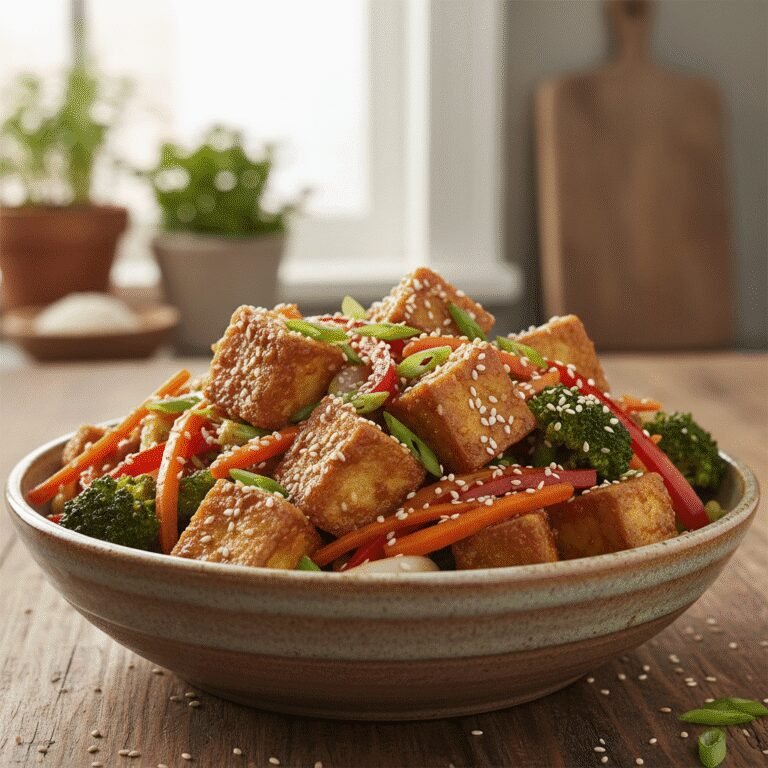
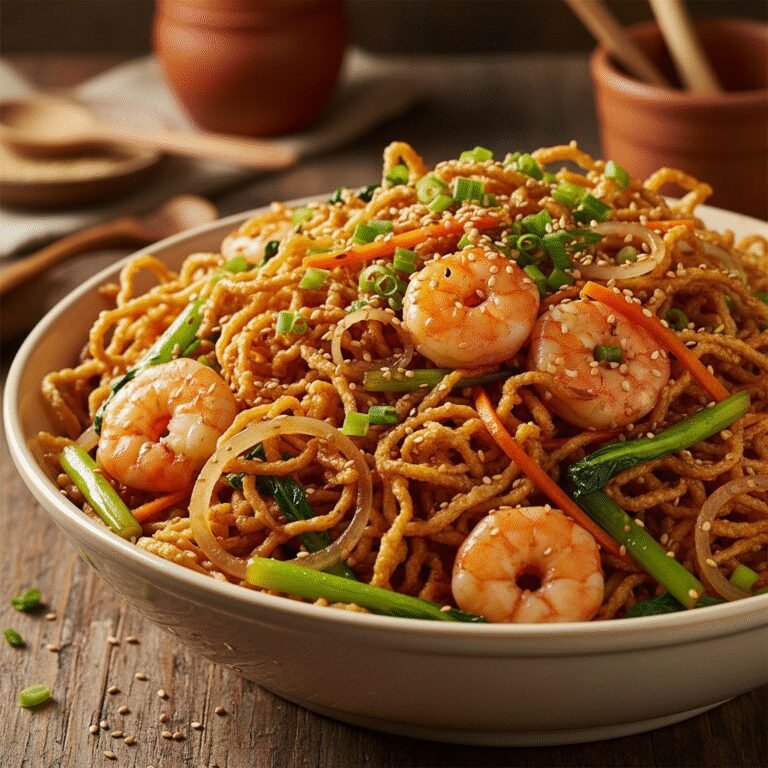
- Protein: Want to add some protein? Cooked chicken, shrimp, beef, or tofu can be added to the pan after the aromatics and before the frozen veggies. Just make sure they are fully cooked before adding the noodles and sauce. For a vegan option, consider adding edamame or pan-fried tofu.
- Sauce: No hoisin sauce? No problem! You can omit it or add a tiny bit more brown sugar and soy sauce to compensate. For a spicier kick, add a dash of sriracha or red pepper flakes to the sauce.
- Sweetener: Maple syrup or honey can be used in place of brown sugar.
Common Mistakes to Avoid
Even the simplest recipes can have pitfalls! Here are a few common mistakes to avoid when making your Easy Vegetable Lo Mein:
- Overcooking the Noodles: This is probably the biggest culprit for a less-than-perfect Lo Mein. Mushy noodles are no fun! Cook them just until al dente, then drain and rinse immediately.
- Crowding the Pan: If your skillet or wok is too full, the vegetables will steam instead of stir-fry, leading to a soggy texture. If you’re making a double batch, consider cooking the veggies in two separate batches.
- Not Rinsing Noodles: Rinsing cooked noodles with cold water stops the cooking process and removes excess starch, preventing them from sticking together. Don’t skip this step!
- Under-seasoning the Sauce: Taste your sauce before adding it to the pan. It should be robust and flavorful. Remember, the noodles and veggies will absorb a lot of the flavor.
- Low Heat: Stir-frying requires high heat to get that characteristic crisp-tender texture on the vegetables. If your heat is too low, your veggies will be limp and watery.
Serving Suggestions
This Easy Vegetable Lo Mein is a fantastic meal all on its own, but it also plays well with others! For a heartier meal, you could serve it alongside some crispy spring rolls or egg rolls. A simple side salad with a light vinaigrette would add a lovely fresh contrast. If you’re looking to boost the protein, pan-seared chicken breast, grilled shrimp, or even some baked salmon would be wonderful additions. For an extra pop of flavor and texture, a sprinkle of toasted cashews or peanuts would be delightful. And don’t forget a little extra sriracha on the side for those who like a bit of heat!
Storage and Reheating Tips
Leftover Lo Mein is a real treat! Store any uneaten portions in an airtight container in the refrigerator for up to 3-4 days. To reheat, you can microwave it in short bursts, stirring occasionally, until heated through. For best results, reheat in a skillet over medium heat with a splash of water or broth to loosen the noodles and prevent them from drying out. It’s not recommended to freeze cooked Lo Mein, as the noodles can become mushy upon thawing.
Nutrition Facts (Estimated)
| Serving Size | 1/4 of recipe |
| Calories | 350 kcal |
| Fat | 10g |
| Saturated Fat | 1.5g |
| Unsaturated Fat | 7g |
| Trans Fat | 0g |
| Cholesterol | 0mg |
| Sodium | 950mg |
| Carbohydrates | 55g |
| Fiber | 5g |
| Sugar | 8g |
| Protein | 12g |
Frequently Asked Questions
Can I use fresh vegetables instead of frozen?
Absolutely! If you prefer fresh, feel free to use them. Just make sure to chop them into bite-sized pieces. Harder vegetables like carrots and broccoli should be added first, followed by softer ones like bell peppers and snap peas, to ensure even cooking.
Is this recipe spicy?
No, this recipe as written is not spicy, making it very kid-friendly! If you enjoy a bit of heat, you can add a pinch of red pepper flakes to the sauce or a dash of sriracha when serving.
Can I add meat to this Lo Mein?
Yes, you can! Cooked chicken, shrimp, beef, or pork would be delicious additions. Simply cook your chosen protein in the skillet after the aromatics (ginger and garlic) and before adding the frozen vegetables. Make sure it’s fully cooked before proceeding with the recipe.
What kind of noodles are best for Lo Mein?
Traditional Lo Mein noodles are fresh egg noodles, often found in the refrigerated section of Asian markets. However, for convenience, dried Lo Mein noodles, spaghetti, or linguine work perfectly well and are widely available.
Can I make this recipe gluten-free?
Yes! To make this recipe gluten-free, simply use gluten-free noodles (like rice noodles or gluten-free spaghetti) and ensure your soy sauce is gluten-free (look for Tamari) and your hoisin sauce is also certified gluten-free.
How can I make this recipe vegan?
This recipe is already vegetarian! To make it fully vegan, ensure your noodles do not contain egg (many dried noodles are egg-free, but check the label) and use a vegan hoisin sauce if using. You can also add extra plant-based protein like edamame or pan-fried tofu.
Can I prepare the sauce ahead of time?
Yes, you can! Whisk together all the sauce ingredients and store it in an airtight container in the refrigerator for up to 2-3 days. Give it a good whisk again before adding it to the pan, as the cornstarch might settle.
My sauce isn’t thickening. What should I do?
If your sauce isn’t thickening, it might be due to not enough heat or not enough cornstarch. Make sure your skillet is hot enough and continue to stir for another minute or two. If it’s still too thin, you can quickly mix another 1/2 teaspoon of cornstarch with 1 tablespoon of cold water to create a slurry, then stir it into the Lo Mein and cook for another minute until thickened.
Conclusion
And there you have it, my dear friends! A truly effortless and incredibly delicious Easy Vegetable Lo Mein Using Frozen Veggies that’s perfect for any night of the week. This recipe is a testament to the fact that you don’t need hours in the kitchen or exotic ingredients to create a meal that’s both nourishing and utterly satisfying. It’s about making smart choices, embracing convenience, and still bringing that homemade love to your family’s table.
I truly hope this recipe brings a little extra joy and a lot less stress to your dinner routine. It’s a dish that celebrates flavor, simplicity, and the precious time we get to spend with our loved ones. So go ahead, give it a try, and watch those happy smiles around your table. Happy cooking, mamas!