
Don’t Throw That Out! Turn Sad Veggies Into a Fluffy Golden Frittata
Don’T Throw That Out! Turn Sad Veggies Into A Fluffy Golden Frittata
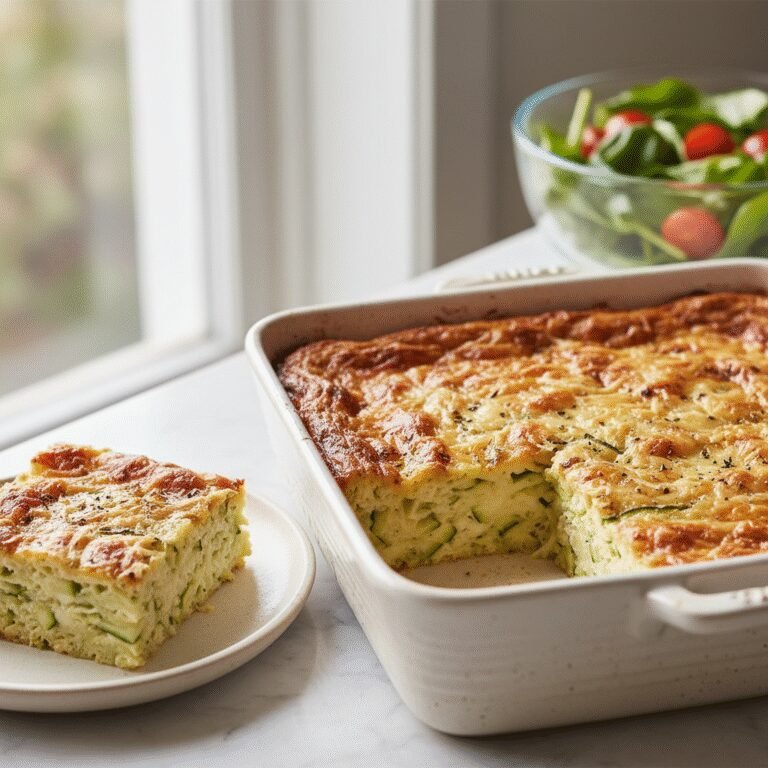
In every kitchen, there exists a purgatory for produce: the crisper drawer. It’s where once-vibrant vegetables go to soften, wrinkle, and await their fate. More often than not, that fate is the compost bin. But what if you could rescue those ‘sad’ veggies and transform them into a dish that’s not just edible, but elegant, delicious, and incredibly satisfying? Enter the frittata. This Italian marvel is the ultimate culinary hero, a blank canvas ready to absorb whatever you have on hand. It’s a testament to the beauty of resourcefulness, proving that a spectacular meal doesn’t require a special trip to the store—it requires a change in perspective. This recipe is more than just a set of instructions; it’s a strategy for combating food waste, a template for countless future meals, and your new go-to for a quick, protein-packed breakfast, brunch, or weeknight dinner. Prepare to turn kitchen scraps into a fluffy, golden triumph.
15 minutes
25 minutes
40 minutes
6-8 servings
Brunch/Breakfast
Stovetop-to-Oven
Italian
Vegetarian, Gluten-Free, Low-Carb
Why You’ll Love This Recipe
- Dramatically reduces food waste by using leftover vegetables.
- A quick and versatile meal, perfect for any time of day.
- Infinitely customizable based on what you have in your fridge.
- Naturally gluten-free, low-carb, and easily made dairy-free.
- A protein-packed dish that is both satisfying and nutritious.
Equipment You’ll Need
- 10-inch oven-safe skillet (cast-iron or non-stick)
- Large mixing bowl
- Whisk
- Chef’s knife
- Cutting board
- Spatula
Ingredients
- 8 large eggs
- 1/4 cup heavy cream, whole milk, or unsweetened plant-based milk
- 1/2 cup grated or crumbled cheese (such as cheddar, Parmesan, goat cheese, or feta)
- 1/2 teaspoon fine sea salt
- 1/4 teaspoon black pepper, freshly ground
- 2 tablespoons olive oil or butter
- 1 small onion or 2 shallots, finely chopped
- 2 cloves garlic, minced
- 3-4 cups chopped ‘sad’ vegetables (see notes below)
- Optional: 2 tablespoons fresh herbs, chopped (such as parsley, chives, or dill)
Instructions
- Preheat and Prepare: Position a rack in the center of your oven and preheat to 400°F (200°C).
- Sauté Aromatics: Heat the olive oil or butter in your 10-inch oven-safe skillet over medium heat. Add the chopped onion or shallots and cook, stirring occasionally, until softened and translucent, about 5-7 minutes.
- Cook the Vegetables: Add your firmer vegetables first (e.g., broccoli stems, diced carrots, bell peppers). Sauté for 5-7 minutes until they begin to soften. This step is crucial for cooking off excess moisture. Next, add the minced garlic and cook for another minute until fragrant. Finally, add any quicker-cooking or delicate vegetables (e.g., mushrooms, zucchini, wilted spinach) and cook until they have released their liquid and are tender, another 3-5 minutes. Season the vegetables lightly with a pinch of salt and pepper.
- Prepare the Egg Mixture: While the vegetables cook, crack the 8 large eggs into a large mixing bowl. Add the heavy cream or milk, salt, pepper, and most of the grated cheese (save a little for the top). Whisk vigorously until the mixture is uniform in color and slightly frothy, but be careful not to over-whisk, as this can make the frittata tough. Stir in the fresh herbs, if using.
- Combine and Cook on Stovetop: Pour the egg mixture evenly over the cooked vegetables in the skillet. Use a spatula to gently distribute the vegetables so they are submerged in the egg. Sprinkle the remaining cheese over the top. Reduce the heat to low and let the frittata cook undisturbed for 3-5 minutes, just until the edges begin to set.
- Bake in the Oven: Carefully transfer the skillet to the preheated oven. Bake for 10-15 minutes, or until the frittata is puffed up, golden brown, and the center is just set (it should not jiggle when you gently shake the pan).
- Rest and Serve: Remove the skillet from the oven and place it on a wire rack. Let the frittata rest in the pan for at least 5-10 minutes. It will deflate slightly, which is normal. This resting period allows it to finish cooking and makes it much easier to slice. Run a spatula around the edge to loosen, then slice into wedges and serve warm or at room temperature.
Expert Cooking Tips
- Don’t Over-Whisk: Whisk the eggs just until the yolks and whites are combined and the mixture is an even yellow. Over-whisking incorporates too much air, which can cause the frittata to puff up dramatically in the oven and then collapse into a dense, rubbery state.
- Pre-cook Your Veggies: This is the most important step for a perfect frittata. Vegetables release a lot of water as they cook. Sautéing them first cooks off this excess moisture, preventing a soggy, watery final product and concentrating their flavor.
- Use Full-Fat Dairy: For the richest, most custardy texture, use heavy cream or full-fat yogurt. While lower-fat milk works, the result will be less tender. The fat content helps create a softer set.
- Choose the Right Pan: A well-seasoned 10-inch cast-iron skillet is the gold standard for frittatas. It distributes heat evenly and goes seamlessly from stovetop to oven. A good quality oven-safe non-stick skillet is also an excellent choice.
- Let It Rest: Do not skip the resting period. It allows the residual heat to gently finish cooking the center and lets the structure set, ensuring clean, beautiful slices.
Substitutions and Variations
This recipe is a template, not a strict rule. For dairy-free, use an unsweetened, full-fat plant-based milk like oat or soy milk and a vegan cheese alternative. For cheese, almost anything goes: sharp cheddar, nutty Gruyère, tangy feta, or creamy goat cheese all work well. Feel free to add cooked proteins like crumbled sausage, bacon, shredded chicken, or smoked salmon—just stir them in with the cooked vegetables before adding the eggs. Any and all vegetables are welcome, from leftover roasted potatoes and asparagus to sad-looking cherry tomatoes and kale.
Common Mistakes to Avoid
The most common mistake is a watery frittata, which is almost always caused by not pre-cooking the vegetables to remove their moisture. The second is a rubbery texture, a result of overcooking or using a temperature that’s too high. Cook until the center is just set, as it will continue to cook from residual heat after being removed from the oven. Finally, sticking can be an issue. Ensure you use an oven-safe, non-stick skillet or a very well-seasoned cast-iron pan and use an adequate amount of cooking fat to coat the bottom and sides.
Serving Suggestions
A frittata is a complete meal in itself, but it pairs wonderfully with accompaniments. Serve warm wedges with a simple arugula salad tossed in a lemon vinaigrette to cut through the richness. For a heartier brunch, add a side of roasted potatoes or crusty sourdough toast. It’s also fantastic served at room temperature, making it perfect for picnics or packed lunches. A dollop of pesto, a sprinkle of hot sauce, or a spoonful of sour cream on top can add an extra layer of flavor.
Storage and Reheating Tips
Leftover frittata stores beautifully. Allow it to cool completely, then cover the skillet with plastic wrap or transfer slices to an airtight container. It will keep in the refrigerator for up to 4 days. Enjoy leftovers cold straight from the fridge, allow them to come to room temperature, or reheat gently. To reheat, place a slice on a microwave-safe plate and heat in 30-second intervals, or warm in a 300°F (150°C) oven until just heated through.
Nutrition Facts (Estimated)
| Serving Size | 1 slice (1/8th of frittata) |
| Calories | 210 kcal |
| Fat | 15g |
| Saturated Fat | 6g |
| Unsaturated Fat | 9g |
| Trans Fat | 0g |
| Cholesterol | 380mg |
| Sodium | 350mg |
| Carbohydrates | 7g |
| Fiber | 2g |
| Sugar | 4g |
| Protein | 14g |
Frequently Asked Questions
Why did my frittata turn out flat instead of fluffy?
A frittata isn’t meant to be as tall and airy as a soufflé, but it should have a pleasant lift. A flat frittata can result from over-whisking the eggs or from not having enough filling relative to the egg. Ensure you have a good 3-4 cups of fillings to give the eggs something to cling to as they cook.
Can I use frozen vegetables?
Yes, but it’s essential to thaw them completely and squeeze out as much excess water as possible before sautéing. Frozen spinach is a prime example; you must wring it out thoroughly in a clean kitchen towel to avoid a watery frittata.
Can I make this entirely on the stovetop?
You can, but it requires more attention. To do so, cook the frittata on low heat, covered with a lid, for about 10-15 minutes, or until the top is mostly set. You may need to briefly place it under a broiler to finish cooking the top, but the oven method is generally more reliable for even cooking.
What’s the difference between a frittata and a quiche?
The main differences are the crust and the dairy content. A quiche has a pastry crust and typically contains a higher ratio of cream or milk to eggs, resulting in a richer, more custard-like filling. A frittata is crustless and has a firmer, egg-forward texture.
Conclusion
The frittata is more than a recipe; it’s a philosophy of creative, conscious cooking. It empowers you to look at the contents of your refrigerator not as a collection of disparate ingredients, but as a world of possibilities. By embracing this simple, elegant dish, you save money, reduce food waste, and put a beautiful, nourishing meal on the table with minimal effort. So the next time you see that slightly soft bell pepper or that bunch of wilting greens, don’t despair. See it as an opportunity to create something truly golden.