Creamy Peruvian Green Spaghetti: The Ultimate Budget Pesto Hack
Creamy Peruvian Green Spaghetti: The Ultimate Budget Pesto Hack
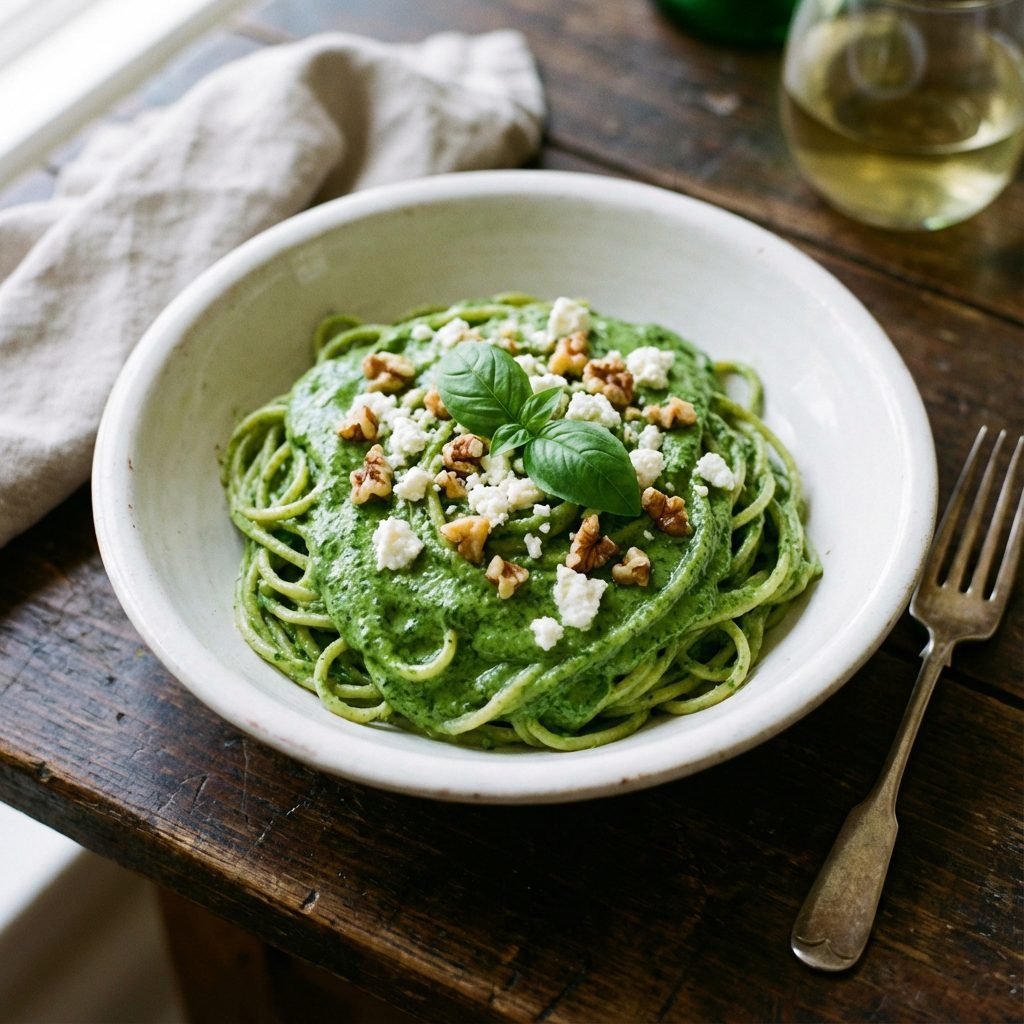
Discover the vibrant, creamy, and utterly delicious world of Tallarines Verdes, or Peruvian Green Spaghetti. This beloved South American classic is often compared to Italian pesto, but it boasts a unique character that is all its own. Instead of relying on expensive pine nuts and Parmesan, this brilliant recipe uses a budget-friendly blend of fresh spinach, fragrant basil, savory queso fresco, and a touch of evaporated milk to create a sauce that is luxuriously smooth and packed with flavor. It’s the ultimate ‘pesto hack’—delivering all the herbaceous, nutty, and cheesy notes you love, but with a distinctive Peruvian twist and a much friendlier price tag. Perfect for a quick weeknight dinner, this dish comes together in under 30 minutes and is guaranteed to become a new family favorite.
10 minutes
20 minutes
30 minutes
4-6 servings
Main Course
Stovetop, Blended
Peruvian
Vegetarian
Why You’ll Love This Recipe
- A budget-friendly alternative to traditional Italian pesto.
- Incredibly creamy and rich sauce without using heavy cream.
- Ready in under 30 minutes, making it ideal for busy weeknights.
- Authentic Peruvian flavor that is both unique and comforting.
- Easily adaptable with various substitutions to suit your pantry.
Equipment You’ll Need
- Large pot
- Colander
- High-speed blender
- Large skillet or sauté pan
- Chef’s knife
- Cutting board
- Measuring cups and spoons
Ingredients
- 1 lb (450g) spaghetti or linguine
- 2 tablespoons olive oil
- 1 small yellow onion, roughly chopped
- 4 cloves garlic, smashed
- 5 oz (140g) fresh spinach
- 1 large bunch fresh basil (about 2 cups, packed)
- 1 cup (about 4 oz) crumbled queso fresco or feta cheese
- 1/2 cup evaporated milk
- 1/4 cup walnuts or pecans, lightly toasted
- Salt and freshly ground black pepper to taste
- Reserved pasta water, as needed
Instructions
- Cook the Pasta: Bring a large pot of generously salted water to a boil. Add the spaghetti and cook according to package directions until al dente. Before draining, reserve at least 1 cup of the starchy pasta water. Drain the pasta and set aside.
- Sauté Aromatics: While the pasta is cooking, heat the olive oil in a large skillet over medium heat. Add the chopped onion and sauté for 5-7 minutes, until softened and translucent. Add the smashed garlic cloves and cook for another minute until fragrant. Remove from heat.
- Blanch the Greens: To preserve their vibrant color, briefly blanch the spinach and basil. You can do this by either dropping them into the boiling pasta water for the last 30 seconds of cooking or by placing them in a separate bowl and pouring boiling water over them for 30 seconds, then draining immediately.
- Blend the Sauce: Transfer the sautéed onion and garlic to a high-speed blender. Add the blanched spinach and basil, crumbled queso fresco, evaporated milk, and toasted walnuts. Blend on high until the sauce is completely smooth and creamy. If the sauce is too thick, you can add a tablespoon or two of the reserved pasta water to help it blend.
- Combine and Serve: Pour the blended green sauce back into the skillet. Season generously with salt and pepper to your taste. Add the cooked, drained spaghetti to the skillet with the sauce. Toss everything together over low heat until the pasta is well-coated. If the sauce is too thick, add the reserved pasta water, a little at a time, until you reach your desired consistency. The starchy water will make the sauce extra creamy.
- Garnish and Enjoy: Serve the Tallarines Verdes immediately, garnished with extra crumbled queso fresco, a sprinkle of chopped toasted walnuts, and a drizzle of olive oil if desired.
Expert Cooking Tips
- Don’t Skip the Pasta Water: Reserving the starchy pasta water is the secret to a silky, restaurant-quality sauce that clings perfectly to the noodles. Do not substitute with regular water.
- Toast Your Nuts: Toasting the walnuts or pecans for a few minutes in a dry pan before blending deepens their flavor and adds a wonderful nutty aroma to the sauce.
- Blanch, Don’t Boil: Be careful not to overcook the spinach and basil. A quick 30-second blanch is all they need to wilt and lock in their bright green color. Overcooking will result in a dull, olive-colored sauce.
- Control the Consistency: The sauce will thicken as it sits. Use the reserved pasta water to thin it to your perfect consistency just before serving.
Substitutions and Variations
For Queso Fresco: Crumbled feta offers a similar salty tang. You can also use a mix of Parmesan cheese and a little cream cheese for creaminess. For Evaporated Milk: Heavy cream, half-and-half, or whole milk can be used. For a dairy-free version, use unsweetened almond or oat milk and a vegan cheese substitute. For Walnuts: Pecans are a great substitute. Pine nuts or almonds also work well. For a nut-free version, you can use sunflower seeds or simply omit them.
Common Mistakes to Avoid
Forgetting to Salt the Pasta Water: Salting your pasta water is the first and most important step in seasoning your entire dish. It infuses the pasta with flavor from the inside out. Not Reserving Pasta Water: This is the most common mistake. The starchy water is an essential emulsifier that helps the sauce become creamy and adhere to the pasta. Using a Weak Blender: A high-speed blender is recommended to get a perfectly smooth, silky sauce. If your blender struggles, you may need to blend for longer and add more liquid to help it along. Under-seasoning the Sauce: The ingredients are mild, so be sure to taste the final sauce and add enough salt and pepper to make the flavors pop.
Serving Suggestions
Tallarines Verdes is a complete meal on its own, but it pairs beautifully with other dishes. For a classic Peruvian meal, serve it alongside a thin, breaded steak (Bistec Apanado) or a piece of grilled chicken. A simple fried egg on top is also a delicious and traditional addition. For a lighter meal, accompany it with a fresh green salad tossed in a simple lime vinaigrette.
Storage and Reheating Tips
Store any leftover green spaghetti in an airtight container in the refrigerator for up to 3 days. The sauce is best stored separately from the pasta if possible. To reheat, gently warm the pasta and sauce in a skillet over low heat, adding a splash of milk, water, or broth to loosen the sauce and restore its creaminess. The sauce can also be frozen in an airtight container for up to 3 months.
Nutrition Facts (Estimated)
| Serving Size | 1 serving (approx. 1/4 of recipe) |
| Calories | 580 kcal |
| Fat | 28g |
| Saturated Fat | 11g |
| Unsaturated Fat | 17g |
| Trans Fat | 0g |
| Cholesterol | 45mg |
| Sodium | 650mg |
| Carbohydrates | 64g |
| Fiber | 7g |
| Sugar | 6g |
| Protein | 20g |
Frequently Asked Questions
Can I make this recipe vegan?
Yes, absolutely. To make it vegan, substitute the queso fresco with a vegan feta or Parmesan alternative, and use a plant-based milk like unsweetened oat or almond milk instead of evaporated milk. The result will still be delicious and creamy.
Is this dish spicy?
No, traditional Tallarines Verdes is not spicy. It’s savory, creamy, and herbaceous. However, Peruvians often serve it with a side of aji amarillo paste or a spicy salsa so individuals can add heat to their liking.
Can I make the sauce ahead of time?
Yes, the sauce can be made up to 2 days in advance and stored in an airtight container in the refrigerator. The color may darken slightly due to oxidation, but the flavor will remain excellent. Just reheat it gently before tossing with freshly cooked pasta.
Conclusion
Peruvian Green Spaghetti is more than just a recipe; it’s a brilliant culinary concept that proves you don’t need expensive ingredients to create a dish that is rich, elegant, and deeply satisfying. Its creamy texture, vibrant color, and fresh, herbaceous flavor make it an unforgettable meal that is as easy to make as it is to love. Give this budget pesto hack a try, and bring a taste of Peru into your kitchen tonight.