Chicken Afritada: The One-Pot Tomato Stew That Saves Weeknight Dinner
Chicken Afritada: The One-Pot Tomato Stew That Saves Weeknight Dinner
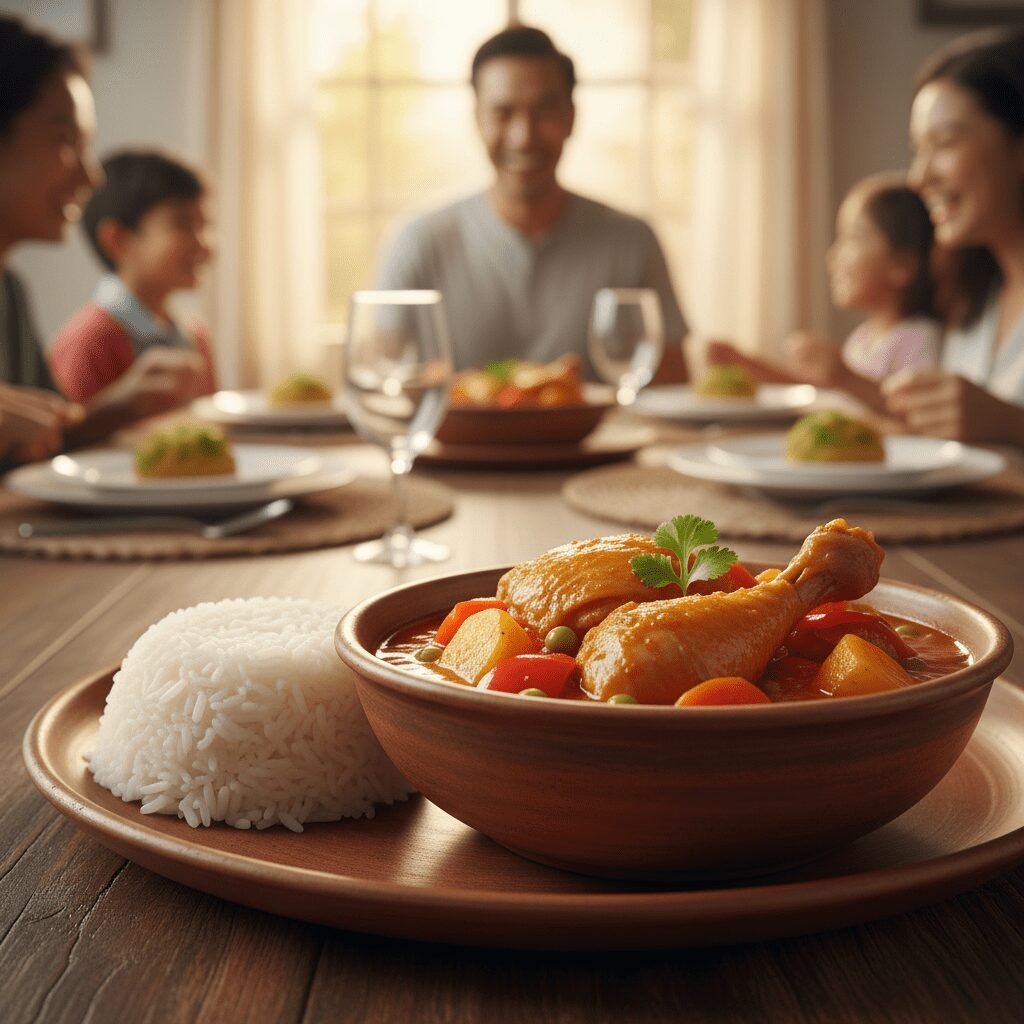
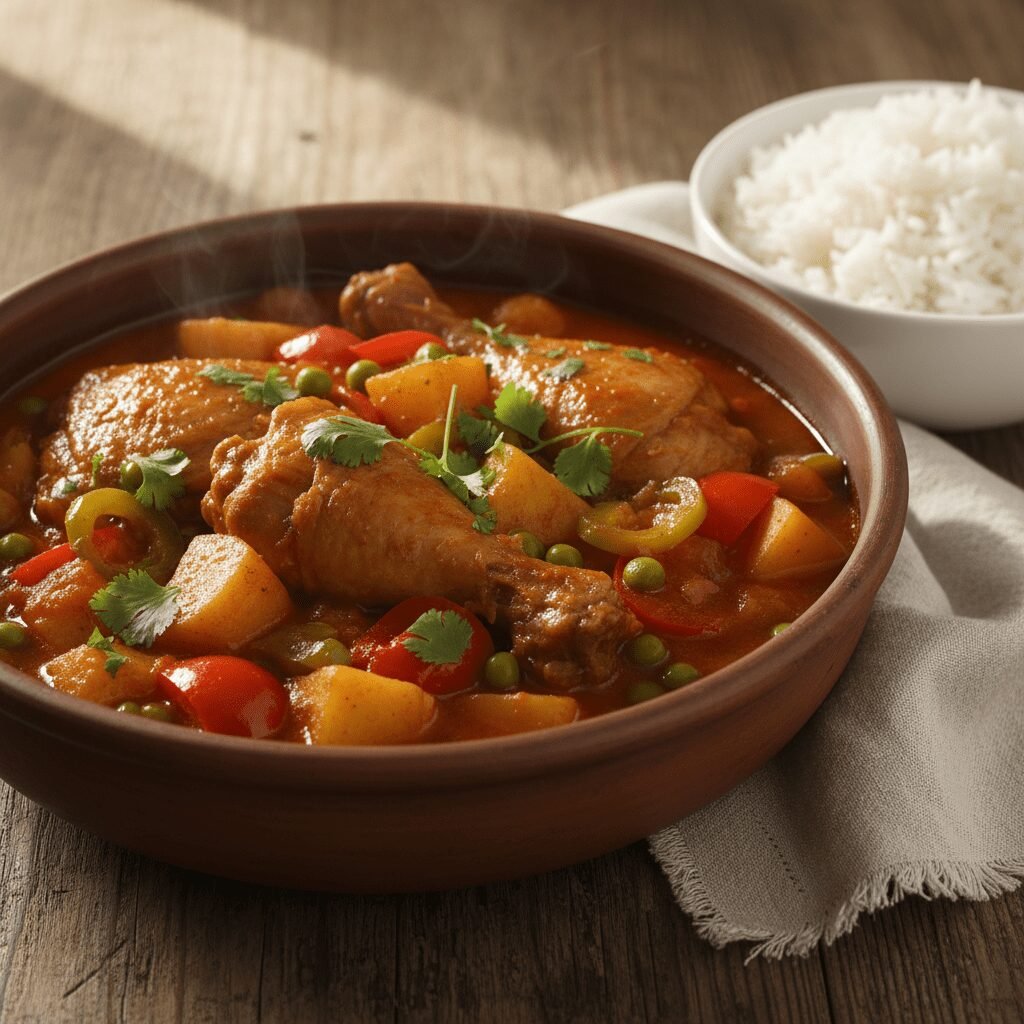
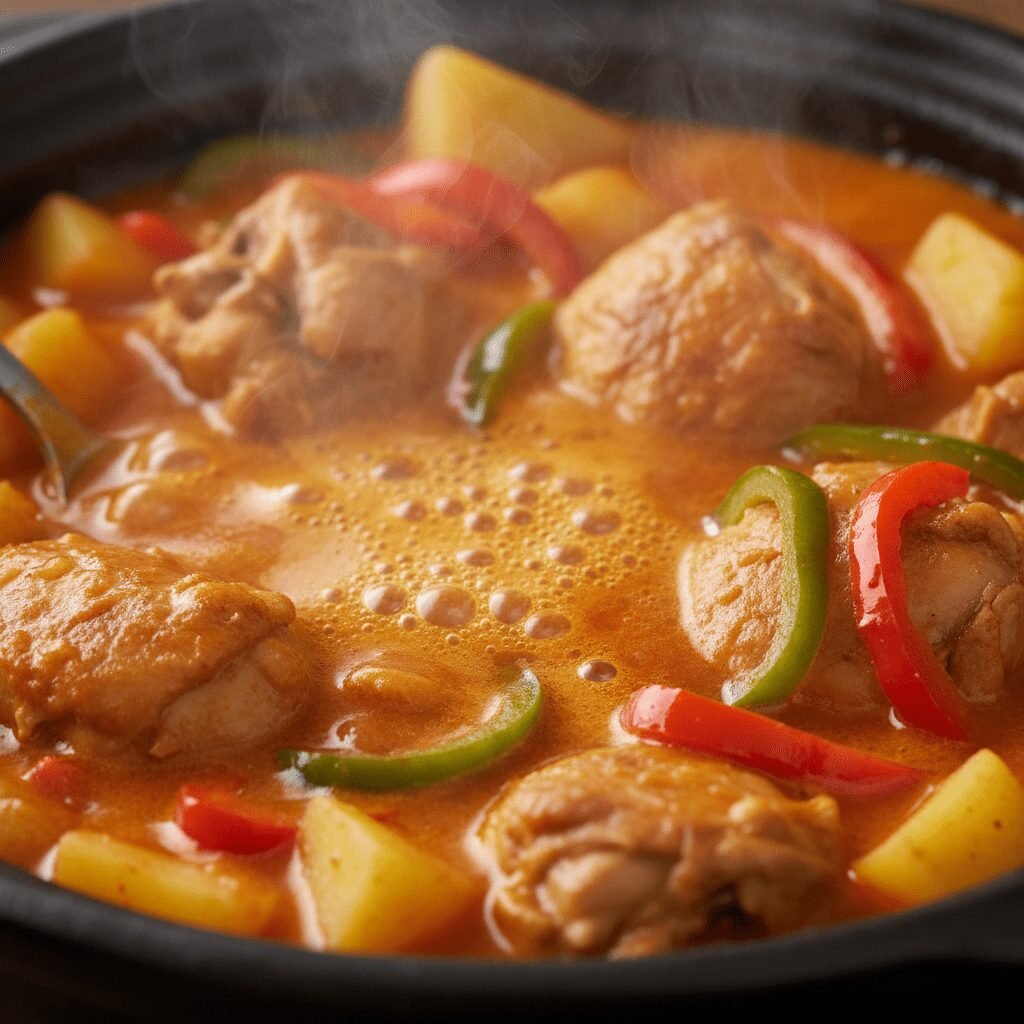
Discover the magic of Chicken Afritada, a beloved Filipino one-pot wonder that brings comfort and flavor to your table with minimal fuss. This tomato-based chicken stew, brimming with tender chicken, vibrant vegetables, and a savory sauce, is your new go-to for busy weeknights.
20 minutes
40 minutes
1 hour
6 servings
Main Course
Stovetop Stew
Filipino
Dairy-Free
Oh, sweet friends! If there’s one thing I’ve learned in my journey through motherhood and managing a bustling home, it’s the absolute necessity of a reliable, delicious, and easy weeknight dinner. We all crave those moments around the dinner table, sharing stories and laughter, but sometimes the thought of cooking after a long day feels like climbing Mount Everest, right? Well, today, I’m absolutely thrilled to share a recipe that has become a true lifesaver in my kitchen: Chicken Afritada!
Imagine this: a rich, savory tomato-based stew, tender pieces of chicken, and a medley of colorful vegetables, all simmering together in one glorious pot. The aroma alone is enough to make your tummy rumble and your heart feel warm. Chicken Afritada isn’t just a meal; it’s a hug in a bowl, a taste of home, and a testament to how simple ingredients can create something truly extraordinary. It’s the kind of dish that makes everyone ask for seconds, and you, my dear, will be beaming with pride knowing you whipped up such a wholesome and flavorful meal with such ease.
This isn’t just another chicken recipe; it’s a culinary journey to the Philippines, a country known for its incredibly comforting and flavorful cuisine. And the best part? It’s incredibly adaptable, budget-friendly, and perfect for meal prepping. So, grab your apron, put on your favorite playlist, and let’s dive into making this incredible Chicken Afritada together. Your weeknight dinners are about to get a serious upgrade!
History & Origins
Chicken Afritada, like many beloved Filipino dishes, tells a story of cultural fusion and culinary evolution. Its roots can be traced back to the Spanish colonial era in the Philippines, which lasted over 300 years. The name ‘Afritada’ itself is derived from the Spanish word ‘fritada,’ meaning ‘fried,’ referring to the initial step of browning the meat before stewing.
The Spanish influence introduced tomatoes, potatoes, and bell peppers to Filipino cooking, ingredients that are now central to Afritada. Before the Spanish, indigenous Filipino cuisine relied heavily on ingredients like coconut milk, vinegar, and soy sauce. The arrival of tomatoes brought a new dimension of flavor and color, leading to the creation of dishes like Afritada, Menudo, and Caldereta, all characterized by their rich, savory tomato sauces.
Over generations, Filipinos adapted these Spanish-inspired dishes to suit local palates and available ingredients. While the Spanish version might have been simpler, Filipino Afritada evolved to include a vibrant array of vegetables like carrots and green peas, and often incorporates a touch of fish sauce (patis) for that quintessential umami depth. It became a staple in Filipino homes, cherished for its hearty nature and ability to feed a crowd, making it a popular dish for everyday meals and special gatherings alike. It truly embodies the Filipino spirit of making something wonderful and uniquely their own from diverse influences.
Why This Recipe Works
Chicken Afritada is a culinary marvel that works on multiple levels to deliver maximum flavor and comfort with minimal effort. Here’s the magic behind this one-pot wonder:
First, the browning of the chicken. This isn’t just for looks! Searing the chicken pieces before stewing creates a flavorful crust through the Maillard reaction. This process develops deep, complex savory notes that form the foundation of the stew’s taste profile. It locks in juices and adds an incredible depth that you wouldn’t get from simply boiling the chicken.
Next, the aromatic base. Sautéing garlic and onions until fragrant releases their essential oils and sweetens them, creating a powerful aromatic foundation that permeates the entire dish. This step is crucial for building layers of flavor.
The tomato sauce is the heart of Afritada. Tomatoes provide a natural acidity that brightens the dish and helps tenderize the chicken. As the sauce simmers, the flavors meld and concentrate, creating a rich, slightly sweet, and tangy gravy. Using tomato paste alongside diced tomatoes adds an extra punch of concentrated tomato flavor and thickens the sauce beautifully.
Finally, the one-pot stewing method. This technique allows all the ingredients to cook together, enabling their flavors to intermingle and deepen. The vegetables (potatoes, carrots, bell peppers) absorb the delicious tomato sauce, becoming tender and infused with flavor, while also releasing their own subtle sweetness and nutrients into the stew. The starch from the potatoes also contributes to the slight thickening of the sauce. It’s a harmonious blend where every component contributes to the overall deliciousness, making it a truly satisfying and cohesive meal.
Why You’ll Love This Recipe
- ✓A comforting, savory, and slightly tangy tomato-based chicken stew.
- ✓Packed with tender chicken and vibrant vegetables like potatoes, carrots, and bell peppers.
- ✓A true one-pot wonder, making cleanup a breeze for busy weeknights.
- ✓Incredibly versatile and adaptable to your family’s preferences.
- ✓Perfect for meal prepping and tastes even better the next day.
- ✓A beloved Filipino classic that brings a taste of home to your table.
Equipment You’ll Need
- ✓Large Dutch oven or heavy-bottomed pot (5-6 quart)
- ✓Cutting board
- ✓Sharp knife
- ✓Measuring cups and spoons
- ✓Wooden spoon or spatula
Ingredients
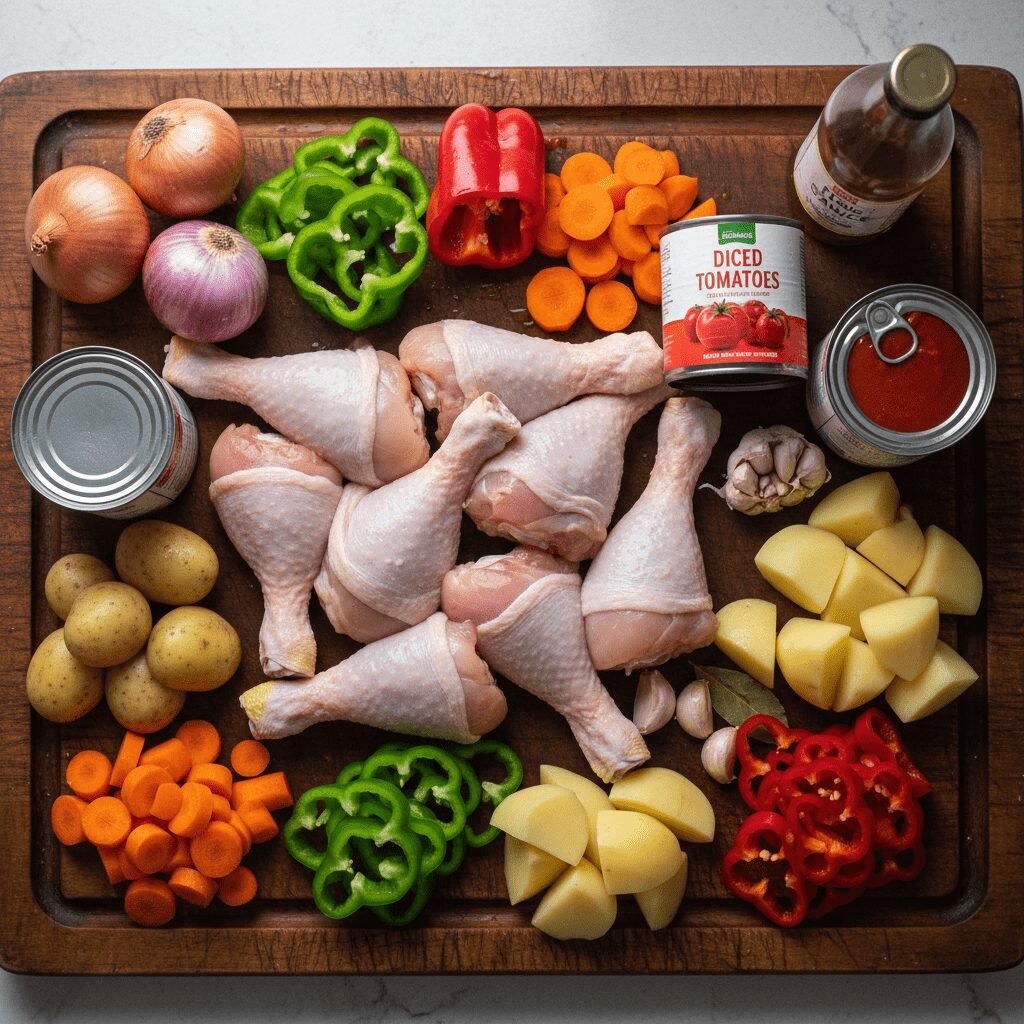
- ✓2 lbs bone-in, skin-on chicken pieces (thighs and drumsticks work best), cut into serving pieces
- ✓1 tbsp cooking oil (vegetable or canola)
- ✓1 large onion, chopped
- ✓4 cloves garlic, minced
- ✓1 (15 oz) can diced tomatoes, undrained
- ✓1 (8 oz) can tomato sauce
- ✓2 tbsp tomato paste
- ✓1 cup chicken broth
- ✓1 large potato, peeled and cut into 1-inch cubes
- ✓2 medium carrots, peeled and cut into 1-inch pieces
- ✓1 large red bell pepper, cored and cut into 1-inch squares
- ✓1 large green bell pepper, cored and cut into 1-inch squares
- ✓1/2 cup green peas (fresh or frozen)
- ✓2 tbsp fish sauce (patis), or to taste
- ✓1 tsp sugar (optional, to balance acidity)
- ✓Salt and freshly ground black pepper to taste
- ✓Cooked white rice, for serving
Instructions
- Pat the chicken pieces dry with paper towels. Season generously with salt and pepper.
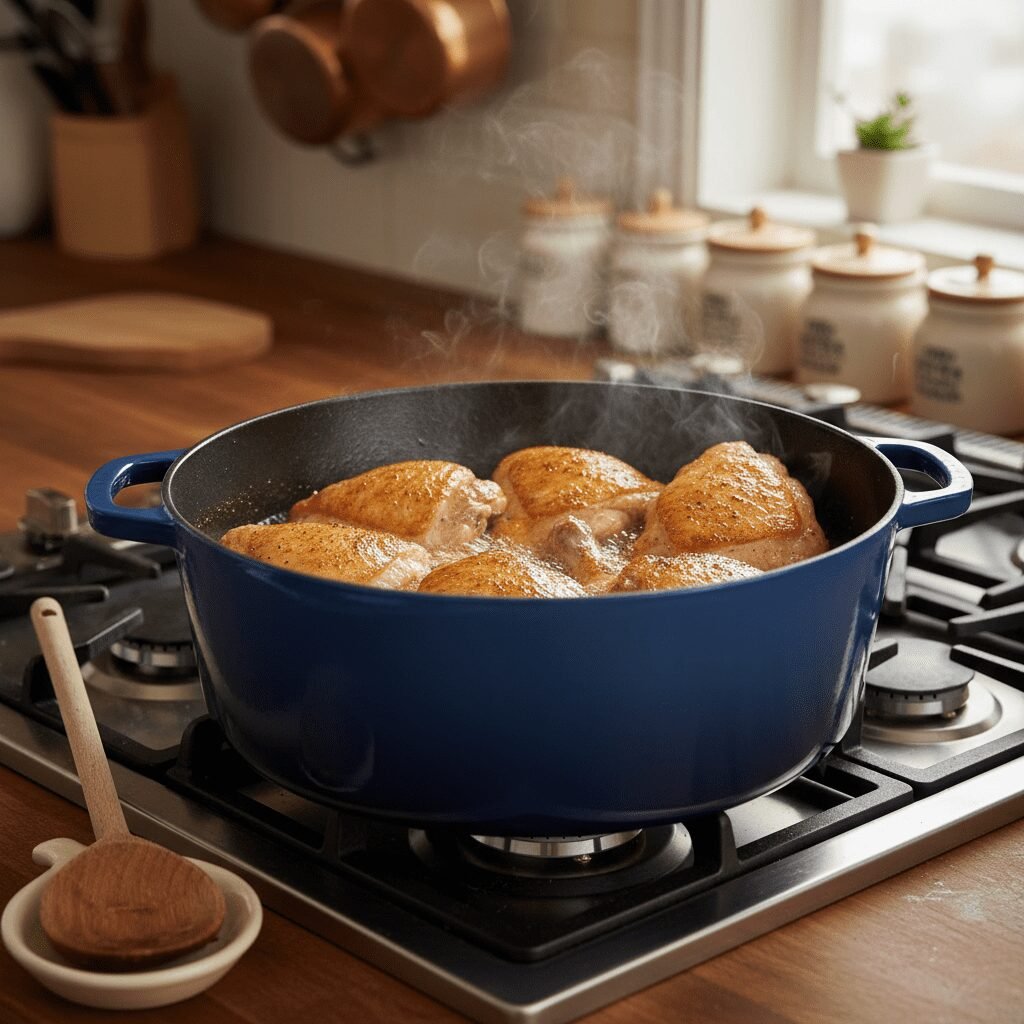
- Heat the cooking oil in a large Dutch oven or heavy-bottomed pot over medium-high heat. Once hot, carefully add the chicken pieces in a single layer, skin-side down if applicable. Sear for 3-5 minutes per side until beautifully browned. You may need to do this in batches to avoid overcrowding the pot. Remove the browned chicken and set aside.
- Reduce the heat to medium. Add the chopped onion to the pot and sauté for 3-4 minutes until softened and translucent. Add the minced garlic and cook for another minute until fragrant, being careful not to burn it.
- Stir in the diced tomatoes (with their juice), tomato sauce, and tomato paste. Bring the mixture to a simmer, scraping up any browned bits from the bottom of the pot. This adds incredible flavor!
- Return the browned chicken pieces to the pot. Pour in the chicken broth and fish sauce. Add the cubed potatoes and carrots. Bring the mixture to a gentle boil, then reduce the heat to low, cover, and simmer for 20-25 minutes, or until the chicken is cooked through and the potatoes and carrots are tender.
- Stir in the red and green bell peppers and green peas. Continue to simmer, uncovered, for another 5-7 minutes, or until the bell peppers are tender-crisp and the peas are heated through. The sauce should have thickened slightly.
- Taste the Afritada and adjust seasonings as needed. Add a pinch of sugar if the sauce is too acidic, or more fish sauce/salt for savory depth. Season with freshly ground black pepper.
- Remove from heat and let it rest for a few minutes before serving. Serve hot with plenty of steamed white rice. Enjoy your delicious one-pot Chicken Afritada!
Expert Cooking Tips
- ✓Don’t skip browning the chicken: This step is crucial for developing deep flavor and a beautiful color. Patting the chicken dry helps achieve a better sear.
- ✓Use bone-in, skin-on chicken: The bones and skin add tremendous flavor and richness to the stew. If you prefer boneless, skinless chicken, reduce the cooking time slightly to prevent it from drying out.
- ✓Adjust fish sauce to taste: Fish sauce (patis) is a staple in Filipino cooking and adds a unique umami depth. If you’re new to it, start with a smaller amount and add more gradually. Soy sauce can be used as a substitute, but the flavor profile will be slightly different.
- ✓Cut vegetables uniformly: This ensures they cook evenly. Potatoes and carrots take longer, so add them with the chicken. Bell peppers and peas cook faster, so add them towards the end to keep them vibrant and tender-crisp.
- ✓Let it simmer: A slow, gentle simmer allows the flavors to meld beautifully and the chicken to become incredibly tender. Don’t rush this step!
- ✓Balance the flavors: Taste and adjust! A little sugar can balance the acidity of the tomatoes, while more fish sauce or salt can enhance the savory notes.
Substitutions and Variations
Life happens, and sometimes we don’t have every ingredient on hand! Here are some easy substitutions to make this Chicken Afritada work for you:
- Chicken: While bone-in, skin-on chicken is recommended for flavor, you can absolutely use boneless, skinless chicken thighs or breasts. Just be mindful that cooking time will be shorter (around 15-20 minutes of simmering) to prevent drying out.
- Vegetables: Feel free to swap or add other vegetables! Green beans, chayote, or even chunks of sweet potato would be lovely additions. If you don’t have fresh bell peppers, frozen mixed peppers work in a pinch.
- Fish Sauce (Patis): If you don’t have fish sauce or prefer not to use it, you can substitute with an equal amount of soy sauce, though the flavor will be slightly different. A pinch of salt will also work if you’re avoiding both.
- Tomato Products: If you only have crushed tomatoes, you can use those instead of diced and sauce. Just ensure the total volume is similar. A little extra tomato paste can boost the flavor.
- Chicken Broth: Vegetable broth or even water can be used if you don’t have chicken broth, but chicken broth will provide a richer flavor.
Common Mistakes to Avoid
Even the most seasoned home cooks can make little slips! Here are a few common mistakes to avoid when making Chicken Afritada to ensure your dish turns out perfectly every time:
- Not browning the chicken sufficiently: This is a flavor-building step! If you don’t get a good sear on your chicken, your stew will lack depth and richness. Don’t rush it, and don’t overcrowd the pot.
- Overcooking the vegetables: Especially the bell peppers and peas. Adding them too early can result in mushy, dull-colored veggies. Add them towards the end of the simmering time to keep them vibrant and with a slight bite.
- Under-seasoning: Filipino food is known for its bold flavors. Don’t be shy with the salt, pepper, and fish sauce. Taste and adjust as you go. The sauce needs to be well-seasoned to carry the entire dish.
- Not scraping the bottom of the pot: After browning the chicken and sautéing the aromatics, there will be delicious browned bits (fond) stuck to the bottom. Deglazing with the tomatoes and broth helps release these bits, adding incredible flavor to your sauce.
- Using too much liquid: Afritada is a stew with a rich, thick sauce, not a soup. Stick to the recommended liquid amounts to ensure your sauce isn’t too watery. It should coat the back of a spoon.
Serving Suggestions
Chicken Afritada is traditionally served with a generous helping of fluffy, steamed white rice, which is perfect for soaking up all that glorious tomato sauce. But don’t stop there! Here are some other delightful ways to enjoy this comforting stew:
- Garlic Fried Rice: For an extra special meal, serve it with a side of garlic fried rice (sinangag).
- Crusty Bread: A warm, crusty baguette or sourdough bread is fantastic for dipping into the rich sauce.
- Simple Salad: A light, refreshing green salad with a vinaigrette dressing can cut through the richness of the stew beautifully.
- Steamed Vegetables: If you want to add more greens, a side of steamed bok choy or green beans would complement the dish nicely.
- Fried Egg: For a hearty breakfast or brunch twist, serve a bowl of Afritada with a freshly fried egg on top.
Storage and Reheating Tips
One of the best things about Chicken Afritada is that it tastes even better the next day, making it perfect for meal prepping! Here’s how to store it:
- Refrigeration: Allow the Afritada to cool completely before transferring it to an airtight container. It will keep beautifully in the refrigerator for up to 3-4 days.
- Freezing: Chicken Afritada freezes exceptionally well. Once cooled, transfer it to freezer-safe containers or heavy-duty freezer bags. It can be stored in the freezer for up to 2-3 months. Thaw overnight in the refrigerator before reheating.
- Reheating: Gently reheat on the stovetop over medium-low heat, stirring occasionally, until heated through. You might need to add a splash of water or broth if the sauce has thickened too much. You can also microwave individual portions.
Nutrition Facts (Estimated)
| Serving Size | 1.5 cups |
| Calories | 380 kcal |
| Fat | 18g |
| Saturated Fat | 5g |
| Unsaturated Fat | 10g |
| Trans Fat | 0g |
| Cholesterol | 90mg |
| Sodium | 650mg |
| Carbohydrates | 25g |
| Fiber | 4g |
| Sugar | 8g |
| Protein | 30g |
Frequently Asked Questions
Can I make Chicken Afritada with boneless chicken?
Yes, absolutely! While bone-in chicken adds more flavor, boneless, skinless chicken thighs or breasts work well. Just reduce the simmering time to about 15-20 minutes after adding the chicken to prevent it from drying out. Ensure the chicken is cooked through.
What is fish sauce (patis) and can I skip it?
Fish sauce, or patis in Filipino, is a fermented condiment made from fish. It adds a unique savory, umami depth to the dish. While it’s highly recommended for authentic flavor, you can substitute it with soy sauce or simply use more salt if you prefer not to use it. The flavor profile will be slightly different.
Can I add other vegetables to Afritada?
Yes, this recipe is very versatile! You can add other vegetables like green beans, chayote (sayote), or even some sliced cabbage. Just be mindful of their cooking times and add them accordingly so they don’t get overcooked.
Why is my Afritada sauce too thin?
The sauce might be too thin if you added too much liquid or didn’t allow it to simmer long enough to reduce. To thicken it, you can remove the lid and simmer for an additional 5-10 minutes, allowing some of the liquid to evaporate. Alternatively, you can mix 1 tablespoon of cornstarch with 2 tablespoons of water, then stir this slurry into the simmering sauce and cook until thickened.
Can I make this recipe vegetarian?
You can adapt this recipe to be vegetarian! Replace the chicken with firm tofu (pressed and fried until golden) or a mix of hearty vegetables like eggplant, zucchini, and mushrooms. Use vegetable broth instead of chicken broth and omit the fish sauce, adjusting seasoning with soy sauce or salt.
Is Chicken Afritada spicy?
Traditional Chicken Afritada is not spicy. It’s savory, slightly tangy, and a little sweet from the tomatoes and vegetables. If you prefer a bit of heat, you can add a pinch of red pepper flakes or a sliced chili pepper when sautéing the aromatics.
How do I prevent the potatoes from getting mushy?
Cut your potatoes into uniform, larger cubes (around 1-inch) so they don’t break down too quickly. Add them at the specified time with the chicken and carrots, and avoid over-stirring the stew once they are tender. They should be tender but still hold their shape.
Can I use canned potatoes or carrots?
While fresh potatoes and carrots are recommended for best texture and flavor, you can use canned if absolutely necessary. If using canned, add them towards the very end of the cooking process, just to heat through, as they are already cooked and can become mushy easily.
Conclusion
And there you have it, my dear friends! Your very own pot of comforting, flavorful Chicken Afritada, ready to rescue your weeknight dinner plans and bring smiles to everyone around your table. This dish is more than just a recipe; it’s a celebration of simple ingredients coming together to create something truly magical. It’s a testament to the power of a good, hearty stew to nourish both body and soul.
I hope this recipe becomes a cherished favorite in your home, just as it has in mine. Don’t be afraid to make it your own, adjust the seasonings, and enjoy the process of creating something delicious for your loved ones. Remember, cooking should be a joy, not a chore, and with one-pot wonders like Chicken Afritada, it truly can be. Happy cooking, and may your kitchen always be filled with warmth, laughter, and the irresistible aroma of good food!