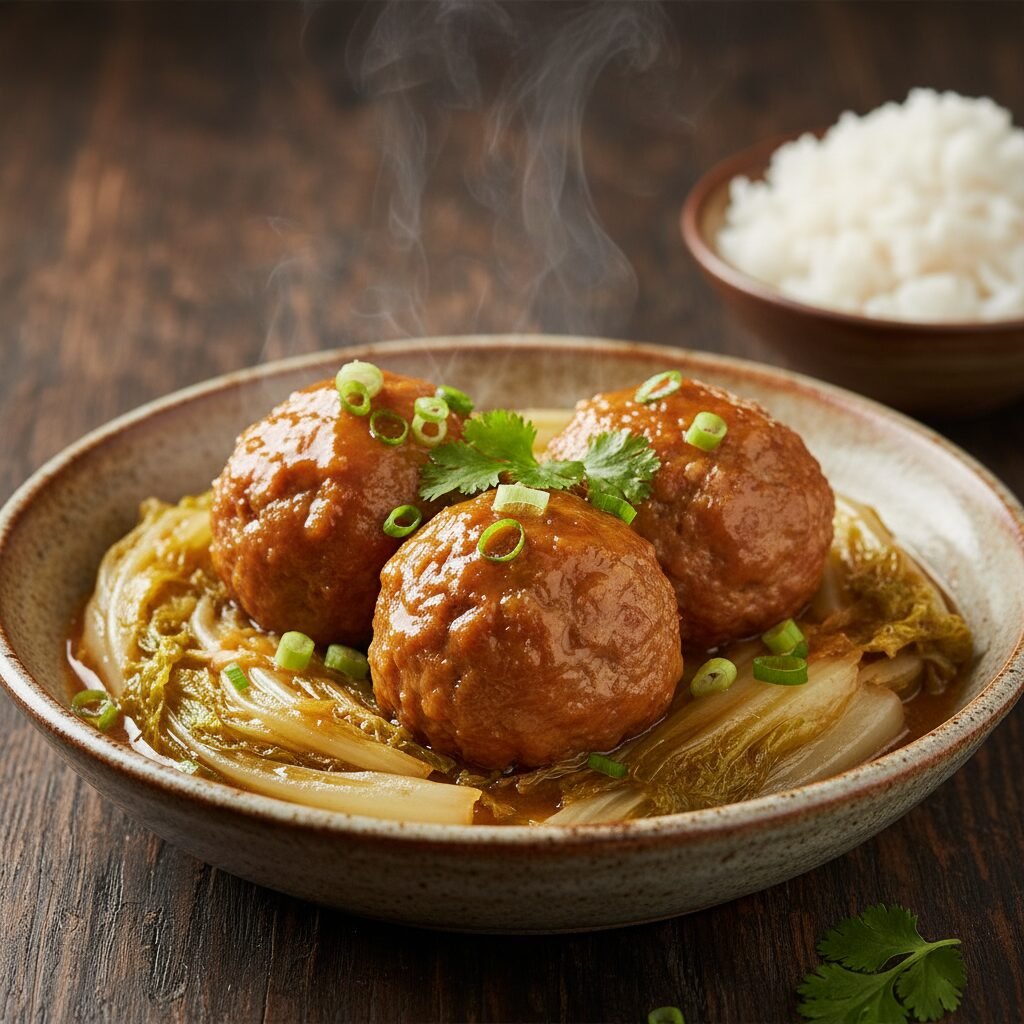
Braised Chinese Lion’s Head Meatballs (Melt-in-Your-Mouth Soft)
Braised Chinese Lion’S Head Meatballs (Melt-In-Your-Mouth Soft)
Get ready to create a truly magical dish that will have your family asking for seconds! These Braised Chinese Lion’s Head Meatballs are incredibly tender, savory, and simmered to melt-in-your-mouth perfection in a rich, flavorful sauce. It’s comfort food at its finest, perfect for a cozy family dinner!
30 minutes
1 hour 30 minutes
2 hours
4-6 servings (6 large meatballs)
Main Course
Braising
Chinese
Pork, Comfort Food
Oh, sweet friends, gather ’round because today we’re diving into a recipe that is pure culinary magic – Braised Chinese Lion’s Head Meatballs! If you’ve ever dreamed of a dish that literally melts in your mouth, leaving behind a symphony of savory flavors, then you are in for the most delightful treat. This isn’t just a meal; it’s an experience, a warm hug in a bowl, and a testament to the power of slow cooking.
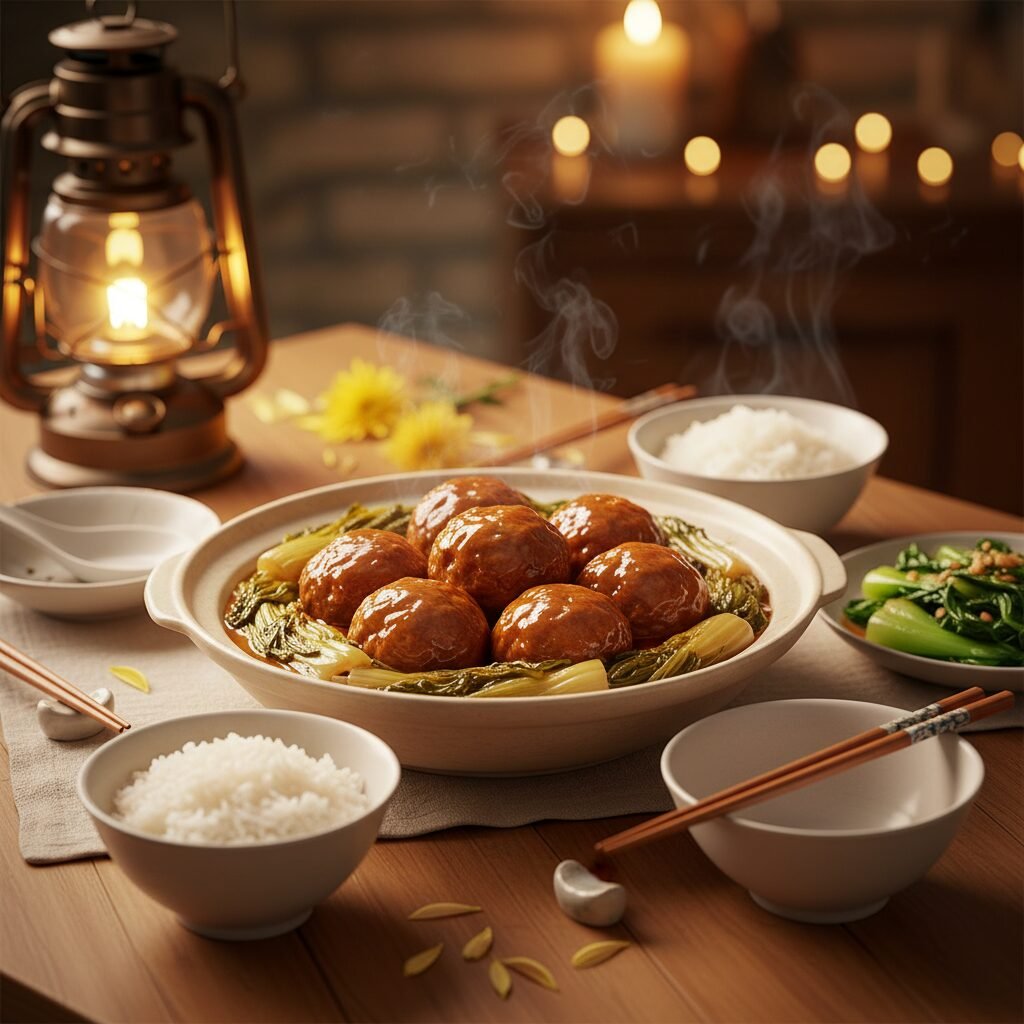
As a busy mom, I know how precious our time is, but I also believe in creating those unforgettable moments around the dinner table. And trust me, this recipe delivers on both fronts! While it might seem a little fancy, I promise you, it’s totally achievable and so incredibly rewarding. Imagine tender, juicy meatballs, lovingly simmered in a rich, aromatic broth with crisp Napa cabbage, absorbing all those wonderful flavors until they are unbelievably soft. It’s the kind of dish that makes everyone slow down, savor each bite, and truly connect over good food.
I first encountered Lion’s Head Meatballs at a family gathering years ago, and I was instantly captivated. The name itself is so intriguing, isn’t it? These aren’t just any meatballs; they’re substantial, impressive, and utterly delicious. Over the years, I’ve tweaked and perfected my own version, focusing on techniques that guarantee that signature melt-in-your-mouth texture. And today, I’m so excited to share all my secrets with you, so you can bring this incredible dish to your own family table. Get ready to impress, delight, and create some beautiful food memories!
History & Origins
The story behind Lion’s Head Meatballs, or Shizi Tou (狮子头) as they’re known in Mandarin, is as rich and captivating as the dish itself! This classic dish hails from the Huaiyang cuisine tradition, one of the four great culinary traditions of China, originating from the Jiangsu province. Huaiyang cuisine is renowned for its delicate flavors, intricate knife work, and beautiful presentation, and Lion’s Head Meatballs are a perfect example of this artistry.
Legend has it that the dish dates back to the Sui Dynasty (581-618 AD). Emperor Yang of Sui was on a tour of Yangzhou and was so enchanted by the local scenery, particularly the ‘Four Great Views,’ that he ordered his royal chefs to create dishes inspired by them. One of these views, the ‘Lion’s Head,’ with its majestic rock formations, inspired a chef to create these large, round meatballs, often served with a ‘mane’ of braised cabbage, resembling a lion’s head. Another tale suggests it was named for its resemblance to the head of a guardian lion statue.
Traditionally, these meatballs are quite large, often the size of a fist, symbolizing prosperity and reunion, making them a popular dish for special occasions and family feasts. The emphasis has always been on achieving an incredibly tender, almost custardy texture, which is a hallmark of authentic Huaiyang cooking. Over centuries, the recipe has been passed down, evolving slightly but always maintaining its core essence: a comforting, flavorful, and truly impressive dish that brings joy to any table.
Why This Recipe Works
Ah, the magic behind that melt-in-your-mouth texture! It’s not just luck, my dears; it’s a beautiful combination of culinary science and thoughtful technique. Let’s break down why these Lion’s Head Meatballs are so incredibly soft and tender:
- The Perfect Pork Blend: We’re using a mix of lean and fatty ground pork. The fat is absolutely crucial here! As the meatballs braise, the fat renders, keeping the meatballs moist and preventing them from drying out. It also contributes immensely to the rich flavor.
- Water or Broth in the Mixture: Adding a bit of water or broth to the ground pork mixture is a game-changer. The meat absorbs this liquid, which then steams during cooking, creating a tender, succulent interior. It’s like giving the meatballs an internal hydration boost!
- Gentle Mixing: Overmixing meatball mixtures is a common culprit for tough meatballs. When you overmix, you develop the protein strands (gluten, essentially, in meat), making them chewy. We want to mix just enough to combine the ingredients, keeping a light hand to maintain that delicate texture.
- The Cornstarch Slurry: A little cornstarch in the mixture helps bind everything together without making it tough, and it also contributes to a slightly smoother, more tender texture.
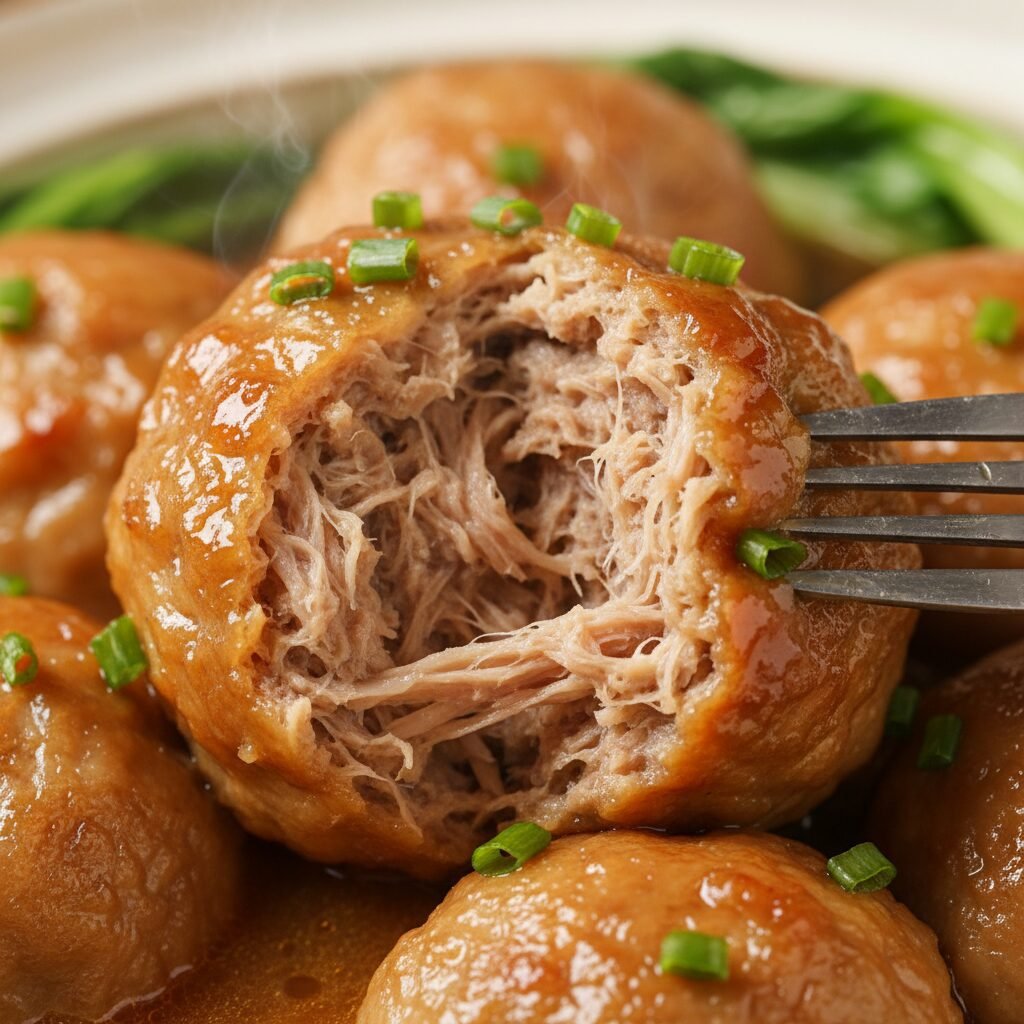
- Slow Braising: This is the real secret sauce! Braising involves cooking the meatballs slowly in a flavorful liquid over low heat for an extended period. This gentle, moist heat breaks down the connective tissues in the pork, transforming them into gelatin. This gelatin is what gives the meatballs their incredible tenderness and succulent mouthfeel. It also allows the flavors of the braising liquid to deeply penetrate the meatballs, infusing them with savory goodness.
- Napa Cabbage: Not only does Napa cabbage add a lovely freshness and slight sweetness, but its high water content also contributes to the moist environment during braising, further aiding in the tenderization process.
Each step is designed to work in harmony, ensuring that every bite of these Lion’s Head Meatballs is an absolute dream. It’s a testament to how simple techniques, when applied thoughtfully, can create truly extraordinary results!
Why You’ll Love This Recipe
- ✓Incredibly tender, melt-in-your-mouth pork meatballs.
- ✓Rich, savory, and aromatic braising sauce.
- ✓A classic Chinese comfort food perfect for family dinners.
- ✓Impressive dish that’s surprisingly achievable for home cooks.
- ✓Features crisp, sweet Napa cabbage that absorbs all the delicious flavors.
- ✓Perfect for meal prepping and enjoying flavorful leftovers.
Equipment You’ll Need
- ✓Large mixing bowl
- ✓Large Dutch oven or heavy-bottomed pot with a lid
- ✓Measuring cups and spoons
- ✓Sharp knife
- ✓Cutting board
- ✓Spatula or large spoon
- ✓Whisk
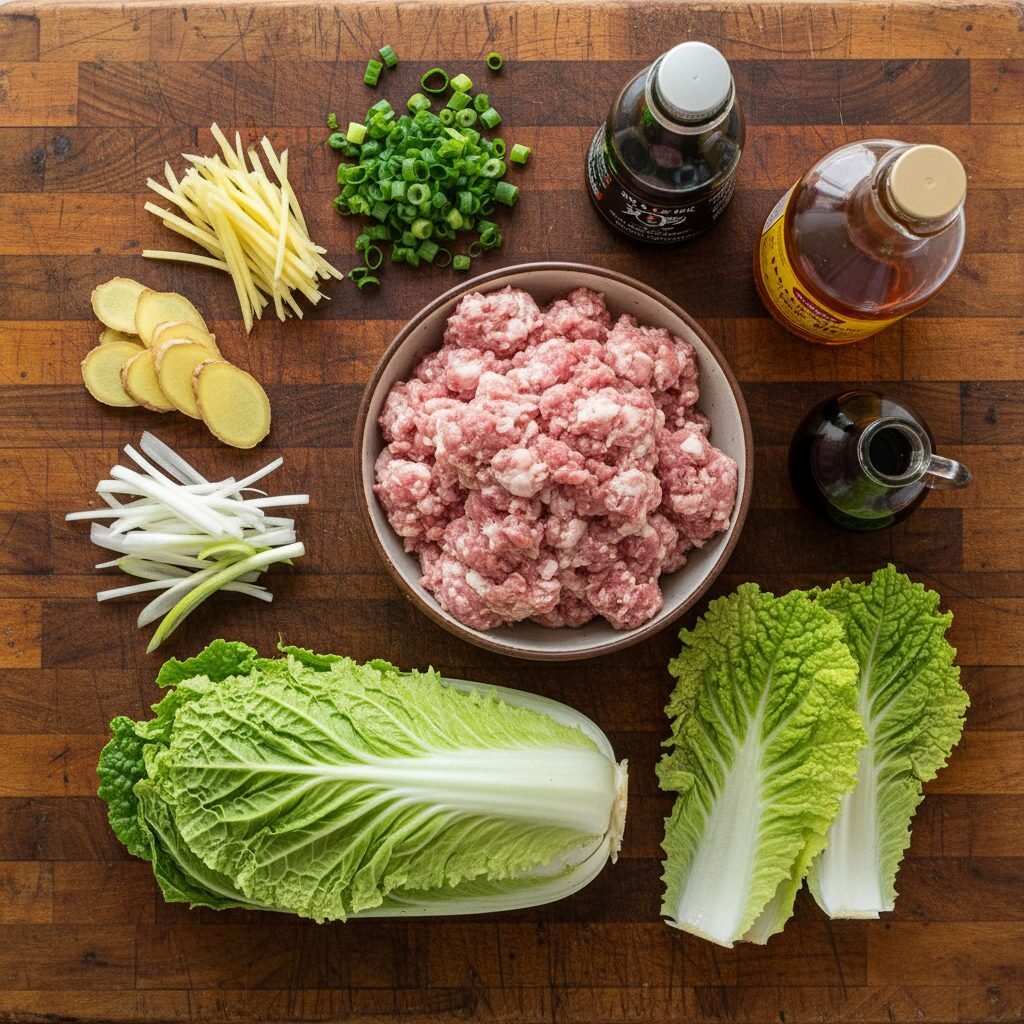
Ingredients
- ✓For the Meatballs:
- ✓1.5 lbs (680g) ground pork, preferably 70/30 or 80/20 lean/fat ratio
- ✓1/4 cup (60ml) cold water or chicken broth
- ✓2 tablespoons cornstarch
- ✓2 tablespoons Shaoxing wine (or dry sherry)
- ✓1 tablespoon soy sauce
- ✓1 teaspoon sesame oil
- ✓1 inch fresh ginger, grated (about 1 tablespoon)
- ✓2 green onions, finely minced
- ✓1/2 teaspoon white pepper
- ✓1/2 teaspoon salt
- ✓For Braising:
- ✓1 tablespoon vegetable oil (or other neutral oil)
- ✓1 large head Napa cabbage (about 2 lbs / 900g), cut into 2-inch pieces
- ✓4-5 slices fresh ginger
- ✓2 green onions, cut into 2-inch lengths
- ✓4 cups (960ml) chicken broth (low sodium preferred)
- ✓1/4 cup (60ml) Shaoxing wine (or dry sherry)
- ✓2 tablespoons soy sauce
- ✓1 tablespoon oyster sauce (optional, for extra umami)
- ✓1 teaspoon sugar
- ✓For Garnish (Optional):
- ✓Fresh cilantro, chopped
- ✓Sliced green onions
Instructions
-
Prepare the Meatball Mixture:
- 1. In a large mixing bowl, combine the ground pork, cold water or chicken broth, cornstarch, Shaoxing wine, soy sauce, sesame oil, grated ginger, minced green onions, white pepper, and salt.
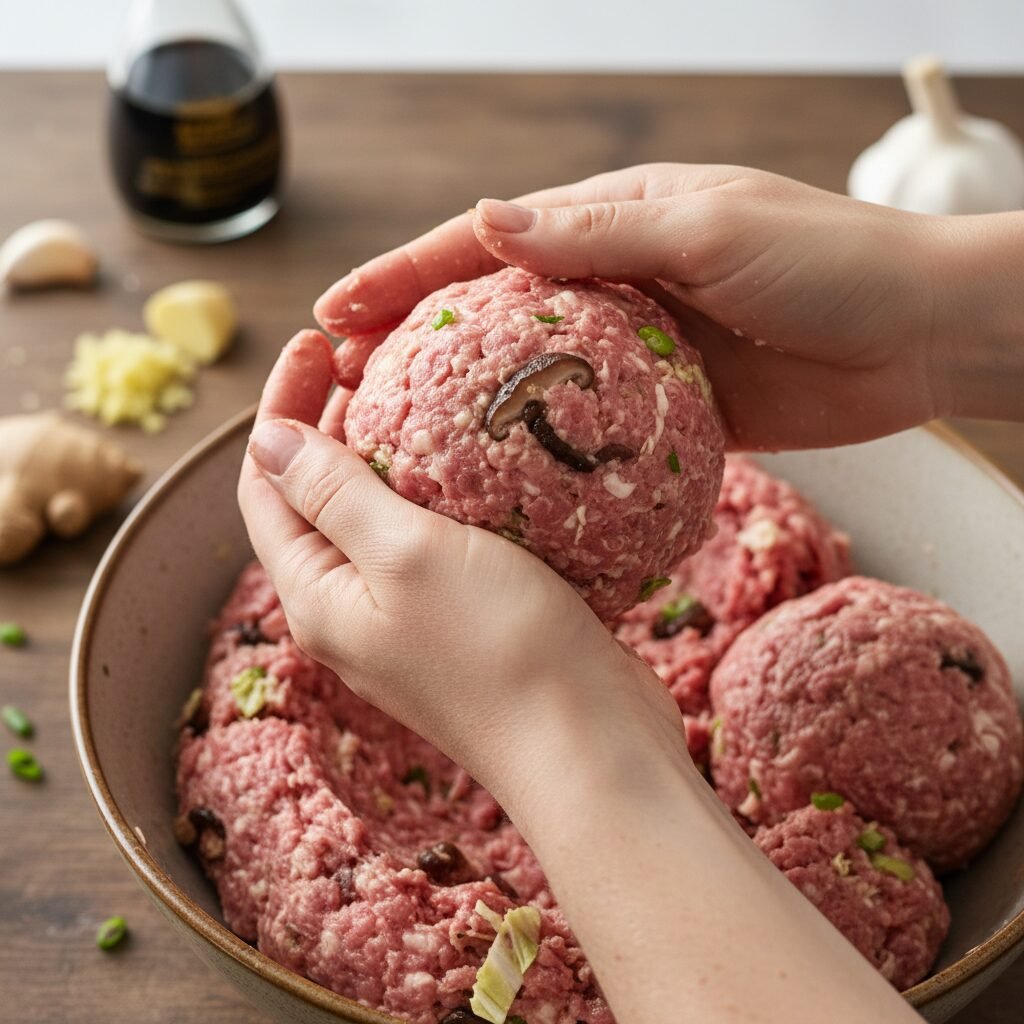
- 2. Using your hands, gently mix the ingredients until just combined. Be careful not to overmix, as this can make the meatballs tough. The mixture should be sticky but hold together.
- 3. Divide the mixture into 6 equal portions. Gently form each portion into a large, round meatball, about the size of a tennis ball. Don’t pack them too tightly; a slightly looser formation helps with tenderness.
-
Sear the Meatballs:
- 4. Heat 1 tablespoon vegetable oil in a large Dutch oven or heavy-bottomed pot over medium-high heat.
- 5. Carefully place the meatballs into the hot oil, ensuring not to overcrowd the pot. You may need to do this in batches. Sear the meatballs for 2-3 minutes on each side until lightly browned all over. This step helps to lock in juices and build flavor. Remove the meatballs from the pot and set aside.
-
Braise the Meatballs:
- 6. In the same pot (no need to clean it!), add the Napa cabbage, ginger slices, and green onion lengths. Sauté for 3-5 minutes until the cabbage starts to wilt slightly.
- 7. Return the seared meatballs to the pot, nestling them among the cabbage.
- 8. In a separate bowl, whisk together the chicken broth, Shaoxing wine, soy sauce, oyster sauce (if using), and sugar. Pour this braising liquid over the meatballs and cabbage. The liquid should come about halfway up the meatballs; if not, add a little more broth or water.
- 9. Bring the liquid to a gentle simmer. Once simmering, reduce the heat to low, cover the pot tightly with a lid, and braise for 1 hour and 30 minutes. The goal is a very gentle simmer, almost a slow bubble.
- 10. During braising, occasionally check the liquid level and gently spoon some of the sauce over the meatballs to keep them moist and infuse flavor. If the liquid reduces too much, add a splash more broth or water.
-
Serve:
- 11. Once braised, the meatballs should be incredibly tender and easily pierced with a fork. Carefully transfer the meatballs and braised cabbage to a serving platter or individual bowls.
- 12. Spoon the rich braising sauce over the meatballs and cabbage. Garnish with fresh chopped cilantro and sliced green onions, if desired.
- 13. Serve immediately with steamed white rice to soak up all that glorious sauce. Enjoy your melt-in-your-mouth masterpiece!
Expert Cooking Tips
- ✓Don’t Overmix the Pork: This is the number one rule for tender meatballs! Mix just until combined. Overmixing develops tough protein strands.
- ✓Use Cold Liquid: Adding cold water or broth to the meat mixture helps keep the fat emulsified and contributes to a juicier, more tender meatball.
- ✓Gentle Handling: When forming and searing the meatballs, handle them gently. They are delicate before braising.
- ✓Low and Slow is Key: The long, slow braising process is what truly breaks down the pork and creates that signature melt-in-your-mouth texture. Don’t rush it!
- ✓Taste the Braising Liquid: Before adding the meatballs for braising, taste the liquid and adjust seasonings (soy sauce, sugar) to your preference.
- ✓Choose the Right Pot: A heavy-bottomed Dutch oven or pot with a tight-fitting lid is essential for even heat distribution and preventing liquid evaporation during the long braise.
Substitutions and Variations
Life happens, and sometimes we don’t have every ingredient on hand! Here are a few easy substitutions to keep your Lion’s Head Meatballs journey smooth:
- Shaoxing Wine: If you can’t find Shaoxing wine, dry sherry is an excellent substitute. For an alcohol-free option, use chicken broth with a splash of rice vinegar.
- Ground Pork: While pork is traditional, you could try a blend of ground pork and ground chicken or turkey for a lighter version, though the texture might be slightly different. Ensure there’s still some fat content for moisture.
- Napa Cabbage: Bok choy or even regular green cabbage can be used, though Napa cabbage offers a unique sweetness and tenderness that is ideal for this dish.
- Oyster Sauce: If you don’t have oyster sauce or prefer not to use it, you can omit it. It adds an extra layer of umami, but the dish will still be delicious without it. A dash more soy sauce and a pinch of sugar can help compensate.
- Cornstarch: A small amount of all-purpose flour can be used as a binder if you don’t have cornstarch, but cornstarch generally gives a lighter texture.
Common Mistakes to Avoid
Even the most seasoned home cooks can make a few missteps! Here are the common mistakes to watch out for when making Lion’s Head Meatballs, so you can avoid them and achieve perfection:
- Overmixing the Meat: This is the cardinal sin of meatball making! Overmixing develops the proteins, leading to tough, rubbery meatballs instead of tender ones. Mix just until everything is incorporated.
- Not Searing the Meatballs: Skipping the searing step means missing out on a crucial layer of flavor. Searing creates a delicious crust and helps the meatballs hold their shape during braising.
- Braising at Too High a Heat: A rolling boil will break down your delicate meatballs and make them tough. A gentle, barely-there simmer is what you’re aiming for. Low and slow is the mantra here!
- Not Enough Liquid: If your braising liquid evaporates too quickly, your meatballs can dry out or stick to the bottom of the pot. Keep an eye on it and add more broth if needed.
- Rushing the Braising Time: The long braise is essential for tenderizing the pork. Don’t cut it short! Patience is a virtue in this recipe.
- Too Much Binder: Adding too much cornstarch or other binders can make the meatballs dense. Stick to the recommended amount for that perfect, light texture.
Serving Suggestions
These Braised Chinese Lion’s Head Meatballs are a star on their own, but they truly shine when paired with a few simple accompaniments. My absolute favorite way to serve them is with a generous helping of steamed white rice. The rice is perfect for soaking up every last drop of that incredible, savory braising sauce – trust me, you won’t want to waste a single bit!
For a complete meal, consider adding a simple side of steamed or stir-fried green vegetables, like blanched gai lan (Chinese broccoli) with a drizzle of oyster sauce, or some sautéed snow peas. A light, refreshing cucumber salad with a sesame dressing would also be a wonderful contrast to the rich meatballs. And for those who love a little extra kick, a tiny dash of chili oil on the side can add a delightful zing! Don’t forget to garnish with fresh cilantro and green onions for that pop of color and freshness.
Storage and Reheating Tips
One of the best things about Braised Chinese Lion’s Head Meatballs is that they taste even better the next day as the flavors have more time to meld! Here’s how to store them:
- Refrigeration: Allow the meatballs and sauce to cool completely to room temperature. Transfer them to an airtight container. They will keep beautifully in the refrigerator for up to 3-4 days.
- Freezing: These meatballs freeze wonderfully! Once completely cooled, transfer the meatballs and a good amount of the braising sauce to freezer-safe containers or heavy-duty freezer bags. Ensure there’s enough sauce to cover the meatballs to prevent freezer burn. They can be frozen for up to 2-3 months. Thaw overnight in the refrigerator before reheating.
- Reheating: Gently reheat the meatballs and sauce on the stovetop over low heat, adding a splash of broth or water if the sauce has thickened too much. You can also reheat them in the microwave, covered, until heated through. Be careful not to overheat, as this can dry them out.
Nutrition Facts (Estimated)
| Serving Size | 1 meatball with sauce and cabbage |
| Calories | 450 kcal |
| Fat | 30g |
| Saturated Fat | 10g |
| Unsaturated Fat | 18g |
| Trans Fat | 0g |
| Cholesterol | 100mg |
| Sodium | 850mg |
| Carbohydrates | 15g |
| Fiber | 3g |
| Sugar | 8g |
| Protein | 28g |
Frequently Asked Questions
Can I make these meatballs ahead of time?
Absolutely! In fact, Lion’s Head Meatballs often taste even better the next day as the flavors deepen. You can prepare and braise them completely, then store them in the refrigerator for up to 3-4 days. Reheat gently on the stovetop or in the microwave.
What kind of ground pork should I use?
For the best melt-in-your-mouth texture, I recommend using ground pork with a good fat content, like 70/30 or 80/20 lean/fat ratio. The fat is crucial for moisture and tenderness during the long braise.
Can I bake or air fry the meatballs instead of searing?
While searing adds a wonderful depth of flavor and helps the meatballs hold their shape, you could gently bake them at 375°F (190°C) for 15-20 minutes until lightly browned, or air fry at 375°F (190°C) for 10-12 minutes. However, I highly recommend searing for the best flavor development.
My meatballs fell apart during braising. What went wrong?
This can happen if the meat mixture was overmixed (making it too loose), or if the braising liquid was boiling too vigorously. Ensure you mix gently and maintain a very low, gentle simmer during the braising process.
Is Shaoxing wine essential?
Shaoxing wine adds a unique depth and aroma that is characteristic of Chinese cooking. While dry sherry is a good substitute, for the most authentic flavor, I recommend using Shaoxing wine. For an alcohol-free option, use chicken broth with a splash of rice vinegar.
Can I add other vegetables to the braise?
Yes, absolutely! While Napa cabbage is traditional, you can certainly add other quick-cooking vegetables like sliced carrots, mushrooms, or even some baby bok choy during the last 30 minutes of braising for extra nutrition and flavor.
How do I make the sauce thicker?
If you prefer a thicker sauce, after removing the meatballs and cabbage, you can create a cornstarch slurry (1 tablespoon cornstarch mixed with 2 tablespoons cold water) and whisk it into the simmering braising liquid. Cook for 1-2 minutes until thickened to your desired consistency.
Can I make this gluten-free?
To make this dish gluten-free, ensure you use gluten-free soy sauce (tamari) and verify that your oyster sauce (if using) is also gluten-free. Cornstarch is naturally gluten-free. Shaoxing wine is generally considered gluten-free, but if you’re highly sensitive, opt for dry sherry or broth.
Conclusion
And there you have it, my sweet friends – a truly spectacular dish that will undoubtedly become a cherished favorite in your home! Braised Chinese Lion’s Head Meatballs are more than just a recipe; they’re an invitation to slow down, savor, and create beautiful memories around the dinner table. That incredible melt-in-your-mouth texture, the rich savory sauce, the tender cabbage – it all comes together in a symphony of comfort and flavor that is simply irresistible.
I truly hope you feel inspired to try this recipe and experience the joy of making something so special from scratch. Don’t be intimidated by the steps; each one builds towards that glorious final result. Imagine the smiles on your family’s faces as they take that first tender bite! It’s moments like these that make all the effort worthwhile. Happy cooking, and may your kitchen always be filled with love and delicious aromas!