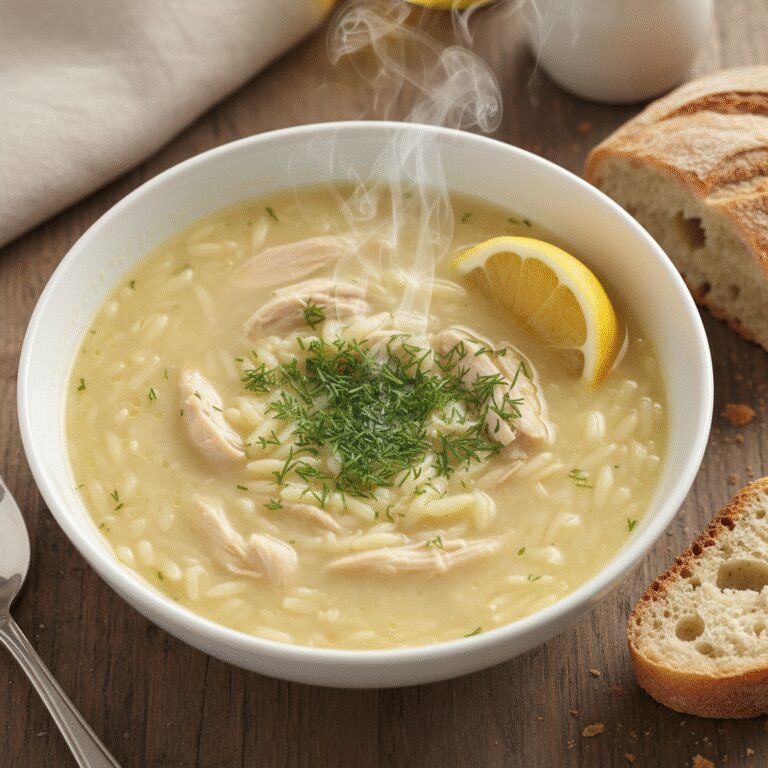
Asopao: The Puerto Rican Chicken Soup That Cures Any Cold Instantly
Asopao: The Puerto Rican Chicken Soup That Cures Any Cold Instantly
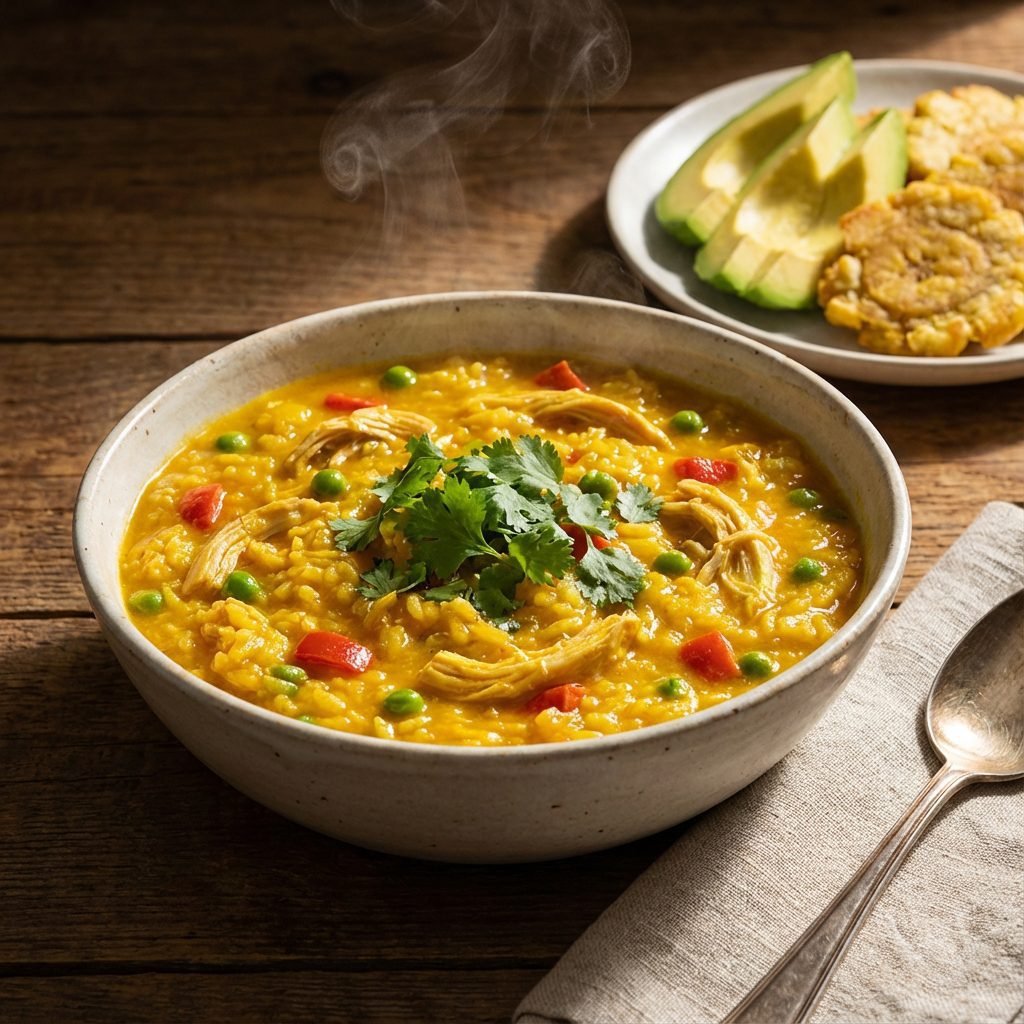
In the heart of every Puerto Rican kitchen lies a recipe that transcends mere sustenance, a dish that embodies comfort, tradition, and the restorative power of a home-cooked meal. That dish is Asopao de Pollo. More than just a chicken and rice soup, Asopao is a hearty, soupy stew, a culinary hug in a bowl. Its name, derived from the Spanish word ‘sopón’ meaning a large, hearty soup, perfectly captures its essence. Often hailed as the island’s answer to a cold, flu, or even a broken heart, this one-pot wonder is a symphony of savory flavors, built upon the foundational trinity of Puerto Rican cooking: sofrito, adobo, and sazón. Whether you’re feeling under the weather or simply craving a taste of authentic Caribbean comfort, this recipe will guide you through creating a soul-soothing Asopao that feels like a warm embrace from a Boricua grandmother.
20 minutes
50 minutes
1 hour 10 minutes
6-8 servings
Main Course
One-Pot Cooking
Puerto Rican
Gluten-Free
Why You’ll Love This Recipe
- Authentic Puerto Rican comfort food
- A hearty one-pot meal, perfect for weeknights
- Naturally gluten-free
- Customizable consistency, from soupy to stew-like
- Packed with savory, aromatic flavors
Equipment You’ll Need
- Large heavy-bottomed pot or Dutch oven (caldero)
- Cutting board
- Chef’s knife
- Measuring cups and spoons
- Wooden spoon or spatula
Ingredients
- 2 lbs bone-in, skin-on chicken thighs, cut into 2-inch pieces
- 2 tablespoons Adobo seasoning
- 1 teaspoon black pepper
- 1 teaspoon dried oregano
- 2 tablespoons olive oil or annatto oil (aceite de achiote)
- 1 large yellow onion, finely chopped
- 1 green bell pepper, finely chopped
- 4 cloves garlic, minced
- 1/2 cup sofrito (store-bought or homemade)
- 1/4 cup tomato sauce
- 1 packet Sazón con Culantro y Achiote
- 8 cups low-sodium chicken broth
- 1/2 cup pimiento-stuffed green olives, halved
- 2 tablespoons capers (optional)
- 1 bay leaf
- 1 cup medium-grain rice, uncooked
- 1 cup frozen green peas or canned pigeon peas (gandules), drained
- 1/2 cup chopped fresh cilantro
- For garnish: sliced avocado, lime wedges, hot sauce (pique)
Instructions
- Pat the chicken pieces dry with a paper towel. In a large bowl, toss the chicken with Adobo seasoning, black pepper, and oregano until evenly coated.
- Heat the olive oil in a large Dutch oven or caldero over medium-high heat. Add the seasoned chicken pieces in a single layer (work in batches if necessary) and sear on all sides until golden brown, about 5-7 minutes. Remove the chicken from the pot and set aside.
- Reduce the heat to medium. Add the chopped onion and bell pepper to the pot, scraping up any browned bits from the bottom. Sauté until softened, about 5 minutes.
- Stir in the minced garlic and sofrito. Cook for another 2 minutes until fragrant.
- Add the tomato sauce and the Sazón packet, stirring to combine. Cook for 1 minute to deepen the flavors.
- Return the seared chicken to the pot. Pour in the chicken broth, then add the olives, capers (if using), and bay leaf. Bring the mixture to a boil.
- Once boiling, reduce the heat to a simmer, cover the pot, and cook for 20 minutes to allow the chicken to become tender and the flavors to meld.
- Stir in the uncooked rice. Bring the mixture back to a gentle simmer, then cover and cook for another 20-25 minutes, stirring occasionally to prevent the rice from sticking to the bottom. The rice should be tender and the Asopao should have a thick, soupy consistency.
- Once the rice is cooked, remove the pot from the heat. Remove the bay leaf. Stir in the frozen peas and fresh cilantro. Let it sit for 5 minutes for the peas to heat through.
- Ladle the hot Asopao into bowls. Serve immediately with sliced avocado, lime wedges, and a dash of Puerto Rican hot sauce (pique) on the side.
Expert Cooking Tips
- For the richest flavor, use bone-in chicken thighs. The bones and skin render fat and collagen, creating a more luscious broth.
- The consistency of Asopao is a personal preference. If you prefer it more like a soup, add an extra cup of chicken broth. For a thicker, stew-like result, let it simmer uncovered for the last 5 minutes.
- Stirring is key, especially after adding the rice. This prevents the rice from clumping and sticking to the bottom of the pot.
- Taste and adjust seasoning before serving. It may need a bit more salt or a squeeze of lime to brighten the flavors.
Substitutions and Variations
For a seafood version (Asopao de Camarones), substitute the chicken with 1.5 lbs of large, peeled shrimp. Add the shrimp during the last 5-7 minutes of cooking to prevent them from becoming tough. You can also use pork shoulder, cut into cubes, searing it well at the beginning. For a vegetarian option, replace chicken with hearty vegetables like potatoes, carrots, and corn, and use a robust vegetable broth.
Common Mistakes to Avoid
The most common mistake is overcooking the rice, which can turn the Asopao into a mushy risotto-like dish. Add the rice at the specified time and cook until just tender. Another pitfall is not browning the chicken properly; the searing step builds a crucial layer of flavor that enriches the entire dish. Finally, don’t forget to stir occasionally, as the rice starches can easily cause the bottom to scorch.
Serving Suggestions
Asopao is a complete meal in itself, but it is traditionally served with tostones (twice-fried green plantains) for dipping and scooping. A simple side of sliced, ripe avocado provides a creamy, cooling contrast to the savory stew. A small bowl of pique (Puerto Rican hot sauce) on the table allows everyone to customize their heat level.
Storage and Reheating Tips
Store leftover Asopao in an airtight container in the refrigerator for up to 4 days. Be aware that the rice will continue to absorb the liquid as it sits, making the leftovers much thicker. To reheat, add a splash of chicken broth or water to the pot or microwave-safe bowl to loosen the consistency and restore its soupy texture.
Nutrition Facts (Estimated)
| Serving Size | 1.5 cups |
| Calories | 410 kcal |
| Fat | 15 g |
| Saturated Fat | 4 g |
| Unsaturated Fat | 10 g |
| Trans Fat | 0 g |
| Cholesterol | 85 mg |
| Sodium | 850 mg |
| Carbohydrates | 38 g |
| Fiber | 4 g |
| Sugar | 5 g |
| Protein | 29 g |
Frequently Asked Questions
What is the difference between Asopao and chicken and rice?
The main difference is consistency. While chicken and rice (Arroz con Pollo) is a relatively dry dish where the rice absorbs all the liquid, Asopao is intentionally a wet, soupy stew. It falls somewhere between a traditional soup and a risotto.
Can I use long-grain rice like Basmati or Jasmine?
You can, but it will change the texture. Medium-grain rice like Valencia or Calrose is preferred because it releases the right amount of starch to thicken the broth without becoming overly mushy. Long-grain rice will result in a brothier, less integrated consistency.
Is Asopao spicy?
No, traditional Asopao is not spicy. It is deeply savory and aromatic. The heat is typically added by the diner at the table using a hot sauce called pique.
Conclusion
Asopao de Pollo is more than a recipe; it’s a cherished tradition and a culinary cure-all. Every spoonful is a testament to the rich, layered flavors of Puerto Rican cuisine. It’s a dish that nourishes the body and comforts the soul, proving that sometimes the most powerful medicine comes not from a pharmacy, but from a pot simmering lovingly on the stove. We hope this recipe brings the warmth and love of a Puerto Rican kitchen into your home.