3 Ingredient Hot Water Cornbread Fried to Golden Perfection
3 Ingredient Hot Water Cornbread Fried To Golden Perfection
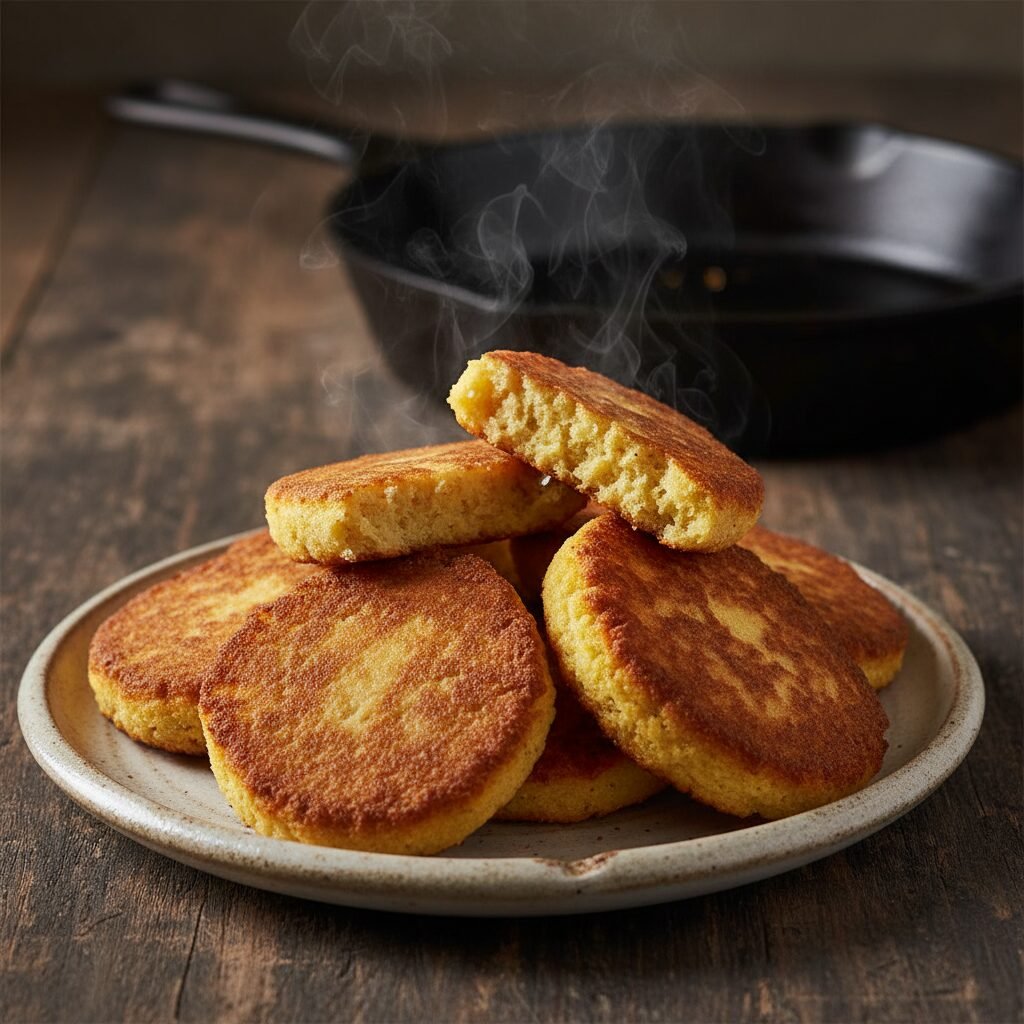
There is a unique and profound magic in recipes that create something extraordinary from the humblest of ingredients. Hot water cornbread is the epitome of this culinary alchemy. A cornerstone of Southern and Soul Food traditions, this recipe transforms nothing more than cornmeal, salt, and boiling water into a culinary treasure. Forget the cake-like, sweet cornbread you might be used to. This is something far more rustic, elemental, and, some would argue, more satisfying. Each patty boasts shatteringly crisp, golden-brown edges that give way to a soft, steamy, and tender interior. The flavor is pure, unadulterated corn—a taste of history and hearth. It’s the kind of food that connects generations, a simple side dish that often steals the show, perfect for sopping up savory potlikker from a bowl of greens or enjoying on its own. This recipe is a tribute to that beautiful simplicity, proving that you don’t need a pantry full of ingredients to create a dish that is deeply comforting and utterly delicious.
5 minutes
15 minutes
20 minutes
8-10 small patties
Side Dish
Pan-Frying
Southern American
Gluten-Free
Why You’ll Love This Recipe
- Made with only 3 basic pantry staples: cornmeal, salt, and water.
- Incredibly fast and easy, ready in under 20 minutes.
- An authentic, time-honored Southern classic.
- Achieves a perfect texture: crispy outside, soft and steamy inside.
- Naturally gluten-free, vegetarian, and vegan.
Equipment You’ll Need
- Medium heat-proof mixing bowl
- Whisk or fork
- Large heavy-bottomed skillet (cast iron is highly recommended)
- Thin metal spatula or fish turner
- Plate lined with paper towels
- Measuring cups and spoons
Ingredients
- 1 cup fine-ground yellow cornmeal
- 1/2 teaspoon kosher salt
- 1 to 1 1/4 cups boiling water
- 1/3 cup neutral, high-smoke-point oil for frying (e.g., vegetable, canola, or peanut oil)
Instructions
- In a medium heat-proof bowl, whisk together the cornmeal and salt until well combined.
- Bring your water to a rolling boil in a kettle or small saucepan. This step is critical; hot tap water will not work.
- Carefully and slowly pour 1 cup of the boiling water into the cornmeal mixture while whisking constantly. The mixture will thicken immediately as the cornmeal absorbs the water and its starches begin to gelatinize.
- Continue mixing until you have a smooth, thick batter, similar to the consistency of thick oatmeal or polenta. If it seems too stiff, add more boiling water, one tablespoon at a time, until it’s a scoopable but not runny consistency. Let the batter rest for 5 minutes.
- While the batter rests, pour the oil into your large skillet to a depth of about 1/4 inch. Heat over medium-high heat until the oil is shimmering and hot, about 350-360°F (175-180°C). A drop of batter should sizzle vigorously when it hits the oil.
- Using a large spoon or a small ice cream scoop, carefully drop portions of the batter (about 2 tablespoons each) into the hot oil. Use the back of the spoon to gently flatten each portion into a small, round patty, about 1/2-inch thick.
- Do not crowd the pan. Fry in batches of 3-4 patties at a time to maintain the oil temperature.
- Fry for 3-4 minutes per side, until the edges are deep golden brown and crispy. The cornbread is delicate, so use a thin spatula to flip it carefully.
- Once both sides are beautifully browned and crisp, transfer the patties to the paper towel-lined plate to drain any excess oil.
- Serve immediately while hot and crispy.
Expert Cooking Tips
- The Water MUST Be Boiling: This is the most crucial step. Boiling water ‘blooms’ the cornmeal, cooking it slightly and creating the signature soft interior and preventing a raw, gritty taste.
- Choosing Your Cornmeal: Fine-ground cornmeal yields a smoother texture. Stone-ground varieties will offer a more rustic texture and robust corn flavor. Do not use cornstarch or corn flour.
- Get the Batter Consistency Right: The ideal batter is like a thick, spreadable paste. Too dry, and the cornbread will be dense; too wet, and it will fall apart in the hot oil.
- Master the Oil Temperature: The oil must be sufficiently hot. If it’s too cool, the patties will absorb too much oil and become greasy. If it’s scorching hot, the outside will burn before the inside is cooked through. A consistent sizzle is what you’re looking for.
- Fry in Batches: Overcrowding the skillet will cause the oil temperature to drop, leading to soggy, oily results. Give each patty plenty of space to fry to crispy perfection.
Substitutions and Variations
Given its simplicity, this recipe has few direct substitutions. The type of cornmeal (yellow or white, fine or medium grind) is the main variable. For a traditional, savory flavor, you can substitute bacon grease or lard for the neutral oil, though this makes the recipe non-vegetarian. For a slightly sweeter version, a tablespoon of sugar can be added to the dry ingredients, though this deviates from the most traditional form.
Common Mistakes to Avoid
The most frequent error is not using boiling water, which results in a gritty texture and patties that may fall apart. Another common mistake is having the oil at the wrong temperature; oil that isn’t hot enough will create greasy cornbread. Finally, making the patties too thick can lead to a cooked exterior with an undercooked, doughy center. Aim for patties no more than 1/2-inch thick for even cooking.
Serving Suggestions
Hot water cornbread is the quintessential partner for any dish with a flavorful broth or ‘pot liquor’ for dipping. Serve it alongside collard greens, turnip greens, pinto beans, or black-eyed peas. It’s an excellent side for a hearty bowl of chili, beef stew, or gumbo. For a classic Southern breakfast, enjoy it warm with a drizzle of molasses or sorghum syrup, or crumble it into a tall glass of cold buttermilk.
Storage and Reheating Tips
This cornbread is at its absolute best served fresh from the skillet. If you have leftovers, store them in an airtight container at room temperature for up to two days. To revive their crispness, reheat them on a baking sheet in a 350°F (175°C) oven or in a toaster oven for 5-7 minutes. Microwaving is not recommended as it will make them soft and chewy.
Nutrition Facts (Estimated)
| Serving Size | 1 patty |
| Calories | 125 kcal |
| Fat | 7 g |
| Saturated Fat | 1 g |
| Unsaturated Fat | 6 g |
| Trans Fat | 0 g |
| Cholesterol | 0 mg |
| Sodium | 148 mg |
| Carbohydrates | 13 g |
| Fiber | 1 g |
| Sugar | 0.5 g |
| Protein | 1.5 g |
Frequently Asked Questions
What is the difference between hot water cornbread and a cornmeal hoecake or johnnycake?
The terms are often used interchangeably and regional definitions vary, but there are subtle distinctions. Traditional hot water cornbread is defined by its use of boiling water to create a specific texture. Hoecakes are fundamentally the same but were historically cooked on the blade of a hoe over a fire. Johnnycakes, a term more common in New England, often include milk or butter and can be thinner and more crepe-like.
Can I add other ingredients to the batter?
Yes, you can customize it, but it will no longer be the classic 3-ingredient recipe. Common additions include finely chopped onions, jalapeños, or a small amount of cracklins (fried pork fat) for extra flavor and texture. Add these sparingly to not compromise the structure of the patties.
Why is my cornbread greasy?
Greasy cornbread is almost always a result of the frying oil not being hot enough when the batter was added. When the oil is too cool, the batter absorbs it instead of instantly searing and forming a crisp crust. Ensure your oil is shimmering and a test drop of batter sizzles enthusiastically before you begin frying.
Conclusion
In a world of complex recipes and gourmet ingredients, the humble hot water cornbread stands as a powerful reminder of the beauty in simplicity. It’s more than just a side dish; it’s a taste of history, a connection to generations of resourceful cooks who could spin gold from pantry staples. Every crispy bite is a testament to a culinary tradition that values comfort, flavor, and soul above all else. We encourage you to embrace this wonderfully straightforward process and enjoy the deeply satisfying reward. It’s a recipe to master, to share, and to cherish.