The Creamy Tomato Chicken Stroganoff Brazil Is Obsessed With
The Creamy Tomato Chicken Stroganoff Brazil Is Obsessed With
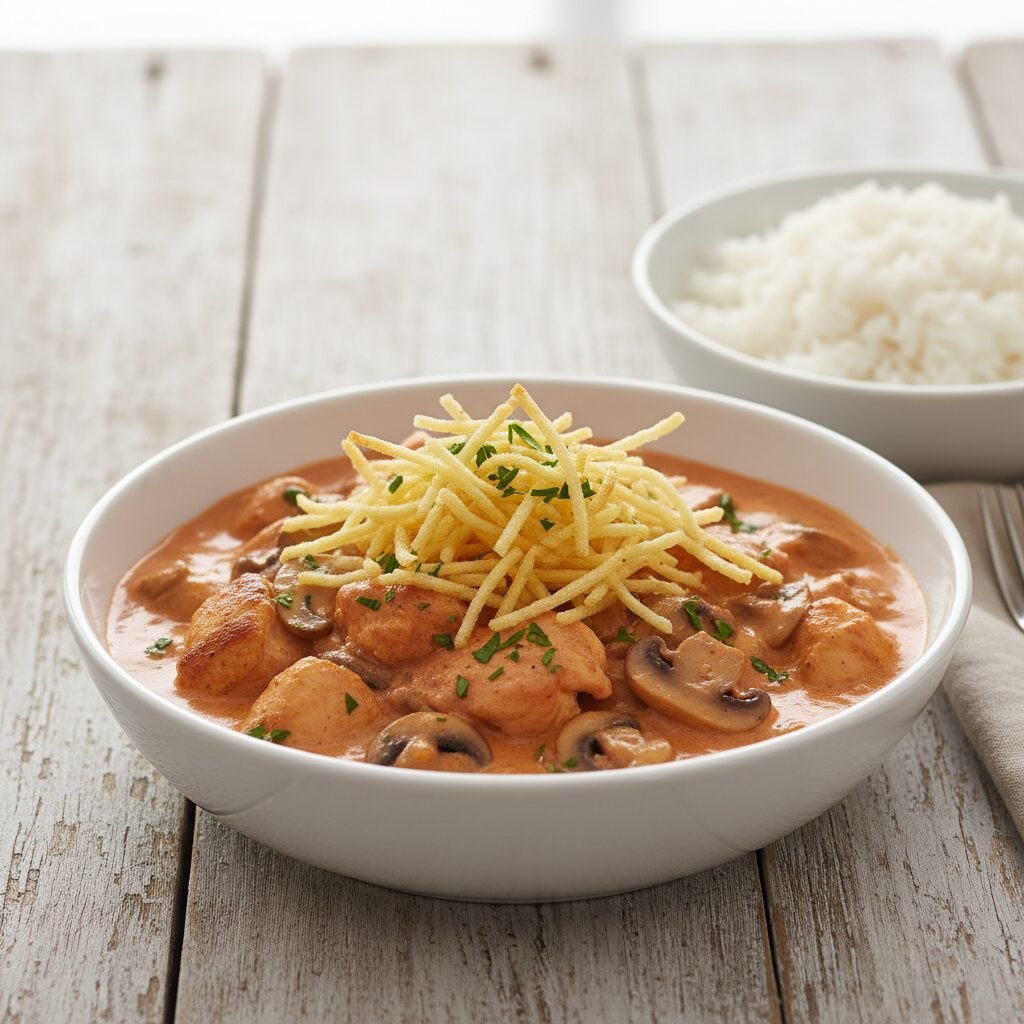
Journey into the heart of Brazilian comfort food with a dish that, while Russian in origin, has been so thoroughly embraced and transformed it’s become a national treasure: Estrogonofe de Frango, or Brazilian Chicken Stroganoff. Forget the muted, sour cream-based sauce you might know. The Brazilian version is a vibrant, creamy, and savory masterpiece, characterized by a rich tomato base, often enhanced with ketchup and mustard, and finished with luscious table cream (creme de leite). This dish is a staple at family gatherings, weeknight dinners, and celebrations across Brazil, beloved for its incredible depth of flavor and its comforting, soulful nature. It represents a beautiful culinary fusion, taking a classic European recipe and infusing it with the warmth and creativity of South American cuisine. In this definitive guide, we will walk you through creating an authentic Brazilian Chicken Stroganoff that is both surprisingly simple to make and guaranteed to become a new favorite in your home.
20 minutes
25 minutes
45 minutes
Serves 4-6
Main Course
Sautéing & Simmering
Brazilian
Standard
Why You’ll Love This Recipe
- Authentic Brazilian flavor profile with a creamy tomato base.
- Quick and easy, perfect for a satisfying weeknight dinner in under an hour.
- A crowd-pleasing, family-friendly meal beloved by both adults and children.
- Features the classic Brazilian serving style with rice and crispy shoestring potatoes.
- Customizable recipe with tips for substitutions and variations.
Equipment You’ll Need
- Large skillet, Dutch oven, or heavy-bottomed pot
- Cutting board
- Chef’s knife
- Measuring cups and spoons
- Wooden spoon or silicone spatula
- Small bowl for mixing sauce ingredients
Ingredients
- 2 lbs (approx. 900g) boneless, skinless chicken breasts, cut into 1-inch cubes
- 1 teaspoon salt, plus more to taste
- 1/2 teaspoon black pepper, freshly ground
- 2 tablespoons olive oil
- 1 tablespoon unsalted butter
- 1 large yellow onion, finely diced
- 3 cloves garlic, minced
- 8 oz (225g) cremini mushrooms, sliced
- 1/4 cup cognac or brandy (optional, for flambé)
- 1/2 cup tomato sauce (passata)
- 1/4 cup ketchup
- 1 tablespoon Dijon mustard
- 1 tablespoon Worcestershire sauce
- 1 1/4 cups heavy cream or Brazilian ‘creme de leite’
- 2 tablespoons fresh parsley, chopped, for garnish
- For serving: Cooked white rice and crispy shoestring potatoes (‘batata palha’)
Instructions
- Season the chicken cubes generously with 1 teaspoon of salt and 1/2 teaspoon of black pepper.
- Heat the olive oil in a large skillet or Dutch oven over medium-high heat. Once shimmering, add the chicken in a single layer, working in batches if necessary to avoid overcrowding the pan. Cook for 3-4 minutes per side, until golden brown and cooked through. Remove the chicken from the skillet and set aside on a plate.
- Reduce the heat to medium and add the butter to the same skillet. Once melted, add the diced onion and cook, stirring occasionally, until softened and translucent, about 5 minutes.
- Add the minced garlic and sliced mushrooms to the skillet. Cook, stirring, until the mushrooms have released their liquid and started to brown, about 6-8 minutes. Season with a small pinch of salt.
- If using, carefully add the cognac or brandy to the skillet. Allow it to warm for a moment, then tilt the pan slightly to flambé (ignite the alcohol) or let it cook off for about 1 minute until the strong alcohol smell dissipates. Use a long lighter if igniting manually and be very careful. This step deglazes the pan and adds immense flavor.
- In a small bowl, whisk together the tomato sauce, ketchup, Dijon mustard, and Worcestershire sauce. Pour this mixture into the skillet and stir to combine with the onions and mushrooms. Bring to a gentle simmer and cook for 2-3 minutes to allow the flavors to meld.
- Return the cooked chicken and any accumulated juices back to the skillet. Stir everything together to coat the chicken in the sauce.
- Remove the skillet from the heat. This is a crucial step to prevent the cream from curdling. Slowly pour in the heavy cream, stirring gently until the sauce is smooth, creamy, and has a uniform pinkish-orange color.
- Return the skillet to low heat if needed to gently warm through, but do not allow it to boil. Taste the stroganoff and adjust seasoning with more salt and pepper if necessary.
- Serve immediately over a bed of fluffy white rice, topped with a generous handful of crispy shoestring potatoes and a sprinkle of fresh parsley.
Expert Cooking Tips
- For the juiciest chicken, ensure you get a good sear on the outside and avoid overcooking. Browning in batches is key to achieving this.
- The quality of your ingredients matters. Using a good quality ketchup and Dijon mustard will significantly impact the final taste of the sauce.
- Always add the cream off the heat or on very low heat. Boiling a dairy-based sauce can cause it to separate or curdle, ruining the texture.
- Don’t skip deglazing the pan. The browned bits (fond) stuck to the bottom of the skillet after cooking the chicken are packed with flavor. The cognac, or even a splash of chicken broth, will lift them into the sauce.
- Let the mushrooms brown properly. Allowing them to cook until their moisture evaporates and they begin to caramelize develops a deeper, more savory flavor.
Substitutions and Variations
For a different protein, you can easily substitute the chicken with beef sirloin strips for a classic ‘Estrogonofe de Carne’ or even shrimp. For a vegetarian version, use a firm tofu or a heartier mix of wild mushrooms. The heavy cream can be replaced with Brazilian ‘creme de leite’ for authenticity, or a mix of sour cream and milk for a tangier, lighter sauce, though the texture will be different. If you don’t consume alcohol, simply skip the cognac and deglaze the pan with a splash of chicken or vegetable broth.
Common Mistakes to Avoid
The most common mistake is boiling the sauce after adding the cream, which causes it to curdle. Always add the cream off the heat and only warm it gently. Another pitfall is under-seasoning; this dish has bold flavors and requires proper seasoning at each stage—season the chicken, the mushrooms, and the final sauce. Finally, don’t rush the browning of the chicken. A pale, steamed chicken will not contribute the same depth of flavor as a properly seared one.
Serving Suggestions
The authentic Brazilian experience is non-negotiable for many: serve the creamy stroganoff over fluffy, long-grain white rice. The crucial final touch is a generous topping of ‘batata palha’—crispy, fried shoestring potatoes that add an irresistible salty crunch and textural contrast. A simple side salad with a light vinaigrette can be served alongside to cut through the richness of the main dish.
Storage and Reheating Tips
Store any leftovers in an airtight container in the refrigerator for up to 3 days. To reheat, gently warm the stroganoff in a saucepan over low heat, stirring occasionally. You may need to add a splash of milk or cream to loosen the sauce as it will thicken upon cooling. Avoid reheating in the microwave, as the high, uneven heat can cause the cream sauce to separate. Freezing is not recommended as dairy-based sauces tend to split and become grainy when thawed.
Nutrition Facts (Estimated)
| Serving Size | 1 serving (approx. 1.5 cups, without rice or potatoes) |
| Calories | 485 kcal |
| Fat | 30g |
| Saturated Fat | 16g |
| Unsaturated Fat | 12g |
| Trans Fat | 0g |
| Cholesterol | 145mg |
| Sodium | 720mg |
| Carbohydrates | 14g |
| Fiber | 2g |
| Sugar | 9g |
| Protein | 38g |
Frequently Asked Questions
What is the difference between Russian and Brazilian Stroganoff?
The primary difference is the sauce base. Traditional Russian Stroganoff uses a base of beef broth and sour cream, giving it a tangy, savory, and often beige-colored profile. Brazilian Stroganoff builds its sauce on a foundation of tomato sauce and/or ketchup along with heavy cream (creme de leite), resulting in a richer, slightly sweeter, and pinkish-hued sauce.
Is the ‘batata palha’ (shoestring potatoes) necessary?
While the dish is delicious on its own, for the full Brazilian experience, the ‘batata palha’ is considered essential. It provides a wonderful crunchy texture and saltiness that contrasts perfectly with the creamy stroganoff and soft rice. You can find it in bags in the snack aisle of many international or Latin American markets.
Can I make this dish ahead of time?
Yes, you can prepare the dish up until the point of adding the cream. Cook the chicken and the tomato-based sauce, then cool and refrigerate. When you’re ready to serve, gently reheat the base sauce and then stir in the cream off the heat just before serving. This ensures the best texture.
Conclusion
Brazilian Chicken Stroganoff is more than just a recipe; it’s a celebration of comfort, flavor, and culinary adaptation. Its creamy, tangy, and savory notes come together in a symphony that explains its wild popularity. By following these steps, you’re not just cooking dinner; you’re recreating a cherished piece of Brazilian culture in your own kitchen. We hope this rich and satisfying dish brings as much joy to your table as it does to countless tables across Brazil.