Tuna Pea Wiggle: The Weirdly Delicious Retro Lunch
Tuna Pea Wiggle: The Weirdly Delicious Retro Lunch
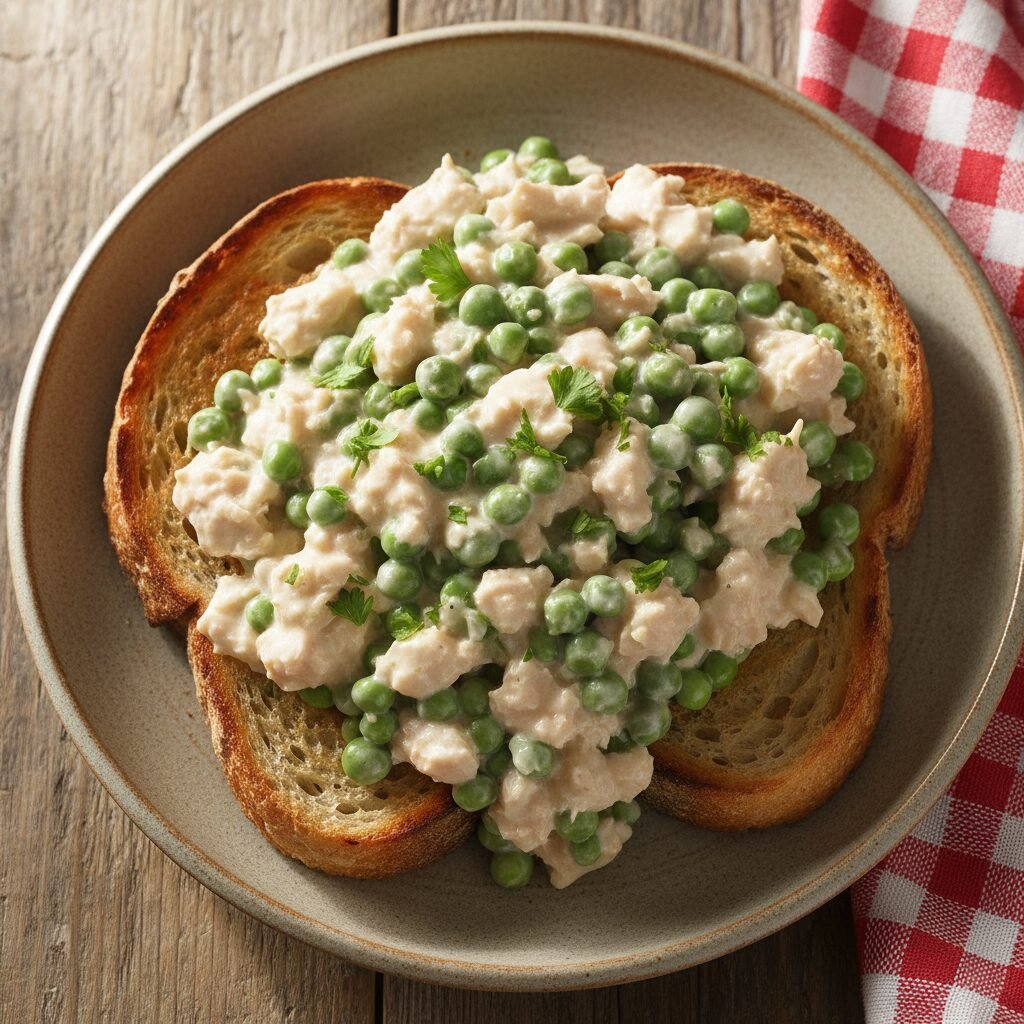
Step into a culinary time machine with a dish that evokes nostalgia, comfort, and a touch of mid-century kitsch: Tuna Pea Wiggle. For some, the name alone conjures images of school cafeterias or quick weeknight dinners from childhood. For others, it’s a culinary curiosity. But don’t let its quirky name or humble origins fool you. At its heart, Tuna Pea Wiggle is a classic creamed tuna and peas served over toast—a dish that is incredibly budget-friendly, lightning-fast to prepare, and deeply satisfying. It’s the American equivalent of a warm hug in a bowl. This recipe celebrates the dish in all its simple glory, proving that some classics are classics for a reason. Forget any preconceived notions and get ready to discover (or rediscover) why this retro lunch has wiggled its way into the hearts of generations.
10 minutes
15 minutes
25 minutes
4-6 servings
Main Course
Stovetop
American
Standard
Why You’ll Love This Recipe
- Ready in under 30 minutes
- Uses common, budget-friendly pantry staples
- A comforting and nostalgic classic
- Easily customizable with different proteins or vegetables
- Perfect for a quick lunch or a simple weeknight dinner
Equipment You’ll Need
- Medium saucepan or large skillet
- Whisk
- Can opener
- Measuring cups and spoons
- Spatula
Ingredients
- 4 tablespoons unsalted butter
- 1/4 cup all-purpose flour
- 2 1/2 cups whole milk, preferably at room temperature
- 1 teaspoon salt, or to taste
- 1/2 teaspoon black pepper, or to taste
- 1/4 teaspoon paprika or a pinch of cayenne (optional)
- 2 (5-ounce) cans tuna in water or oil, drained and flaked
- 1 1/2 cups frozen sweet peas, thawed
- For serving: Toast points, fluffy biscuits, egg noodles, or rice
Instructions
- In a medium saucepan or large skillet over medium heat, melt the butter until it’s foamy.
- Sprinkle the flour over the melted butter and whisk constantly for 1-2 minutes to cook out the raw flour taste. This mixture, called a roux, should be smooth and bubbly.
- Gradually pour in the milk, about a half cup at a time, whisking vigorously after each addition to prevent lumps. Continue whisking until all the milk is incorporated and the mixture is smooth.
- Continue to cook, stirring frequently, for 5-7 minutes, until the sauce (a classic béchamel) has thickened enough to coat the back of a spoon.
- Stir in the salt, pepper, and optional paprika or cayenne. Taste and adjust seasoning as needed.
- Gently fold in the drained, flaked tuna and the thawed peas. Be careful not to break up the tuna too much.
- Reduce the heat to low and cook for another 2-3 minutes, just until the tuna and peas are heated through. Do not let the mixture boil.
- Serve immediately over your choice of toast points, biscuits, egg noodles, or rice. Garnish with fresh parsley if desired.
Expert Cooking Tips
- For a richer sauce, use whole milk or even a splash of heavy cream. For a lighter version, 2% milk works as well.
- Bringing the milk to room temperature or warming it slightly before adding it to the roux helps prevent lumps from forming.
- Don’t over-stir after adding the tuna. You want nice flakes of fish, not a mushy paste.
- Thaw your frozen peas by running them under cool water in a colander for a minute. This ensures they heat up quickly and evenly without cooling down your sauce.
Substitutions and Variations
For a different flavor profile, you can substitute the tuna with canned salmon, shredded cooked chicken, or even small cooked shrimp. To make it gluten-free, use a cup-for-cup gluten-free flour blend. For a dairy-free version, use a plant-based butter and an unsweetened, unflavored plant-based milk like oat or soy milk.
Common Mistakes to Avoid
The most common mistake is creating a lumpy sauce. This happens when cold milk is added too quickly to the hot butter-flour roux. To avoid this, add the milk slowly and whisk constantly. Another pitfall is boiling the mixture after the tuna is added, which can make the fish tough and rubbery. Simply heat it through gently over low heat.
Serving Suggestions
The classic way to serve Tuna Pea Wiggle is ladled generously over thick slices of toasted bread, often cut into triangles (toast points). It’s also fantastic over split, fluffy buttermilk biscuits, on a bed of wide egg noodles, or even served over baked potatoes. For a retro party, serve it in a chafing dish with crackers for dipping.
Storage and Reheating Tips
Store any leftovers in an airtight container in the refrigerator for up to 3 days. The sauce will thicken considerably when chilled. To reheat, warm it gently in a saucepan over low heat, adding a splash of milk as needed to thin the sauce back to its original consistency. Microwaving is possible but can sometimes make the tuna tough.
Nutrition Facts (Estimated)
| Serving Size | 1 cup (without toast) |
| Calories | 380 kcal |
| Fat | 20g |
| Saturated Fat | 12g |
| Unsaturated Fat | 8g |
| Trans Fat | 0g |
| Cholesterol | 75mg |
| Sodium | 650mg |
| Carbohydrates | 25g |
| Fiber | 5g |
| Sugar | 9g |
| Protein | 24g |
Frequently Asked Questions
Can I use fresh tuna instead of canned?
While you could use cooked fresh tuna, this recipe is designed for the specific texture and convenience of canned tuna. Using fresh tuna would significantly change the classic flavor and character of the dish.
Can I add other vegetables?
Absolutely! Finely diced and sautéed carrots, celery, or onions can be added to the butter before the flour. Canned or frozen corn is also a popular addition. Just be sure any hard vegetables are cooked until tender.
Why is it called ‘Tuna Wiggle’?
The exact origin of the name is debated, but the most popular theory is that it refers to the way the creamy mixture ‘wiggles’ or jiggles when spooned onto a plate or toast. It’s a playful name for a simple, comforting dish.
Conclusion
Tuna Pea Wiggle is more than just a recipe; it’s a piece of culinary history. It represents a time when resourcefulness and comfort were paramount in the kitchen. By giving this dish a try, you’re not just making a quick and delicious meal; you’re connecting with a tradition of simple, heartwarming American cooking. So go ahead, give it a wiggle. You might be surprised at how delicious a trip down memory lane can be.