Grandma’s ‘Killed Lettuce’ Salad: The Smoky Side Dish You Need
Grandma’S ‘Killed Lettuce’ Salad: The Smoky Side Dish You Need
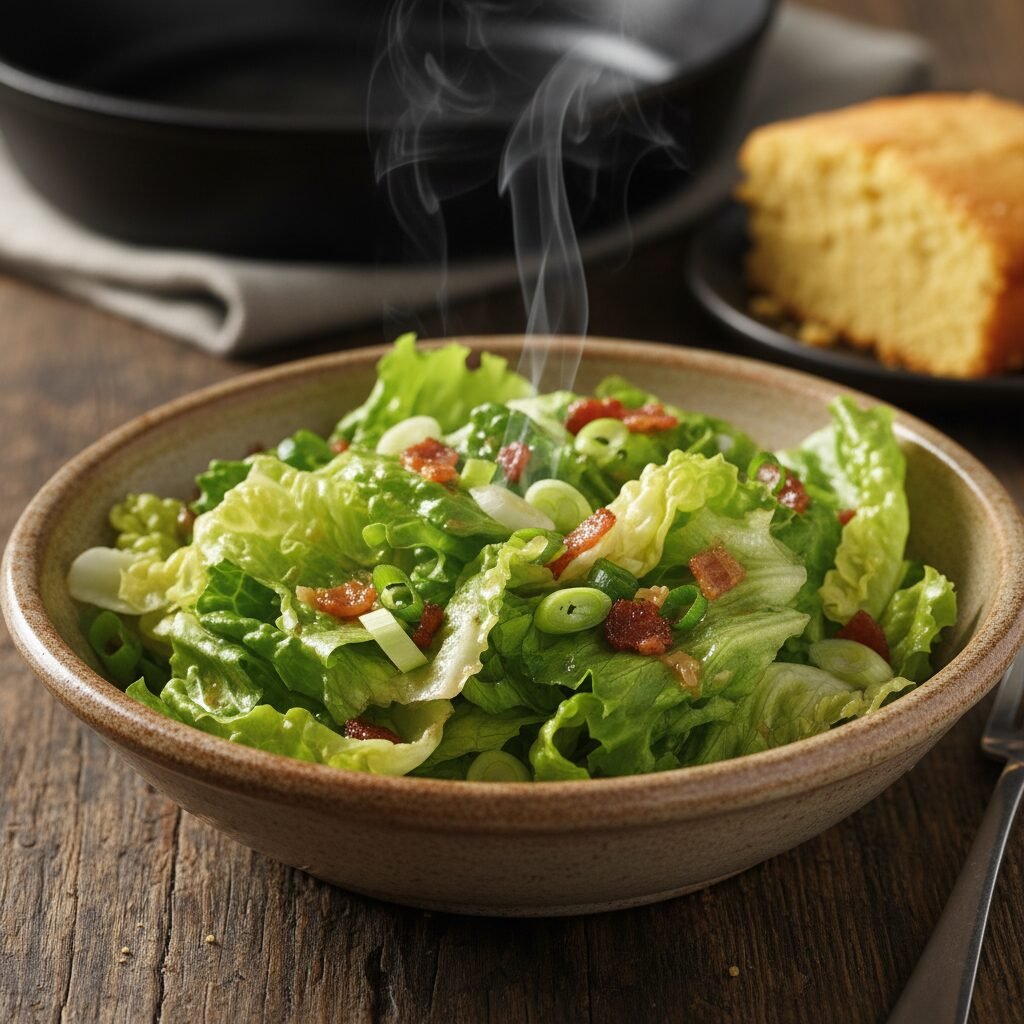
Step back in time to a place where simple ingredients and clever techniques created the most soul-satisfying dishes. Today, we’re unlocking a cherished secret from the Appalachian mountains: ‘Killed Lettuce’ Salad. The name might sound dramatic, but it perfectly captures the magical transformation that occurs when sizzling hot bacon dressing is poured over crisp, fresh lettuce. The leaves instantly wilt, or are ‘killed,’ absorbing the smoky, savory, and tangy flavors of the dressing. This isn’t your typical cold, crisp salad; it’s a warm, comforting side dish that bridges the gap between a fresh green and a cooked vegetable. It’s a testament to heritage cooking, where nothing, not even bacon grease, goes to waste. This recipe is more than just a dish; it’s a story on a plate, a taste of nostalgia that proves the most memorable meals are often the simplest.
5 minutes
10 minutes
15 minutes
4-6 servings
Side Dish
Sautéing
American / Appalachian
Gluten-Free
Why You’ll Love This Recipe
- A unique, smoky flavor from a hot bacon grease vinaigrette.
- A nostalgic Appalachian classic passed down through generations.
- Incredibly quick and easy to make in under 15 minutes.
- Transforms simple lettuce into a warm, wilted, and wonderfully savory side dish.
Equipment You’ll Need
- Large skillet (cast iron is traditional and highly recommended)
- Large heatproof bowl (glass or ceramic works well)
- Slotted spoon
- Whisk
- Knife and cutting board
- Measuring cups and spoons
Ingredients
- 1 large head of leaf lettuce (such as green leaf, red leaf, or bibb), washed, thoroughly dried, and torn into bite-sized pieces (about 8-10 cups)
- 6 slices of thick-cut bacon, chopped into 1/2-inch pieces
- 1/2 cup finely chopped green onions (scallions), both white and green parts
- 1/4 cup apple cider vinegar
- 1 tablespoon granulated sugar
- 1/2 teaspoon freshly ground black pepper
- 1/4 teaspoon salt (adjust to taste, as bacon is already salty)
Instructions
- Prepare the Greens: Place your thoroughly washed and dried lettuce pieces and the chopped green onions into a large, heatproof bowl. Set it aside.
- Render the Bacon: Place the chopped bacon in a cold skillet (preferably cast iron). Turn the heat to medium and cook, stirring occasionally, until the bacon is brown and crispy, about 8-10 minutes. This slow rendering process will yield maximum grease and perfectly crisp bacon.
- Separate Bacon and Grease: Using a slotted spoon, carefully remove the crispy bacon bits from the skillet and place them on a paper towel-lined plate to drain. Leave all the rendered bacon grease in the skillet.
- Create the Hot Dressing: Reduce the skillet heat to low. Carefully whisk the apple cider vinegar, granulated sugar, salt, and pepper directly into the hot bacon grease. Continue whisking for about 30-60 seconds, just until the sugar is fully dissolved and the dressing is hot and steaming. Do not let it boil.
- ‘Kill’ the Lettuce: Immediately and with caution, pour the sizzling hot dressing directly over the lettuce and green onions in the bowl. You should hear a satisfying sizzle as the hot liquid hits the cool leaves.
- Toss and Serve: Using tongs, toss the salad quickly and gently. You want to coat all the leaves with the dressing until they are just beginning to wilt but still have some body. This should only take about 15-20 seconds.
- Garnish and Enjoy: Sprinkle the reserved crispy bacon bits over the top of the salad. Serve immediately while it is still warm and at its textural peak.
Expert Cooking Tips
- Dry Your Lettuce Completely: This is the most critical step. Any water on the leaves will cause the hot grease to splatter violently and will water down your dressing. A salad spinner is your best friend here.
- Use the Right Lettuce: Tender, broad-leaf lettuces like Green Leaf, Red Leaf, Bibb, or Butter lettuce are perfect. They have the right structure to wilt beautifully without turning into a soggy mess. Avoid crisp, watery lettuces like Iceberg or sturdy ones like Romaine.
- Don’t Scorch the Grease: After rendering the bacon, your grease will be very hot. Turn the heat down to low before adding the vinegar to prevent it from burning and creating an acrid taste.
- Serve Instantly: This is not a make-ahead dish. The magic of ‘Killed Lettuce’ is in the immediate contrast of textures and temperatures. Have your plates ready and serve it the moment it’s tossed.
Substitutions and Variations
For a vegetarian version, omit the bacon. Heat 4 tablespoons of avocado oil in the skillet and add 1/2 teaspoon of smoked paprika and a pinch of cayenne to mimic the smoky flavor before proceeding with the vinegar and sugar. If you don’t have apple cider vinegar, white wine vinegar or red wine vinegar can work, though they offer a slightly different tang. Maple syrup can be substituted for granulated sugar for a richer, more complex sweetness.
Common Mistakes to Avoid
The most common mistake is using wet lettuce, which is both dangerous and detrimental to the final flavor. Another frequent error is not getting the dressing hot enough; it must be sizzling when it hits the greens to achieve the signature wilt. Conversely, boiling the dressing can make the vinegar too harsh. Finally, letting the salad sit for even a few minutes before serving is a mistake. It will lose its unique texture and become overly wilted and soggy. The entire process, from pouring the dressing to serving, should be done in under a minute.
Serving Suggestions
This warm salad is a classic partner to traditional Southern and Appalachian fare. It’s absolutely perfect alongside a hearty bowl of pinto beans with a side of cornbread. It also beautifully cuts through the richness of fried chicken, pan-seared pork chops, or meatloaf. Consider it a fantastic side for any rustic, comforting meal where a standard cold salad might feel out of place.
Storage and Reheating Tips
‘Killed Lettuce’ is a dish meant for the moment and does not store well. Attempting to refrigerate leftovers will result in a soggy, unpalatable dish. It is highly recommended to only make as much as you plan to eat in one sitting. If you are cooking for one or two, the recipe can easily be halved.
Nutrition Facts (Estimated)
| Serving Size | 1 cup |
| Calories | 185 kcal |
| Fat | 15g |
| Saturated Fat | 5g |
| Unsaturated Fat | 10g |
| Trans Fat | 0g |
| Cholesterol | 20mg |
| Sodium | 450mg |
| Carbohydrates | 6g |
| Fiber | 2g |
| Sugar | 3g |
| Protein | 6g |
Frequently Asked Questions
Why is it called ‘Killed Lettuce’?
The name is a traditional Appalachian term that vividly describes the cooking process. When the sizzling hot bacon dressing is poured over the fresh, crisp lettuce leaves, the heat instantly wilts, or ‘kills,’ them. This action transforms the texture and infuses the leaves with flavor, creating the dish’s signature characteristic.
Can I use a different kind of oil instead of bacon grease?
While bacon grease is fundamental to the traditional flavor, you can make a version without it. For a vegetarian option, use a high-smoke-point oil like avocado or grapeseed oil and add smoked paprika for flavor. For a non-pork version, you could use beef bacon or duck fat, which would provide a similar richness.
My dressing splattered everywhere. What did I do wrong?
Splattering is almost always caused by water reacting with hot oil. Ensure your lettuce leaves are bone dry before you begin. A salad spinner is the most effective tool for this. Also, when adding the vinegar to the hot grease, do so carefully and stand back, as there will be some initial sizzling and steam.
Conclusion
Grandma’s ‘Killed Lettuce’ Salad is more than just a recipe; it’s a piece of culinary history that reminds us of the beauty in simplicity. With just a handful of pantry staples, you can create a side dish that is complex in flavor, comforting in warmth, and utterly unforgettable. It challenges the very definition of a salad, offering a smoky, tangy, and savory experience that will have everyone at the table asking for seconds. Give this timeless classic a try, and bring a taste of Appalachian tradition into your own kitchen.