Risi e Bisi: The Creamy Rice And Pea Dish That’s Not Risotto
Risi E Bisi: The Creamy Rice And Pea Dish That’S Not Risotto
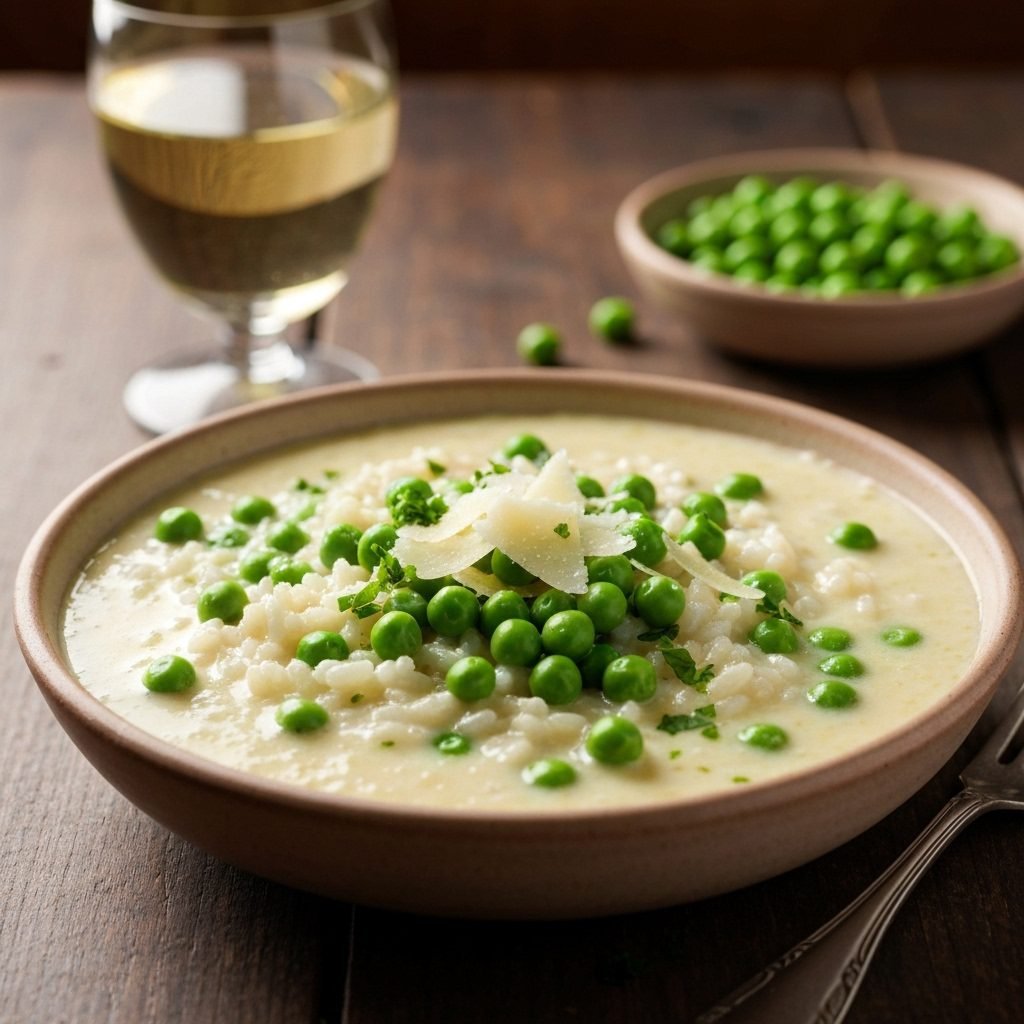
Step into the heart of Venetian cuisine with Risi e Bisi, a classic dish that perfectly captures the essence of spring. Translating to ‘rice and peas,’ this humble name belies a rich, comforting, and historically significant meal. Often mistaken for a simple pea risotto, Risi e Bisi holds a unique identity. It occupies a delightful space between a thick risotto and a hearty soup, boasting a characteristically fluid, wavy texture known in Italian as ‘all’onda.’ Traditionally served in Venice on April 25th to celebrate both the Feast of Saint Mark, the city’s patron saint, and the arrival of the season’s first tender peas, this dish is a tribute to fresh, simple ingredients. It’s a culinary paradox: luxuriously creamy without the constant stirring of risotto, and profoundly flavorful from just a handful of components. Forget what you think you know about Italian rice dishes; Risi e Bisi is a category all its own, offering a taste of history in every spoonful.
15 minutes
25-30 minutes
40-45 minutes
4-6 servings
Main Course / Primo Piatto
Stovetop Simmering
Italian (Venetian)
Standard
Why You’ll Love This Recipe
- Authentic Venetian recipe celebrating spring.
- Unique soupy texture, distinct from traditional risotto.
- Ready in under 45 minutes for a comforting weeknight meal.
- Highlights the sweetness of fresh spring peas.
- Easily adaptable for vegetarian diets.
Equipment You’ll Need
- Large Dutch oven or heavy-bottomed pot
- Wooden spoon or spatula
- Ladle
- Cutting board
- Chef’s knife
- Small saucepan for broth (optional)
Ingredients
- 2 tablespoons unsalted butter, divided
- 1 tablespoon extra virgin olive oil
- 4 ounces pancetta, finely diced
- 1 medium shallot or small onion, finely chopped
- 1 clove garlic, minced (optional)
- 1 1/2 cups (300g) Vialone Nano or Arborio rice
- 1/2 cup dry white wine, such as Pinot Grigio
- 6 cups warm chicken or vegetable broth
- 2 cups (300g) fresh shelled peas (from about 2 lbs of pods)
- 1 cup freshly grated Parmigiano-Reggiano cheese, plus more for serving
- 1/4 cup chopped fresh flat-leaf parsley
- 2 tablespoons chopped fresh mint (optional, but recommended)
- Salt and freshly ground black pepper to taste
Instructions
- Prepare the ingredients: If using fresh peas in the pod, shell them. You can optionally simmer the empty pods in your broth for 15-20 minutes to infuse it with more pea flavor, then strain before using.
- Build the flavor base: In a large Dutch oven or pot, melt 1 tablespoon of butter with the olive oil over medium heat. Add the diced pancetta and cook until it becomes crispy and the fat has rendered, about 5-7 minutes. If using, add the chopped shallot and cook until softened and translucent, about 3-4 minutes. Add the minced garlic and cook for another minute until fragrant.
- Toast the rice: Add the rice to the pot and stir constantly for about 2 minutes. The grains should become coated in fat and turn slightly translucent at the edges. This toasting step is crucial for texture.
- Deglaze the pan: Pour in the white wine and stir, scraping up any browned bits from the bottom of the pot. Let the wine cook off completely until it’s almost fully absorbed.
- Begin adding broth: Add about half of the warm broth to the pot. Bring to a simmer, then reduce the heat to medium-low. Stir occasionally. Unlike risotto, you do not need to stir constantly or add the liquid one ladle at a time.
- Cook the rice and peas: After about 10 minutes of simmering, stir in the fresh peas. Continue to cook, adding more broth as the rice absorbs it, until the rice is al dente and the peas are tender. This should take another 8-10 minutes. The final consistency should be loose and soupy, not stiff like a traditional risotto. You may not need all the broth.
- Finish the dish (Mantecatura): Remove the pot from the heat. Vigorously stir in the remaining 1 tablespoon of butter, the grated Parmigiano-Reggiano, fresh parsley, and mint (if using). This process, called ‘mantecatura,’ creates the signature creamy finish.
- Season and serve: Season generously with salt and freshly ground black pepper to taste. Let the Risi e Bisi rest for a minute, then ladle into warm bowls. Garnish with extra Parmigiano-Reggiano and a sprinkle of fresh parsley.
Expert Cooking Tips
- Use Fresh Peas: The soul of this dish is the sweet pop of fresh spring peas. While frozen can be used in a pinch, fresh peas provide a superior flavor and texture.
- Don’t Over-Stir: Risi e Bisi is more relaxed than its cousin, risotto. Stir occasionally to prevent sticking, but constant agitation isn’t necessary and can make it too starchy.
- Embrace the ‘Wave’: The perfect consistency is ‘all’onda,’ meaning ‘on the wave.’ When you tilt the pot, the rice should flow gently in a wave. If it’s too stiff, stir in another splash of warm broth before serving.
- Use Quality Ingredients: With so few ingredients, their quality shines through. Use a good quality rice like Vialone Nano (the traditional choice), real Parmigiano-Reggiano, and a flavorful broth.
Substitutions and Variations
For a vegetarian version, omit the pancetta and start by sautéing the shallot in 2 tablespoons of olive oil; use a high-quality vegetable broth. For rice, Carnaroli can be used if you cannot find Vialone Nano or Arborio. If fresh peas are unavailable, use high-quality frozen peas, adding them during the last 5 minutes of cooking as they cook faster.
Common Mistakes to Avoid
The most common mistake is treating it exactly like risotto and making it too thick. Risi e Bisi should be pourable and soupy, not a firm mound on a plate. Another error is overcooking the peas until they are mushy and lose their vibrant green color and sweet flavor. Add them in the second half of the cooking process to keep them tender-crisp.
Serving Suggestions
Serve immediately in shallow bowls as a traditional Italian ‘primo piatto’ (first course). It can also stand as a light main course accompanied by a simple green salad with a lemon vinaigrette. Garnish with a generous amount of extra grated Parmesan, a drizzle of good olive oil, and a crack of black pepper.
Storage and Reheating Tips
Risi e Bisi is best enjoyed immediately. Leftovers can be stored in an airtight container in the refrigerator for up to 3 days. The rice will continue to absorb liquid, so it will thicken considerably. To reheat, place in a saucepan over low heat and add a splash of broth or water, stirring gently until warmed through and loosened to a desirable consistency. Freezing is not recommended as it will ruin the texture of the rice.
Nutrition Facts (Estimated)
| Serving Size | 1.5 cups |
| Calories | 430 kcal |
| Fat | 16g |
| Saturated Fat | 7g |
| Unsaturated Fat | 9g |
| Trans Fat | 0g |
| Cholesterol | 35mg |
| Sodium | 850mg |
| Carbohydrates | 55g |
| Fiber | 6g |
| Sugar | 6g |
| Protein | 15g |
Frequently Asked Questions
What is the main difference between Risi e Bisi and pea risotto?
The primary difference is texture and consistency. Risi e Bisi is much soupier and more fluid (‘all’onda’), whereas risotto is typically thicker and creamier. The cooking method for Risi e Bisi is also less intensive, requiring less frequent stirring.
Can I use long-grain rice like Basmati or Jasmine?
It is not recommended. The creamy texture of Risi e Bisi comes from the high starch content of short-grain Italian rice varieties like Vialone Nano or Arborio. Long-grain rice will not release enough starch and will result in a watery, separated dish.
Why is Vialone Nano rice preferred for this dish?
Vialone Nano is the traditional rice used in the Veneto region. It absorbs liquid well while maintaining a firm center, and it releases the perfect amount of starch to create the dish’s characteristic creamy yet fluid consistency without becoming overly sticky.
Conclusion
Risi e Bisi is more than just a recipe; it’s a celebration of season and place. Each spoonful offers the creamy comfort of rice, the savory depth of pancetta and Parmesan, and the bright, sweet burst of spring peas. By understanding that its beauty lies in its soupy, elegant texture—distinctly not a risotto—you unlock an authentic taste of Venice. We encourage you to seek out the freshest peas you can find and embrace this simple, historic, and utterly delicious dish in your own kitchen.