Poor Man’s Pasta: Spaghetti With Fried Eggs And Garlic
Poor Man’S Pasta: Spaghetti With Fried Eggs And Garlic
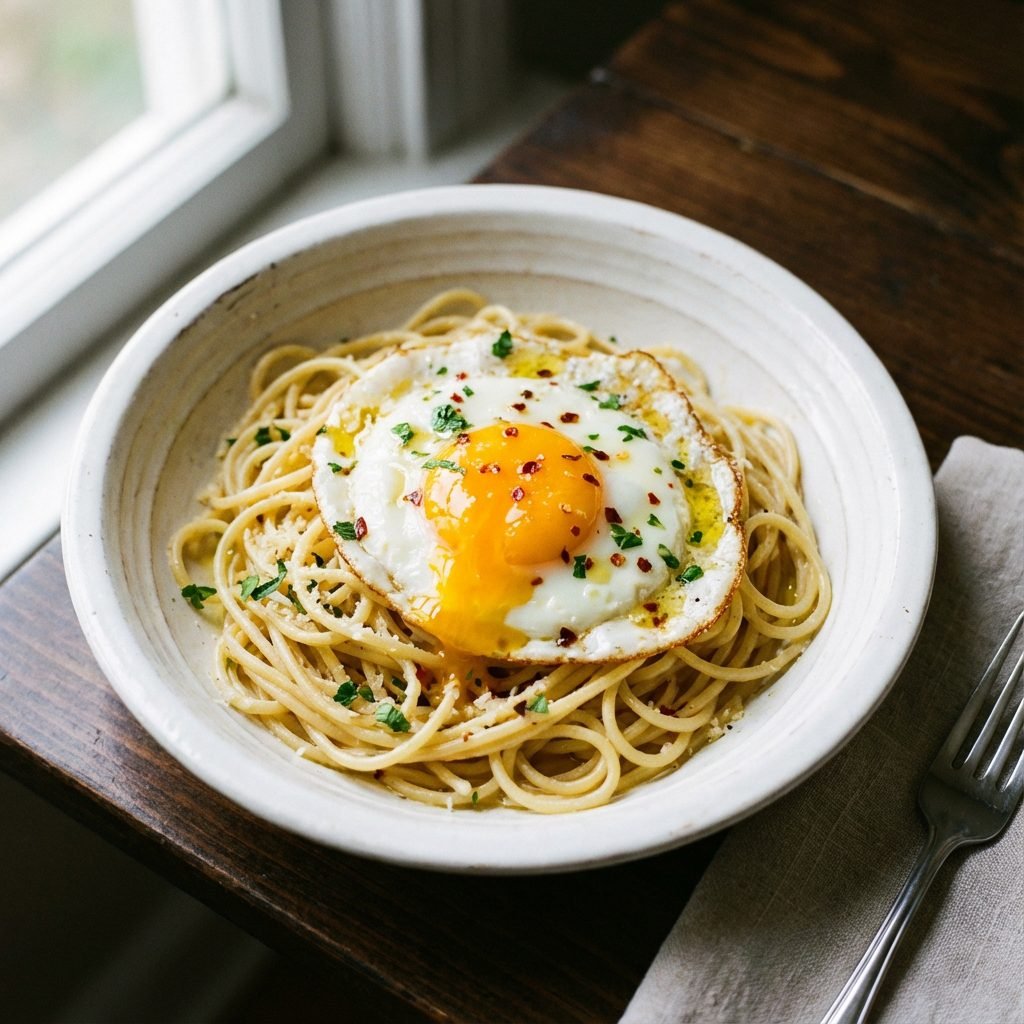
In the world of gastronomy, there exists a category of dishes born not from abundance, but from necessity. These are the recipes of ‘cucina povera’—the ‘kitchen of the poor’—where humble, readily available ingredients are transformed into meals of profound comfort and flavor. ‘Poor Man’s Pasta’ is a quintessential example of this philosophy. This dish, in its most elemental form, combines pantry staples—pasta, garlic, olive oil, and eggs—into a meal that is far greater than the sum of its parts. It’s a testament to the idea that culinary elegance doesn’t require expensive ingredients or complex techniques. This recipe for Spaghetti with Fried Eggs and Garlic celebrates that beautiful simplicity. It’s the meal you turn to on a busy weeknight, when the refrigerator seems bare, or when you simply crave a dish that feels like a warm, satisfying hug in a bowl. The magic lies in the execution: perfectly al dente spaghetti, slick with garlic-infused olive oil, and crowned with a crispy-edged, runny-yolked fried egg that, when broken, creates its own rich, golden sauce. It’s a dish that respects its ingredients and rewards the cook with a surprisingly sophisticated and deeply gratifying experience.
5 minutes
15 minutes
20 minutes
2 generous servings
Main Course
Boiling, Sautéing
Italian
Vegetarian
Why You’ll Love This Recipe
- Incredibly fast and easy, ready in under 20 minutes.
- Made with common, budget-friendly pantry staples.
- A perfect vegetarian main course that is both filling and flavorful.
- Highly versatile and easily customized with additional ingredients.
- Delivers a comforting and satisfying meal with minimal effort.
Equipment You’ll Need
- Large pot (for boiling pasta)
- Colander or spider strainer
- Large skillet or frying pan (10-12 inch)
- Tongs
- Measuring cups and spoons
- Chef’s knife or garlic press
- Microplane or cheese grater
Ingredients
- 200g (7 oz) high-quality spaghetti or linguine
- 2 tablespoons coarse sea salt (for pasta water)
- 4 tablespoons extra virgin olive oil, divided
- 4-6 cloves garlic, thinly sliced
- 1/4 teaspoon red pepper flakes (or to taste, optional)
- 2 large, fresh eggs
- Salt and freshly ground black pepper to taste
- 1/4 cup (25g) freshly grated Parmesan or Pecorino Romano cheese, plus more for serving
- 2 tablespoons finely chopped fresh flat-leaf parsley
Instructions
- Step 1: Prepare the Pasta Water. Fill a large pot with at least 4 quarts of cold water. Bring it to a rolling boil over high heat. Once boiling, add the 2 tablespoons of coarse sea salt. The water should taste like the sea; this is crucial for seasoning the pasta from the inside out.
- Step 2: Cook the Spaghetti. Add the spaghetti to the boiling water and stir immediately to prevent it from sticking. Cook according to package directions until al dente—typically 8-10 minutes. ‘Al dente’ means ‘to the tooth’; the pasta should be cooked through but still have a firm bite.
- Step 3: Infuse the Olive Oil. While the pasta is cooking, place a large skillet over medium-low heat. Add 3 tablespoons of the extra virgin olive oil. Add the thinly sliced garlic and the red pepper flakes (if using). Cook gently, swirling the pan occasionally, for 2-3 minutes. The goal is to toast the garlic to a pale golden color and infuse the oil with its flavor, not to burn it. If the garlic browns too quickly, remove the pan from the heat immediately. Burnt garlic will make the entire dish bitter.
- Step 4: Marry the Pasta and Oil. Just before the pasta is done, use a heatproof mug to reserve about 1 cup of the starchy pasta water. Drain the pasta using a colander. Immediately add the drained spaghetti to the skillet with the garlic oil. Turn the heat up to medium, add about 1/4 cup of the reserved pasta water, the grated cheese, and half of the chopped parsley. Use tongs to toss everything together vigorously for about 1 minute. The starchy water will emulsify with the oil and cheese to create a light, creamy sauce that clings to every strand.
- Step 5: Fry the Eggs. In the same pan you used for the pasta (if large enough, push pasta to one side) or in a separate small non-stick skillet, add the remaining 1 tablespoon of olive oil over medium-high heat. Once the oil is shimmering, crack the eggs into the pan. Season with salt and pepper. Fry for 2-3 minutes, until the whites are set and crispy around the edges but the yolks are still runny. You can spoon some of the hot oil over the whites to help them cook faster.
- Step 6: Plate and Serve. Divide the garlic spaghetti between two warm bowls. Gently place a fried egg on top of each portion. Garnish with the remaining fresh parsley, an extra sprinkle of grated cheese, and a final crack of black pepper. Serve immediately, encouraging diners to break the yolk and mix it into the pasta for an extra-rich sauce.
Expert Cooking Tips
- Use High-Quality Ingredients: Since this dish has so few components, the quality of each one shines through. Use a good quality pasta, a flavorful extra virgin olive oil, and the freshest eggs you can find.
- Salt Your Pasta Water Generously: This is the only opportunity you have to season the pasta itself. A well-salted water makes a world of difference in the final flavor of the dish.
- Don’t Burn the Garlic: This is the most critical step. Cook the garlic over low to medium-low heat. You want to gently toast it to a light golden brown to release its sweet, nutty flavor. Browned or burnt garlic will turn bitter and ruin the dish.
- The Magic of Pasta Water: That cloudy, starchy water is liquid gold. It contains starch and salt, which helps the oil and cheese bind to the pasta, creating a cohesive sauce rather than just oily noodles. Always reserve more than you think you’ll need.
- Achieve the Perfect Fried Egg: For crispy ‘lacy’ edges, make sure your pan and oil are hot before adding the egg. For a perfectly runny yolk, focus on cooking the whites through—you can cover the pan for 30 seconds to let the steam cook the very top of the whites if needed.
Substitutions and Variations
While the classic recipe is perfect as is, it’s also a fantastic base for variations. For pasta, any long noodle like linguine, fettuccine, or bucatini works well. For a different flavor profile, you can swap half the olive oil for unsalted butter. To add an umami kick, melt 2-3 anchovy fillets into the oil along with the garlic. For a bit of protein and smoky flavor, add crispy pancetta or bacon. Leafy greens like spinach or arugula can be wilted into the pasta at the end. If you don’t have Parmesan, Pecorino Romano is an excellent, saltier alternative.
Common Mistakes to Avoid
The most common mistake is burning the garlic, which imparts a harsh, bitter flavor. Always cook it over low heat and watch it carefully. Another frequent error is overcooking the pasta; remember it will cook a little more when you toss it in the skillet with the sauce, so pulling it when it’s just al dente is key. Forgetting to salt the pasta water is a major misstep, leading to a bland final dish. Finally, don’t throw away all the pasta water! Failing to reserve it will prevent you from creating the silky, emulsified sauce that brings the dish together.
Serving Suggestions
This dish is wonderfully self-contained, but it pairs beautifully with a few simple accompaniments. A simple Arugula salad with a lemon vinaigrette offers a fresh, peppery contrast to the rich pasta. A side of crusty bread is perfect for soaking up any leftover egg yolk and garlic oil. For a wine pairing, a crisp, dry Italian white wine like a Pinot Grigio or a light-bodied red like a Chianti would complement the flavors perfectly.
Storage and Reheating Tips
Poor Man’s Pasta is best enjoyed immediately after it’s made, as the texture of the pasta and the runny egg yolk are at their peak. If you have leftovers, they can be stored in an airtight container in the refrigerator for up to 2 days. The egg yolk will solidify upon refrigeration. To reheat, it’s best to gently warm the pasta in a skillet over low heat with a splash of water or olive oil to loosen it up. Reheating in the microwave can make the pasta rubbery.
Nutrition Facts (Estimated)
| Serving Size | 1 serving (approx. 350g) |
| Calories | 585 kcal |
| Fat | 26g |
| Saturated Fat | 7g |
| Unsaturated Fat | 19g |
| Trans Fat | 0g |
| Cholesterol | 380mg |
| Sodium | 650mg |
| Carbohydrates | 68g |
| Fiber | 5g |
| Sugar | 4g |
| Protein | 24g |
Frequently Asked Questions
Can I make this dish gluten-free?
Absolutely. Simply substitute your favorite brand of gluten-free spaghetti and cook it according to the package instructions. Be aware that gluten-free pasta can sometimes absorb more liquid, so be sure to reserve plenty of pasta water.
Is this an authentic Italian recipe?
Yes, its roots are firmly in Italian ‘cucina povera’. Dishes like this, which use simple, inexpensive ingredients to create something delicious, are the heart and soul of traditional Italian home cooking. Variations exist across different regions, but the core concept of pasta, garlic, oil, and often an egg is a classic.
Can I use pre-minced garlic from a jar?
While you can in a pinch, it is highly recommended to use fresh garlic cloves. The flavor of freshly sliced garlic is much brighter, sweeter, and more aromatic. Jarred garlic often has a muted flavor and can sometimes be bitter due to preservatives.
My sauce seems too oily. What did I do wrong?
This usually happens if you don’t use enough starchy pasta water or don’t toss the pasta vigorously enough. The key is to create an emulsion. Make sure to add a splash of the pasta water and toss continuously over medium heat until the oil and water combine into a light, creamy sauce that coats the noodles.
Conclusion
Poor Man’s Pasta is more than just a recipe; it’s a culinary principle. It teaches us that with a little technique and respect for simple ingredients, we can create meals that are both economical and extraordinarily delicious. It’s a dish that adapts to what you have, comforts you when you need it, and always satisfies. Whether you’re a novice cook or a seasoned chef, this Spaghetti with Fried Eggs and Garlic is a recipe to keep in your back pocket for a meal that is timeless, elegant, and profoundly good.