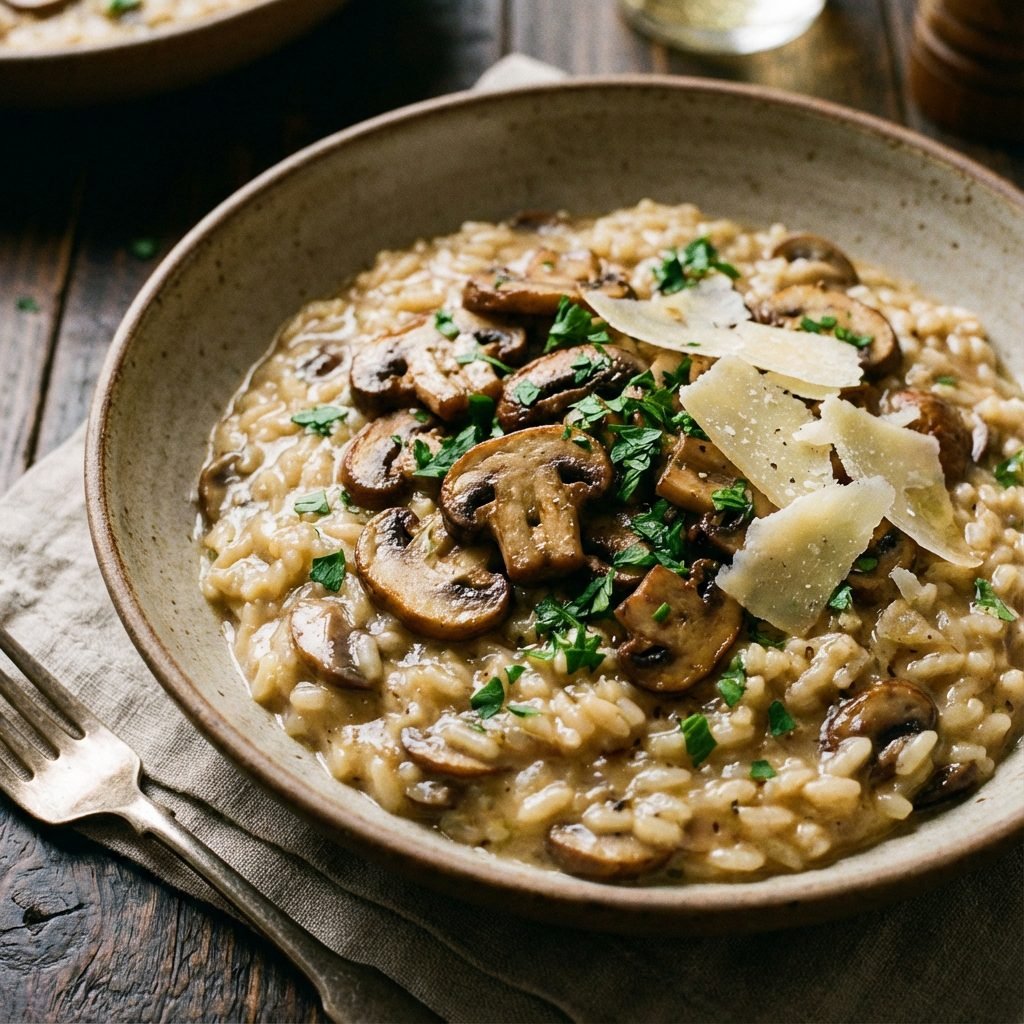
Restaurant Quality Mushroom Risotto Without The Heavy Price Tag
Restaurant Quality Mushroom Risotto Without The Heavy Price Tag
Imagine a dish so creamy, so deeply savory, and so comforting that it transports you straight to a cozy trattoria in the heart of Italy. That’s the magic of a perfect mushroom risotto. For many, this luxurious dish seems like a culinary feat reserved for restaurant chefs and special occasions. The constant stirring, the precise timing, the seemingly secret ingredients—it can all feel intimidating. But what if I told you that achieving that five-star, velvety risotto at home is not only possible but also surprisingly straightforward and budget-friendly? This recipe demystifies the process, breaking it down into simple, manageable steps. We’ll unlock the secrets to releasing the natural starches from the Arborio rice, building layers of flavor with an umami-rich mushroom blend, and finishing with the perfect touch of Parmesan and butter. Forget the expensive night out; tonight, we’re bringing the gourmet experience right into your kitchen.
20 minutes
35 minutes
55 minutes
4-6 servings
Main Course
Stovetop
Italian
Vegetarian
Why You’ll Love This Recipe
- Achieves an incredibly creamy and velvety texture without any heavy cream.
- Features a deep, complex umami flavor from a blend of fresh and dried mushrooms.
- A step-by-step guide perfect for beginners to master the art of risotto.
- A versatile dish that can serve as a hearty main course or an elegant side.
- Budget-friendly, using simple ingredients to create a luxurious meal.
Equipment You’ll Need
- Large, heavy-bottomed pot or Dutch oven
- Medium saucepan
- Ladle
- Wooden spoon or spatula
- Cutting board
- Chef’s knife
Ingredients
- 6 cups vegetable broth (or chicken broth if not vegetarian)
- 1/2 ounce dried porcini mushrooms (optional, but recommended for depth of flavor)
- 2 tablespoons olive oil
- 2 tablespoons unsalted butter, divided
- 1 pound fresh mushrooms (cremini, shiitake, or a mix), sliced
- 1 large shallot, finely chopped (or 1/2 medium yellow onion)
- 2 cloves garlic, minced
- 1 1/2 cups Arborio rice
- 1/2 cup dry white wine (such as Pinot Grigio or Sauvignon Blanc)
- 1 teaspoon fresh thyme leaves
- Salt and freshly ground black pepper to taste
- 1 cup freshly grated Parmigiano-Reggiano cheese, plus more for serving
- 2 tablespoons chopped fresh parsley, for garnish
Instructions
- Prepare the Broth and Mushrooms: In a medium saucepan, bring the vegetable broth to a simmer. Reduce the heat to low to keep it warm. If using dried porcini mushrooms, place them in a small bowl and pour about 1 cup of the warm broth over them. Let them rehydrate for 15-20 minutes. Once soft, remove the mushrooms, chop them finely, and reserve the soaking liquid. Strain the liquid through a fine-mesh sieve to remove any grit and add it back to the main pot of broth.
- Sauté the Fresh Mushrooms: In a large Dutch oven or heavy-bottomed pot, heat the olive oil and 1 tablespoon of butter over medium-high heat. Add the sliced fresh mushrooms and cook, stirring occasionally, until they release their liquid and become golden brown and slightly crispy, about 8-10 minutes. Season with salt and pepper, then remove them from the pot and set aside.
- Sauté the Aromatics: Reduce the heat to medium. To the same pot, add the finely chopped shallot and cook until softened and translucent, about 3-4 minutes. Add the minced garlic, chopped rehydrated porcini (if using), and fresh thyme. Cook for another minute until fragrant.
- Toast the Rice: Add the Arborio rice to the pot. Stir constantly for about 2 minutes, ensuring each grain is coated in the fat. The edges of the rice should become translucent, but the center will remain opaque. This toasting step is crucial for flavor and texture.
- Deglaze with Wine: Pour in the white wine. Stir continuously, scraping up any browned bits from the bottom of the pot. Cook until the wine has almost completely evaporated and the smell of alcohol has cooked off.
- The Risotto Process: Begin adding the warm broth, one ladleful (about 1/2 cup) at a time. Stir the risotto frequently, almost constantly. Wait until the rice has absorbed most of the liquid before adding the next ladleful. Continue this process, stirring patiently, for about 18-25 minutes.
- Check for Doneness: After about 18 minutes, start tasting the rice. It is done when it is ‘al dente’—tender and creamy on the outside with a slight bite in the center. The risotto should have a fluid, creamy consistency, not stiff or dry. If you run out of broth and the rice isn’t cooked, you can add a little hot water.
- Finish the Risotto: Remove the pot from the heat. Vigorously stir in the remaining 1 tablespoon of butter and the grated Parmigiano-Reggiano cheese. This final step, called ‘mantecatura’, makes the risotto exceptionally creamy. Stir in the previously cooked mushrooms.
- Serve Immediately: Taste and adjust seasoning with salt and pepper. Ladle the risotto into warm bowls. Garnish with fresh parsley, extra Parmesan cheese, and a crack of black pepper. Serve immediately, as risotto waits for no one!
Expert Cooking Tips
- Use Warm Broth: Always keep your broth at a low simmer in a separate pot. Adding cold liquid to the hot rice will shock it and hinder the cooking process, resulting in an uneven texture.
- Stir, Don’t Whip: Consistent, gentle stirring is key. It encourages the rice grains to rub against each other, releasing their starches which creates the classic creamy sauce. You don’t need to stir nonstop, but frequent attention is required.
- Choose the Right Rice: Arborio is the most common and works perfectly. For an even creamier result, try Carnaroli, often called the ‘king’ of risotto rice.
- Don’t Rinse the Rice: The starch on the outside of the grains is essential for creating the creamy texture. Rinsing it away would be a culinary crime!
- Patience is an Ingredient: The process of adding liquid slowly cannot be rushed. This gradual absorption is what allows the starches to develop properly.
Substitutions and Variations
For the rice, Carnaroli or Vialone Nano are excellent alternatives to Arborio. If you prefer to cook without alcohol, simply omit the white wine and substitute with an equal amount of broth and a small squeeze of lemon juice at the end for brightness. For a vegan version, use a high-quality olive oil instead of butter, omit the cheese, and stir in 1/4 cup of nutritional yeast at the end for a cheesy, savory flavor. Any mix of mushrooms will work; feel free to use wild mushrooms like chanterelles or morels when in season.
Common Mistakes to Avoid
The most common mistake is adding the broth all at once. This boils the rice and prevents the starches from being released slowly, resulting in a sticky, porridge-like dish instead of a creamy, flowing risotto. Another pitfall is overcooking the rice until it’s mushy; it should always be ‘al dente’ with a slight chew. Finally, using cold broth will drastically slow down the cooking and cool your pan, disrupting the entire process. Always use warm broth.
Serving Suggestions
Serve the mushroom risotto immediately in warm, shallow bowls. For an extra touch of luxury, drizzle with a high-quality truffle oil just before serving. It’s a complete meal on its own, but pairs beautifully with a simple arugula salad dressed with lemon vinaigrette to cut through the richness. For a more substantial meal, serve it alongside grilled chicken, seared scallops, or a perfectly cooked steak. A crisp glass of the same white wine used in the cooking is the ideal beverage pairing.
Storage and Reheating Tips
Risotto is notoriously best when eaten fresh. However, if you have leftovers, store them in an airtight container in the refrigerator for up to 3 days. The texture will become much firmer once chilled. To reheat, add a splash of broth or water to a pan over low heat and gently stir the risotto until warmed through. The best use for leftover risotto is to make Arancini—chilled risotto balls stuffed with cheese, coated in breadcrumbs, and fried until golden and crispy.
Nutrition Facts (Estimated)
| Serving Size | 1 serving (approx. 1.5 cups) |
| Calories | 460 kcal |
| Fat | 18g |
| Saturated Fat | 9g |
| Unsaturated Fat | 9g |
| Trans Fat | 0g |
| Cholesterol | 40mg |
| Sodium | 950mg |
| Carbohydrates | 58g |
| Fiber | 4g |
| Sugar | 4g |
| Protein | 14g |
Frequently Asked Questions
Can I make this risotto gluten-free?
Yes, this recipe is naturally gluten-free. Just ensure that your vegetable or chicken broth is certified gluten-free, as some brands may contain additives.
Why is my risotto not creamy?
There are a few potential reasons. You may have added the liquid too quickly, not stirred enough to release the starches, or used a type of rice other than a high-starch variety like Arborio. Also, be sure to finish by vigorously stirring in the butter and Parmesan off the heat.
Can I use mushroom broth instead of vegetable broth?
Absolutely! Using mushroom broth will intensify the mushroom flavor even further, creating an incredibly deep and savory dish. You can even make your own by simmering the mushroom stems and trimmings with some aromatics.
Conclusion
There you have it—a foolproof guide to creating a mushroom risotto that rivals any restaurant’s offering. By understanding the simple techniques of toasting the rice, adding warm broth slowly, and finishing with a flourish of cheese and butter, you’ve unlocked the door to a world of gourmet Italian cooking. This dish is a testament to the idea that a few humble ingredients, treated with care and patience, can transform into something truly extraordinary. So the next time you crave a bowl of pure comfort and elegance, you’ll know that a world-class meal is just a stir away, right in your own kitchen.