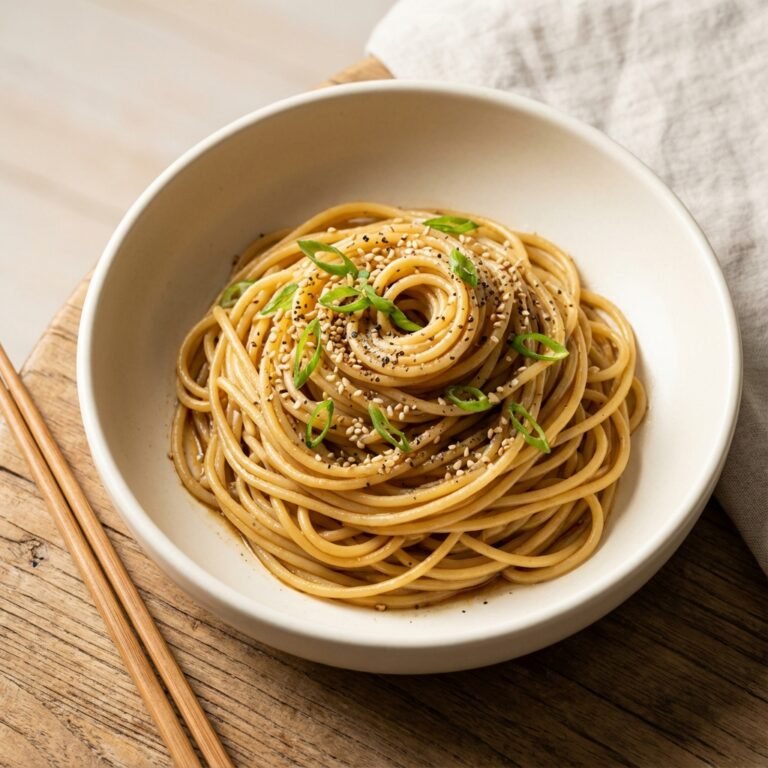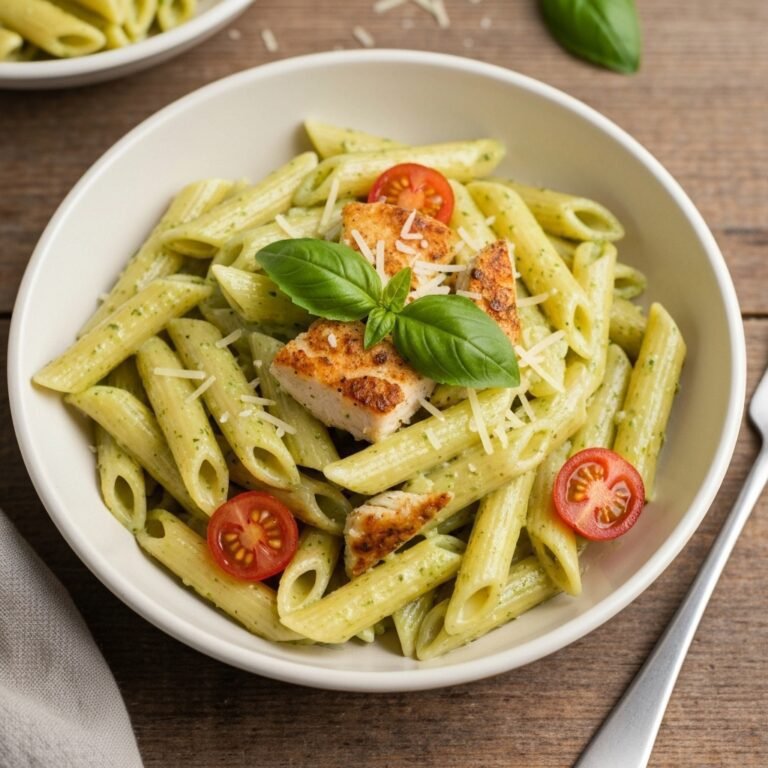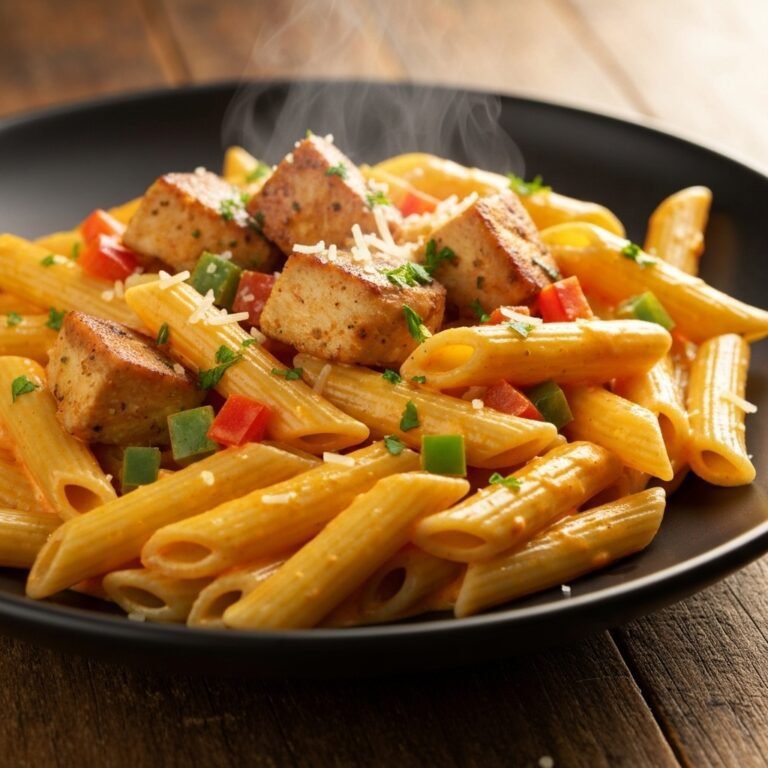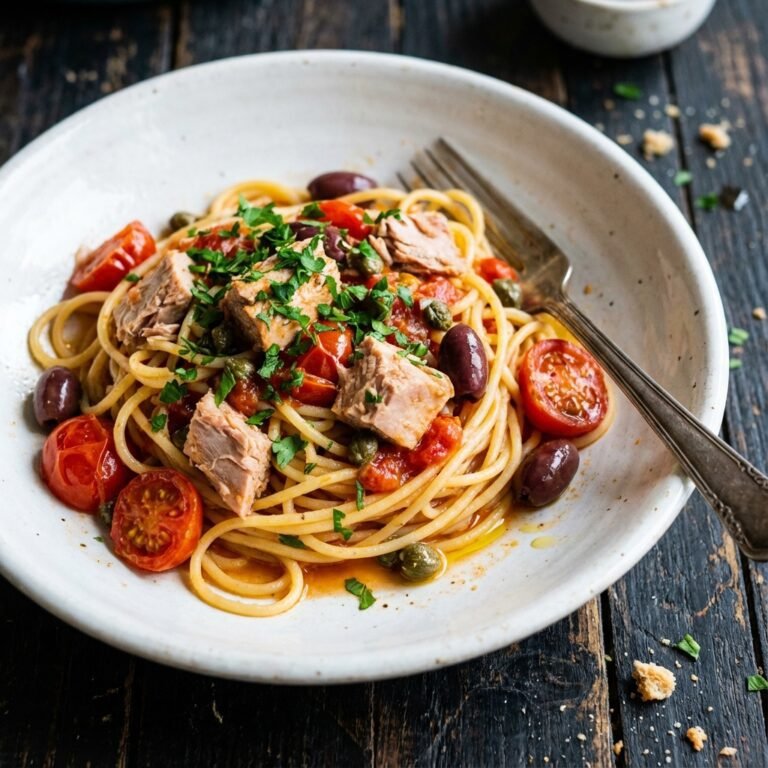
15-Minute Garlic Parmesan Pasta (Tastes Like a Restaurant)
15-Minute Garlic Parmesan Pasta (Tastes Like A Restaurant)
In the world of home cooking, few achievements are as satisfying as creating a dish that rivals a restaurant favorite, especially when it comes to fruition in less time than it takes to decide on takeout. This 15-Minute Garlic Parmesan Pasta is the embodiment of that culinary triumph. It’s a testament to the idea that simplicity often yields the most profound flavors. With just a handful of pantry staples, you can orchestrate a symphony of savory, nutty, and aromatic notes that will transport you to a quaint Italian-American bistro. This isn’t just a recipe for a quick weeknight meal; it’s a blueprint for culinary confidence. We will guide you through the precise techniques that elevate this dish from merely ‘good’ to ‘unforgettable,’ focusing on the alchemy of starchy pasta water, high-quality Parmesan, and perfectly toasted garlic. Prepare to master a recipe that will become a permanent, cherished fixture in your cooking repertoire.
5 minutes
10 minutes
15 minutes
4 servings
Main Course
Stovetop
Italian-American
Vegetarian
Why You’ll Love This Recipe
- Ready from start to finish in just 15 minutes.
- Uses a minimal list of common pantry ingredients.
- Achieves a creamy, emulsified sauce without any heavy cream.
- Perfect for busy weeknights, last-minute dinners, or a simple yet elegant meal.
- Easily customizable with added proteins or vegetables.
Equipment You’ll Need
- Large pot or Dutch oven (for boiling pasta)
- Colander or spider strainer
- Large skillet or sauté pan (12-inch recommended)
- Measuring cups and spoons
- Liquid measuring cup
- Whisk
- Microplane or box grater (for cheese and garlic)
Ingredients
- 1 lb (450g) spaghetti or your favorite long pasta
- 1 1/2 cups (approx. 355ml) reserved starchy pasta water
- 6 tablespoons (85g) unsalted butter, cut into pieces
- 6-8 cloves garlic, minced or thinly sliced
- 1 1/4 cups (125g) freshly and finely grated Parmesan cheese, plus more for serving
- 1 teaspoon kosher salt, plus more for pasta water
- 1/2 teaspoon freshly cracked black pepper
- 1/4 cup finely chopped fresh parsley, for garnish (optional)
Instructions
- Begin by bringing a large pot of water to a rolling boil. Season it generously with kosher salt until it tastes like the sea. This is the only opportunity to season the pasta itself.
- Add the spaghetti to the boiling water and cook according to package directions until al dente (typically 8-10 minutes). ‘Al dente’ means ‘to the tooth’ in Italian; the pasta should be cooked through but still have a firm bite.
- While the pasta is cooking, melt the butter in a large skillet over medium-low heat. Add the minced or sliced garlic and cook, stirring frequently, for 1-2 minutes until it becomes fragrant and very lightly golden. Be vigilant to avoid browning or burning the garlic, which will make it bitter.
- Just before draining the pasta, carefully scoop out at least 2 cups of the starchy cooking water. This liquid is culinary gold and the key to a creamy sauce.
- Drain the pasta and immediately add it to the skillet with the garlic butter. Turn the heat off completely. This prevents the cheese from clumping.
- Pour 1 cup of the reserved pasta water over the pasta. Sprinkle the 1 1/4 cups of grated Parmesan cheese on top, along with the black pepper.
- Using tongs, toss and stir the pasta vigorously and continuously. The combination of the hot pasta, butter, starchy water, and cheese will emulsify into a smooth, creamy sauce that clings to every strand. This may take 1-2 minutes of constant tossing.
- If the sauce seems too thick, add more reserved pasta water, one tablespoon at a time, until it reaches your desired consistency. The sauce will continue to thicken as it cools slightly.
- Taste the pasta and adjust seasoning if necessary, adding more salt or pepper.
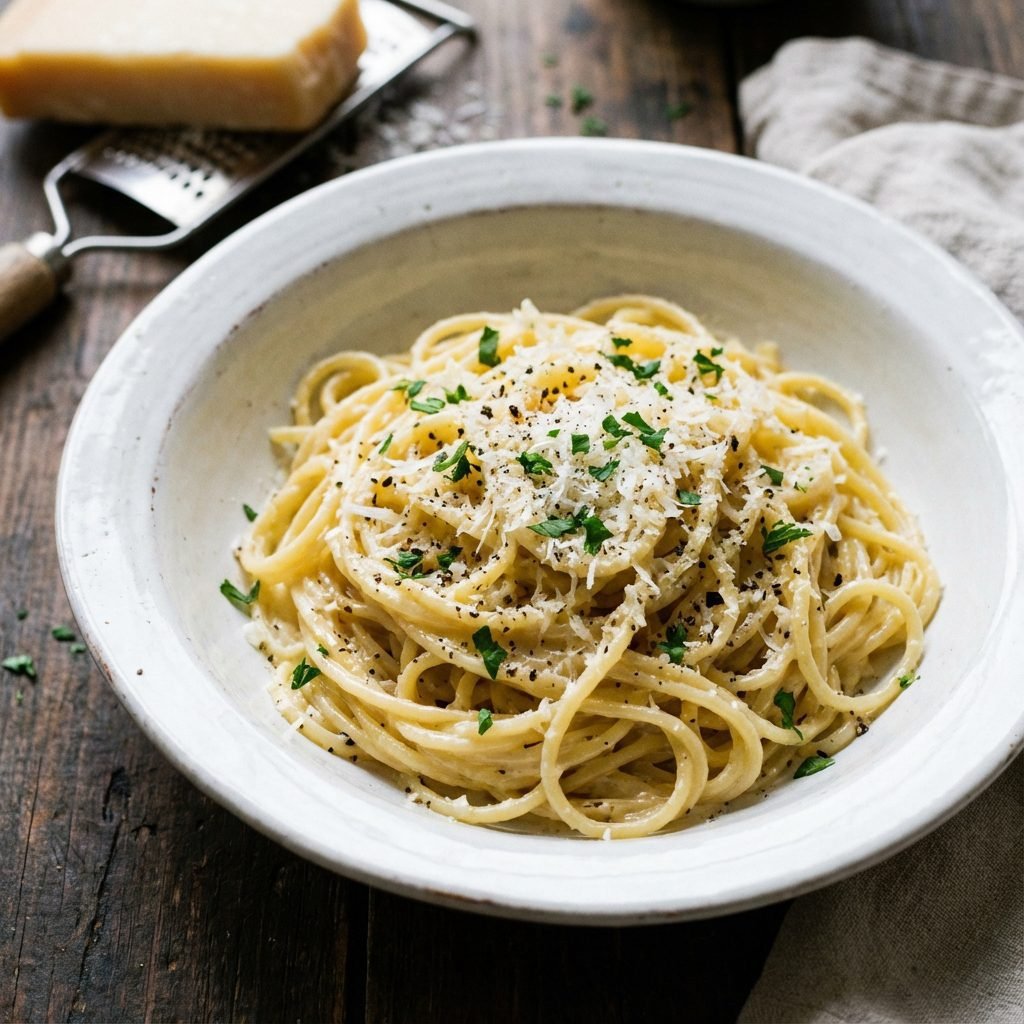
- Serve immediately, garnished with a generous amount of extra grated Parmesan cheese and fresh parsley, if using.
Expert Cooking Tips
- The Importance of Salting Pasta Water: Properly salted water is fundamental. It infuses the pasta with flavor from the inside out. A good rule of thumb is 1 to 1.5 tablespoons of kosher salt per gallon of water.
- Mastering ‘Al Dente’: For this recipe, cooking the pasta slightly less than the package recommends is ideal. It will finish cooking in the pan with the sauce, absorbing flavor without becoming mushy.
- The Magic of Pasta Water: Do not substitute with plain water. The starches released from the pasta into the water act as a binder and emulsifier, creating a silky, restaurant-quality sauce that’s not greasy or broken.
- Control Your Garlic: Garlic can go from perfectly fragrant to acrid and burnt in seconds. Keep the heat on medium-low and stir constantly. If you smell a nutty aroma and see the slightest hint of color, it’s ready.
- Cheese Temperature Matters: Adding cheese to a ripping hot pan can cause it to ‘seize’ or clump. By turning off the heat before adding the cheese, you allow it to melt gently into the sauce for a perfectly smooth texture.
Substitutions and Variations
For a successful dish, use high-quality ingredients, but feel free to adapt. Pasta: Linguine, fettuccine, or bucatini work beautifully. For a gluten-free version, use your favorite gluten-free spaghetti. Cheese: Pecorino Romano offers a sharper, saltier flavor and can be used in place of or in combination with Parmesan. Grana Padano is another excellent choice. Fat: For a different flavor profile, you can substitute 2-3 tablespoons of the butter with high-quality extra virgin olive oil. For a vegan version, use a high-quality vegan butter and a respected brand of vegan Parmesan-style cheese. Herbs & Spices: Add a pinch of red pepper flakes with the garlic for a touch of heat. Fresh basil or oregano can be used in place of parsley.
Common Mistakes to Avoid
The most common pitfall is using pre-grated, packaged Parmesan cheese. These products contain anti-caking agents like cellulose that prevent them from melting smoothly, often resulting in a grainy or clumpy sauce. Always buy a block of Parmesan and grate it yourself just before use. Another frequent error is burning the garlic; cook it low and slow until just fragrant. Forgetting to reserve the starchy pasta water is a critical mistake, as it’s the key to the sauce’s creamy consistency. Finally, avoid over-salting; remember that both the pasta water and the Parmesan cheese are already salty, so taste the final dish before adding any more salt.
Serving Suggestions
While this pasta is a stunning meal on its own, it also serves as a perfect canvas for additions. For a complete meal, serve alongside a simple arugula salad with a lemon vinaigrette to cut through the richness. It pairs wonderfully with roasted vegetables like asparagus, broccoli, or cherry tomatoes. To add a protein, top the pasta with grilled chicken strips, sautéed shrimp, or even a handful of canned chickpeas tossed with the pasta at the end for a vegetarian protein boost. A side of crusty garlic bread is always welcome for soaking up any remaining sauce.
Storage and Reheating Tips
This dish is best enjoyed immediately after being prepared. However, if you have leftovers, store them in an airtight container in the refrigerator for up to 3 days. The sauce will thicken and congeal when chilled. To reheat, it’s best to use the stovetop. Place the pasta in a skillet over low heat with a splash of water, milk, or cream. Stir gently until the sauce becomes creamy again and the pasta is heated through. Microwaving is not recommended as it can cause the butter to separate, resulting in an oily texture.
Nutrition Facts (Estimated)
| Serving Size | 1 serving (approx. 1.5 cups) |
| Calories | 520 kcal |
| Fat | 28 g |
| Saturated Fat | 16 g |
| Unsaturated Fat | 10 g |
| Trans Fat | 0 g |
| Cholesterol | 75 mg |
| Sodium | 650 mg |
| Carbohydrates | 48 g |
| Fiber | 3 g |
| Sugar | 2 g |
| Protein | 18 g |
Frequently Asked Questions
My sauce isn’t creamy, it’s oily and broken. What went wrong?
This usually happens if the pan is too hot when the cheese is added, or if not enough starchy pasta water was used. The key is emulsification. Make sure the heat is off, add enough pasta water, and toss vigorously to bind the fat (butter) and water together with the help of the starch and cheese.
Can I make this recipe with whole wheat pasta?
Yes, absolutely. Whole wheat pasta has a nuttier flavor that complements the Parmesan well. Be aware that it may release a different amount of starch, so be prepared to adjust the amount of pasta water needed for the sauce.
Can I add vegetables directly into the pasta?
Certainly. For quick-cooking vegetables like fresh spinach or frozen peas, you can toss them into the skillet with the finished pasta; the residual heat will cook them perfectly. For heartier vegetables like broccoli or asparagus, it’s best to blanch or roast them separately and then toss them in at the end.
Is it possible to make this recipe ahead of time?
Because this recipe comes together in only 15 minutes and is best served fresh, we don’t recommend making the entire dish ahead of time. You can, however, prep your ingredients by mincing the garlic and grating the cheese in advance to make the process even faster.
Conclusion
You now possess the knowledge and technique to create a truly exceptional Garlic Parmesan Pasta that stands shoulder-to-shoulder with any restaurant version. This recipe is more than a set of instructions; it’s a lesson in the power of simple, high-quality ingredients and proper technique. The balance of savory butter, aromatic garlic, and nutty Parmesan, all brought together by the magic of starchy pasta water, is a culinary experience every home cook should master. Cherish this recipe as your go-to for impressive, effortless, and deeply satisfying meals.