The 4-Ingredient Italian Pasta Dish That Even Broke Students Can Afford
The 4-Ingredient Italian Pasta Dish That Even Broke Students Can Afford
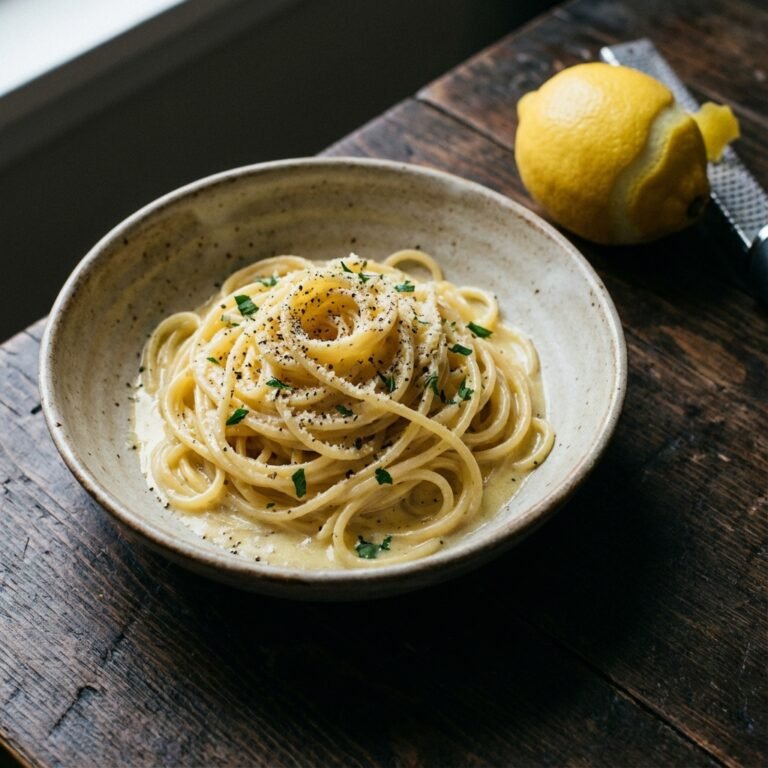
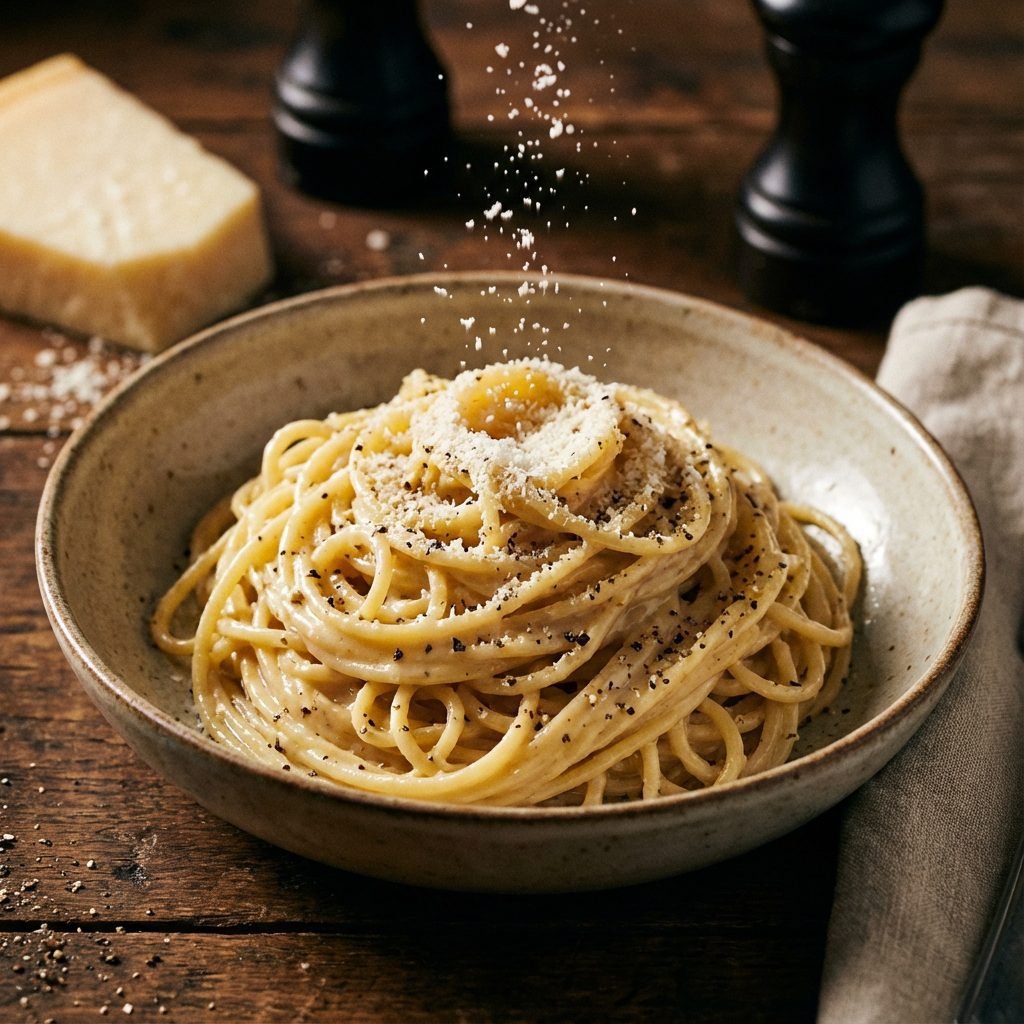
In the world of gastronomy, there’s a pervasive myth that exquisite food must be complicated, time-consuming, and, above all, expensive. We’re here to shatter that illusion with a dish that is the very embodiment of Italian culinary philosophy: Cacio e Pepe. Translating literally to ‘cheese and pepper,’ this Roman classic is a testament to the magic that can happen with just a few humble ingredients. It’s a dish born of necessity, favored by shepherds for its simple, non-perishable components, yet it graces the menus of the finest Italian restaurants worldwide. For the student on a budget, the busy professional, or anyone who believes a spectacular meal is beyond their reach, this recipe is a revelation. It proves that with the right technique, you can transform pasta, cheese, and pepper into a dish so luxuriously creamy and profoundly flavorful, you’ll question why you ever bothered with complex recipes. Forget jarred sauces and expensive ingredients; this is your gateway to authentic, affordable, and astonishingly delicious Italian cooking.
5 minutes
12 minutes
17 minutes
2 generous servings
Main Course
Stovetop
Italian (Roman)
Vegetarian
Why You’ll Love This Recipe
- Unbelievably budget-friendly, relying on three core pantry staples.
- An authentic Roman classic that goes from pantry to plate in under 20 minutes.
- Master the essential technique to create a silky, restaurant-quality sauce with no cream or butter.
- A perfect one-pot meal, ensuring minimal cleanup and maximum enjoyment.
- Empowers home cooks with a foundational Italian cooking skill.
Equipment You’ll Need
- Large pot or high-sided skillet
- Medium mixing bowl
- Whisk
- Tongs
- Cheese grater (a microplane or the finest side of a box grater is highly recommended)
- Peppercorn grinder or mortar and pestle
- Heatproof liquid measuring cup
Ingredients
- 200g (7 oz) high-quality dry pasta (Tonnarelli, Spaghetti, or Bucatini are traditional)
- 1.5 cups (75g) very finely grated Pecorino Romano cheese, plus extra for serving
- 1.5 tsp freshly and coarsely ground black peppercorns
- Kosher salt (for the pasta water)
Instructions
- Step 1: Mise en Place (Prepare Your Ingredients). Before any heat is applied, prepare your components. This is crucial for a smooth process. Grate the Pecorino Romano cheese as finely as possible into a medium mixing bowl. Grind your black peppercorns coarsely. If they are too fine, you’ll lose the pungent bite; too coarse, and it will be gritty. Set everything within arm’s reach of your stove.
- Step 2: Toast the Pepper. Place a large, high-sided skillet or pot over medium heat. Add the coarsely ground black pepper to the dry pan. Toast for about 60-90 seconds, swirling the pan occasionally, until it becomes incredibly fragrant. This step is vital as it awakens the essential oils in the pepper, deepening its flavor. Once aromatic, reduce the heat to low.
- Step 3: Cook the Pasta. While the pepper toasts, bring about 2-3 quarts of water to a rolling boil in a separate pot. Use less water than you normally would for pasta; this concentrates the starch in the water, which is the secret emulsifier for our sauce. Once boiling, salt the water generously. It should taste like a mild seawater. Add the pasta and cook according to package directions, but aim for very ‘al dente’ (about 1-2 minutes less than the package time), as it will finish cooking in the sauce.
- Step 4: Create the Cheese Slurry (The Secret to No Clumps). Just before the pasta is done, scoop out about 1.5 cups of the starchy, hot pasta water. Let it cool for a minute. Add about 1/4 cup of this warm (not boiling!) pasta water to the toasted pepper in the skillet and swirl to combine. In your bowl of grated Pecorino, add about 1/4 cup of the warm pasta water and whisk vigorously to form a thick, smooth paste or slurry. It should have the consistency of thick pancake batter. If it’s too thick, add more water one tablespoon at a time. This step hydrates the cheese and tempers it, preventing it from seizing when it hits the hot pasta.
- Step 5: Emulsify and Combine. Using tongs, transfer the al dente pasta directly from its pot into the skillet with the pepper water, letting some water cling to the noodles. IMPORTANT: Take the skillet completely off the heat. This is the most critical step. Pour the cheese slurry over the hot pasta. Immediately begin stirring and tossing the pasta vigorously with your tongs. The motion, combined with the starch from the pasta water and the fat from the cheese, will create a magical emulsification, transforming the water and cheese paste into a glossy, creamy sauce that coats every strand. If the sauce is too thick, add another tablespoon or two of the reserved pasta water until it reaches the desired consistency.
- Step 6: Serve Immediately. Once the sauce is creamy and coats the pasta beautifully, plate it immediately into warm bowls. Garnish generously with another sprinkle of finely grated Pecorino Romano and a final few cracks of black pepper. This dish waits for no one and is best enjoyed piping hot.
Expert Cooking Tips
- Quality Over Quantity: With only a few ingredients, their quality is paramount. Use authentic Pecorino Romano DOC. It has a distinct salty, tangy flavor that Parmigiano-Reggiano, while delicious, cannot replicate in this dish. The same goes for the pasta; a bronze-die cut pasta will have a rougher texture that the sauce will cling to beautifully.
- The Magic is in the Water: Do not salt your pasta water until it is at a full boil. More importantly, do not discard it all! This cloudy, starchy liquid is the binding agent that creates the creamy sauce. Always reserve more than you think you’ll need.
- Fine Grating is Non-Negotiable: Use a microplane or the smallest holes on your box grater. A finer grate allows the cheese to melt evenly and quickly, which is essential for a smooth, non-clumpy sauce. Pre-shredded cheese is off-limits due to anti-caking agents.
- Heat is the Enemy: The number one mistake that leads to a clumpy, oily mess is excessive heat. The residual heat from the pasta and the skillet is more than enough to melt the cheese and form the sauce. Always, always, always combine the cheese and pasta OFF the heat.
- Practice Makes Perfect: Don’t be discouraged if it’s not perfect on your first try. Cacio e Pepe is all about technique and feel. Pay attention to the consistency of your cheese slurry and the sauce, and adjust with pasta water as needed. You will quickly get the hang of it.
Substitutions and Variations
While authenticity is key, flexibility is practical. If you cannot find Pecorino Romano, a high-quality, aged Parmigiano-Reggiano can be used, though the flavor will be nuttier and less piquant. A 50/50 blend of both is also a popular and delicious variation. For the pasta, if Tonnarelli or Bucatini are unavailable, any long, thick-stranded pasta like Spaghetti Grossi or even Linguine will work well. The goal is a pasta sturdy enough to hold up to vigorous tossing.
Common Mistakes to Avoid
The primary pitfall is the dreaded ‘clumpy sauce.’ This occurs when the proteins in the cheese are exposed to excessively high temperatures, causing them to tighten and separate from the fat, a process known as ‘splitting.’ To avoid this, ensure your pan is off the heat before adding the cheese paste. Also, using water that is boiling hot to make your cheese slurry can pre-cook the cheese; let the water cool for a minute first. Another common mistake is using pre-grated cheese, which contains starches and cellulose that actively prevent a smooth melt. Always grate your own from a block.
Serving Suggestions
Cacio e Pepe is a ‘primo piatto’ (first course) in Italy and is traditionally served on its own in a modest portion. It is so rich and flavorful that it commands the spotlight. For a more substantial, American-style meal, pair it with a simple side that won’t compete for attention. A crisp arugula salad with a sharp lemon vinaigrette provides a perfect, peppery contrast that cuts through the richness of the cheese. Alternatively, simple steamed or sautéed greens, like asparagus or broccolini with a squeeze of lemon, can round out the meal beautifully.
Storage and Reheating Tips
Frankly, Cacio e Pepe is a dish best consumed in its entirety immediately after it’s made. The delicate emulsion of the sauce is fragile and does not stand up well to refrigeration and reheating. Leftovers tend to become greasy as the cheese separates upon cooling. If you must save it, store it in an airtight container in the fridge for up to 24 hours. To reheat, place it in a non-stick skillet over very low heat with a splash of water, and stir constantly to try and coax the sauce back to life. However, it will never be as good as it was fresh.
Nutrition Facts (Estimated)
| Serving Size | 1 serving (approx. 220g) |
| Calories | 645 kcal |
| Fat | 26g |
| Saturated Fat | 16g |
| Unsaturated Fat | 8g |
| Trans Fat | 0g |
| Cholesterol | 65mg |
| Sodium | 820mg |
| Carbohydrates | 78g |
| Fiber | 5g |
| Sugar | 4g |
| Protein | 25g |
Frequently Asked Questions
Can I add garlic or cream to this recipe?
You can, but then it would no longer be Cacio e Pepe. The beauty of this dish lies in its minimalism. Adding cream creates a different (albeit potentially tasty) sauce, but it bypasses the beautiful technique of creating creaminess from starch and cheese alone. We recommend mastering the classic version first before experimenting.
My sauce is too thin and watery. How can I fix it?
This usually means one of two things: either your pasta water wasn’t starchy enough, or you added too much of it. To prevent this, cook your pasta in less water to begin with. If the sauce is already made and is too thin, you can try putting the pan back on very low heat and stirring constantly. This can help evaporate some water and tighten the sauce, but be extremely careful not to overheat it and cause the cheese to split.
Is Pecorino Romano cheese really worth the price for a student?
Absolutely. While a wedge of good Pecorino might seem more expensive upfront than a tub of pre-grated cheese, it’s a worthwhile investment. The flavor is immensely more powerful, so you use less. A single wedge will last for many, many batches of Cacio e Pepe, as well as for grating over countless other pasta dishes, soups, and salads. In terms of cost-per-serving, it’s incredibly economical.
Conclusion
You’ve now unlocked the secret to one of Italy’s most beloved and elegant pasta dishes. Mastering Cacio e Pepe is more than just learning a recipe; it’s about embracing a philosophy of cooking that values technique and quality over complexity and quantity. It’s a culinary magic trick that, once learned, will stay in your repertoire forever. For a few dollars and in less time than it takes to decide on a takeout order, you can create a meal that is deeply satisfying, genuinely impressive, and authentically Italian. So go forth, wield your tongs with confidence, and enjoy the simple, profound pleasure of a perfect bowl of Cacio e Pepe.