How to Turn $3 Pork Rinds into a Gourmet Mexican Stew
How To Turn $3 Pork Rinds Into A Gourmet Mexican Stew
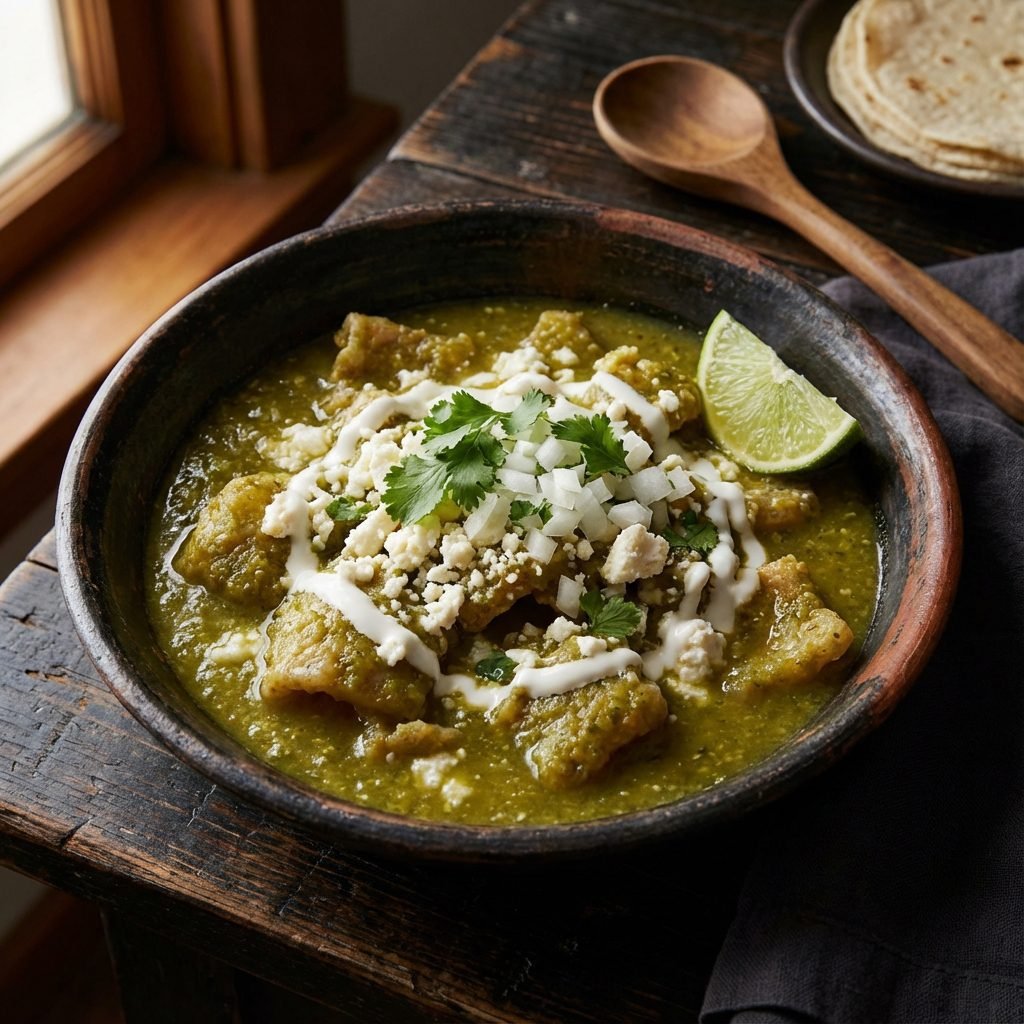
In the world of culinary alchemy, few transformations are as surprising and delightful as turning a humble bag of pork rinds—the crispy, salty snack of gas stations and dive bars—into a rich, savory, and deeply satisfying stew. This is not a culinary gimmick; it’s a testament to the genius of traditional Mexican cooking. The dish, known as Chicharrón en Salsa Verde, is a beloved classic, a ‘guisado’ that proves how simple, inexpensive ingredients can be elevated to gourmet status. Forget everything you think you know about pork rinds. When simmered in a vibrant, tangy salsa of roasted tomatillos, chiles, and garlic, they soften into a tender, succulent, and almost meaty texture, absorbing all the complex flavors of the sauce. This recipe is your guide to unlocking that magic. It’s a journey into the heart of authentic Mexican home cooking—a dish that is as comforting on a Tuesday night as it is impressive for a weekend dinner party. Prepare to be amazed by how a $3 bag of snacks can become the star of your dinner table.
15 minutes
30 minutes
45 minutes
4-6 servings
Main Course
Stovetop Simmering
Mexican
Low-Carb, Keto-Friendly
Why You’ll Love This Recipe
- Budget-Friendly Gourmet: Transform an inexpensive snack into a restaurant-quality meal.
- Authentic Mexican Flavors: Features a vibrant, homemade salsa verde with roasted tomatillos, chiles, and cilantro.
- Quick & Easy: From pantry to table in under 45 minutes, making it perfect for a busy weeknight.
- Keto & Low-Carb Friendly: A naturally low-carbohydrate, high-protein dish that is deeply satisfying.
- Incredibly Versatile: Serve as a main course with rice, as a filling for tacos, or simply in a bowl with your favorite toppings.
Equipment You’ll Need
- Large skillet or Dutch oven
- High-speed blender or food processor
- Rimmed baking sheet
- Tongs
- Chef’s knife
- Cutting board
Ingredients
- 1 lb tomatillos (about 450g), husks removed and rinsed
- 1/2 large white onion, cut into quarters
- 2-4 serrano or jalapeño peppers, stems removed (adjust to spice preference)
- 3 large cloves garlic, unpeeled
- 1 large handful fresh cilantro, roughly chopped
- 1.5 cups low-sodium chicken or vegetable broth, divided
- 1 teaspoon kosher salt, plus more to taste
- 1/2 teaspoon black pepper
- 1 tablespoon lard or neutral oil (like avocado oil)
- 1/2 large white onion, finely diced
- 5 oz bag of plain, thick-cut pork rinds (chicharrones)
- For garnish: crumbled queso fresco, Mexican crema, chopped cilantro, diced white onion, lime wedges
Instructions
- Step 1: Roast the Salsa Vegetables. Position an oven rack about 6 inches from the heat source and preheat the broiler to high. On a rimmed baking sheet, arrange the tomatillos, quartered onion, and whole serrano or jalapeño peppers in a single layer. Broil for 5-7 minutes, until the tops are blistered and blackened in spots. Using tongs, carefully flip the vegetables. Add the unpeeled garlic cloves to the baking sheet and continue to broil for another 4-5 minutes, until everything is softened and nicely charred. This charring is crucial for developing a deep, smoky flavor.
- Step 2: Blend the Salsa Verde. Allow the roasted vegetables to cool slightly. Peel the softened garlic cloves. Transfer all the roasted vegetables (tomatillos, onion, chiles) and the peeled garlic to a blender. Add the fresh cilantro, 1/2 cup of the chicken broth, 1 teaspoon of salt, and 1/2 teaspoon of black pepper. Blend on high until the salsa is smooth. Exercise caution when blending hot liquids; ensure your blender lid is vented to allow steam to escape.
- Step 3: Sauté the Aromatics. In a large skillet or Dutch oven, heat the lard or oil over medium heat. Add the finely diced white onion and cook, stirring occasionally, until it becomes soft and translucent, about 5-7 minutes. This builds the foundational flavor layer for the stew.
- Step 4: Cook the Salsa. Carefully pour the blended salsa verde into the skillet with the sautéed onions. It will sizzle and may splatter. Bring the mixture to a lively simmer and cook, stirring frequently, for about 8-10 minutes. You will notice the color deepening from a bright, fresh green to a richer, darker olive green, and the sauce will thicken. This step cooks off any raw vegetable taste and melds the flavors together.
- Step 5: Add Broth and Pork Rinds. Pour the remaining 1 cup of chicken broth into the skillet and stir to combine, bringing the sauce back to a gentle simmer. Gently add the pork rinds to the salsa, pushing them down with a spoon to submerge them completely in the liquid.
- Step 6: Simmer the Stew. Reduce the heat to low, cover the skillet, and let the stew simmer for 10-15 minutes. The pork rinds will soften and absorb the salsa. The ideal texture is tender and yielding, but not complete mush. Check a piece after 10 minutes to gauge its texture and continue simmering if you prefer it softer. The stew should be thick; if it becomes too dry, add a splash more broth.
- Step 7: Final Seasoning and Serving. Remove the stew from the heat. Taste and adjust the seasoning with more salt if needed (remember, pork rinds are already salty). Ladle the hot Chicharrón en Salsa Verde into bowls. Garnish generously with crumbled queso fresco, a drizzle of crema, and a sprinkle of fresh cilantro and diced onion. Serve immediately with warm corn tortillas and lime wedges on the side.
Expert Cooking Tips
- Choose the Right Chicharrón: For the best texture, seek out thick-cut, meaty pork rinds, often sold in bags at Mexican markets. The thin, puffy kind will dissolve too quickly and can result in a pasty texture.
- Master the Salsa: Don’t rush the roasting process. The blackened spots on the tomatillos and chiles are not a mistake—they are a key flavor component that adds smokiness and complexity to the final dish.
- Control the Heat: The spiciness of chiles can vary. If you are sensitive to heat, start with fewer chiles and make sure to remove all seeds and white membranes before roasting. You can always add more heat, but you can’t take it away.
- Bloom the Salsa: The step of ‘frying’ or cooking the blended salsa in the skillet before adding the broth is essential in traditional Mexican cooking. It concentrates the flavors and gives the sauce a richer, more profound taste.
Substitutions and Variations
For a red version (Chicharrón en Salsa Roja), replace the tomatillos with 1 lb of Roma tomatoes and swap the serrano chiles for 2-3 rehydrated guajillo or ancho chiles. For a vegetarian alternative, this salsa verde is fantastic simmered with pan-fried potatoes, nopales (cactus paddles), or seared halloumi cheese.
Common Mistakes to Avoid
The most frequent error is overcooking the pork rinds, which causes them to disintegrate completely. Begin checking for your desired tenderness at the 10-minute mark. Another common pitfall is under-salting. Because the pork rinds are salty, many cooks are hesitant to season the salsa properly. Season the salsa before adding the pork rinds, then do a final taste test at the end and adjust as needed.
Serving Suggestions
This versatile stew, or ‘guisado’, shines in many applications. For a classic meal, serve it in warm corn tortillas to make ‘tacos de guisado’. For a heartier plate, serve it alongside Mexican rice and refried beans. It is also exceptional on its own in a bowl, topped with a fried egg for a delicious breakfast, or served over creamy polenta for a Mexican-Italian fusion.
Storage and Reheating Tips
Leftover Chicharrón en Salsa Verde can be stored in an airtight container in the refrigerator for up to 3 days. The texture of the pork rinds will continue to soften as it sits. Reheat gently in a saucepan over low heat, adding a splash of water or broth to loosen the sauce if necessary. Freezing is not recommended, as it can make the pork rinds’ texture unpleasantly spongy upon thawing.
Nutrition Facts (Estimated)
| Serving Size | 1 cup (approx. 250g) |
| Calories | 350 kcal |
| Fat | 25g |
| Saturated Fat | 9g |
| Unsaturated Fat | 16g |
| Trans Fat | 0g |
| Cholesterol | 80mg |
| Sodium | 700mg |
| Carbohydrates | 8g |
| Fiber | 3g |
| Sugar | 4g |
| Protein | 22g |
Frequently Asked Questions
Can I make the salsa ahead of time?
Absolutely. The salsa verde can be made up to 3 days in advance and stored in an airtight container in the refrigerator. When you’re ready to cook, simply heat the salsa in a skillet and proceed with the recipe from Step 5.
My tomatillos are very acidic. How can I balance the salsa?
The acidity of tomatillos can vary. If your finished salsa tastes overly sharp or sour, you can balance it by adding a small pinch of sugar or 1/4 teaspoon of baking soda (it will foam briefly). Ensuring your tomatillos are well-roasted also helps to mellow out their tartness and bring out their natural sweetness.
What if I can’t find thick-cut pork rinds?
If you can only find the thinner, puffier style of pork rinds, you will need to adjust the cooking time significantly. Add them to the salsa and simmer for only 3-5 minutes, just until they soften. They are much more delicate and will dissolve if overcooked.
Conclusion
You’ve now unlocked one of the great secrets of Mexican home cooking: the power of transformation. What began as a crunchy, one-dimensional snack has been reborn as a tender, deeply flavorful main course, swimming in a sauce that is simultaneously bright, smoky, and spicy. This Chicharrón en Salsa Verde is more than just a recipe; it’s a culinary lesson in resourcefulness and flavor. It encourages us to look past an ingredient’s common use and see its hidden potential. We hope this dish becomes a new favorite in your kitchen, a go-to for a quick, affordable, and incredibly delicious meal that punches far above its weight.