How To Make Authentic Dominican Mangú (The Perfect Budget Breakfast)
How To Make Authentic Dominican Mangú (The Perfect Budget Breakfast)
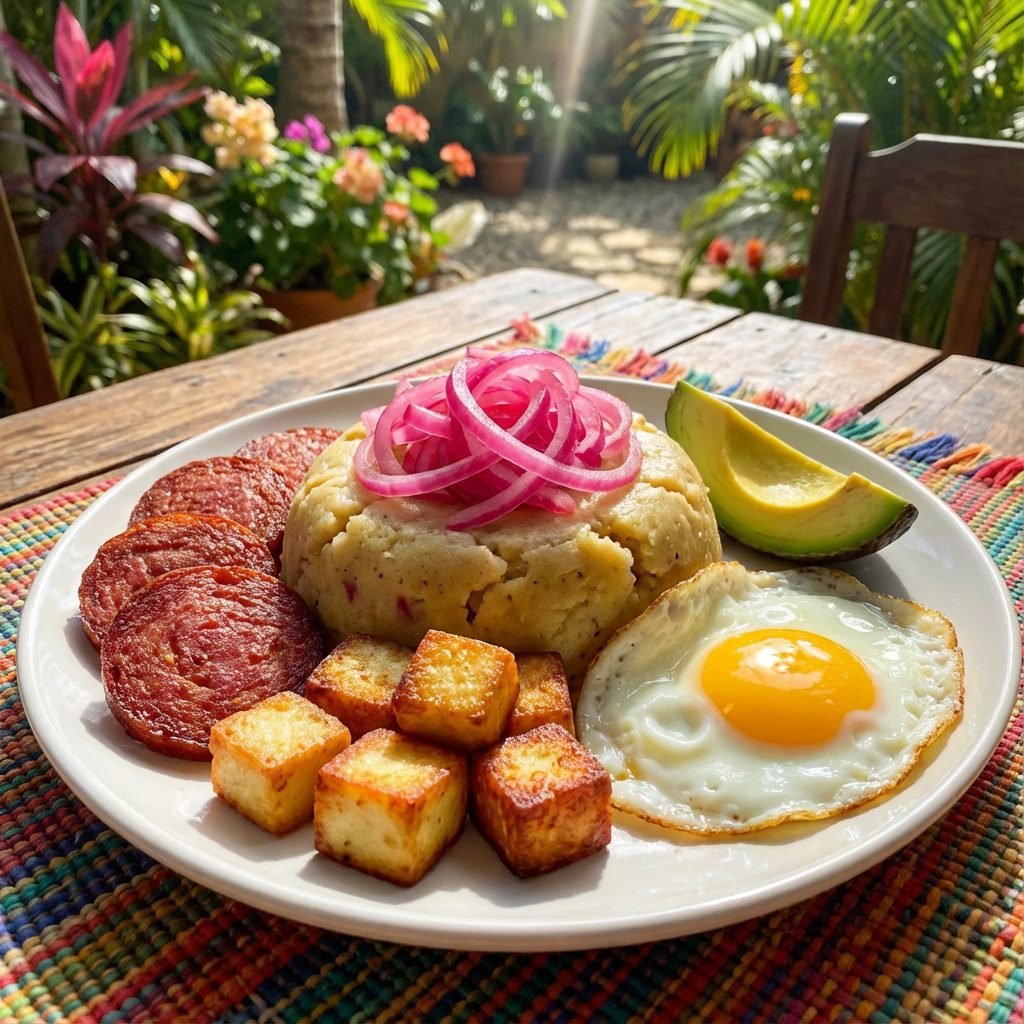
Welcome to a taste of the Dominican Republic! Mangú, the nation’s beloved breakfast dish, is more than just mashed plantains; it’s a cultural cornerstone, a symbol of comfort, and a testament to the simple, profound flavors of Caribbean cuisine. Made from boiled and mashed green plantains, Mangú is creamy, savory, and incredibly satisfying. Traditionally served with ‘Los Tres Golpes’ (The Three Hits) – fried cheese, fried Dominican salami, and fried eggs – and topped with tangy pickled red onions, it’s a breakfast that will keep you energized all day. This recipe will guide you through creating an authentic Mangú that is not only delicious but also remarkably budget-friendly, vegan, and gluten-free, making it accessible to everyone. Prepare to transform your breakfast routine with this iconic Dominican classic.
10 minutes
25 minutes
35 minutes
4 servings
Breakfast
Boiling, Mashing
Dominican, Caribbean
Vegan, Gluten-Free
Why You’ll Love This Recipe
- Authentic Dominican Flavor: A traditional recipe that captures the true taste of the island.
- Incredibly Budget-Friendly: Uses simple, inexpensive ingredients to create a hearty meal.
- Naturally Vegan & Gluten-Free: A perfect dish for various dietary needs (when using oil instead of butter).
- Quick & Easy to Prepare: Ready in under 40 minutes, making it ideal for a special weekend breakfast or a quick weekday meal.
- Versatile & Customizable: Delicious on its own or served with the classic ‘Los Tres Golpes’.
Equipment You’ll Need
- Large pot
- Knife and cutting board
- Colander
- Large bowl for mashing
- Potato masher or large fork
- Small skillet or saucepan (for onions)
Ingredients
- For the Mangú:
- 4 large, very green plantains
- 8 cups water
- 1.5 teaspoons salt, plus more to taste
- 4 tablespoons unsalted butter or olive oil
- 1/2 cup cold water (from the tap or ice water)
- For the Pickled Red Onions (Cebollas Rojas Encurtidas):
- 1 large red onion, thinly sliced
- 1/2 cup white vinegar
- 1/2 cup water
- 1 teaspoon salt
- 2 tablespoons olive oil
Instructions
- Step 1: Prepare the Pickled Onions. In a small skillet or saucepan, combine the thinly sliced red onion, white vinegar, 1/2 cup of water, and 1 teaspoon of salt. Bring to a simmer over medium heat and cook for about 5-7 minutes, or until the onions have softened and turned a vibrant pink. Remove from heat, stir in the 2 tablespoons of olive oil, and set aside.
- Step 2: Prepare the Plantains. Using a sharp knife, cut off both ends of each plantain. Score the peel lengthwise in 3-4 places, being careful not to cut too deep into the flesh. Use your thumb or the knife to pry the peel off. Cut the peeled plantains into 1-inch thick rounds.
- Step 3: Boil the Plantains. Place the plantain pieces in a large pot and add 8 cups of water and 1.5 teaspoons of salt. The water should cover the plantains completely. Bring to a boil over high heat, then reduce the heat to medium and cook for 15-20 minutes, or until the plantains are very tender and can be easily pierced with a fork.
- Step 4: Mash the Plantains. Using a colander, drain the plantains, but do not discard all the cooking water. Immediately transfer the hot plantains to a large bowl. Add the butter or olive oil. Using a potato masher or a sturdy fork, begin mashing the plantains vigorously. Gradually pour in the 1/2 cup of COLD water while continuing to mash. The cold water is the secret to a smooth, creamy texture. Continue mashing until the mangú is smooth and free of lumps. If it seems too stiff, you can add a tablespoon or two of the hot starchy cooking water you reserved. Taste and adjust salt if needed.
- Step 5: Serve Immediately. Mangú is best served hot and fresh. Spoon a generous portion onto each plate. Top with the prepared pickled red onions and a drizzle of the pickling liquid. Serve as is, or alongside the traditional ‘Los Tres Golpes’ (fried cheese, salami, and eggs).
Expert Cooking Tips
- Use the Greenest Plantains: For authentic mangú, the plantains must be deep green and very firm. Yellow or ripe plantains will result in a sweet mash, which is a different dish entirely (maduros).
- The Cold Water Trick: Do not skip the step of adding cold water during mashing. This chemical reaction with the hot starch of the plantain is what creates the signature ultra-smooth, creamy texture.
- Mash While Hot: You must mash the plantains immediately after draining them. As they cool, the starches will set, making them very difficult to mash smoothly.
- Salt the Water: Generously salting the boiling water is crucial for infusing flavor into the plantains from the start.
- Don’t Overcrowd the Pot: Ensure the plantains have enough room to boil freely in the pot for even cooking.
Substitutions and Variations
For a vegan version, simply substitute the butter with a good quality olive oil or your favorite vegan butter. For the pickled onions, apple cider vinegar can be used in place of white vinegar for a slightly different, fruitier tang.
Common Mistakes to Avoid
The most common mistake is using ripe (yellow) plantains instead of green ones, which results in a sweet, sticky mash. Another frequent error is using hot water instead of cold water for mashing; this will make the mangú gummy and heavy, not light and creamy. Finally, waiting too long to mash the plantains after they’ve been boiled will result in a lumpy, difficult-to-mash texture.
Serving Suggestions
The ultimate way to serve Mangú is with ‘Los Tres Golpes’ (The Three Hits). This includes slices of fried queso de freír (a firm, white Dominican frying cheese that holds its shape), slices of fried Dominican salami, and one or two fried eggs (sunny-side up is classic). A few slices of fresh avocado on the side complete this iconic Dominican breakfast platter.
Storage and Reheating Tips
Mangú is best enjoyed immediately after it’s made, as it tends to harden as it cools. If you have leftovers, store them in an airtight container in the refrigerator for up to 2 days. To reheat, it’s best to use a skillet over low heat. Add a splash of water or a little olive oil to the pan and break up the cold mangú. Heat, stirring and mashing gently, until it becomes soft and warm again.
Nutrition Facts (Estimated)
| Serving Size | 1 serving (approx. 1.5 cups) |
| Calories | 410 kcal |
| Fat | 18g |
| Saturated Fat | 3g |
| Unsaturated Fat | 14g |
| Trans Fat | 0g |
| Cholesterol | 0mg |
| Sodium | 450mg |
| Carbohydrates | 65g |
| Fiber | 7g |
| Sugar | 3g |
| Protein | 4g |
Frequently Asked Questions
Can I make mangú in a food processor?
It is not recommended. A food processor or blender will overwork the starches in the plantain, resulting in a gummy, glue-like texture. The traditional method of using a hand masher or fork is essential for the correct consistency.
Why are my plantains so hard to peel?
Green plantains have a very tough, fibrous peel. The trick is to cut off the ends and then score the peel lengthwise in several places. This allows you to get under the peel with your thumb to pry it off in sections. You can also soak them in hot water for a few minutes to slightly loosen the peel.
What is ‘queso de freír’ and can I substitute it?
‘Queso de freír’ is a specific type of firm, high-melting-point white cheese popular in Latin America. It’s designed to be pan-fried until golden and crispy on the outside while remaining soft on the inside. If you can’t find it, Greek halloumi or bread cheese are good substitutes.
Conclusion
Mastering this recipe for authentic Dominican Mangú connects you to the heart of Caribbean comfort food. It’s a dish that proves how the most humble ingredients can create something truly extraordinary. Whether you enjoy it simply with pickled onions or go all out with ‘Los Tres Golpes’, Mangú is a delicious, filling, and culturally rich experience that deserves a place at your breakfast table. Enjoy every creamy, savory bite!