One Pot Locrio De Sardinas: A Caribbean Flavor Explosion For $5
One Pot Locrio De Sardinas: A Caribbean Flavor Explosion For $5
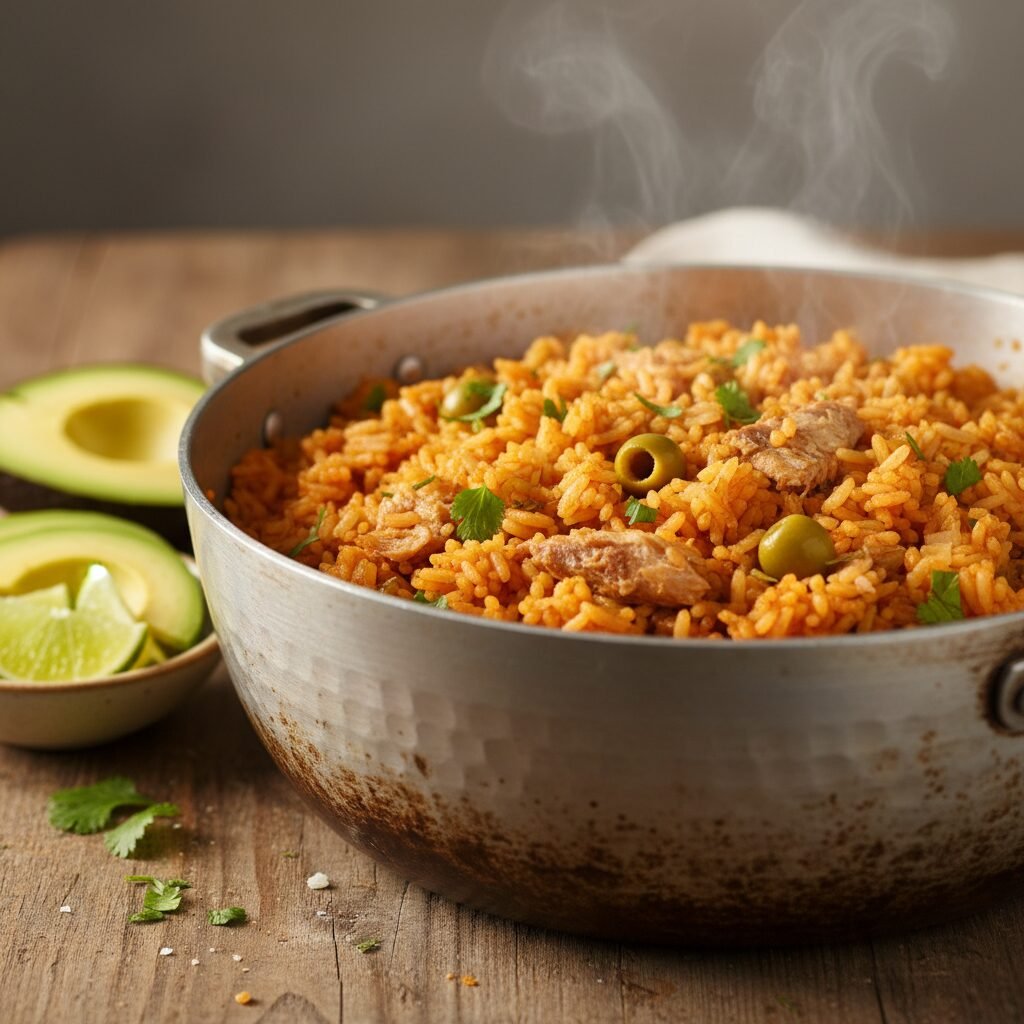
Welcome to a taste of the Dominican Republic that proves culinary excellence doesn’t require a hefty budget. Locrio de Sardinas is a cherished one-pot rice dish that embodies the soul of Caribbean cooking: resourceful, vibrant, and bursting with flavor. For generations, this humble meal has been a staple in Dominican households, transforming a simple can of sardines into a hearty, satisfying feast. The beauty of this dish lies in its simplicity and its powerful flavor profile, built on a foundation of sofrito, tomato, and briny olives. In a world of complex recipes and expensive ingredients, this Locrio stands as a testament to the magic you can create with pantry staples. For under $5, you can feed a family a meal that’s not only delicious but also rich in history and culture. Get ready to discover your new favorite weeknight dinner.
15 minutes
25-30 minutes
40-45 minutes
4-6 servings
Main Course
One-Pot Cooking
Dominican
Dairy-Free
Why You’ll Love This Recipe
- Incredibly Budget-Friendly: A full, satisfying meal for a family for around $5.
- Authentic Dominican Flavor: Experience a true taste of the Caribbean with traditional seasonings.
- One-Pot Wonder: Minimal cleanup required, making it perfect for busy weeknights.
- Quick & Easy: From prep to table in under 45 minutes.
- Nutrient-Rich: Packed with protein and healthy Omega-3 fatty acids from sardines.
Equipment You’ll Need
- Large heavy-bottomed pot or Dutch oven (a ‘caldero’ is traditional)
- Cutting board
- Chef’s knife
- Wooden spoon or spatula
- Measuring cups and spoons
Ingredients
- 2 tablespoons vegetable oil or annatto (achiote) oil
- 1 medium yellow onion, finely chopped
- 1 green bell pepper, finely chopped
- 4-5 cloves garlic, minced
- 1/2 cup chopped fresh cilantro, divided
- 2 tablespoons tomato paste
- 1/4 cup pimento-stuffed green olives, halved
- 1 tablespoon capers, rinsed
- 1 teaspoon dried oregano
- 1 teaspoon adobo seasoning or to taste
- 1/2 teaspoon black pepper
- 2 cans (4.25 oz each) sardines in tomato sauce
- 2 cups long-grain white rice, rinsed
- 3 cups water or low-sodium chicken broth
- 1 small lime, cut into wedges for serving
- Sliced avocado, for serving (optional)
Instructions
- Heat the oil in a large, heavy-bottomed pot or caldero over medium heat. Add the chopped onion and bell pepper and sauté for 5-7 minutes, until softened and translucent.
- Stir in the minced garlic, half of the cilantro, and the tomato paste. Cook for another 2 minutes, stirring constantly, until the garlic is fragrant and the tomato paste has darkened slightly.
- Add the olives, capers, dried oregano, adobo seasoning, and black pepper. Stir well to combine all the aromatics and create the flavor base.
- Gently add the two cans of sardines, including the tomato sauce. Use your spoon to gently break the sardines into large, bite-sized pieces. Be careful not to mash them into a paste. Let them simmer with the sofrito for about 1-2 minutes.
- Add the rinsed long-grain white rice to the pot. Stir gently for about a minute to coat the grains in the oil and sofrito mixture. This helps the grains stay separate later.
- Pour in the 3 cups of water or broth. Stir everything together and bring the liquid to a rolling boil over medium-high heat. Let it boil, uncovered, until most of the surface liquid has evaporated and small craters appear in the rice, about 5-7 minutes.
- Once the liquid is mostly absorbed, give it one final, gentle stir. Reduce the heat to the lowest possible setting, cover the pot tightly with a lid, and let it steam for 20 minutes. Do not lift the lid during this time.
- After 20 minutes, turn off the heat. Let the pot sit, still covered, for another 5 minutes.
- Uncover the pot, add the remaining fresh cilantro, and use a fork to fluff the rice. Serve immediately with fresh lime wedges and slices of avocado.
Expert Cooking Tips
- Rinse Your Rice: Rinsing the rice under cold water until the water runs clear removes excess starch. This is the key to fluffy, separate grains of rice rather than a sticky, mushy result.
- Don’t Stir While Steaming: Once you cover the pot to let the rice steam, resist the urge to peek or stir. This traps the steam inside, which is essential for cooking the rice perfectly.
- Achieve the ‘Concón’: For the prized crispy layer of rice at the bottom of the pot (known as ‘concón’), use a caldero or cast-iron pot. After the 20-minute steaming time, you can turn the heat up to medium for 2-3 minutes (without stirring) to help form this delicious crust.
- Use Sardines in Tomato Sauce: While you can use sardines in oil or water, the ones packed in tomato sauce add an extra layer of savory, umami flavor that perfectly complements the dish.
Substitutions and Variations
For a different flavor profile, you can substitute the sardines with canned mackerel or tuna (packed in oil, drained). Brown rice can be used for a healthier alternative, but you will need to increase the liquid to about 4 cups and extend the steaming time to 40-45 minutes. If you don’t have fresh cilantro, culantro (recao) is an excellent, more pungent alternative. A tablespoon of store-bought sofrito can be used in place of the fresh onion, pepper, and garlic to save time.
Common Mistakes to Avoid
The most common mistake is using the wrong rice-to-liquid ratio, leading to either mushy or undercooked rice. Stick to a 1:1.5 ratio of rice to liquid for long-grain white rice. Another pitfall is stirring the rice after it has been covered to steam; this breaks the grains and releases starch, resulting in a gummy texture. Lastly, be gentle when adding the sardines. Over-mixing will break them down completely, and you want to have distinct, flaky pieces of fish throughout the rice.
Serving Suggestions
Locrio de Sardinas is a complete meal in itself, but it truly shines when served the traditional Dominican way. Accompany it with creamy slices of fresh avocado to provide a cool contrast to the warm, savory rice. A simple green salad with a light vinaigrette also pairs wonderfully. For a heartier meal, serve with a side of ‘tostones’ (twice-fried green plantains). And don’t forget to offer wedges of lime for a final spritz of acidity that brightens all the flavors.
Storage and Reheating Tips
Store any leftovers in an airtight container in the refrigerator for up to 3 days. The rice will harden when chilled. To reheat, sprinkle a tablespoon of water over the rice and microwave, covered, until heated through. The steam from the water will help soften the rice back to its original fluffy texture. You can also reheat it in a pan over low heat with a splash of water.
Nutrition Facts (Estimated)
| Serving Size | 1.5 cups |
| Calories | 410 kcal |
| Fat | 14g |
| Saturated Fat | 3g |
| Unsaturated Fat | 11g |
| Trans Fat | 0g |
| Cholesterol | 65mg |
| Sodium | 780mg |
| Carbohydrates | 52g |
| Fiber | 4g |
| Sugar | 3g |
| Protein | 18g |
Frequently Asked Questions
Is Locrio de Sardinas very fishy?
Not at all! While sardines are the star, the robust flavors of the sofrito, tomato paste, olives, and cilantro balance the dish beautifully. Using sardines packed in tomato sauce further mellows the fish flavor, making it savory and rich rather than overly ‘fishy’.
What is a ‘caldero’ and is it necessary for this recipe?
A ‘caldero’ is a traditional cast-aluminum pot popular in Caribbean cooking. Its heavy construction ensures even heat distribution, which is perfect for cooking rice and creating the crispy bottom layer called ‘concón’. While it’s the ideal tool, any heavy-bottomed pot, like a Dutch oven, will work just as well.
Can I make this dish spicy?
Absolutely. To add a kick of heat, you can add a finely minced Scotch bonnet pepper or a pinch of red pepper flakes along with the garlic and onions in the sofrito base. You can also serve it with your favorite hot sauce on the side.
Conclusion
Locrio de Sardinas is more than just a recipe; it’s a celebration of resourcefulness, tradition, and the incredible power of simple ingredients. It’s a dish that proves a memorable meal doesn’t need to be complicated or expensive. By mastering this one-pot classic, you’re not just feeding your family; you’re connecting with a rich culinary heritage. We hope this authentic taste of the Dominican Republic becomes a beloved staple in your kitchen, bringing warmth, flavor, and a touch of the Caribbean to your table.