Authentic Baleadas: The Fluffiest Tortillas and Beans Breakfast
Authentic Baleadas: The Fluffiest Tortillas And Beans Breakfast
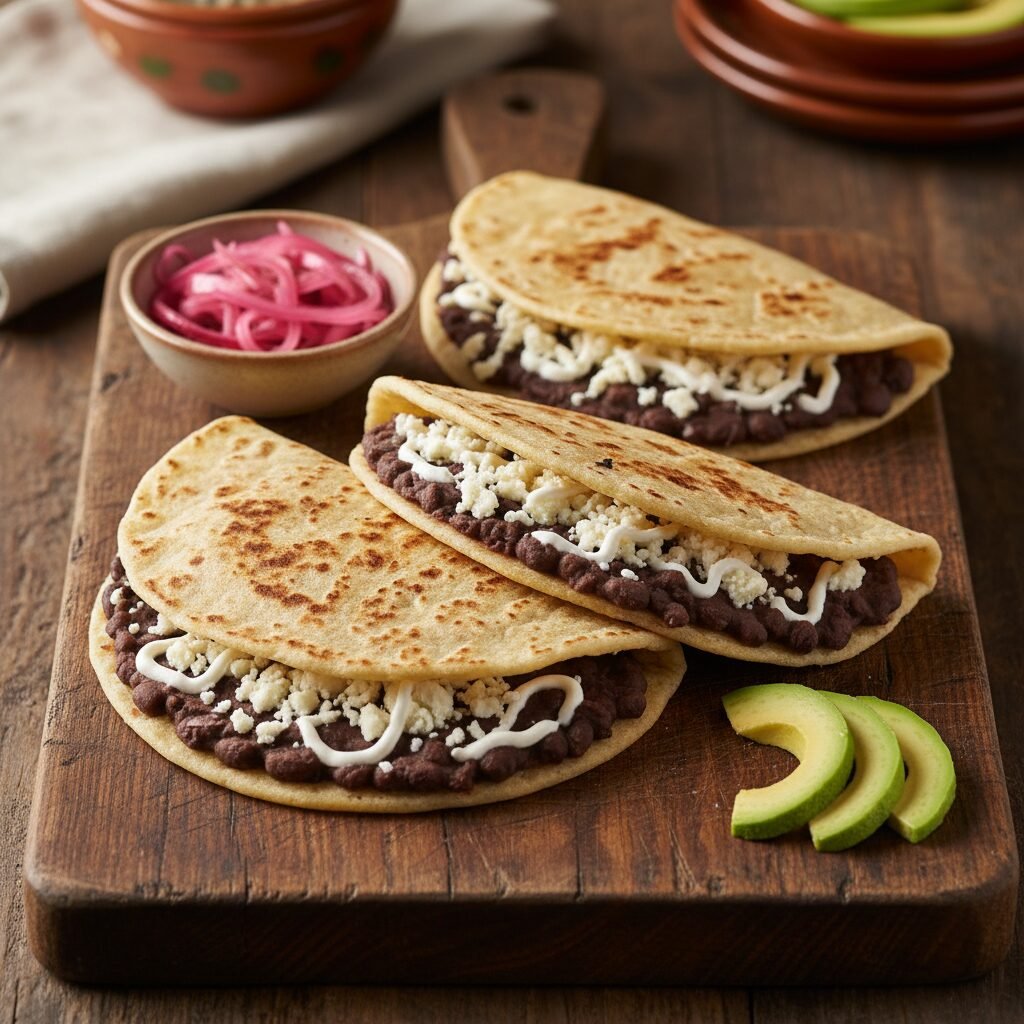
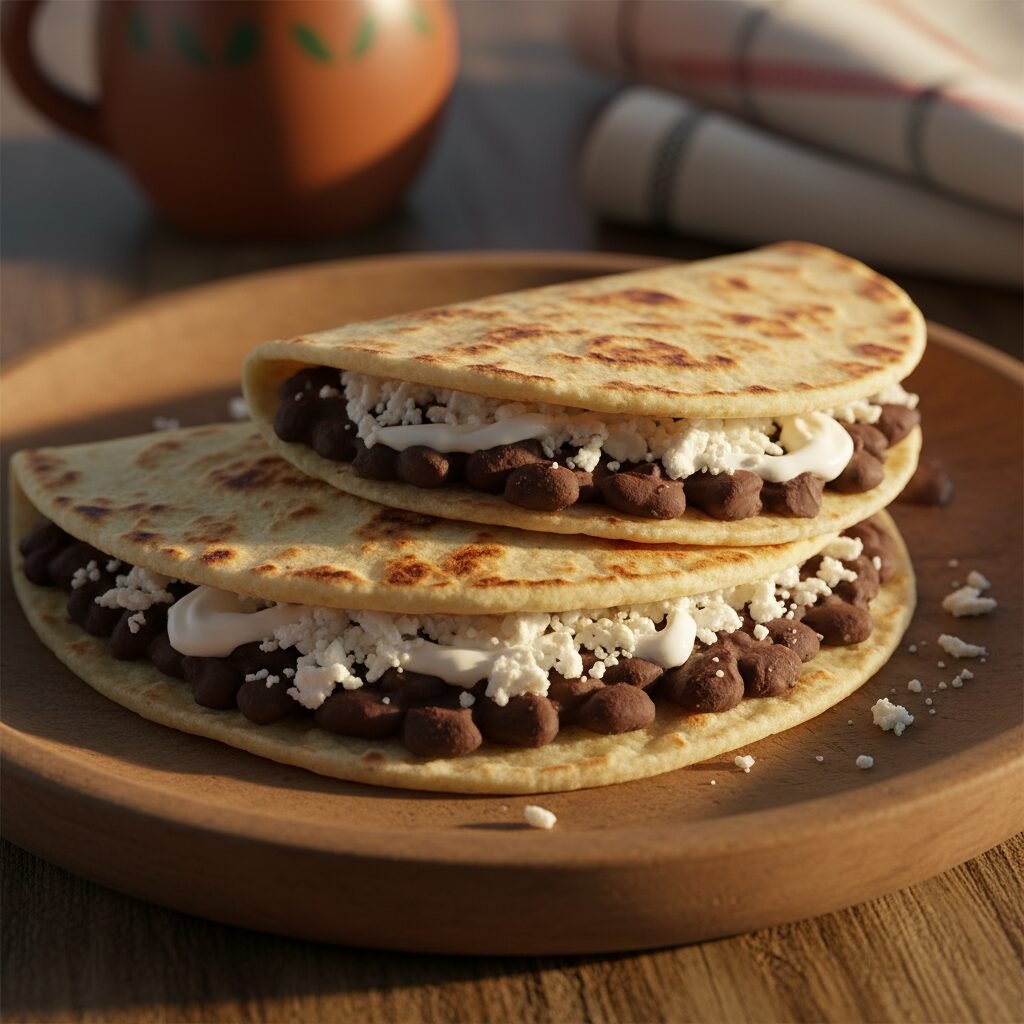
Welcome to the heart of Honduran cuisine. The baleada is more than just a meal; it’s a cultural icon, a beloved staple enjoyed from bustling street-side stalls in Tegucigalpa to quiet family kitchens across the country. At its core, a baleada is deceptively simple: a thick, soft, and wonderfully fluffy flour tortilla, folded over a generous smear of creamy refried red beans, a sprinkle of salty, crumbly cheese, and a drizzle of rich crema. But to describe it so simply is to miss the magic. The true soul of an authentic baleada lies in its tortilla—a far cry from the thin, mass-produced wraps found in most supermarkets. This recipe is your definitive guide to recreating that magic at home, focusing on the time-honored techniques that yield the most pillowy, tender tortillas you’ve ever tasted. We will walk you through every step, from creating the perfect dough to achieving the signature creamy texture of Honduran-style beans. Prepare to transform your breakfast routine and discover why this humble dish is cherished by millions.
45 minutes (includes dough resting time)
25 minutes
1 hour 10 minutes
8 large baleadas
Breakfast, Main Course
Griddling, Pan-Frying
Honduran, Latin American
Vegetarian
Why You’ll Love This Recipe
- Master the art of making thick, fluffy, and tender homemade flour tortillas from scratch.
- Learn the authentic Honduran method for preparing creamy, flavorful refried red beans.
- A completely customizable recipe, perfect for breakfast, lunch, or a light dinner.
- Discover the essential tips and techniques for a perfect puff on your tortillas every time.
- Budget-friendly and made with simple, accessible pantry staples.
Equipment You’ll Need
- Large mixing bowl
- Measuring cups and spoons
- Bench scraper (optional)
- Rolling pin
- Comal, cast-iron skillet, or large non-stick frying pan
- Spatula
- Medium saucepan
- Potato masher or immersion blender
Ingredients
- For the Flour Tortillas:
- 4 cups all-purpose flour, plus more for dusting
- 2 teaspoons baking powder
- 1 ½ teaspoons salt
- ½ cup vegetable shortening, lard, or solid coconut oil
- 1 ½ cups warm water (approximately 110°F / 43°C)
- For the Refried Beans:
- 2 tablespoons vegetable oil or lard
- ½ white onion, finely chopped
- 2 cloves garlic, minced
- 1 (15-ounce) can red beans (frijoles de seda if available), rinsed and drained
- ¼ cup bean liquid, water, or milk
- Salt and freshly ground black pepper to taste
- For Assembly:
- 1 cup crumbled queso duro, feta, or cotija cheese
- ½ cup Honduran mantequilla, Mexican crema, or sour cream
Instructions
- Step 1: Prepare the Tortilla Dough. In a large mixing bowl, whisk together the 4 cups of all-purpose flour, 2 teaspoons of baking powder, and 1 ½ teaspoons of salt. Add the ½ cup of shortening or lard. Using your fingertips or a pastry cutter, work the fat into the flour mixture until it resembles coarse crumbs.
- Step 2: Knead the Dough. Gradually pour in the 1 ½ cups of warm water while mixing with your hand or a wooden spoon until a shaggy dough forms. Transfer the dough to a lightly floured surface and knead for 5-7 minutes, until it becomes smooth and elastic. The dough should be soft but not sticky. Add a tablespoon of flour at a time if it’s too sticky.
- Step 3: Rest the Dough (First Rest). Form the dough into a large ball and place it back in the mixing bowl. Cover the bowl with a clean kitchen towel or plastic wrap and let it rest in a warm place for at least 30 minutes. This step is crucial for relaxing the gluten, which makes the tortillas tender and easy to roll.
- Step 4: Prepare the Refried Beans. While the dough rests, heat the 2 tablespoons of oil or lard in a medium saucepan over medium heat. Add the finely chopped onion and cook until softened and translucent, about 4-5 minutes. Add the minced garlic and cook for another minute until fragrant.
- Step 5: Cook and Mash the Beans. Add the rinsed and drained red beans to the saucepan. Cook for 2-3 minutes, stirring occasionally. Add the ¼ cup of bean liquid or water and bring to a simmer. Using a potato masher, mash the beans directly in the pot to your desired consistency. For a smoother texture, you can use an immersion blender. Continue to cook, stirring frequently, until the beans have thickened into a creamy, spreadable paste. Season with salt and pepper to taste. Keep warm.
- Step 6: Divide and Rest the Dough (Second Rest). After the first rest, turn the dough out onto your work surface. Divide it into 8 equal pieces and roll each piece into a smooth ball. Place the balls on a lightly floured tray, cover them with the towel again, and let them rest for another 15 minutes. This second rest makes them even easier to roll out.
- Step 7: Roll Out the Tortillas. Heat a comal or large, dry cast-iron skillet over medium-high heat. On a lightly floured surface, take one dough ball and use a rolling pin to roll it into a thin circle, about 8-9 inches in diameter. Try to keep the thickness as even as possible.
- Step 8: Cook the Tortillas. Carefully place the rolled-out tortilla onto the hot comal. Cook for about 30-60 seconds, until you see bubbles forming on the surface. Flip the tortilla with a spatula and cook for another 30-60 seconds on the other side. You should see beautiful golden-brown spots. The tortilla may puff up, which is a sign of a perfectly cooked, fluffy tortilla. Transfer the cooked tortilla to a plate and cover it with a kitchen towel to keep it warm and soft while you cook the remaining tortillas.
- Step 9: Assemble the Baleadas. Take a warm, freshly cooked tortilla and lay it flat. Spread a generous layer of the warm refried beans over one half of the tortilla. Sprinkle a good amount of the crumbled cheese over the beans, and then finish with a drizzle of crema. Fold the empty half of the tortilla over the filled half.
- Step 10: Serve Immediately. Baleadas are best enjoyed immediately while the tortilla is hot and pliable and the fillings are warm. Serve as is, or with optional additions like scrambled eggs, avocado slices, or pickled onions.
Expert Cooking Tips
- The water for the dough must be warm, not hot. Hot water can kill the leavening power of the baking powder. It should feel like warm bathwater.
- Do not skip the resting periods for the dough. This is the most important secret to achieving soft, non-chewy tortillas. The gluten needs time to relax.
- For an extra rich flavor in your beans, use lard instead of vegetable oil. It’s the traditional choice and adds incredible depth.
- Control your heat when cooking the tortillas. If the comal is too hot, they will burn before cooking through. If it’s too cool, they will become dry and cracker-like without puffing.
- Keep cooked tortillas stacked and wrapped in a clean kitchen towel. The trapped steam will keep them soft and pliable until you’re ready to serve.
Substitutions and Variations
For the fat in the tortillas, lard is most traditional, followed by vegetable shortening. For a modern twist, solid, refined coconut oil can also be used. If you cannot find Honduran queso duro, a dry, salty feta is the best substitute, followed by Mexican cotija cheese. For the crema, if Honduran mantequilla isn’t available, Mexican crema fresca is a great option. In a pinch, you can thin full-fat sour cream with a little milk or water.
Common Mistakes to Avoid
The most common mistake is creating tough tortillas. This is usually caused by over-kneading the dough, using cold water, or not letting the dough rest for the full recommended time. Another issue is dry, crumbly beans; if your beans become too thick, don’t be afraid to stir in a splash of water, milk, or more oil to bring them back to a creamy, spreadable consistency. If your tortillas aren’t puffing, check your heat—it’s likely too low. Increase it slightly for the next tortilla.
Serving Suggestions
A classic baleada sencilla (beans, cheese, crema) is perfect on its own. For a heartier meal, create a ‘baleada con todo’ (baleada with everything) by adding scrambled eggs, sliced avocado, grilled steak (carne asada), or chorizo. A side of curtido (spicy pickled onions and carrots) provides a fantastic acidic crunch that cuts through the richness. Serve with a strong cup of black coffee for an authentic Honduran breakfast experience.
Storage and Reheating Tips
Store leftover cooked tortillas in a zip-top bag at room temperature for up to 2 days. To reheat, warm them for a few seconds on each side in a dry skillet. The refried beans can be stored in an airtight container in the refrigerator for up to 5 days. It is best to assemble the baleadas just before serving to prevent the tortillas from becoming soggy.
Nutrition Facts (Estimated)
| Serving Size | 1 baleada (with beans, cheese, and crema) |
| Calories | 410 kcal |
| Fat | 19g |
| Saturated Fat | 9g |
| Unsaturated Fat | 10g |
| Trans Fat | 0g |
| Cholesterol | 35mg |
| Sodium | 750mg |
| Carbohydrates | 48g |
| Fiber | 8g |
| Sugar | 2g |
| Protein | 13g |
Frequently Asked Questions
Can I use store-bought tortillas for this recipe?
You can, but the experience will be fundamentally different. The hallmark of an authentic baleada is the thick, soft, and fluffy homemade tortilla. Store-bought tortillas are typically much thinner and less pliable, and will not provide the same satisfying, pillowy texture.
Can I make the tortilla dough ahead of time?
Yes. You can prepare the dough, complete the first rest, and then store the dough ball wrapped tightly in plastic in the refrigerator for up to 24 hours. Let it come to room temperature for about 30-60 minutes before dividing, shaping, and cooking.
What is the difference between a baleada and a burrito or a taco?
The main difference lies in the tortilla and the preparation. A baleada always uses a thick, soft wheat flour tortilla that is cooked on a griddle and folded in half. Tacos typically use smaller corn tortillas, and burritos use very large, thin flour tortillas that are wrapped into a closed cylinder.
Conclusion
Mastering the art of the baleada is a journey into the heart of Honduran comfort food. With this recipe, you have unlocked the secrets to the fluffiest tortillas and the creamiest beans, the foundational elements of this iconic dish. The beauty of the baleada lies not only in its delicious simplicity but also in its versatility. We encourage you to experiment with different fillings and make this recipe your own. Sharing a plate of warm, freshly made baleadas is a simple, profound act of hospitality and enjoyment—one we hope you will cherish.