The ‘National Soup’ of Greece is Creamy, Vegan, and Costs Pennies to Make
The ‘National Soup’ Of Greece Is Creamy, Vegan, And Costs Pennies To Make
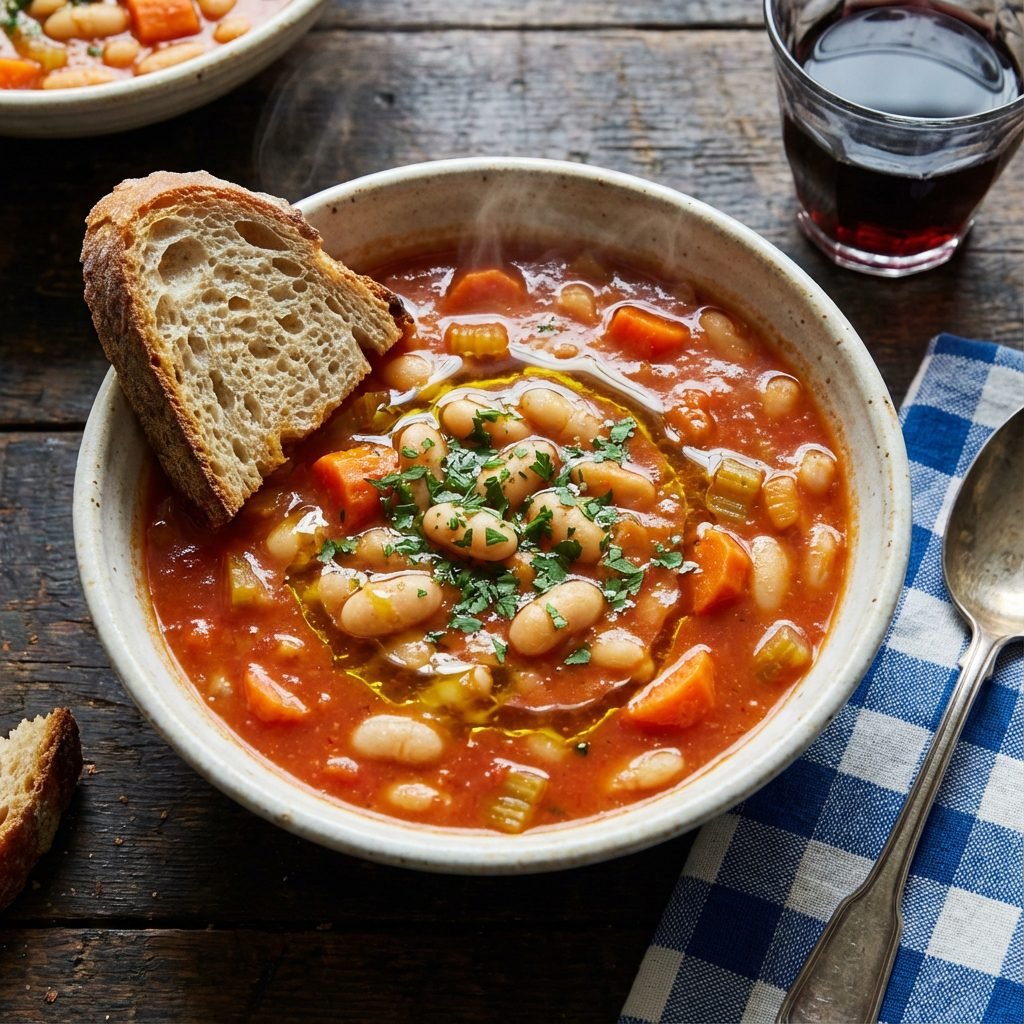
In the heart of every Greek kitchen lies a repertoire of simple, nourishing dishes that have sustained families for generations. At the forefront is Fasolada (Φασολάδα), a humble yet profoundly flavorful white bean soup. Often hailed as the ‘national dish of Greece,’ Fasolada is a testament to the beauty of rustic, peasant-style cooking. It transforms a few inexpensive pantry staples—dried beans, vegetables, and a generous amount of golden olive oil—into a creamy, hearty, and deeply satisfying meal. This soup is naturally vegan, packed with protein and fiber, and proves that culinary excellence doesn’t require complexity or a high budget. It’s a comforting bowl of history, a celebration of simplicity, and a perfect embodiment of the healthy Mediterranean diet.
20 minutes (plus overnight soaking)
1 hour 15 minutes
1 hour 35 minutes (plus overnight soaking)
6-8 servings
Soup
Stovetop Simmering
Greek
Vegan
Why You’ll Love This Recipe
- Authentic Greek flavor profile
- Completely vegan and plant-based
- Incredibly budget-friendly using pantry staples
- Hearty, nutritious, and packed with fiber and protein
- One-pot meal for easy cleanup
Equipment You’ll Need
- Large pot or Dutch oven
- Cutting board
- Chef’s knife
- Wooden spoon
- Ladle
Ingredients
- 1 lb (500g) dried small white beans (such as cannellini or navy beans), picked over and rinsed
- 1/2 cup extra virgin olive oil, divided
- 1 large yellow onion, chopped
- 2 large carrots, peeled and chopped
- 3 celery stalks, chopped
- 4 cloves garlic, minced
- 1 (15-ounce) can crushed or diced tomatoes
- 6-8 cups vegetable broth or water
- 2 bay leaves
- 1 teaspoon dried oregano
- 1/2 teaspoon black pepper, or to taste
- 1 teaspoon salt, or to taste (add towards the end)
- 1/4 cup fresh parsley, chopped, for garnish
Instructions
- Place the dried beans in a large bowl and cover with at least 3 inches of cold water. Let them soak overnight, or for at least 8 hours. Drain and rinse the beans thoroughly.
- In a large pot or Dutch oven, heat 1/4 cup of the olive oil over medium heat. Add the chopped onion, carrots, and celery. Sauté for 8-10 minutes, until the vegetables have softened and the onion is translucent.
- Add the minced garlic and cook for another minute until fragrant, stirring constantly to prevent burning.
- Stir in the crushed tomatoes, the soaked and drained beans, vegetable broth (or water), bay leaves, dried oregano, and black pepper. Stir everything together to combine.
- Bring the soup to a gentle boil, then reduce the heat to low, cover the pot, and let it simmer for 1 to 1.5 hours, or until the beans are completely tender and creamy. The cooking time will vary depending on the age and type of your beans.
- Once the beans are tender, remove the bay leaves. Stir in the salt. Use a spoon to mash some of the beans against the side of the pot to help thicken the soup naturally.
- Stir in the remaining 1/4 cup of extra virgin olive oil. This late addition adds a rich, fruity flavor and luxurious texture to the finished soup.
- Ladle the Fasolada into bowls, garnish with fresh chopped parsley, and serve hot.
Expert Cooking Tips
- Use Quality Ingredients: Since the ingredient list is simple, the quality shines through. Use a robust, fruity extra virgin olive oil for the best flavor.
- Don’t Rush the Simmer: A long, slow simmer is key to developing deep flavors and achieving perfectly tender, creamy beans.
- Salt at the End: Adding salt too early in the cooking process can sometimes prevent dried beans from becoming fully tender. It’s best to season the soup towards the end of cooking.
- Mash for Creaminess: Mashing some of the beans against the side of the pot is a classic technique to thicken the soup without adding any flour or cornstarch, keeping it naturally creamy and gluten-free.
Substitutions and Variations
If you are short on time, you can use two 15-ounce cans of cannellini beans, drained and rinsed. If using canned beans, reduce the simmering time to 25-30 minutes, as you only need to meld the flavors. For a smokier flavor, you can add 1/2 teaspoon of smoked paprika along with the oregano.
Common Mistakes to Avoid
The most common mistake is undercooking the beans, resulting in a firm, chalky texture. Be patient and cook them until they are completely soft and creamy. Another error is skimping on the olive oil; it is a key flavor component and contributes significantly to the soup’s richness and satisfying mouthfeel.
Serving Suggestions
Serve Fasolada hot with a drizzle of high-quality finishing olive oil and a sprinkle of fresh parsley. It is traditionally accompanied by crusty bread for dipping, a side of salty feta cheese (for a non-vegan option), and brined Kalamata olives. A simple green salad with a lemon-oil dressing also pairs beautifully.
Storage and Reheating Tips
Fasolada tastes even better the next day as the flavors meld. Store leftovers in an airtight container in the refrigerator for up to 5 days. The soup will thicken upon cooling; you may need to add a splash of water or broth when reheating. It also freezes exceptionally well for up to 3 months.
Nutrition Facts (Estimated)
| Serving Size | 1 bowl (approx. 1.5 cups) |
| Calories | 345 kcal |
| Fat | 15g |
| Saturated Fat | 2.1g |
| Unsaturated Fat | 12.9g |
| Trans Fat | 0g |
| Cholesterol | 0mg |
| Sodium | 480mg |
| Carbohydrates | 44g |
| Fiber | 15g |
| Sugar | 8g |
| Protein | 14g |
Frequently Asked Questions
Do I absolutely have to soak the beans overnight?
While highly recommended for the best texture and easier digestion, you can do a ‘quick soak.’ Cover the beans with water in a pot, bring to a boil for 2 minutes, then turn off the heat, cover, and let them sit for 1 hour before draining and proceeding with the recipe.
My soup isn’t creamy. What did I do wrong?
Creaminess comes from fully cooked beans and the generous amount of olive oil. Ensure your beans are simmered until they are very tender. Mashing some of the cooked beans and stirring them back into the soup will also significantly increase its creamy consistency.
Can I add other vegetables to Fasolada?
Absolutely. While this is the classic recipe, some variations include adding a chopped potato or a handful of spinach or kale in the last 10 minutes of cooking for extra nutrients and texture.
Conclusion
Fasolada is more than just a soup; it’s a culinary hug from the heart of Greece. Its simplicity is its strength, offering a nourishing, flavorful, and incredibly economical meal that satisfies on every level. Whether you’re a seasoned cook or a kitchen novice, this recipe provides a direct connection to the timeless traditions of Mediterranean cooking. Enjoy this authentic taste of Greece, and share the warmth it brings.